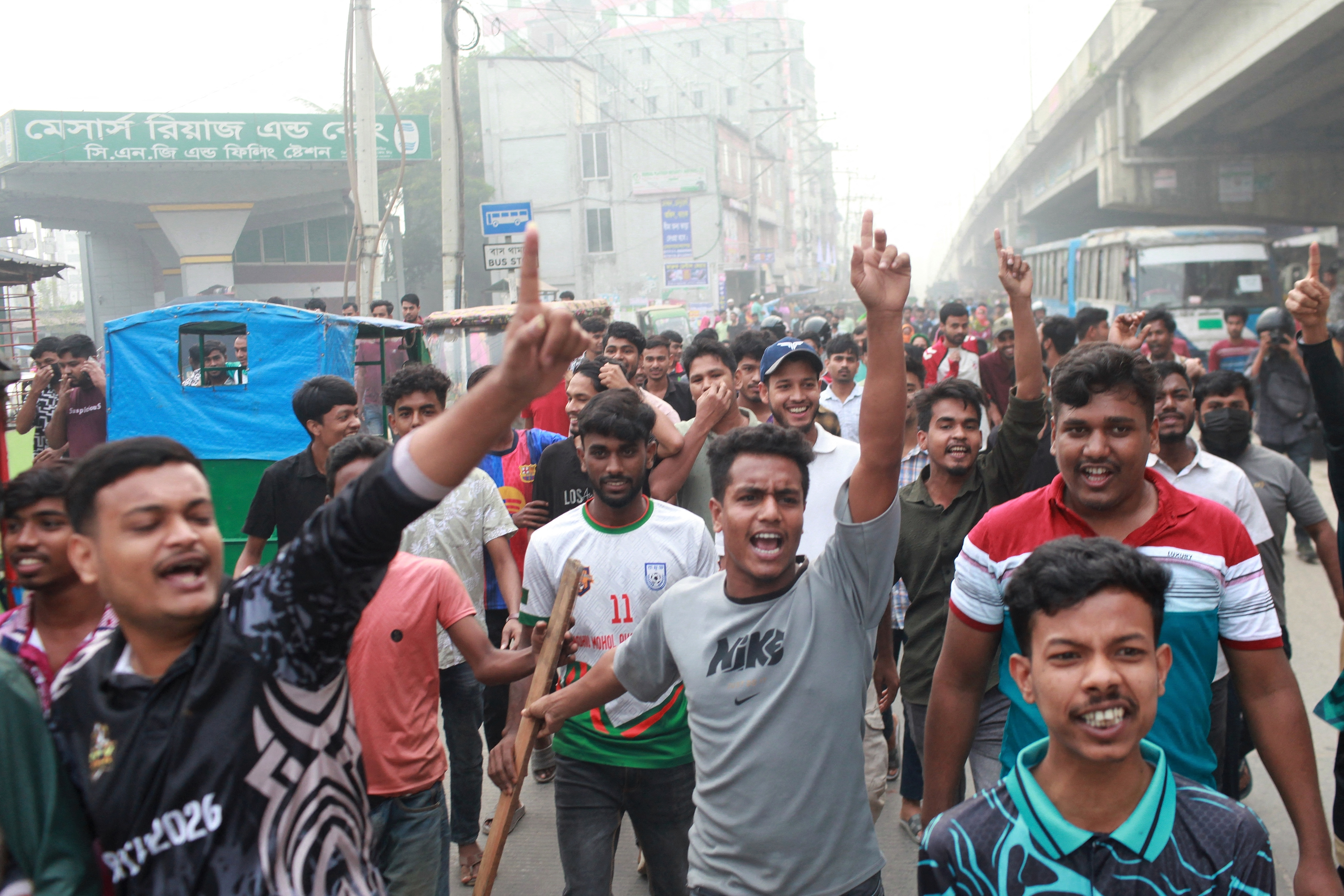
Protesting Bangladesh garment workers reject pay offer
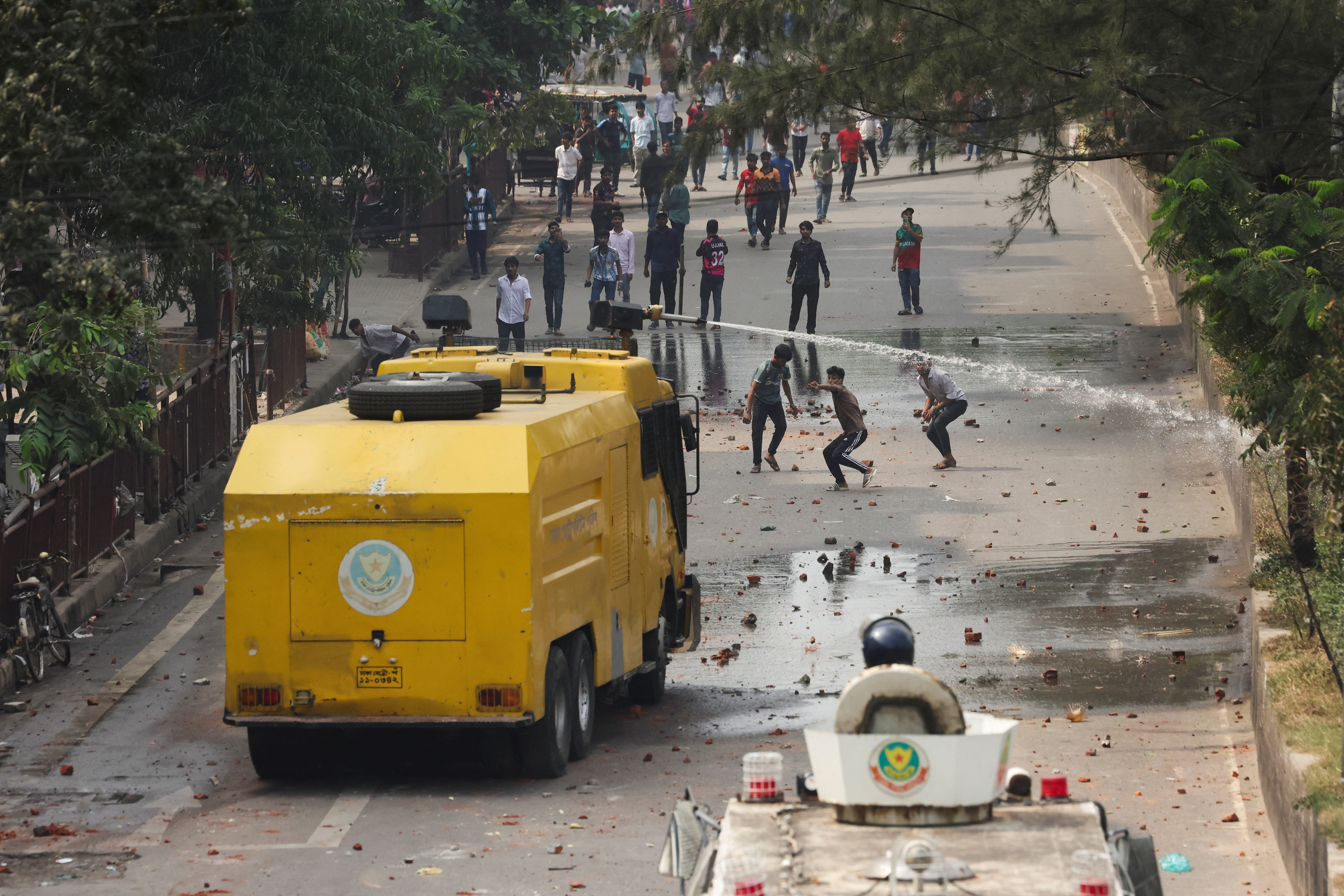
Bangladesh’s garment industry brings in about $38bn a year. The minimum wage is around 12,500 taka ($100) per month.
Bangladesh’s garment industry brings in about $38bn a year. The minimum wage is around 12,500 taka ($100) per month.
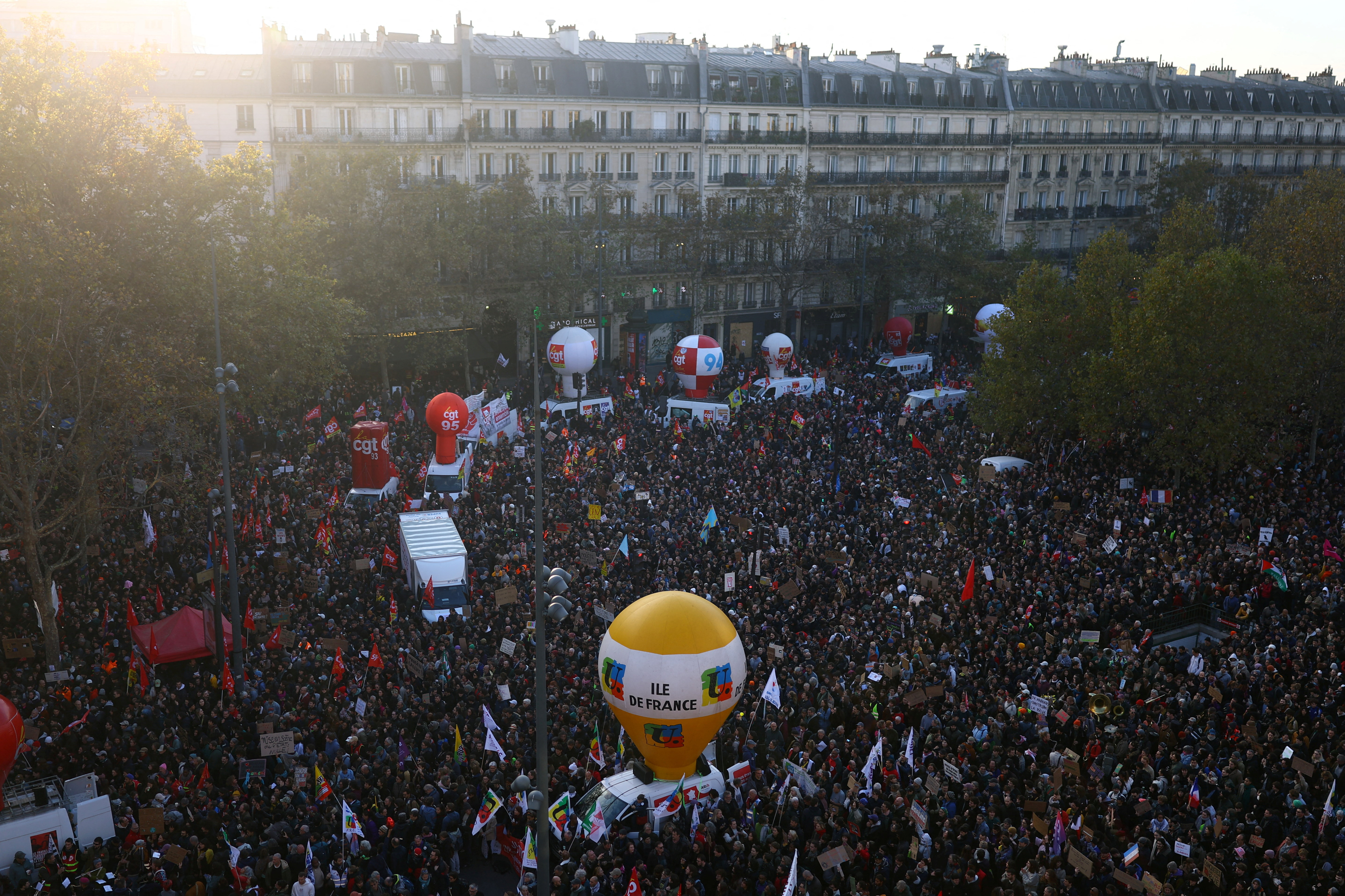
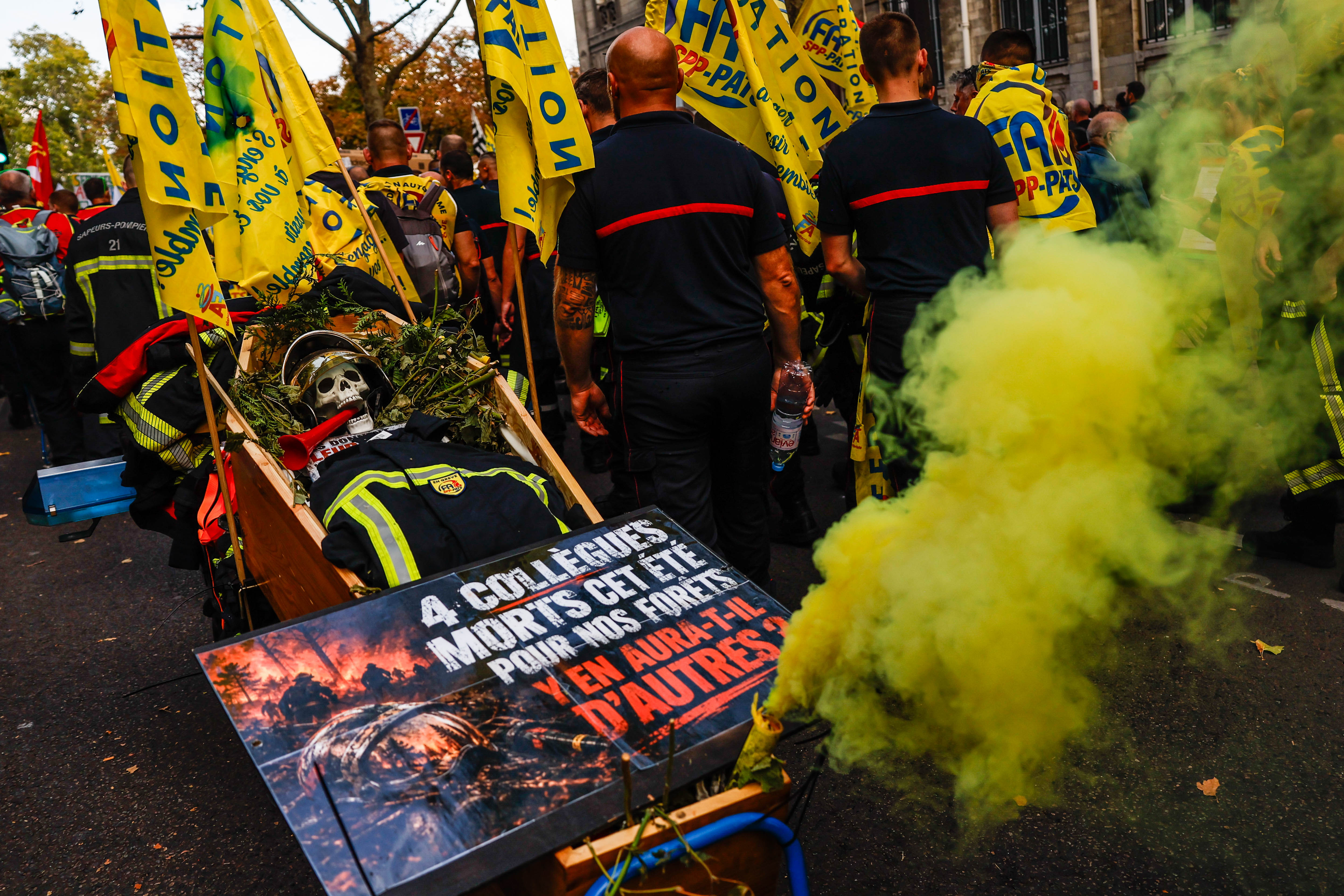
At least 575,000 people take part in protests across the country, with police firing tear gas in Paris and Lyon.
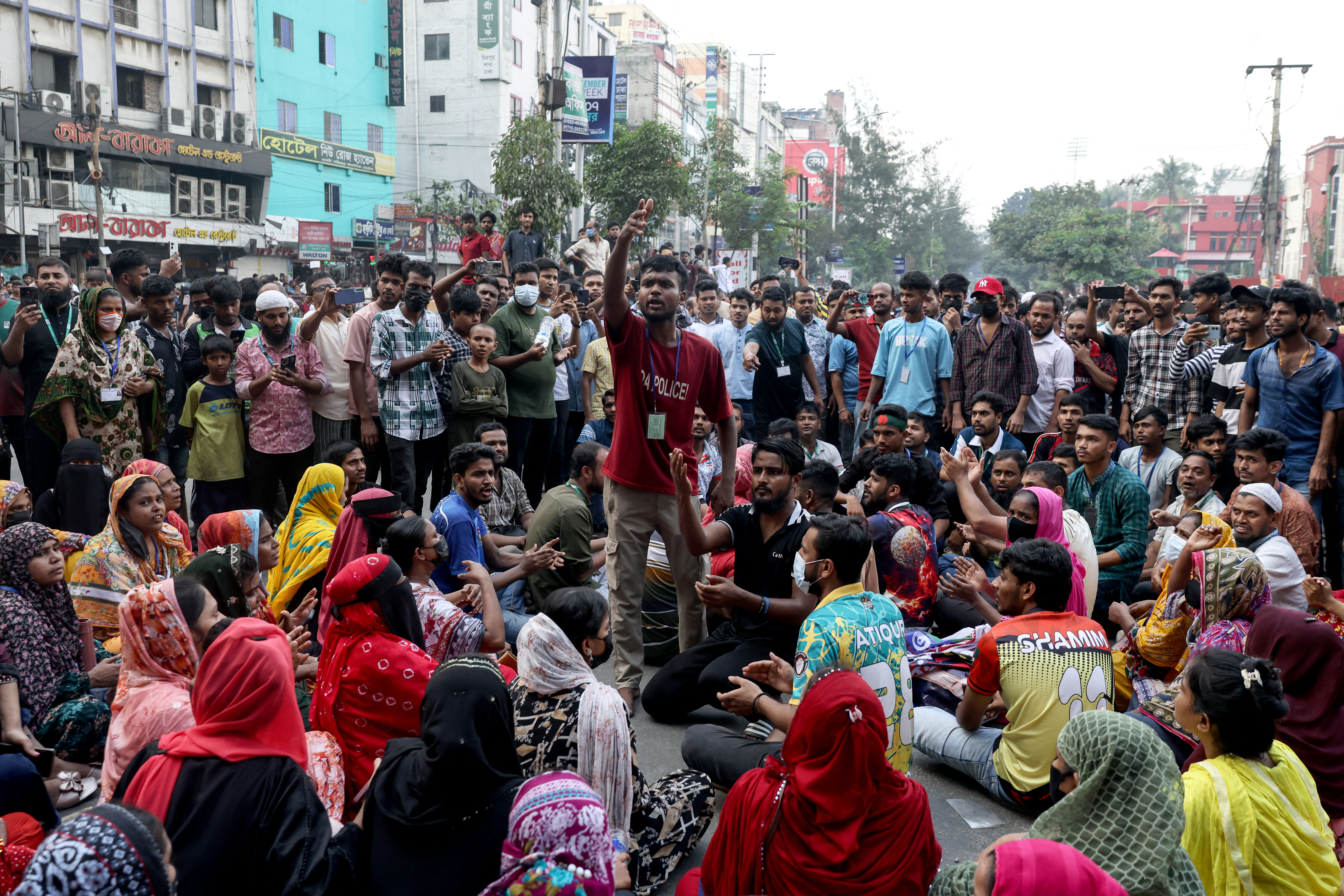
Tens of thousands of workers in world’s second-largest apparel exporter hit the streets to demand better minimum wages.
Under new rules, most workers will have to wait 10 years to settle in the UK, but higher earners can qualify sooner.
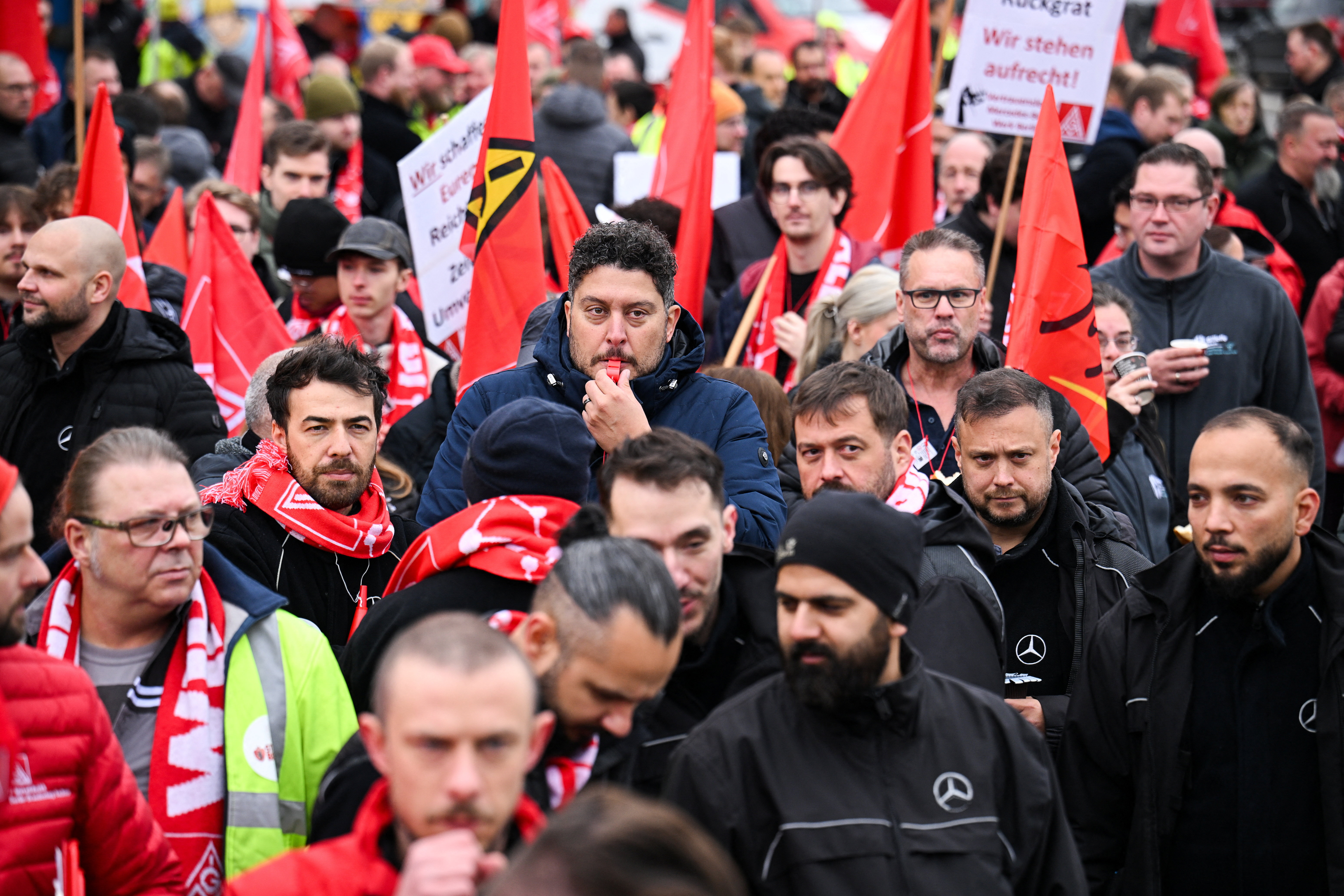
The expanded industrial action comes amid a wave of strikes and protests that have sparked unrest across Europe.
Workers in Bangladesh’s largest export sector are demanding a minimum wage increase amid rising inflation.
Demonstrations held in industrial cities as workers demand wage increase as cost of living rises.
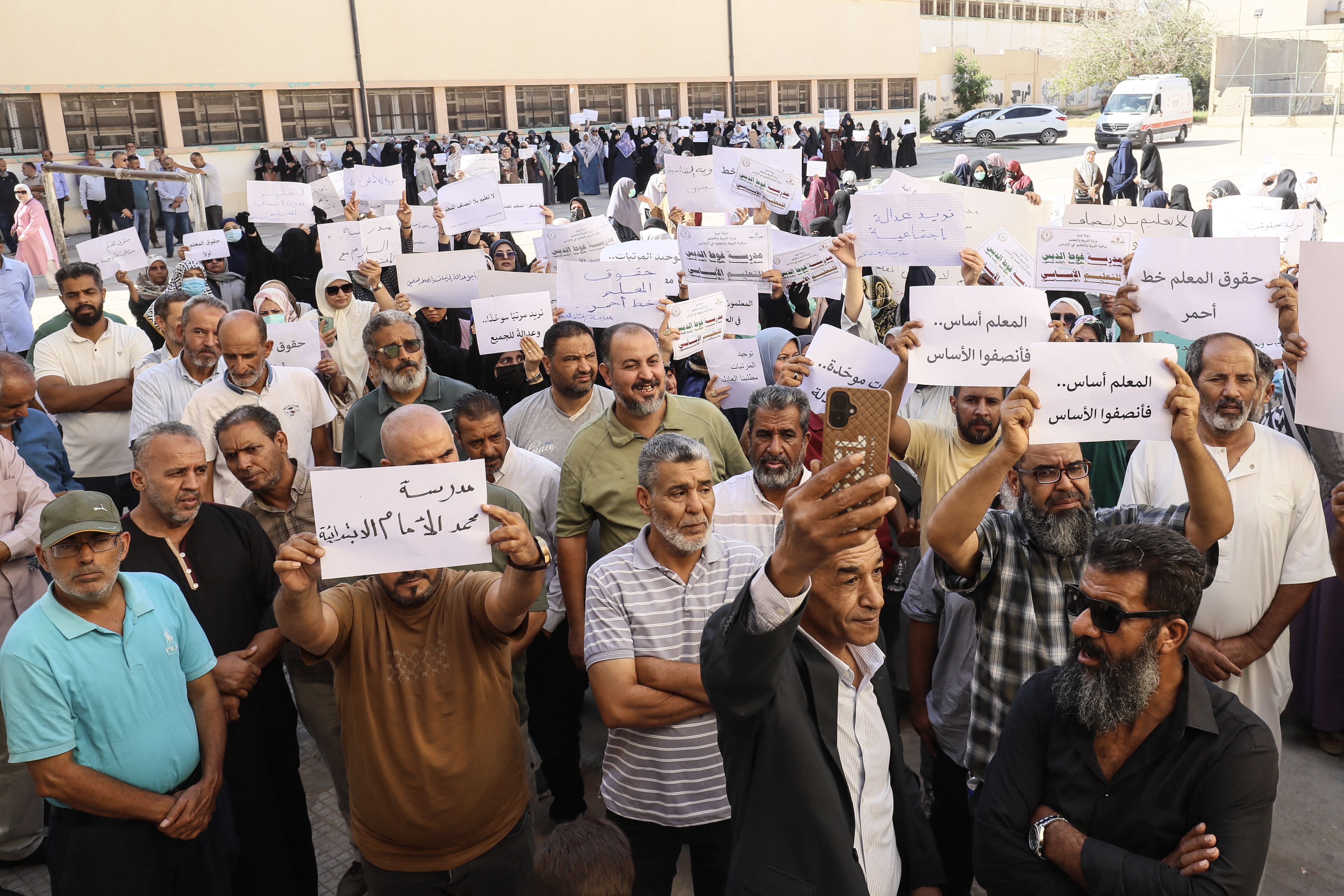
School year is on hold with teachers on strike and other unions threatening to take action.
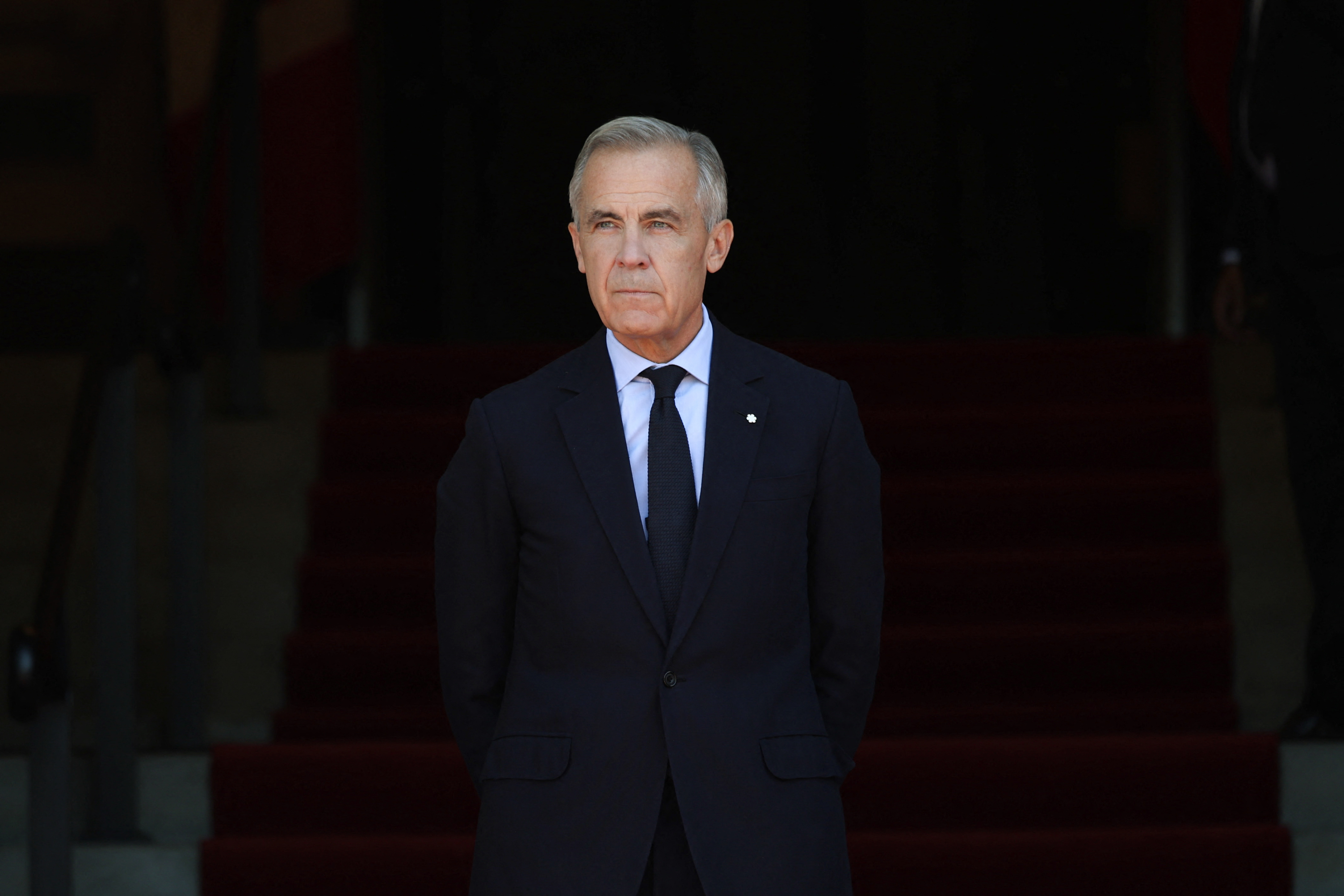
Unions say proposed changes to Canada’s labour laws could weaken workers’ right to strike.
Tens of thousands of workers march nationwide, as police arrest 440 students in clashes at schools.
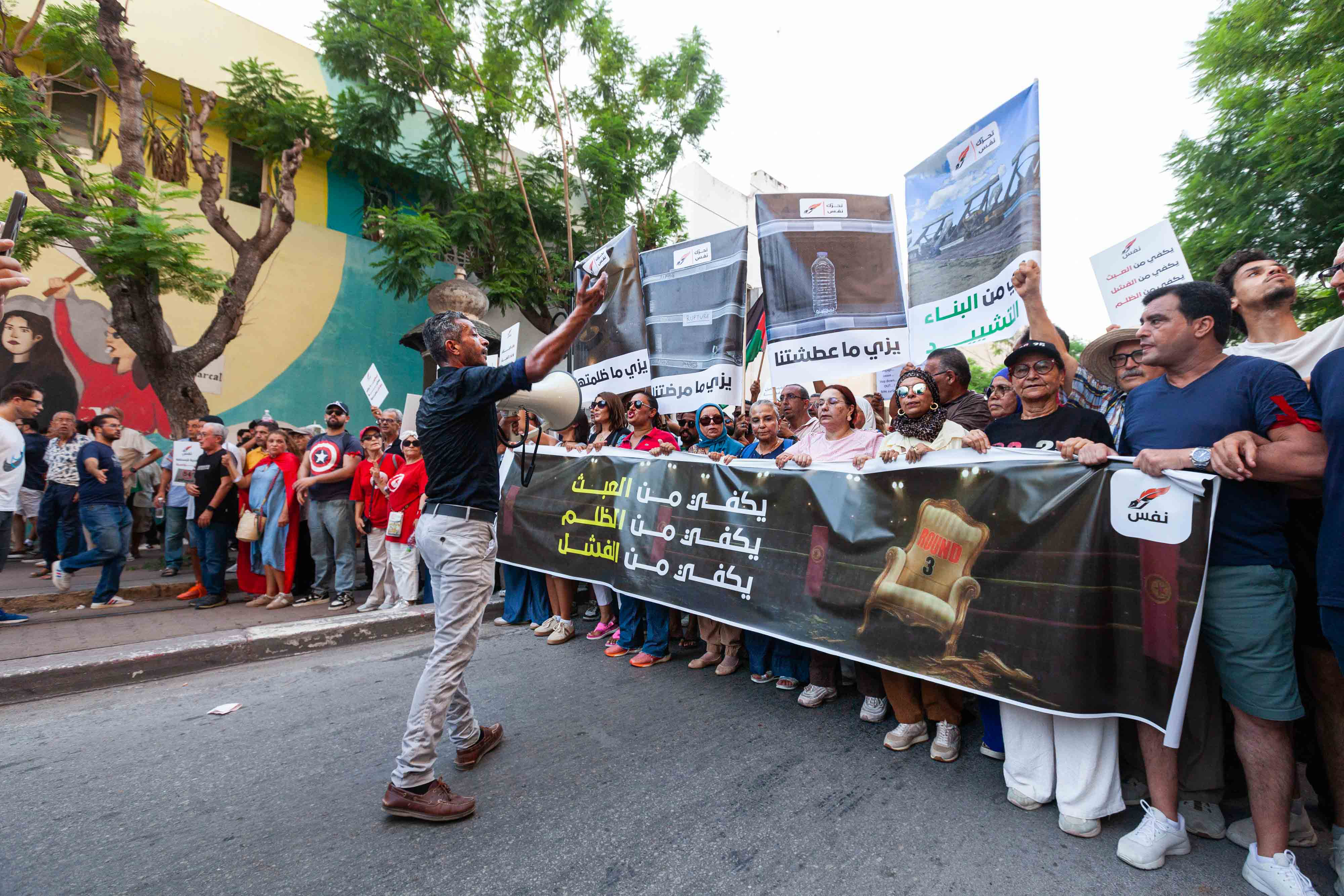
A 48-hour strike in Tunis adds to mounting public frustration over worsening living conditions and basic services.