From: NewsFeed
Saudi-backed Yemeni army says 700 Houthis killed in 24 hours
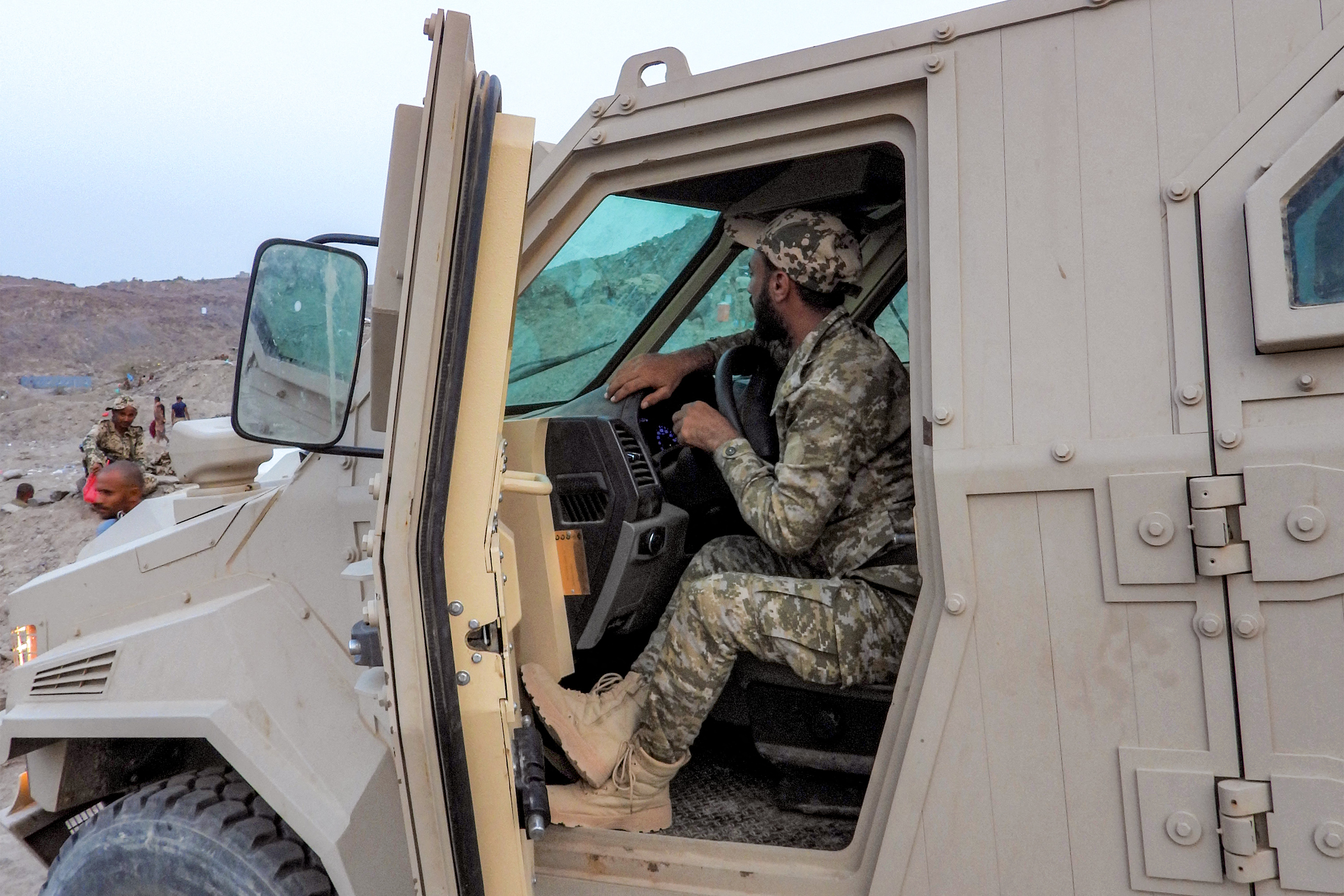
Yemen’s government forces claim to have killed hundreds of Houthi rebels as they attempt to retake lost territory.
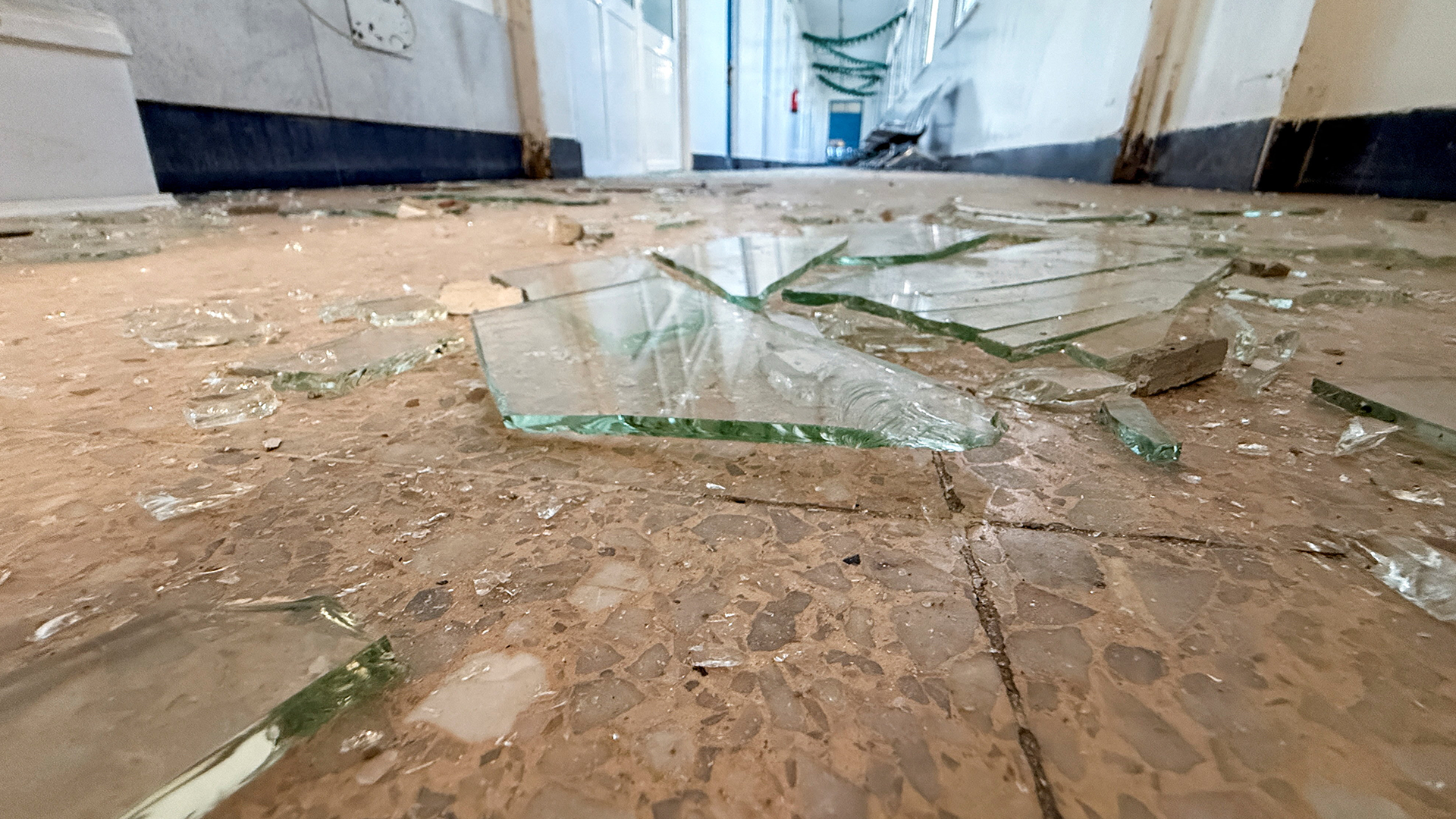
Yemen’s government forces claim to have killed hundreds of Houthi rebels as they attempt to retake lost territory.
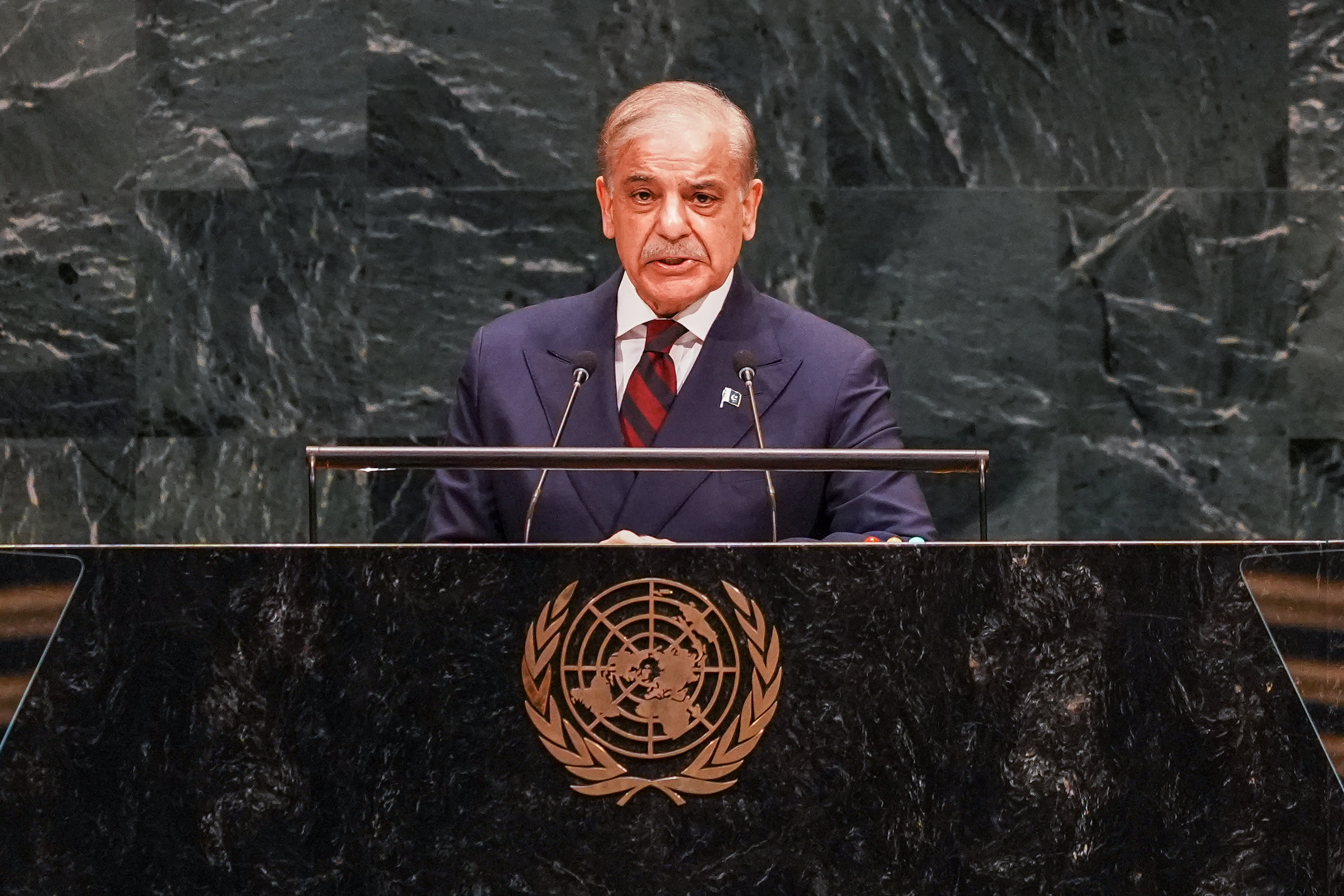


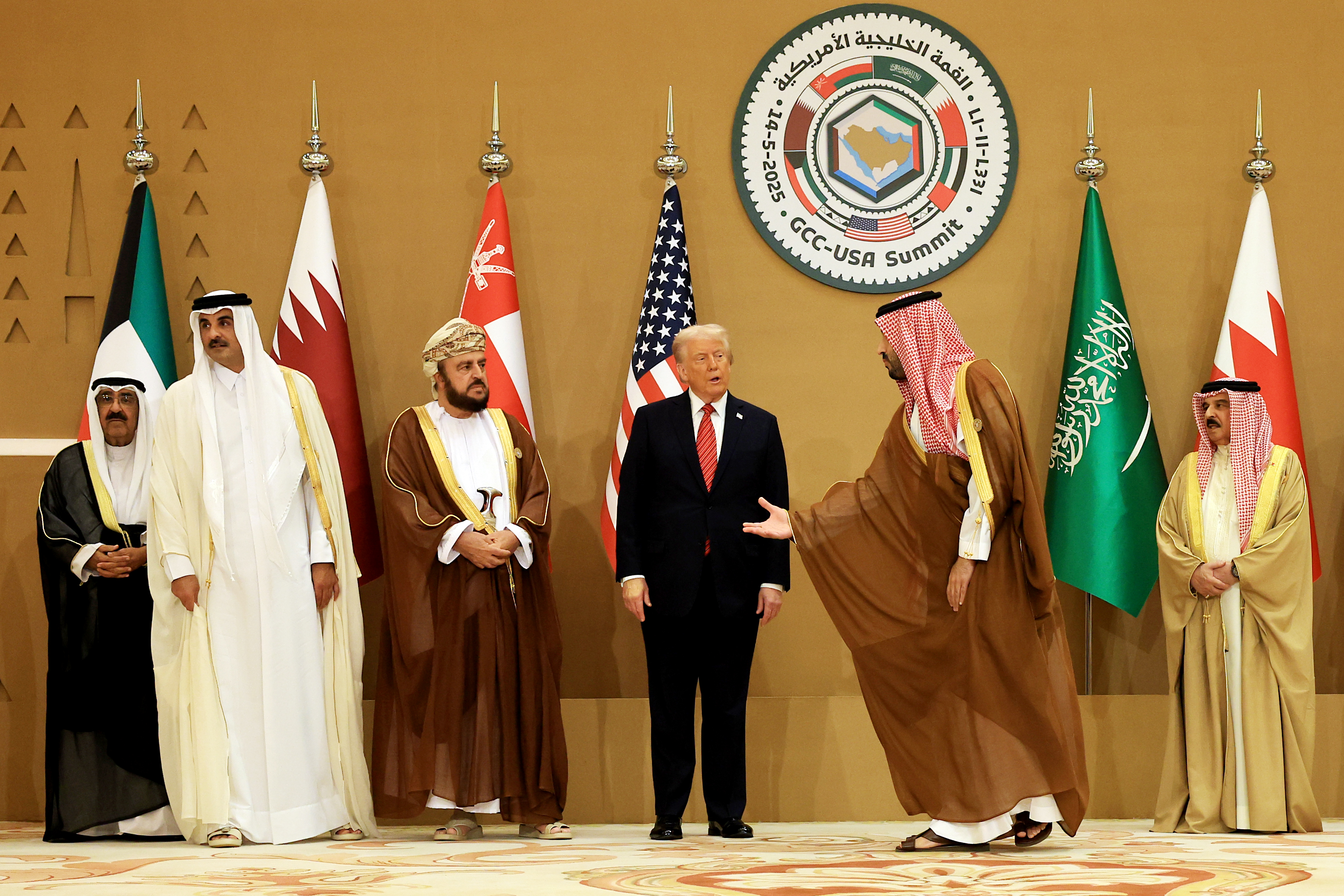
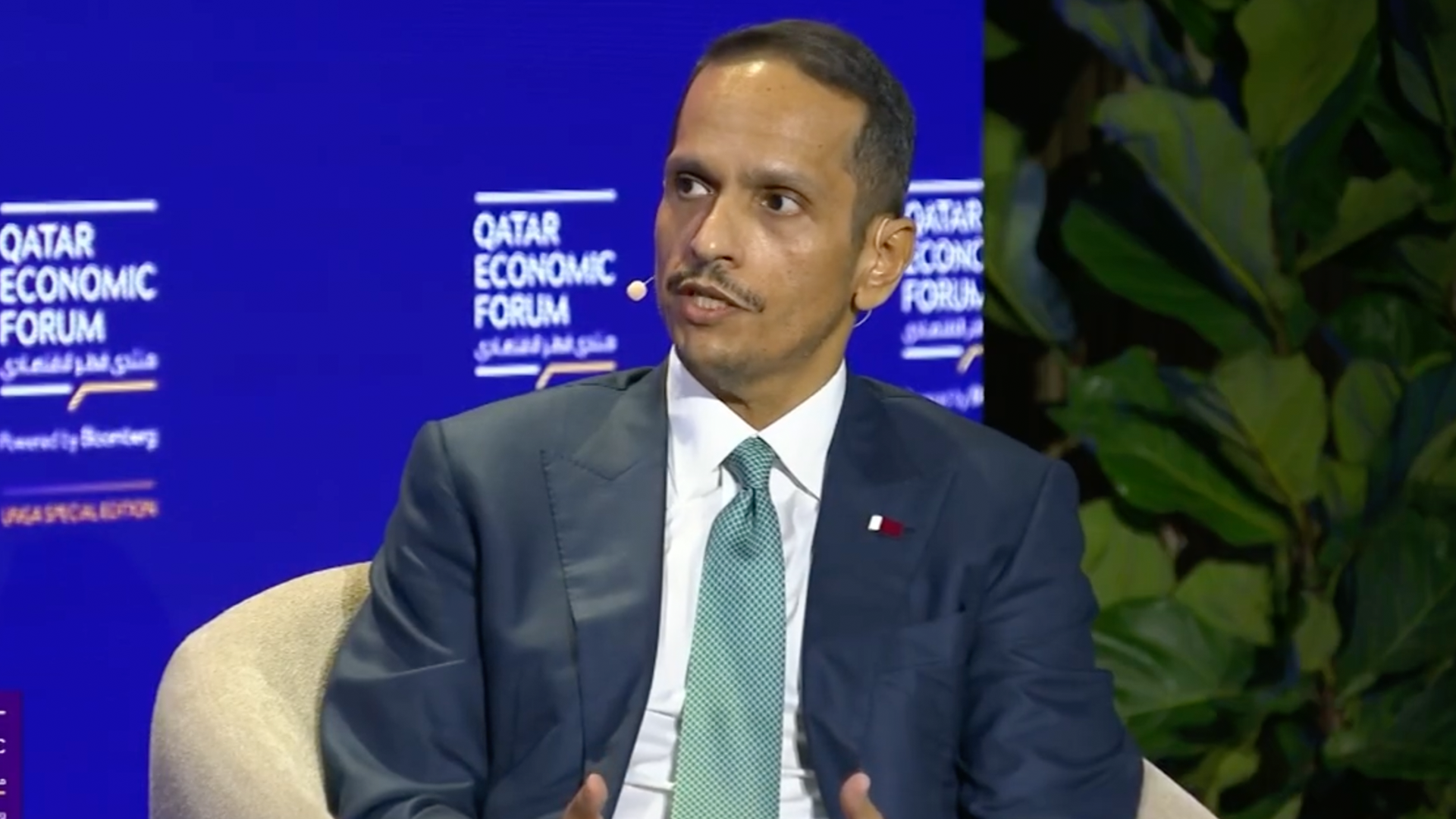
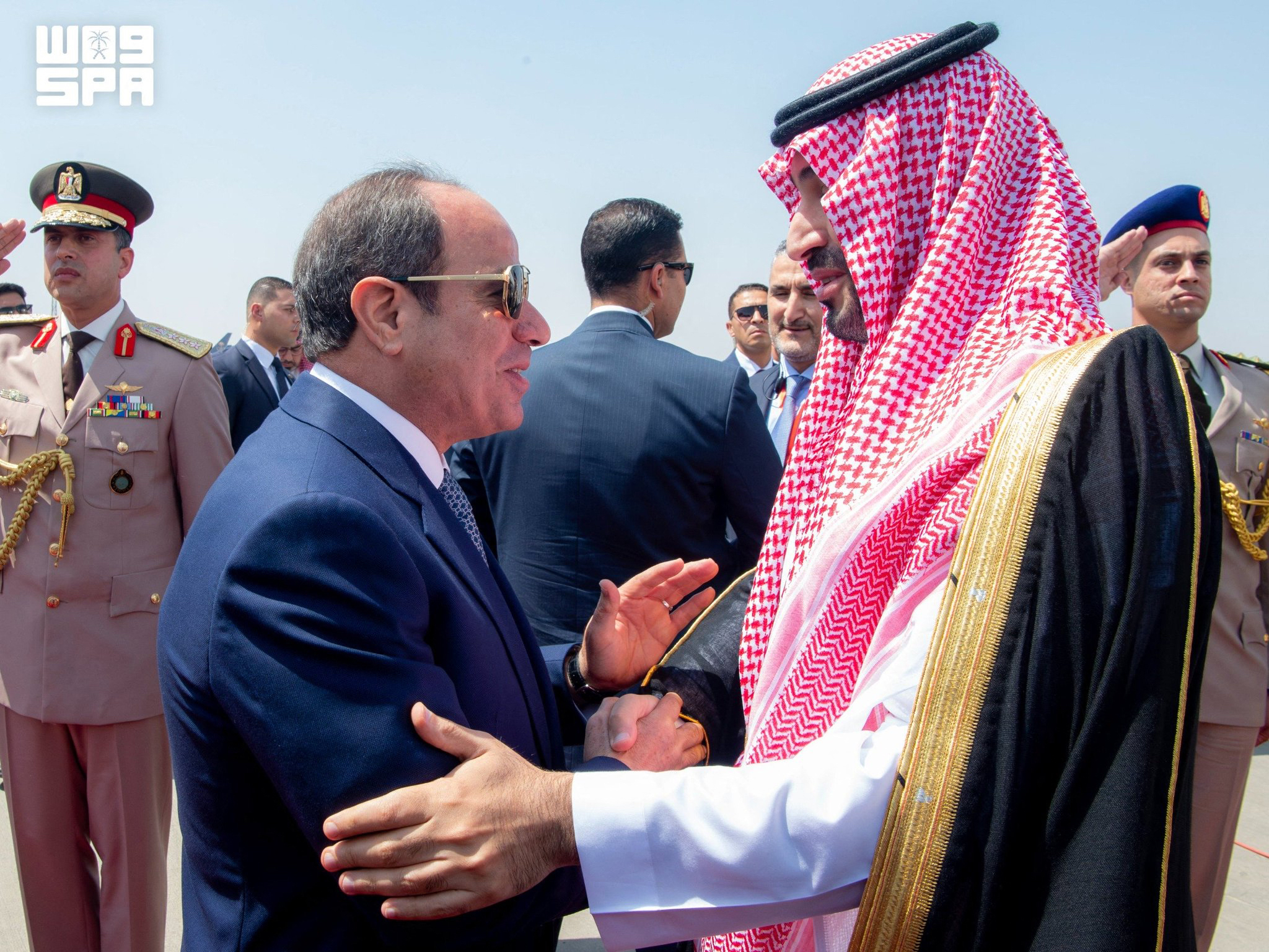
Regional analysts highlight the growing security alignment between Cairo and Riyadh amid escalating Red Sea tensions.
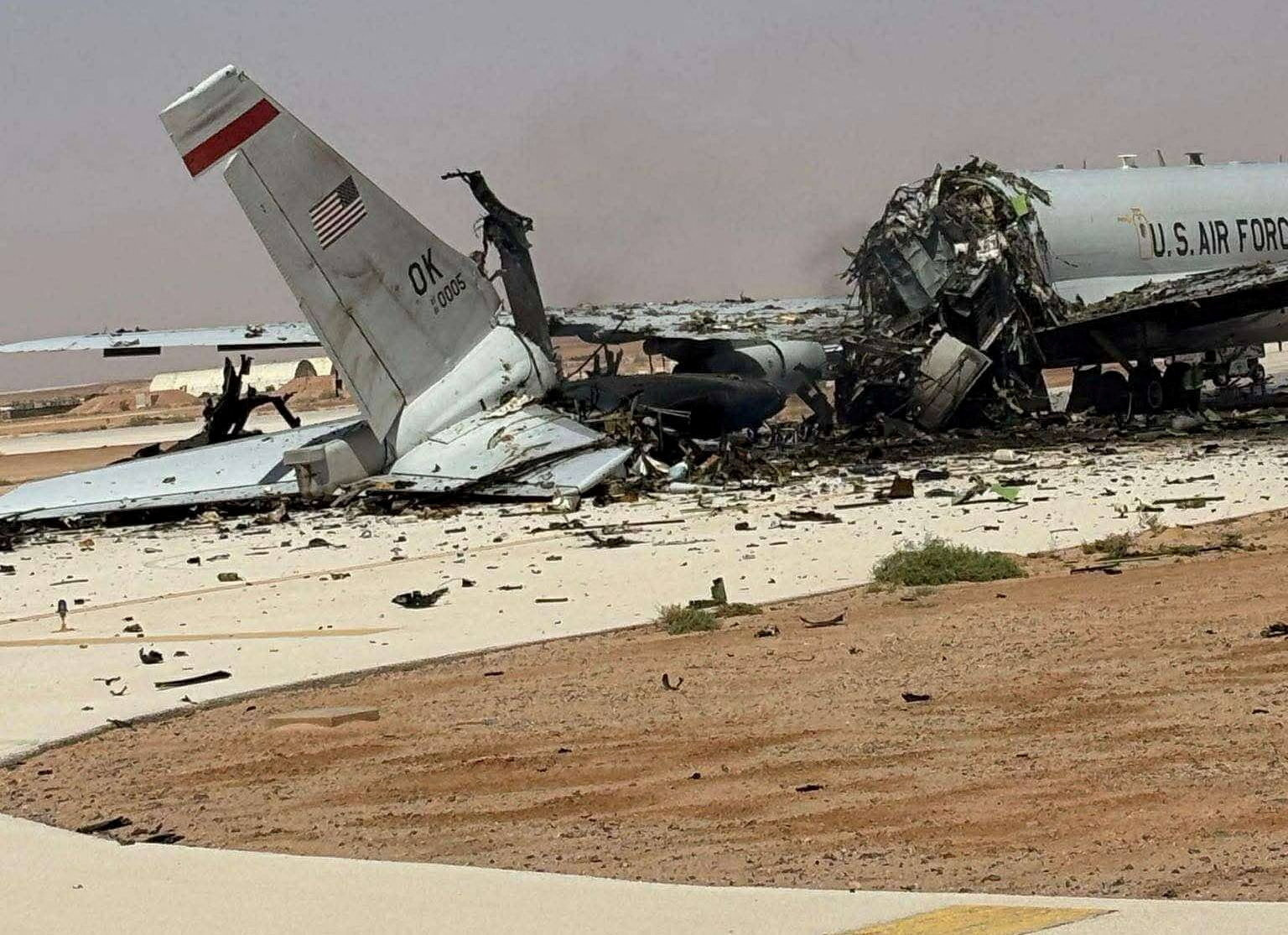
The Pentagon watchdog’s report paints a picture of significant losses to US forces and facilities in the region.
Saudi-led coalition promises to respond ‘firmly’ to Houthi strikes on urban areas in Saudi Arabia.
Saudi Arabia asked for the meeting to be postponed, but Tehran says it will continue to seek a regionally backed bill.
Gulf states are building overlapping partnerships that complement, rather than replace, the US security role.
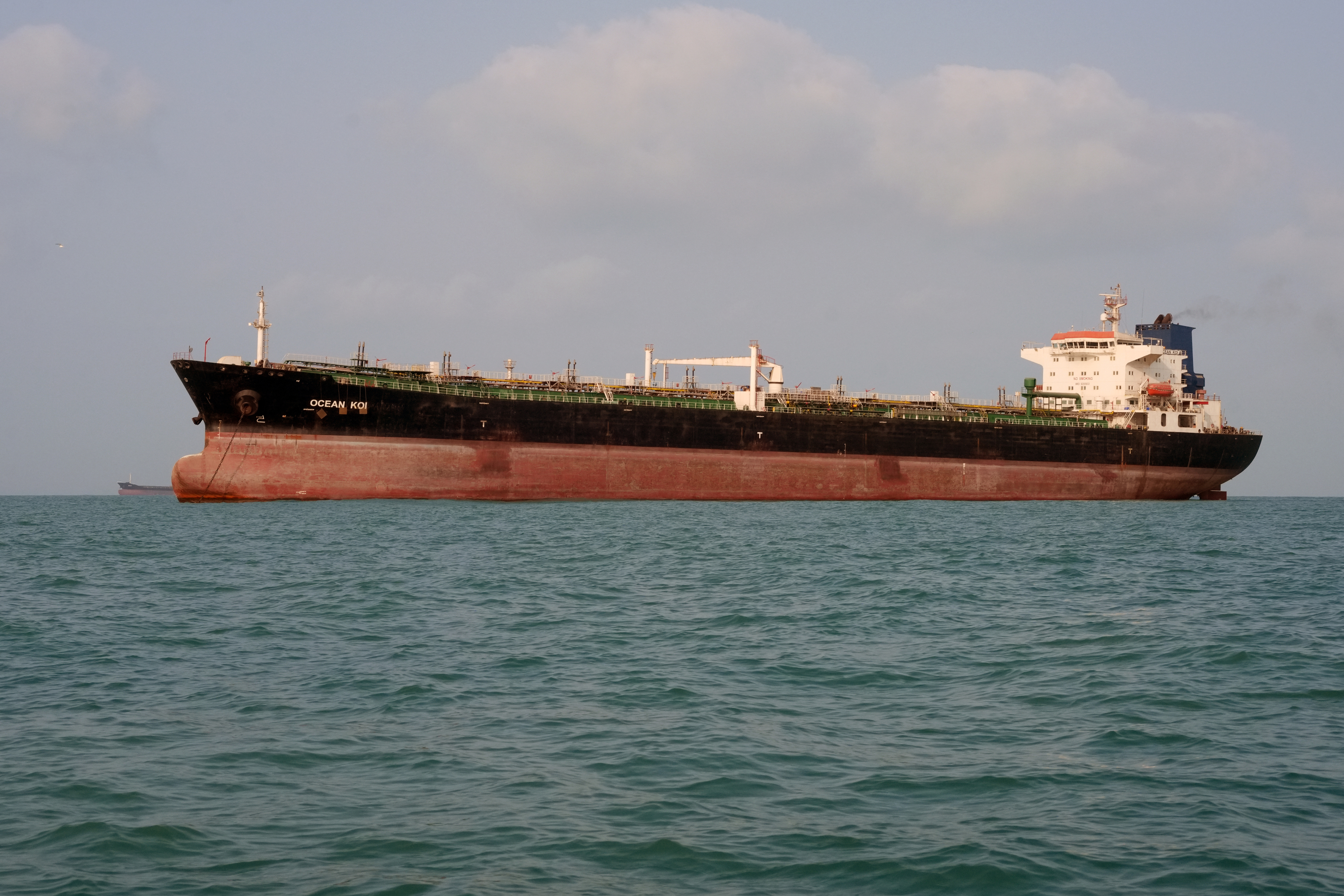
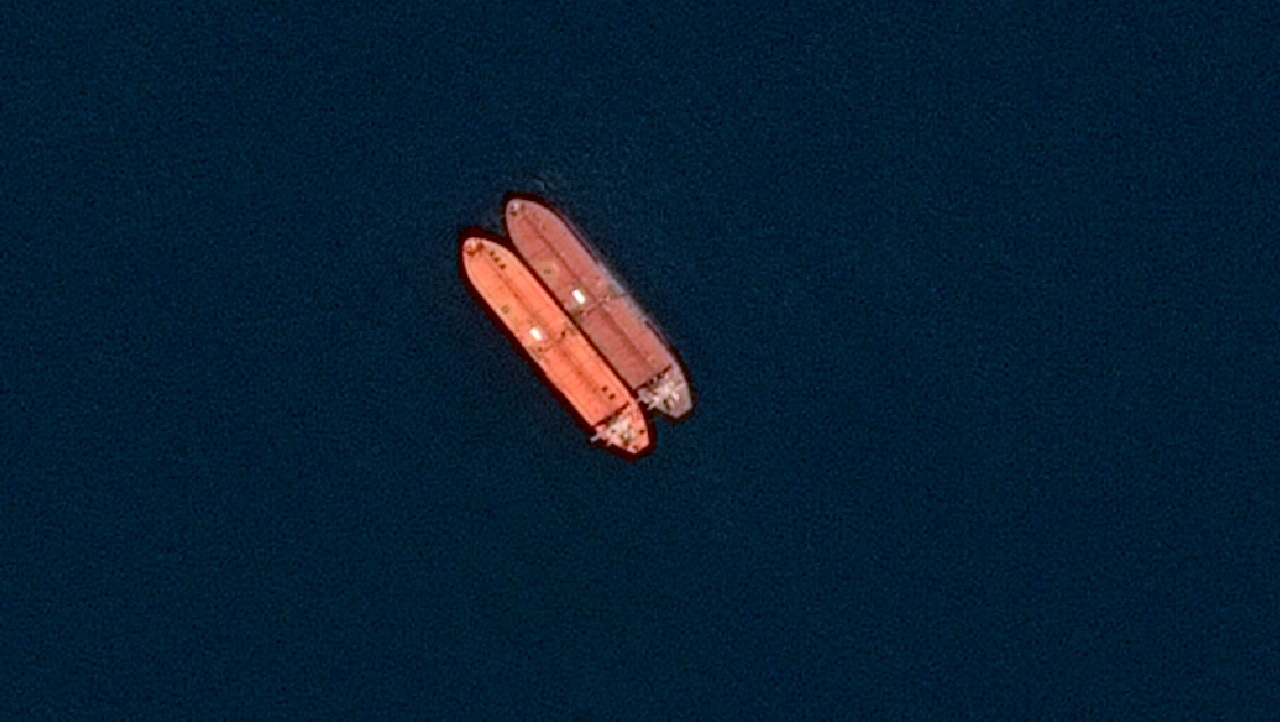
Iran’s deputy foreign minister announced a temporary shipping corridor in the Strait of Hormuz.
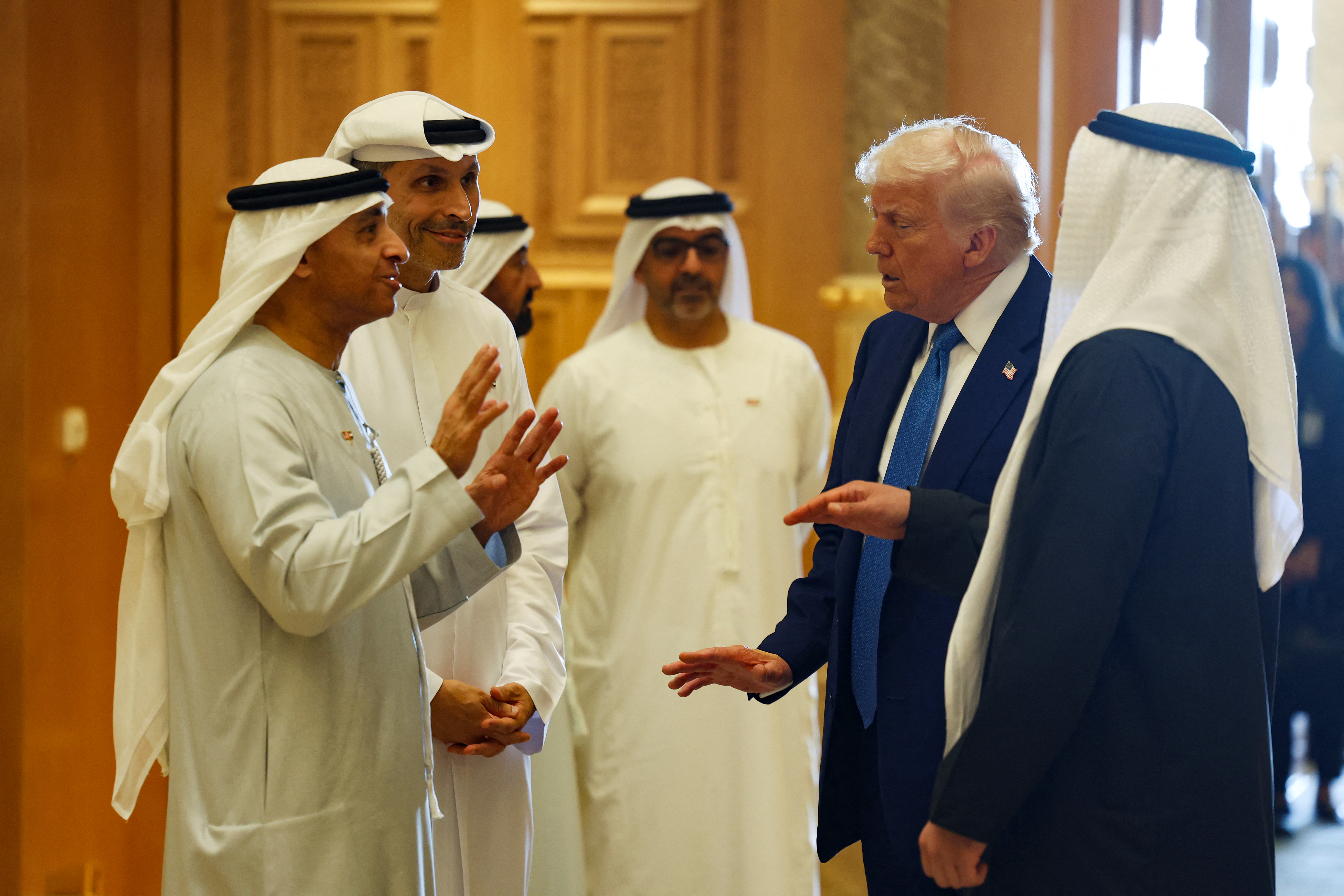
As Washington pressures Tehran, Gulf states weigh sanctions against the risk of escalation.
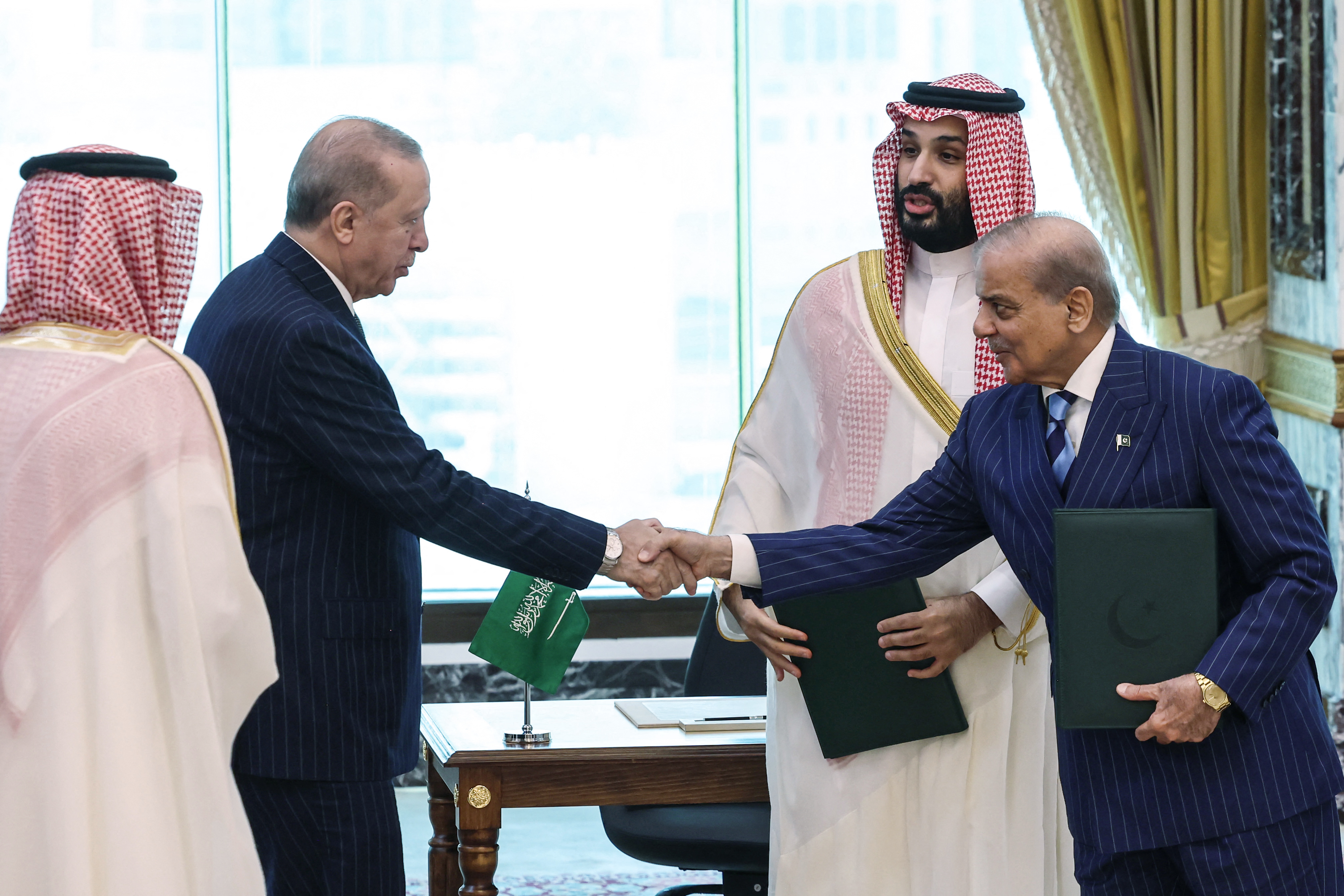
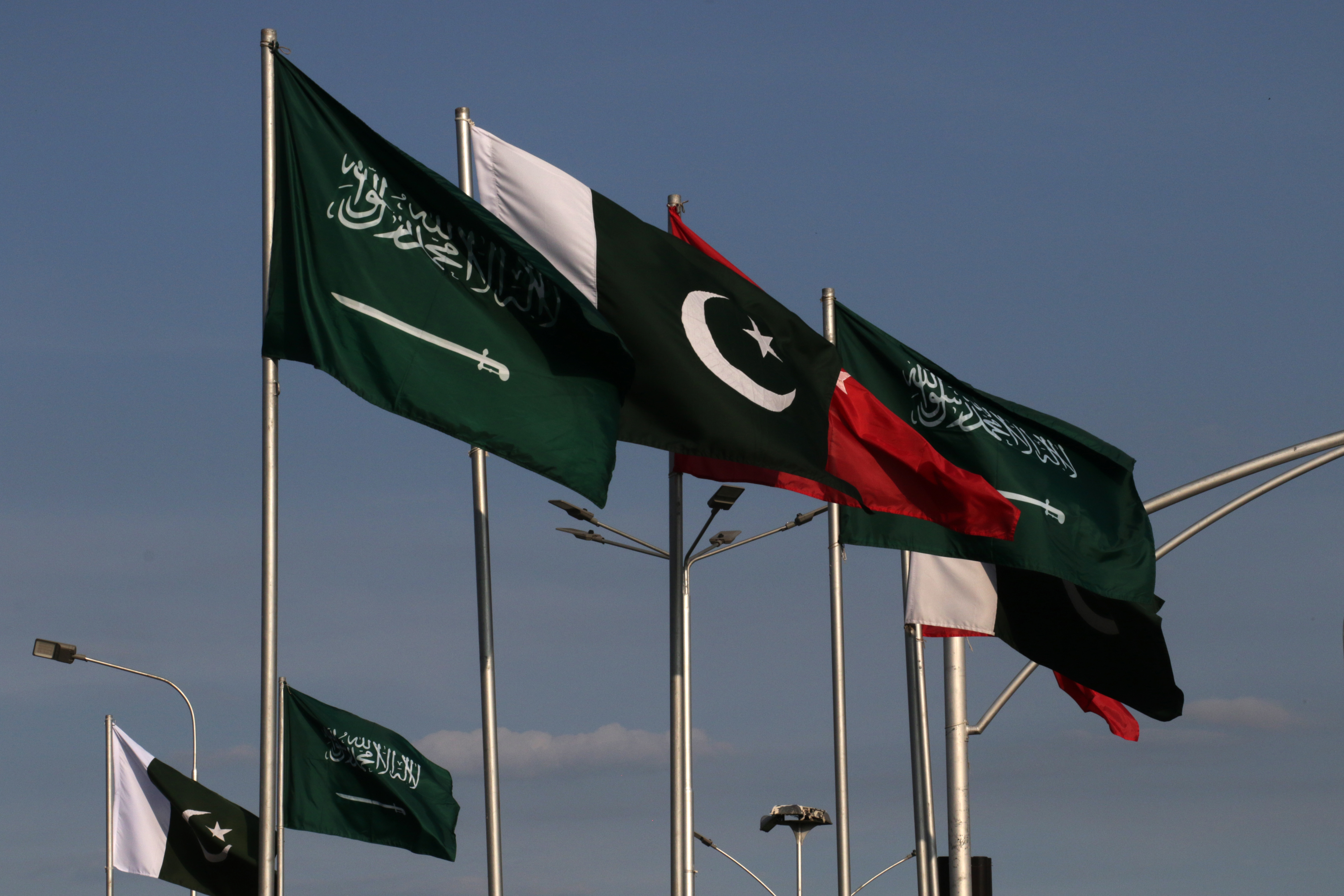
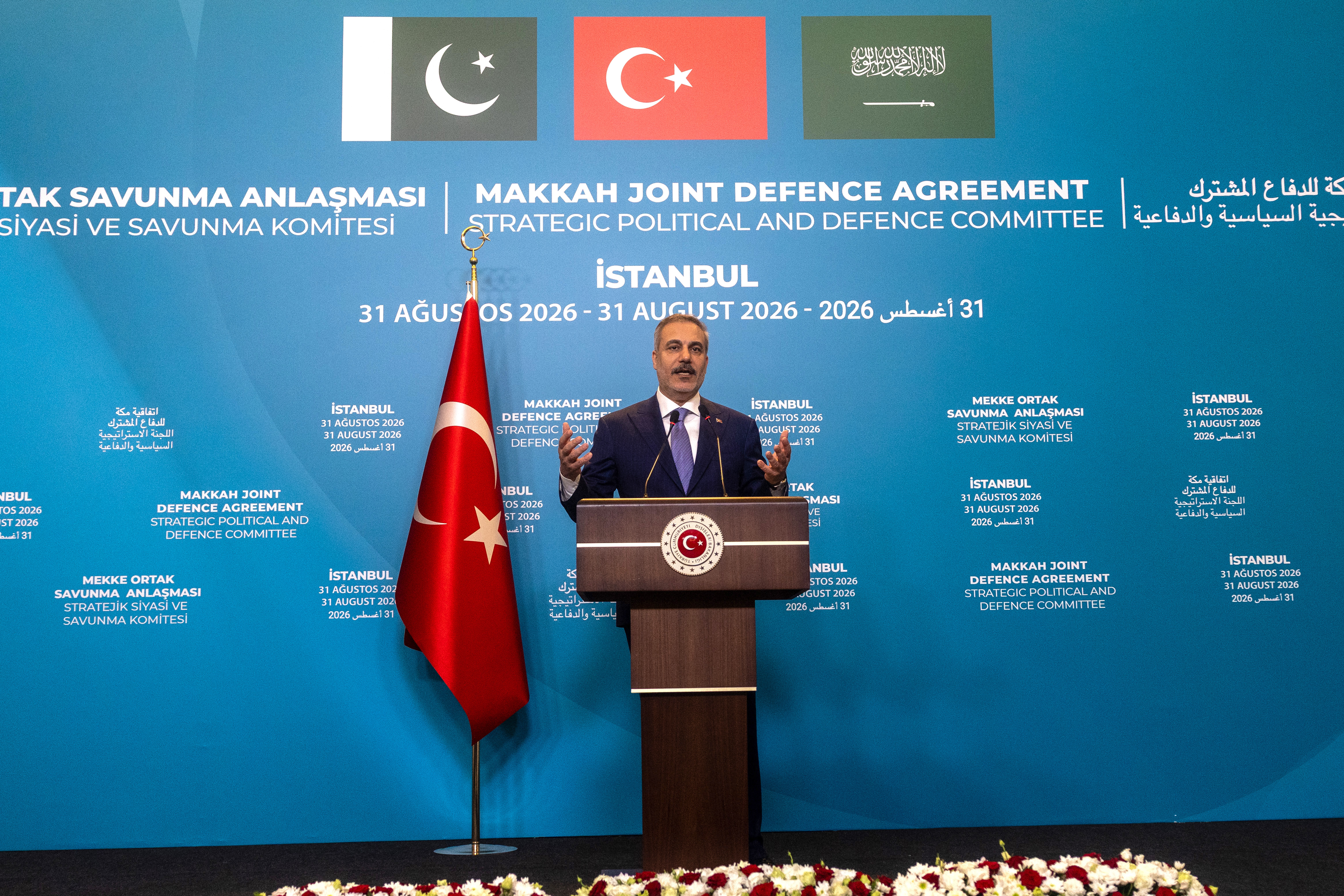
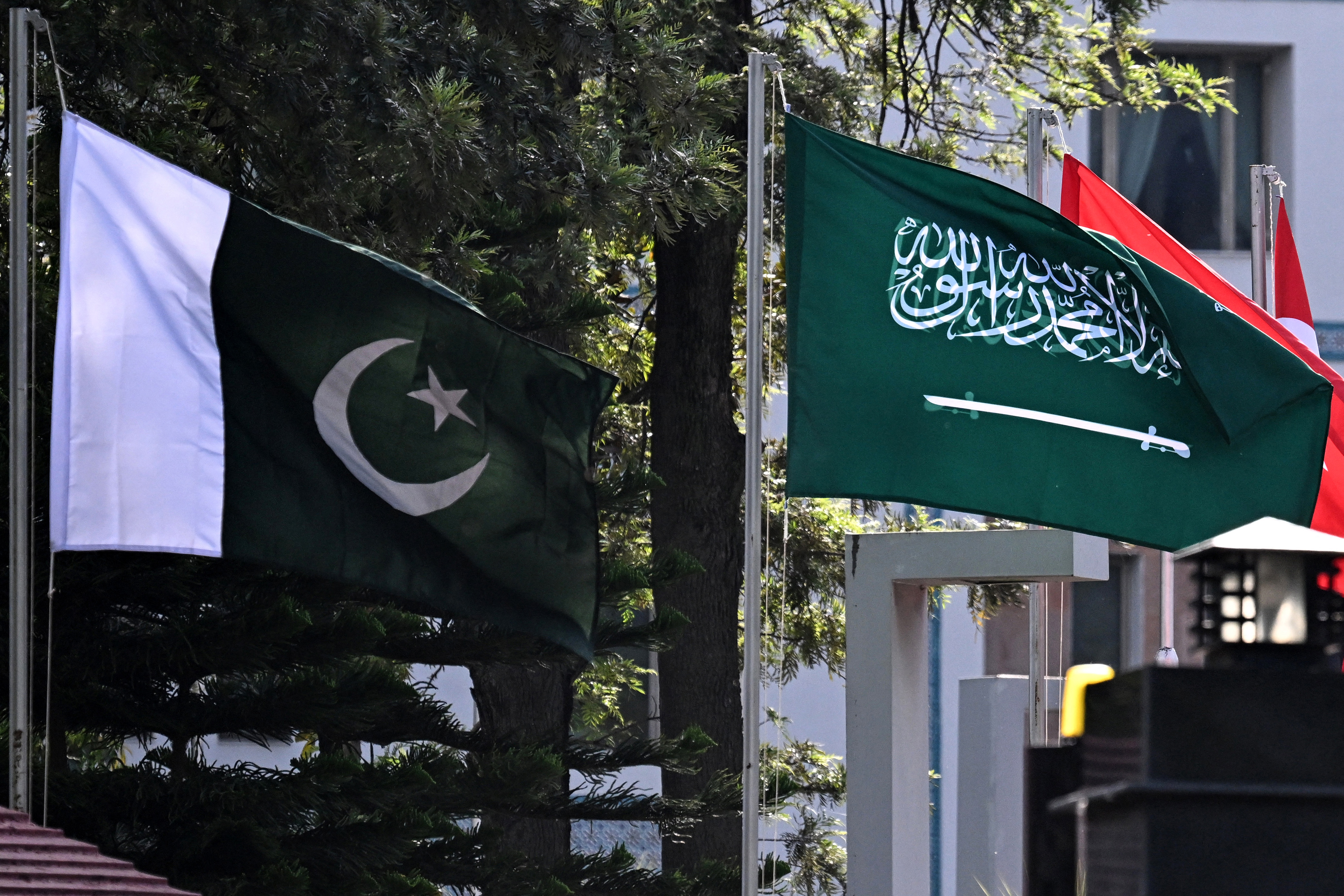
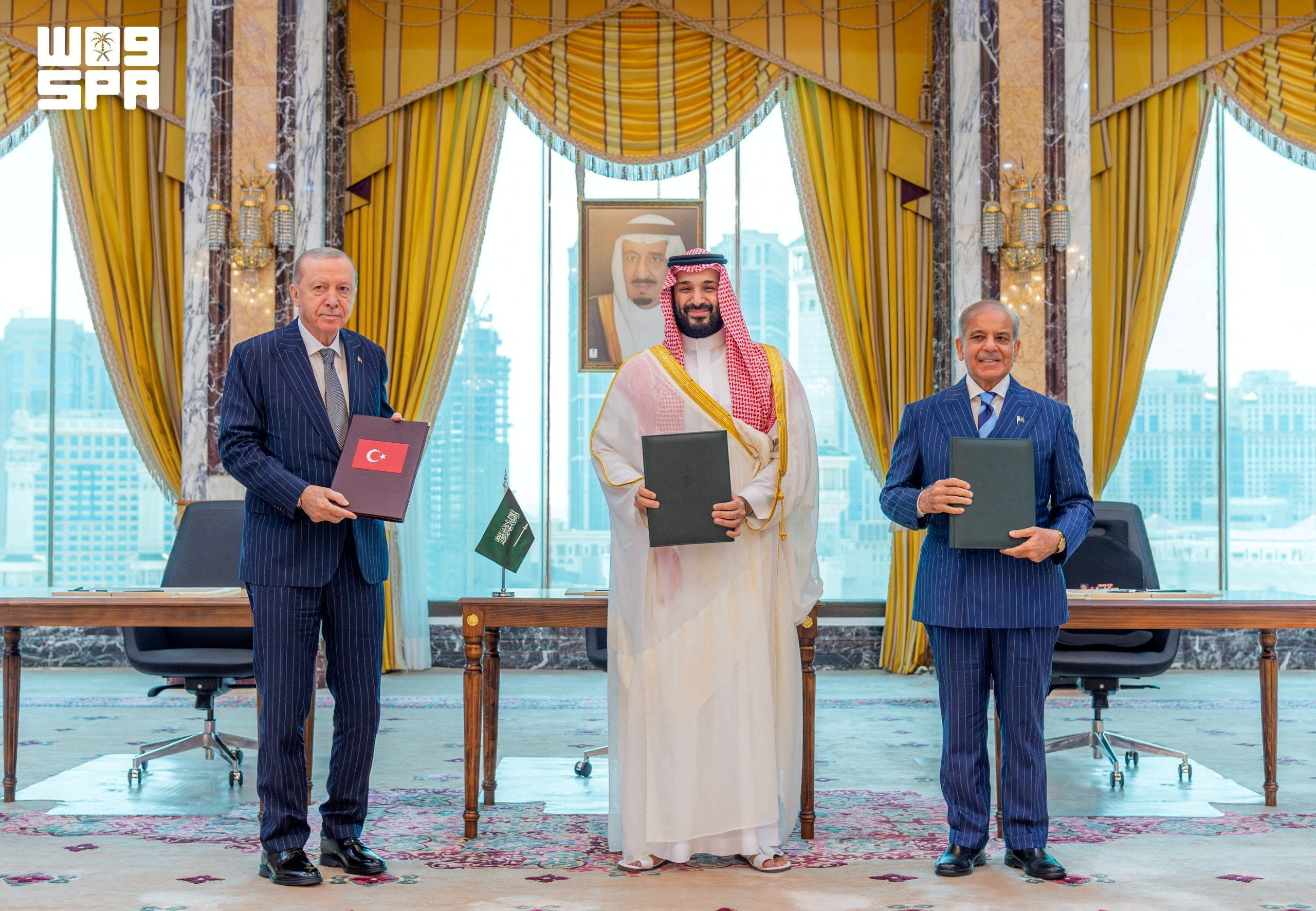
Three nations to group ministers, hold joint exercises and deepen defence industry cooperation under the pact.
While Egypt has been floated as a candidate, analysts say Cairo may be wary of defence commitments.

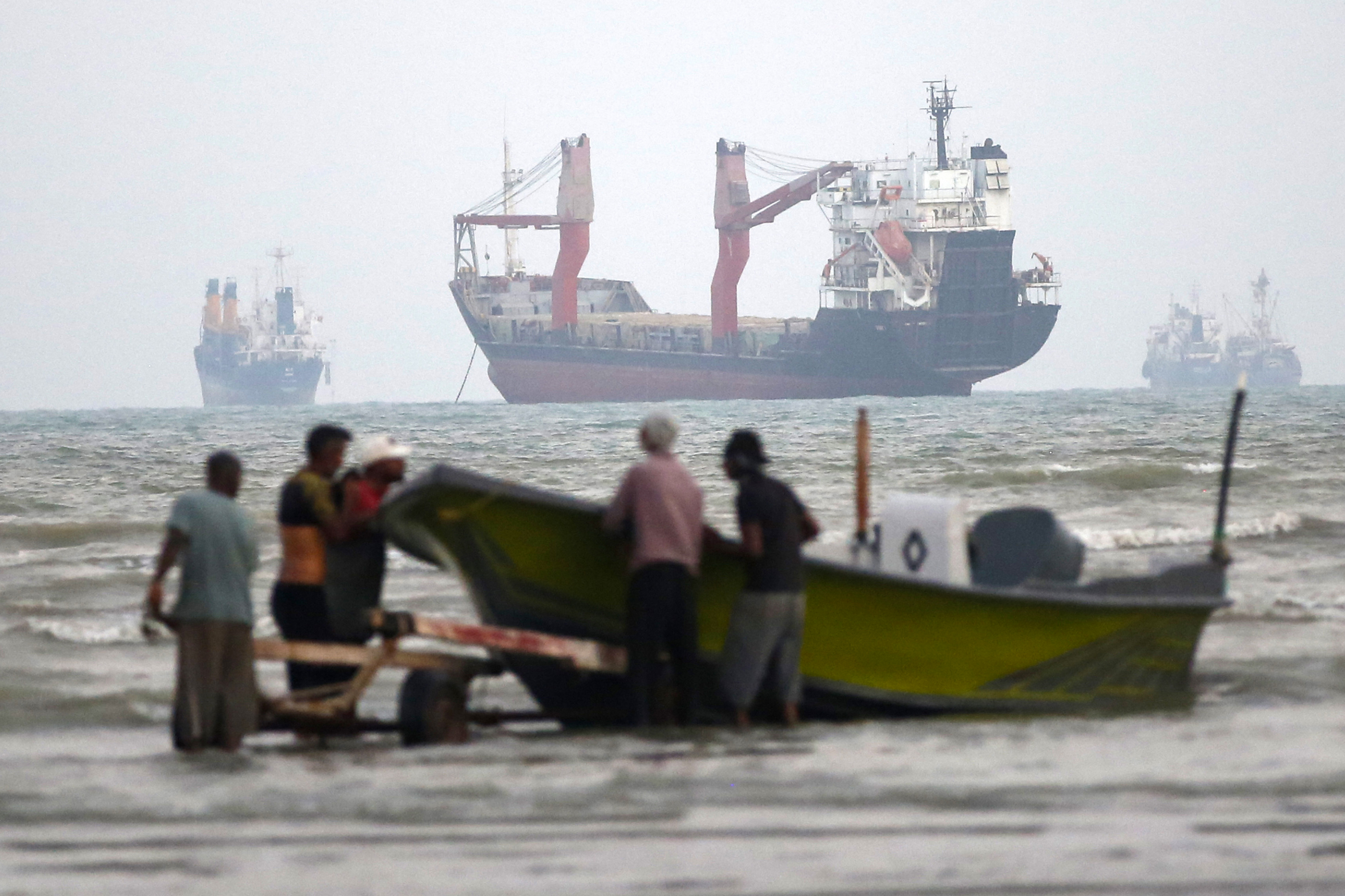
![Vessels in the Strait of Hormuz are visible near the beach of Bandar Abbas, Iran, August 27, 2026. [Majid Asgaripour/WANA via Reuters]](/wp-content/uploads/2026/08/2026-08-27T120148Z_420513837_RC2Q6NAS2W4I_RTRMADP_3_IRAN-CRISIS-HORMUZ-1787862980.jpg?resize=770%2C513&quality=80)