World heritage journeys through Türkiye
A glimpse into the past
Imagine stepping back in time, wandering through stories etched in stone, and uncovering the secrets of past civilisations - all in Türkiye, a vibrant tapestry of the world’s shared heritage. Join us as we explore some of the most awe-inspiring UNESCO World Heritage Sites, where each destination provides not only a glimpse into the past but also unforgettable experiences that make you feel like a true explorer.
DISCOVER THE CITY OF ETERNAL WONDERS
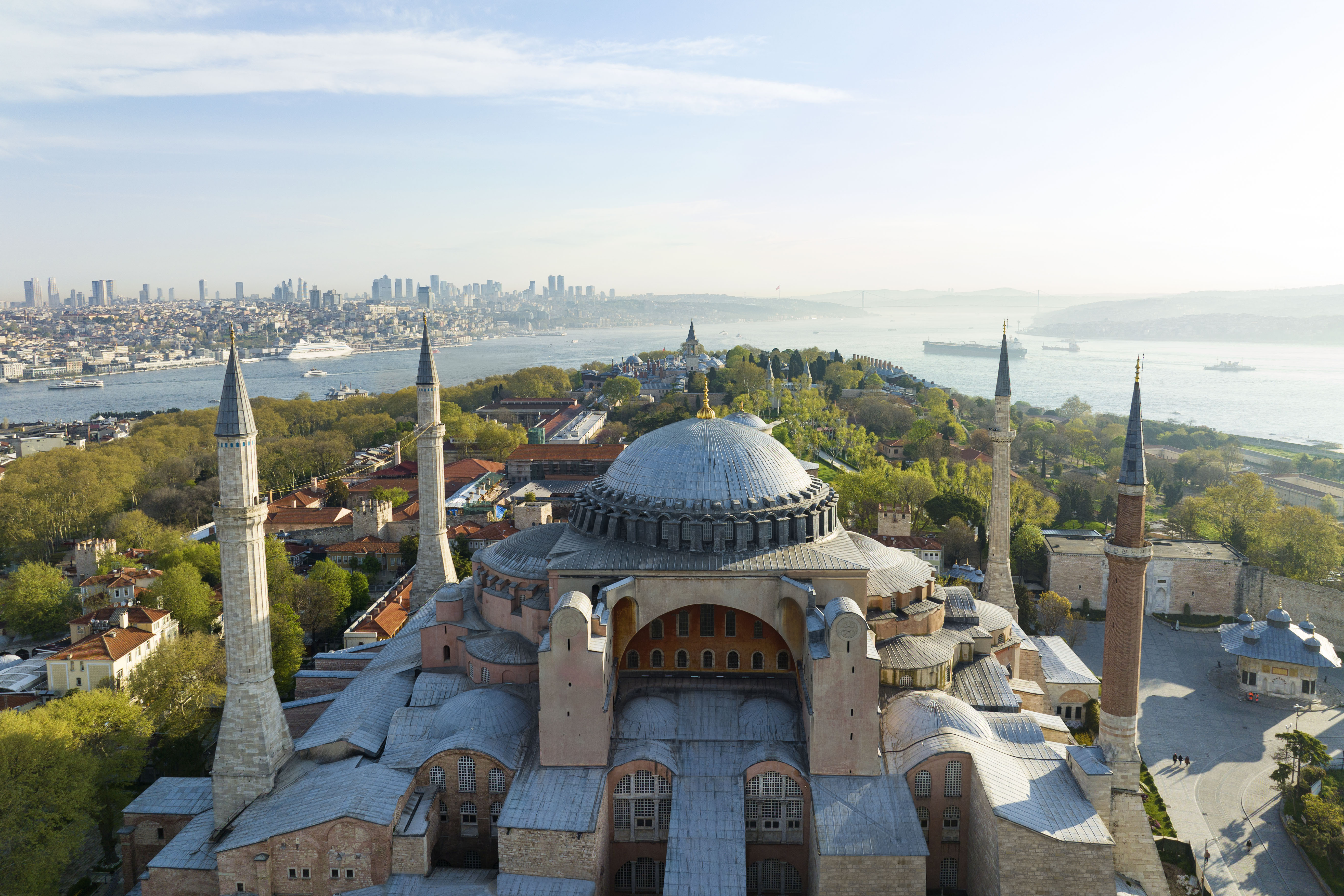
Picture the golden light of the Bosphorus glimmering on ancient city walls as the lively chatter of seagulls mingles with the hum of a bustling bazaar. In İstanbul, history is not just seen - it’s felt. To experience the Historic Areas of İstanbul at their best, venture to the many destination masterpieces on offer. Start your journey at the iconic 6th-century Hagia Sophia, meaning "Holy Wisdom”, then lose yourself in the echoes of horse chariots at Sultanahmet Square that once hosted the legendary Hippodrome of Constantinople. Next, observe the grandeur of the Ottoman Empire at the 15th-century Topkapı Palace, followed by an excursion through the cobblestone alleys of the Grand Bazaar.
👉 Local Tip: To witness İstanbul’s unparalleled style, stroll the fashion and design stores throughout the neighbourhoods of Nişantaşı and Galata. Then, cap off your day with a meal at one of the city’s recently honoured Michelin-starred restaurants.
TRACE THE OTTOMAN HERITAGE
A mere three-hour drive from İstanbul brings you to Bursa, a city that once stood as the Ottoman Empire’s first capital, established in the 14th century. Here, remarkable monuments await. As you wander through Bursa’s historic Silk Bazaar (Koza Han), the scent of roasted chestnuts fills the air, recalling a time when merchants traded both silk and memorable stories.
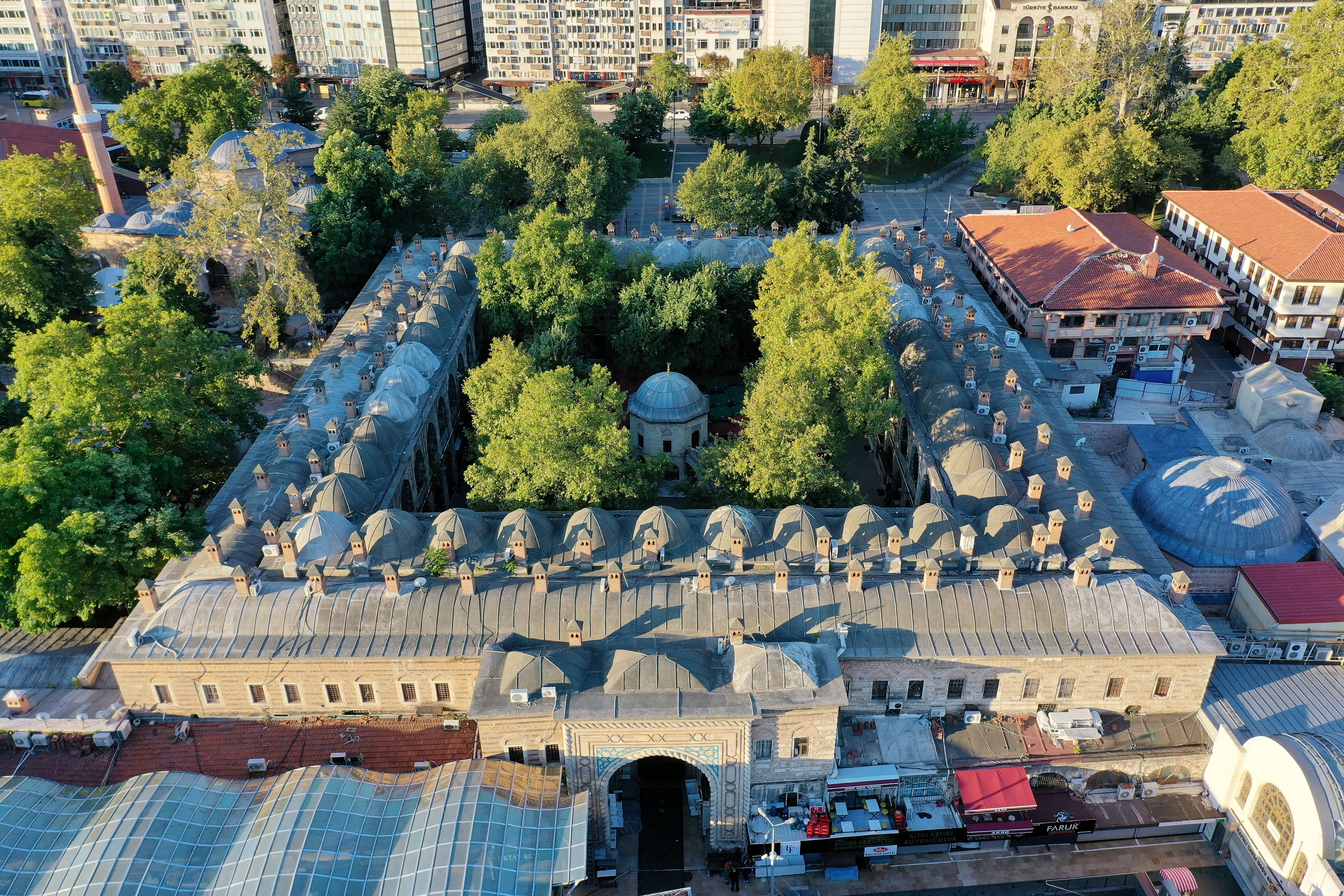
From the stunning octagonal dome of Yeşil Türbe (the Green Tomb), adorned with striking green tiles, to the serene resting places of Osman and Orhan, and the iconic Ulucami (Grand Mosque), the architectural forebear of all Ottoman mosques, this city quietly tells the story of the Ottoman dynasty's beginnings. Here, you can explore a unique artistic heritage, including the mesmerizing patterns of ebru, the Turkish art of marbling, and the captivating performances of Karagöz, the traditional shadow puppet theater - both recognised as Intangible Cultural Heritage by UNESCO.
After discovering Bursa, take a short drive to Cumalıkızık, a charming Ottoman village adorned with picturesque wooden houses. This quaint settlement offers an authentic portray of village life near the first Ottoman capital, as it would have appeared in the 14th century.
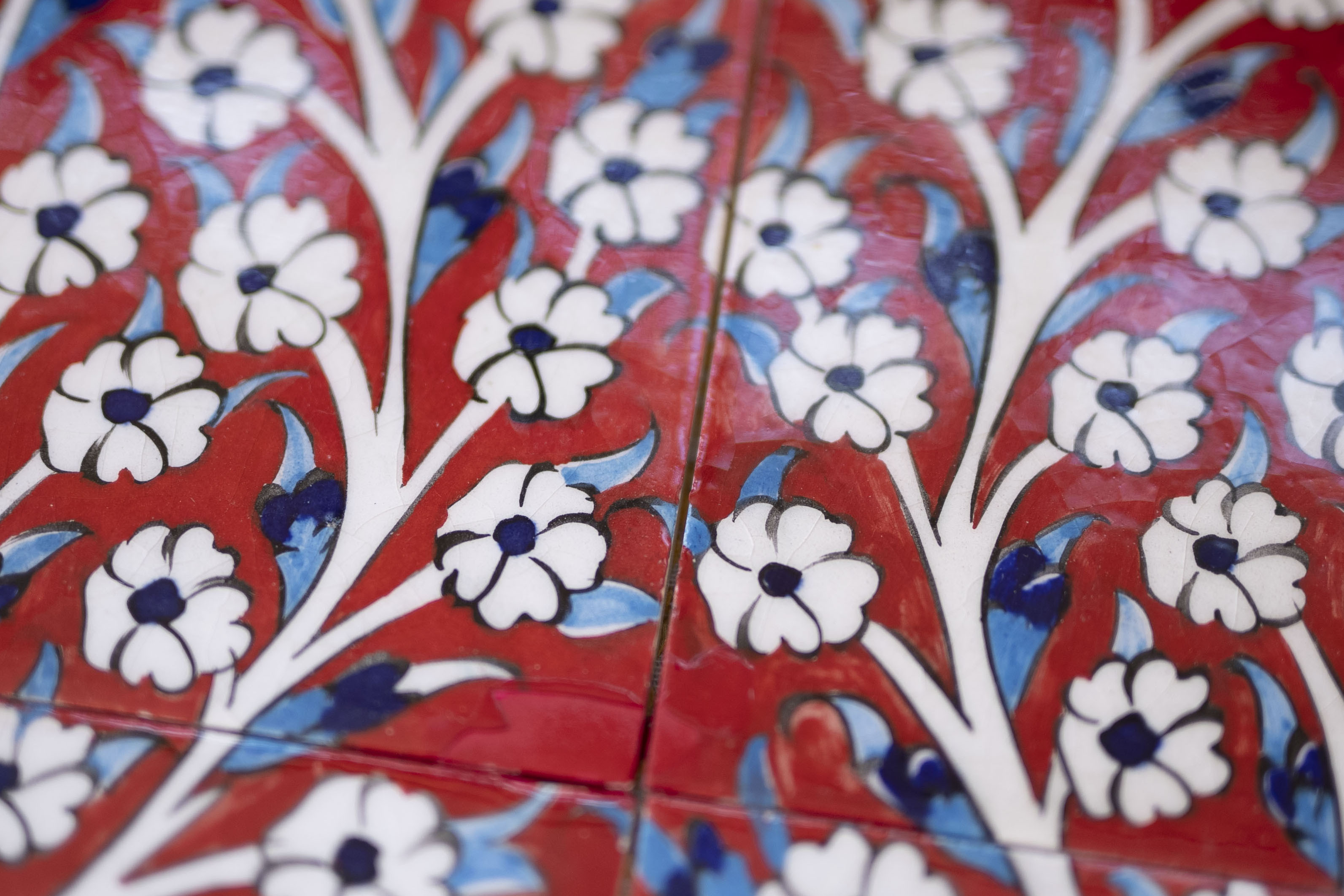
👉 Local Tip: Do not leave Bursa without savoring İskender kebap - dripping with melted butter and tangy yogurt, it’s a feast fit for a sultan. For unique souvenirs, explore İznik’s exquisite tiles, crafted in this historic lakeside town just 80km (50 miles) from Bursa. A Cittaslow and part of the European Route of Ceramics, İznik offers a charming day trip steeped in artistry and history.
ROAM THE SPLENDOR OF THE AEGEAN
No visit to Türkiye would be complete without a journey to its celebrated south. Here, sun-soaked beaches and pristine turquoise bays nestle beneath pine-clad hills, while some of the country's most picturesque seaside villages and resorts honor a truly laid-back way of life. And what better way to discover the delights of Türkiye’s Aegean coast than by ticking off a few more UNESCO World Heritage Sites from your bucket list?
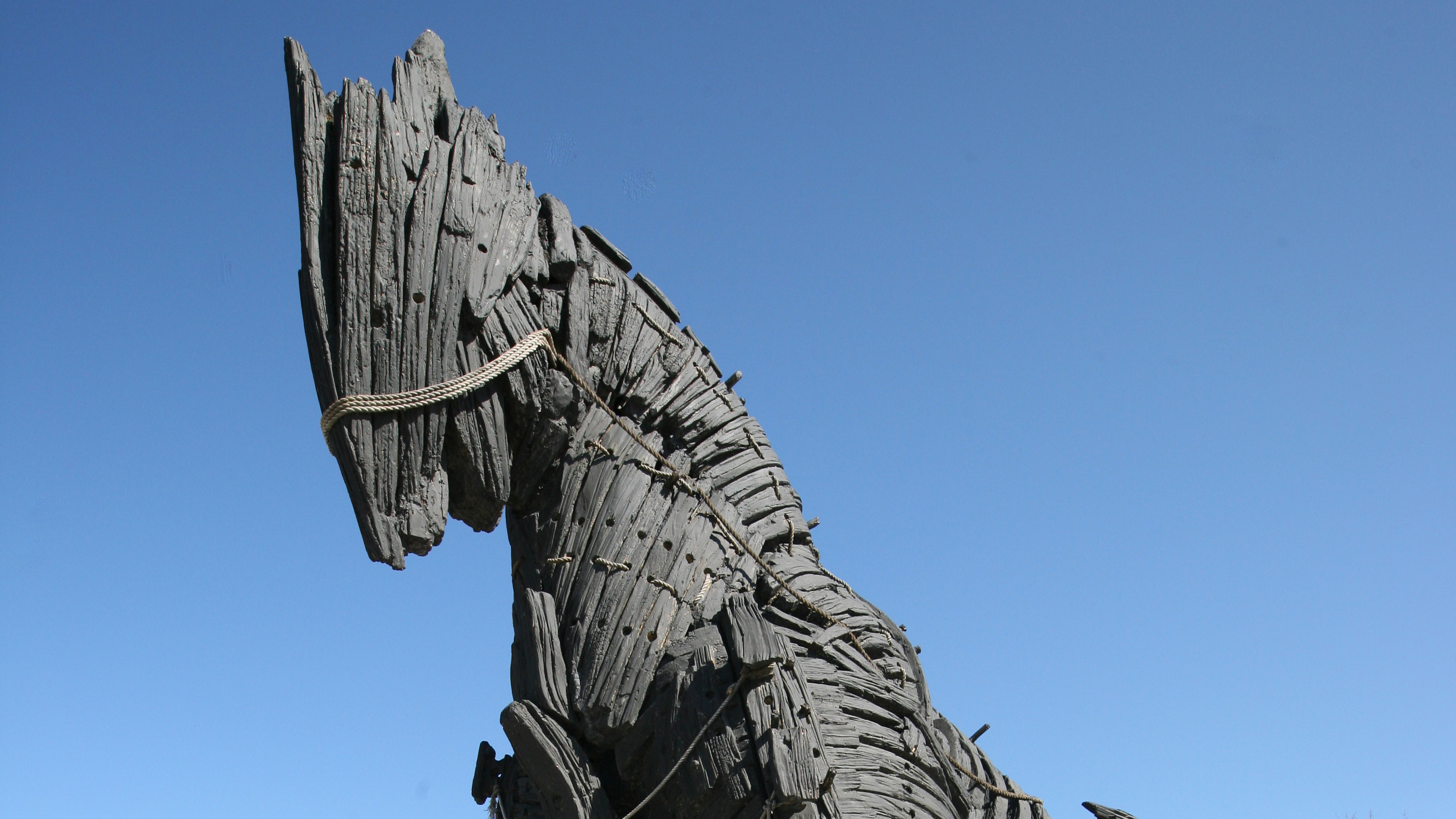
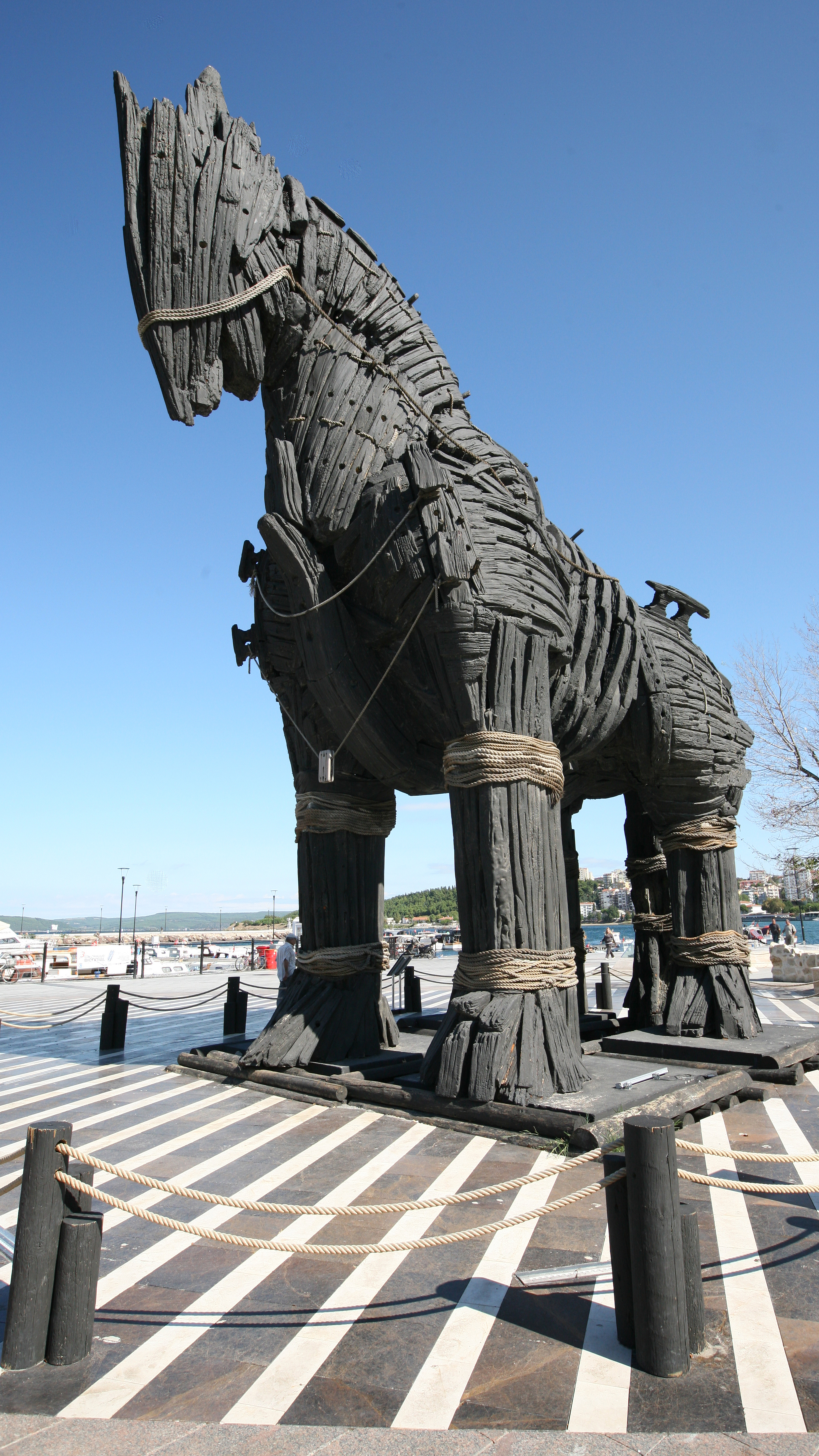
Begin your journey in Troy, discovered just 30km (19 miles) southwest of Çanakkale, where the echoes of Homer’s Iliad come alive among the ancient ruins. The sleek on-site Troy Museum here showcases the city’s 5,000-year history, with modern exhibits that bring the Bronze Age to life through captivating artefacts depicting daily life in ancient Troy. Strolling along the Çanakkale waterfront, you’ll find the wooden Trojan Horse used as a prop in the eponymous Hollywood movie - a symbol of the epic siege of Troy, ignited by the legendary love between Helen and Paris.
A bit further south, near present-day İzmir, more spectacles await. The Çeşme Peninsula draws Turkish holidaymakers and food lovers to its charming towns and their assortment of beach clubs, surf centres, Michelin-starred restaurants, and wineries. Meanwhile, Pergamum and Ephesus will captivate history buffs and adventure seekers galore.
In Pergamum, a cable car ride takes you to the dramatic hilltop acropolis, where the Library of Pergamum once rivalled the Great Library of Alexandria in Egypt with a collection of more than 200,000 volumes. The Sanctuary of Asclepius, nestled in a quiet valley nearby, was also one of the most important healing centres of the ancient world. Here, patients were treated with curative spring water baths, cleansing diets, and celestial cures communicated to them in their dreams by Asclepius, the god of healing.
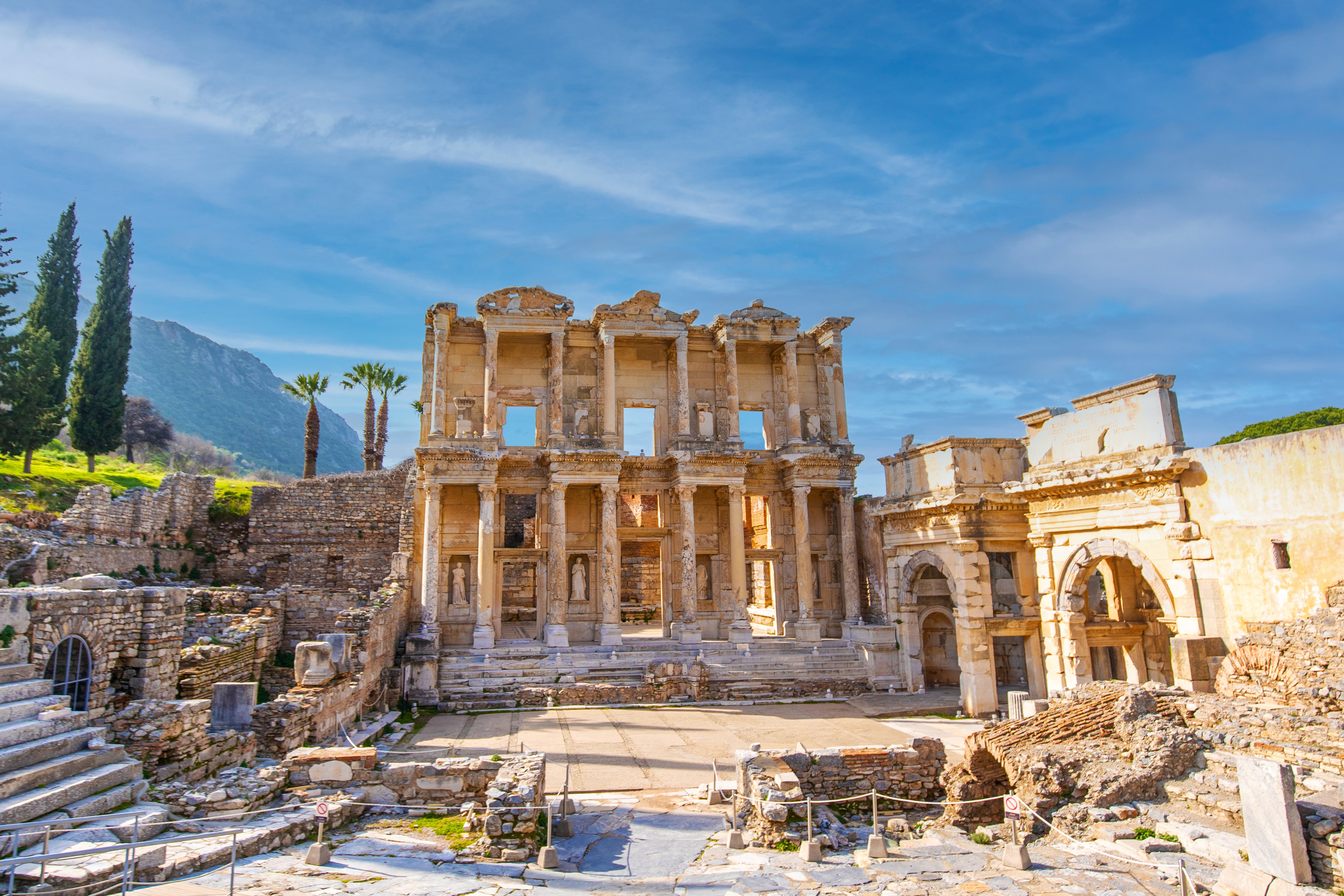
Ephesus, on the other hand, offers a rare glimpse into an ancient metropolis that flourished under Roman rule. Here, marble streets open onto the Library of Celsus and the Great Theatre, while the remains of a terrace villa reveal the opulent lifestyle of its residents with its stunning mosaics and wall paintings. The Temple of Artemis, one of the Seven Wonders of the World, once made the city very famous and attracted pilgrims from all around the Mediterranean. Today, this spirit of pilgrimage continues at the nearby Virgin Mary House, believed to be the last residence of the Virgin Mary. Surrounded by a serene atmosphere, visitors can drink from the spring beneath the house, thought to have healing properties, and leave their wishes on the wall outside by tying ribbons.
👉 Local Tip: While in Çanakkale, savour the local peynir helvası (cheese halva), a true taste of the regional cuisine. Then head south to explore Assos, an ancient town now a popular seaside resort. Nearby, Kazdağı (Ida) Mountain, the site of the legendary beauty contest that triggered the Trojan War, is now a national park waiting to be discovered. After exploring Ephesus, cool off with a glass of locally crafted wine in Şirince, a storybook mountain village famous for its boutique vineyards.
TRAVERSE THE ANATOLIAN HEARTLAND
As you journey inland from the Aegean coast to Central Anatolia, a breathtaking new terrain emerges - one marked by natural volcanic formations and marvels of antiquity. Cappadocia is the most heralded of these majestic lands. Here, you can rise with the sun and soar over the otherworldly landscape on one of the location’s famed hot air balloon adventures. Furthermore, beneath Cappadocia’s surface lies a maze of underground cities once used as refuges, while above ground, fairy chimneys await alongside 10th- and 11th-century rock-hewn churches adorned with vivid frescoes. Designated a UNESCO World Heritage Site in 1985, the Göreme Valley and the Rock Sites of Cappadocia continue to bestow visitors with the experience of a lifetime.
👉 Local Tip: Indulge in a luxury cave hotel in Ürgüp, Uçhisar, or Göreme and enjoy a traditional Turkish breakfast with stunning valley views. For a taste of local life, take a pottery workshop in nearby Avanos, a member of the European Route of Ceramics, where artisans have shaped clay from the Kızılırmak River for millennia. Cappadocia's volcanic soil also cultivates the renowned grape variety Emir, which local wineries transform into exceptional white wines.


EXPLORE THE SOUTHEASTERN PROVINCES
Before Göbeklitepe was discovered near Şanlıurfa in 1995, it was believed that only advanced, agriculture-based civilizations could build monumental edifices. Göbeklitepe challenged that idea. Step into the world’s oldest ceremonial complex, a 12,000-year-old marvel that predates the Egyptian Pyramids and Stonehenge by millennia. The site further rewrites human history, showcasing huge T-shaped pillars that tell the story of humanity’s first steps toward agriculture before the advent of metal tools or domesticated animals.
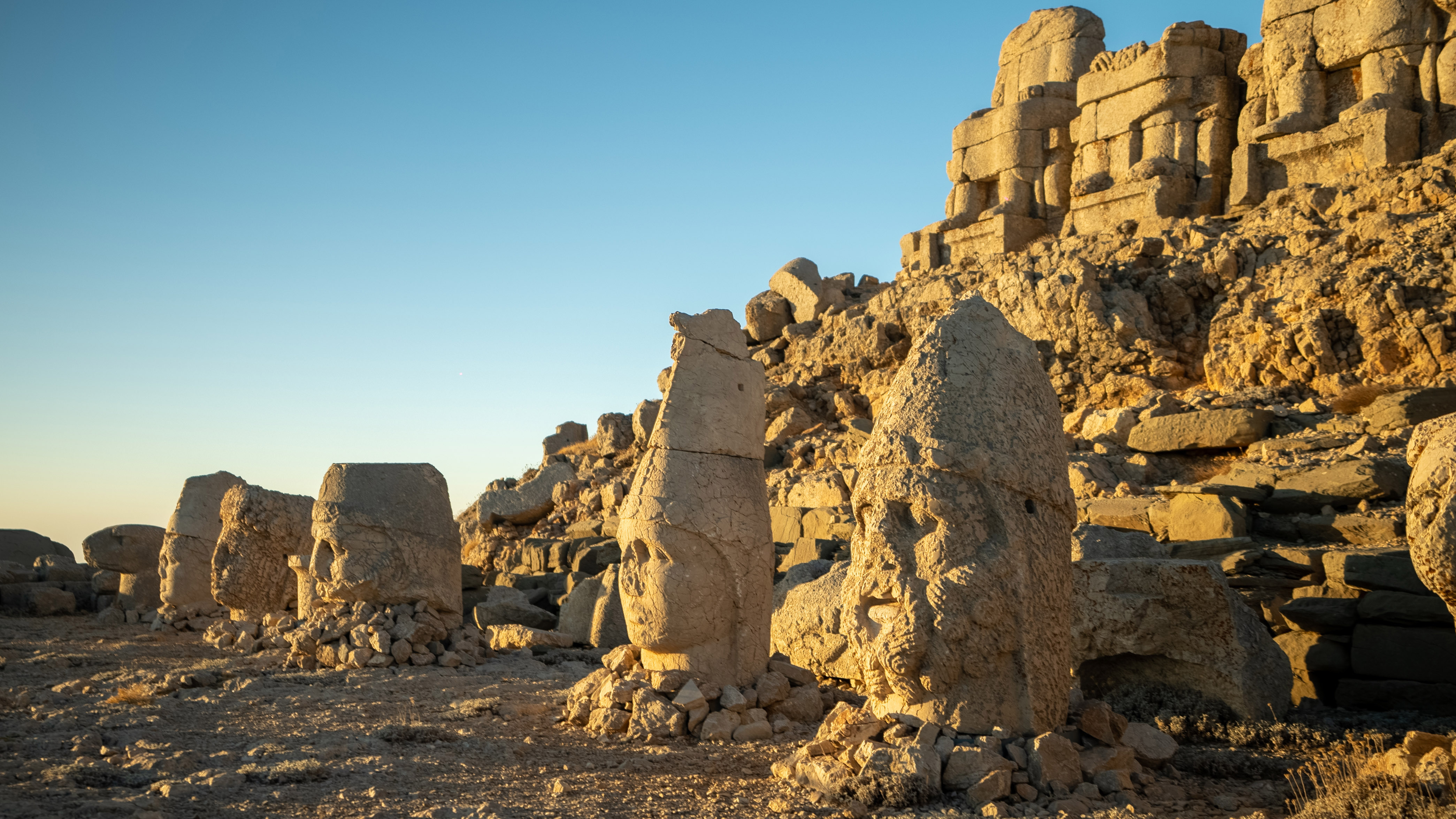
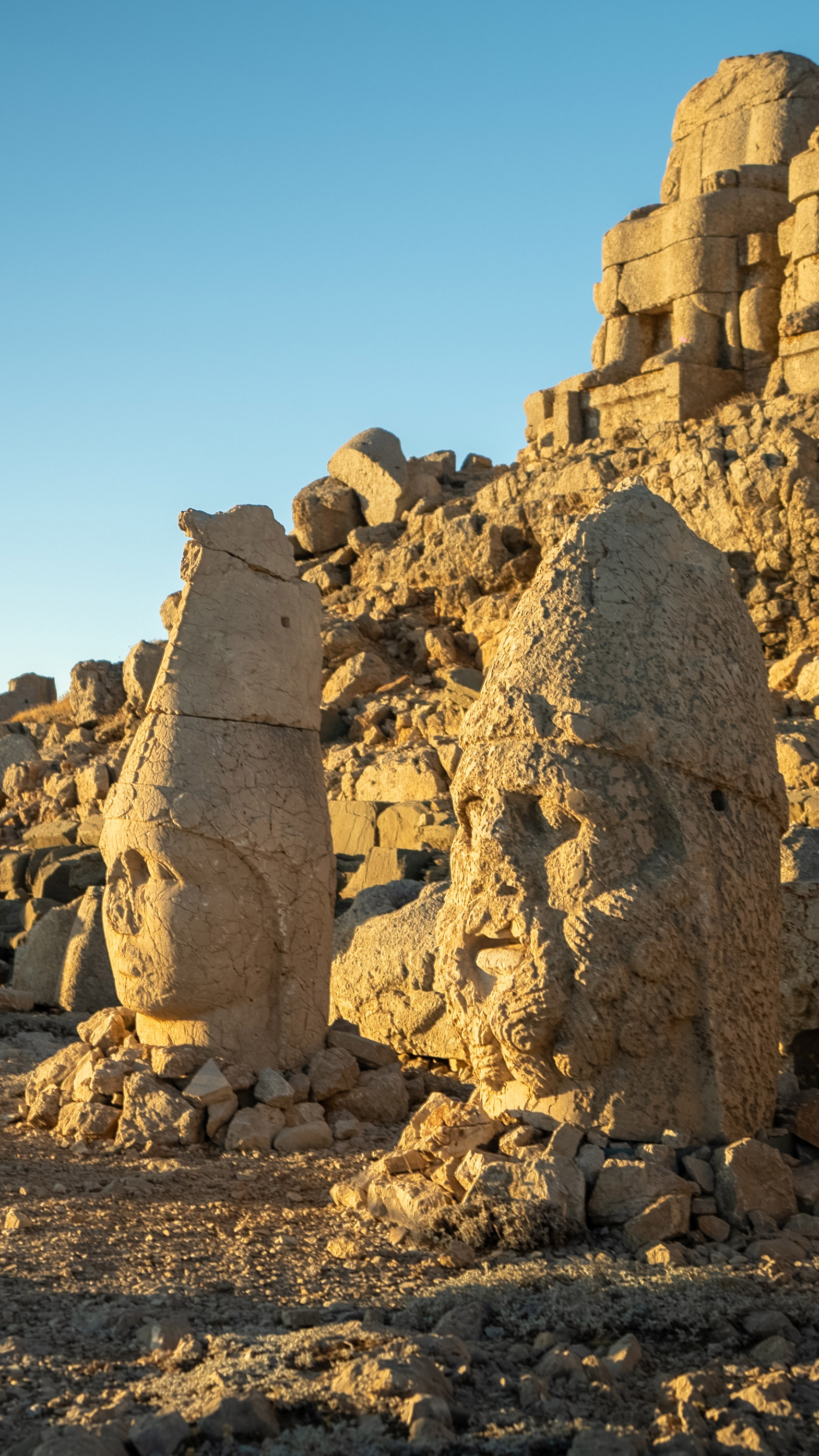
A hike up Mount Nemrut is another essential part of any journey through Türkiye's storied past. After a 1.5-hour drive from Şanlıurfa and a scenic 1-2 hour walk along earthen paths, you’ll reach the summit where the monumental burial mound of King Antiochus I of Commagene resides. This mystical pyramidal structure, dating back to the 1st century BCE, has been sealed for ages - untouched by archaeologists and unspoiled by curious throngs. Surrounding the mound, colossal stone heads of gods and guardians gaze out over the Anatolian plateau. Indeed, the mountaintop painted in the fiery hues of the sunrise is an unforgettable reward for the journey to this ancient royal sanctuary.
👉 Local Tip: Pair your Göbeklitepe visit with a taste of Şanlıurfa’s famous kebaps, and end the day with a traditional night of music and storytelling at a local sıra gecesi gathering, also designated as an Intangible Cultural Heritage by UNESCO. On your way down from Mount Nemrut, stop at the village of Kahta to savour honey from the high plateaus of Adıyaman and explore local handicrafts, perfect souvenirs from this mystical region.
SIX MORE TREASURES TO UNCOVER
Aphrodisias Sculptures
If you were a wealthy Roman citizen living between the 1st and 5th centuries CE and looking to commission an elegant marble sculpture for your villa, you would likely engage the touted sculptors of Aphrodisias.
An Ancient Spa Town
Relax in the therapeutic waters of Hierapolis, a second-century spa town still active today. Then, marvel at the iconic travertines of Pamukkale, where cascading hot springs form a stunning series of white, cloud-like pools along the cliffside.
Safranbolu Houses
Spend a night in a restored timber-framed mansion in Safranbolu, now transformed into charming boutique hotels. With creaky wooden floors, intricately carved ceilings, and traditional cupboard bathrooms, your stay whisks you on a journey back in time.
An 8000-Year-Old Mother Goddess
Çatalhöyük, the groundbreaking Neolithic settlement that redefined early urban living, is also celebrated for its female figurines. These captivating artefacts likely symbolised the Mother Goddess of Fertility.
The World’s First Peace Treaty
The Hittites, who ruled a vast empire with Hattusha as their capital, are lauded for the Kadesh Treaty, history’s first peace agreement, which was signed with the Egyptians, carved into clay tablets and is now housed at the İstanbul Archaeological Museums.
Sardis and Bin Tepe: Where Civilisations Leave Their Mark
Sardis (Sardes) stands in the fertile Hermus Valley of western Türkiye, near the modern town of Salihli in Manisa Province, as one of Anatolia’s most remarkable archaeological landscapes.

