A pardon for a price?
How United States President Donald Trump has reimagined clemency
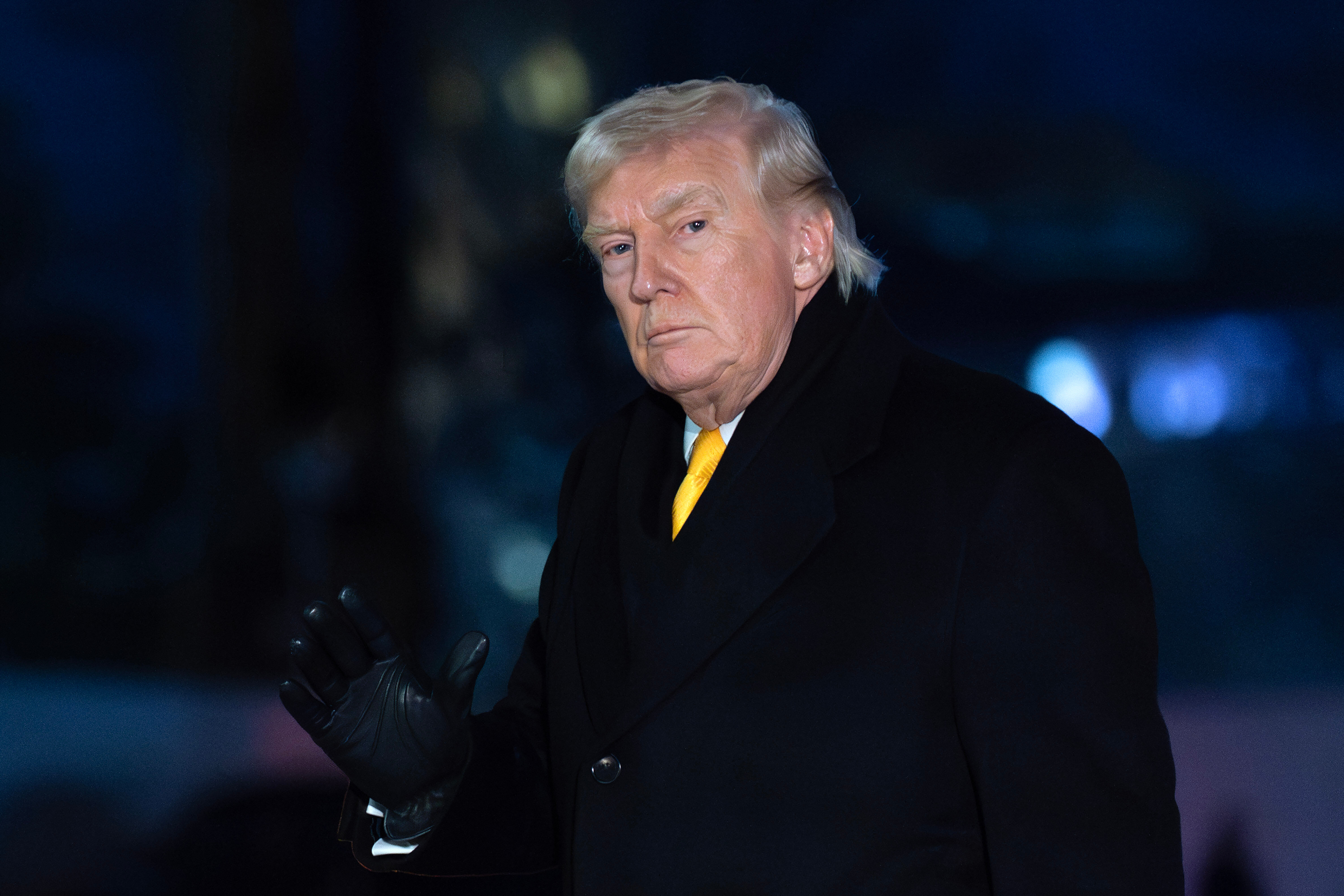

Cryptocurrency billionaires. Disgraced politicians. Reality TV stars. And hundreds of political allies.
Since taking office for a second term, United States President Donald Trump has issued more than 1,840 acts of clemency to a range of personalities.
Presidents have long stirred controversy in their choices of people to pardon. But experts argue that the way Trump has exercised his clemency power violates rules and norms in place for more than a century.
Now, they warn that pardons and commutations have become transactional, with Trump using them to reward those loyal to his agenda.
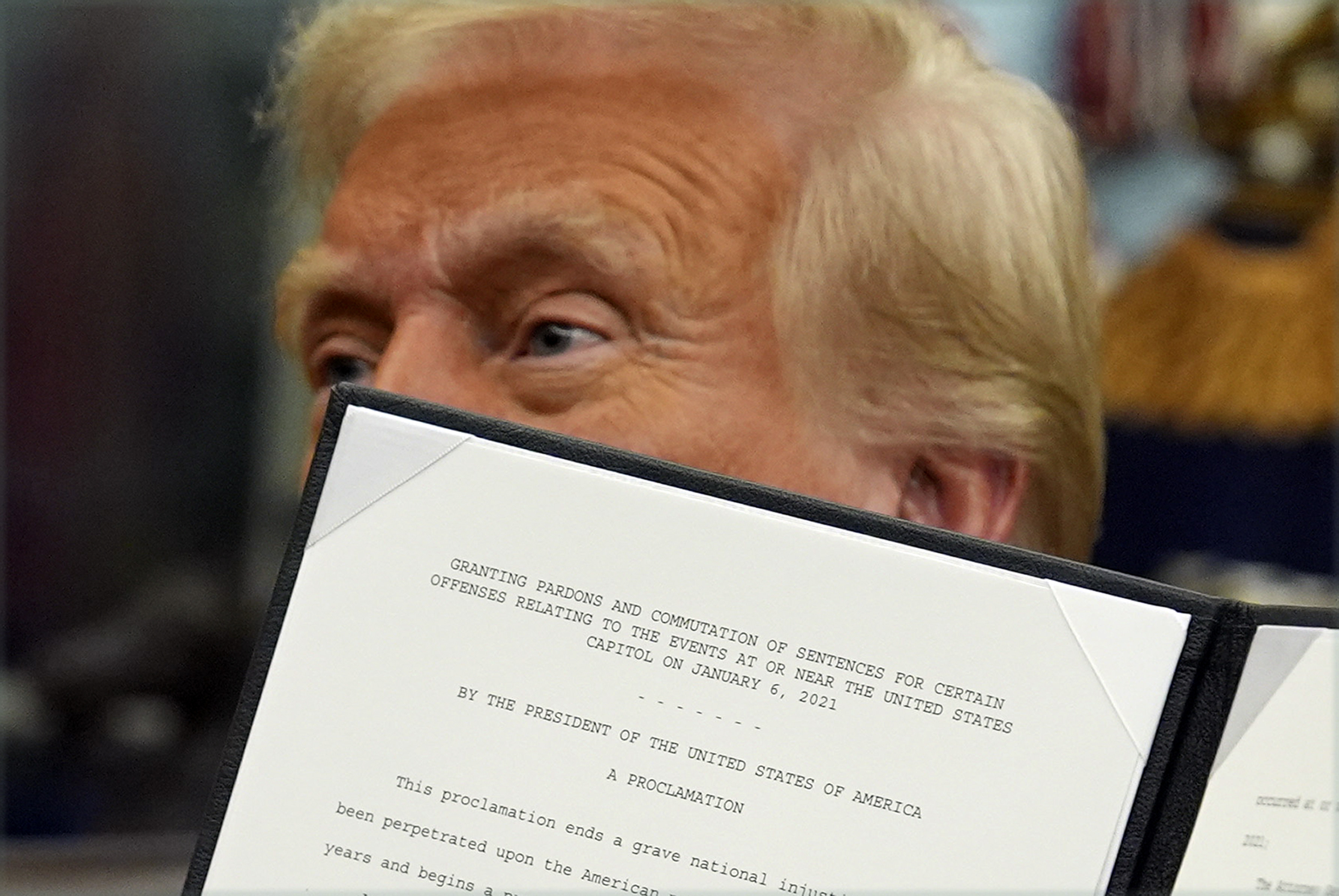
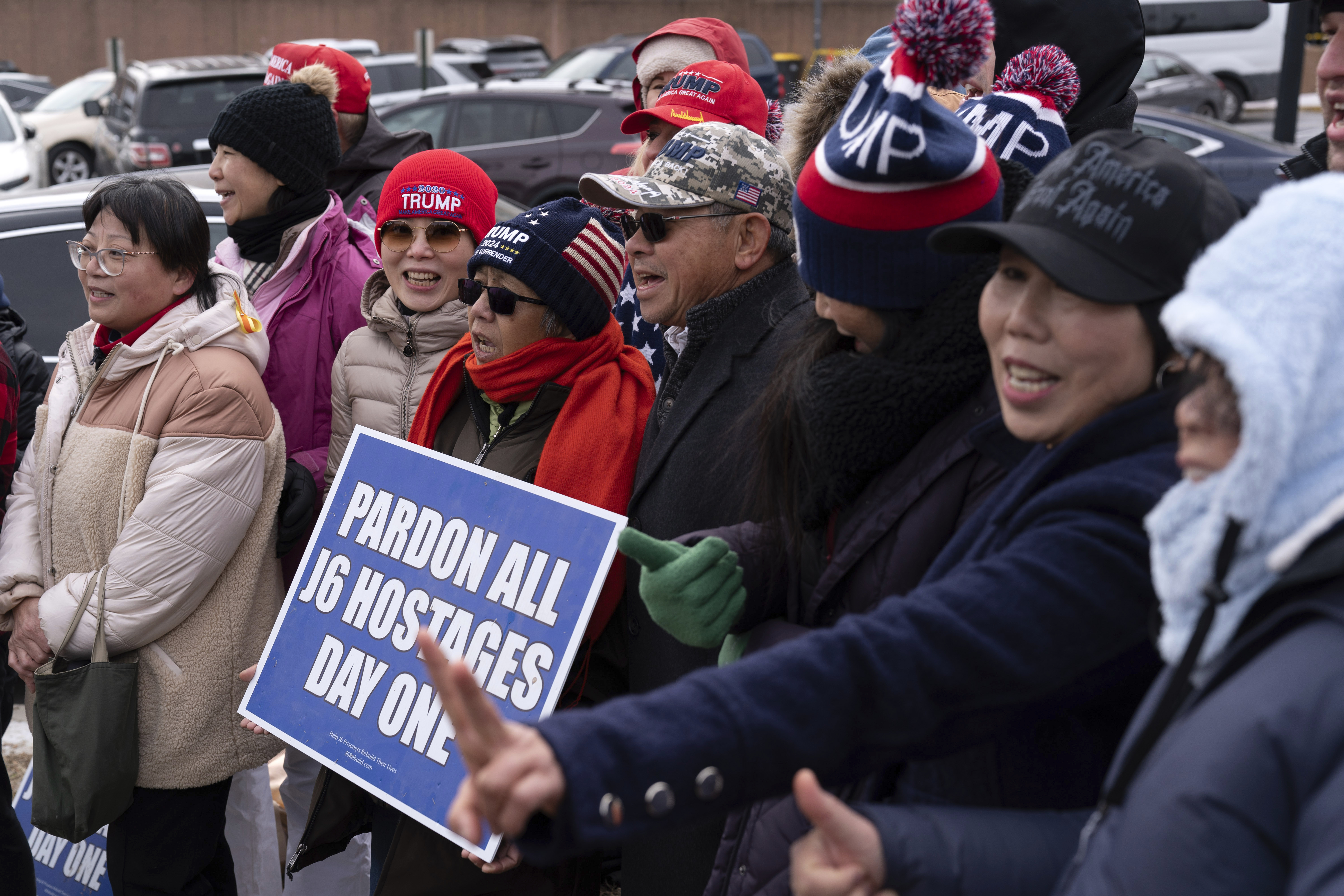
Some beneficiaries have been supporters of his "Make America Great Again" (MAGA) movement, including the hundreds of rioters who attacked the US Capitol on January 6, 2021.
But a significant number have also been wealthy power brokers, according to Mark Osler, a law professor at the University of St Thomas in Minnesota.
That trend risks excluding those most vulnerable within the justice system.
“While what he’s done is certainly unfair and sometimes shocking, what he’s not doing as he’s using the clemency power is important, too,” Osler said.
"He’s not granting petitions to people who aren’t famous or powerful."
Experts say those decisions are a reflection of the increasing control Trump has exerted over the pardon process, narrowing its focus to those within his orbit.
How the 'wheels came off'
The origins of the presidential clemency stretch back to the US's revolutionary era.
One of the country's "Founding Fathers", Alexander Hamilton, is credited with having introduced the idea of executive pardons, and it ended up enshrined in the US Constitution.
Presidents can offer two types of clemency. The first, the act of pardoning, forgives a defendant of their federal charges and restores their civil liberties.
The second, commutation, reduces a person's punishment without addressing the conviction.
Critiques of the clemency system were voluminous well before Trump ever set foot in the White House. Prior presidents have been accused of abusing it — or even underusing it.
Osler said that part of the problem lies with the fact that presidents are rarely obliged to address their approach to clemency.
The last time the issue was raised in a presidential debate was in 1976 between President Gerald Ford and his challenger, Jimmy Carter.
But Margaret Love, who served as the US government's pardon attorney from 1990 to 1997, argues that the "wheels came off" starting under President Bill Clinton.
Love began her tenure under Republican George HW Bush and continued to serve under Clinton. Up to that point, she said the pardon process "was really pretty regular and low-key".
During the Clinton years, however, Love observed the number of pardons dwindle. Department of Justice leaders seemed uninterested in forwarding clemency recommendations to the White House.
She believes the motive was partly political: Clinton, a Democrat, did not want to be seen as lax on crime.
That changed, however, towards the end of Clinton's presidency. On January 20, 2001 — his final day in office — Clinton unveiled a pile of 177 pardons and commutations.
One of the recipients was Marc Rich, a financier on the run from tax evasion and racketeering charges.
Rich's ex-wife had been a donor to First Lady Hillary Clinton's Senate campaign and to the Clinton presidential library. His pardon sparked a scandal, as well as accusations of self-dealing.
Who decides who to pardon?
Ordinarily, the Justice Department would play a key role in processing clemency petitions and forwarding recommendations to the president. That has been the case for nearly a century.
The Office of the Pardon Attorney usually filters through a variety of clemency requests, and agents with the Federal Bureau of Investigation (FBI) often run background checks, to ensure a candidate's suitability.
The president then serves as the final arbiter for each application. Love admits the process was never perfect, but it did allow for a variety of claims to be considered.
“It’s a bit of a lottery, but that’s the nature of the power,” Love explained.
But Love believes the Clinton years helped set in motion a system where the Justice Department's role in clemency has become diminished — or nearly nonexistent.
Meanwhile, presidential authority over the process has grown. Under Trump, it has become unclear to what extent the Justice Department is involved in clemency petitions at all.
The Department of Justice did not return a request for comment for this article.
In response to questions from Al Jazeera, the White House pointed to remarks the press secretary, Karoline Leavitt, delivered at a November news briefing.
Leavitt assured journalists that Trump has a “whole team of qualified lawyers” who review pardon requests before they land on the president's desk.
She added that reversing decisions made under Trump's predecessor, Democrat Joe Biden, was a primary concern in the clemency process.
“He’s the ultimate, final decision-maker,” Leavitt said of Trump. “And he was very clear when he came into office that he was most interested in looking at pardoning individuals who were abused and used by the Biden Department of Justice.”
The inner circle
Inside the White House, NBC News reported that Chief of Staff Susie Wiles and White House Counsel David Warrington — members of Trump's inner circle — have taken a leading role in overseeing clemency requests.
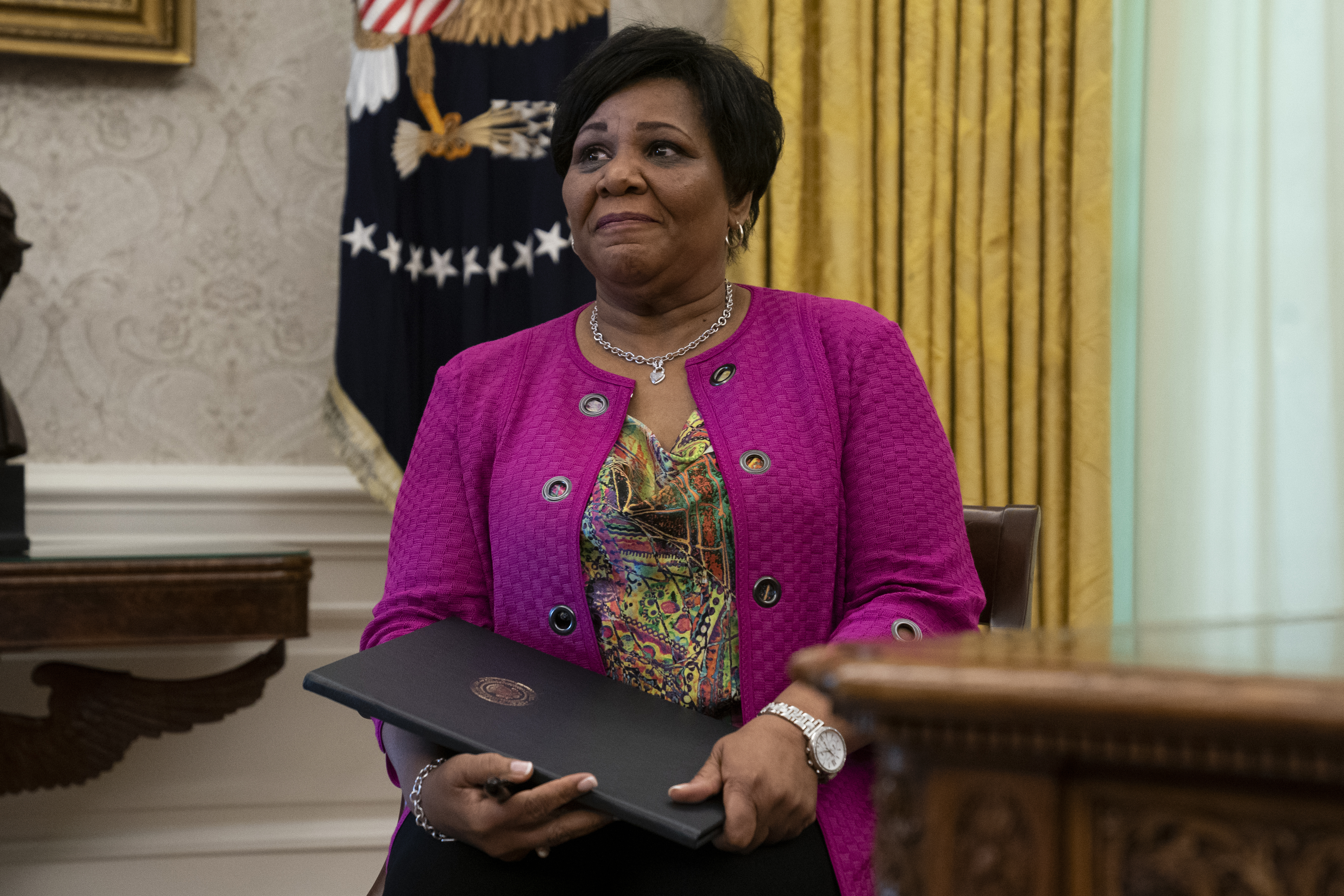
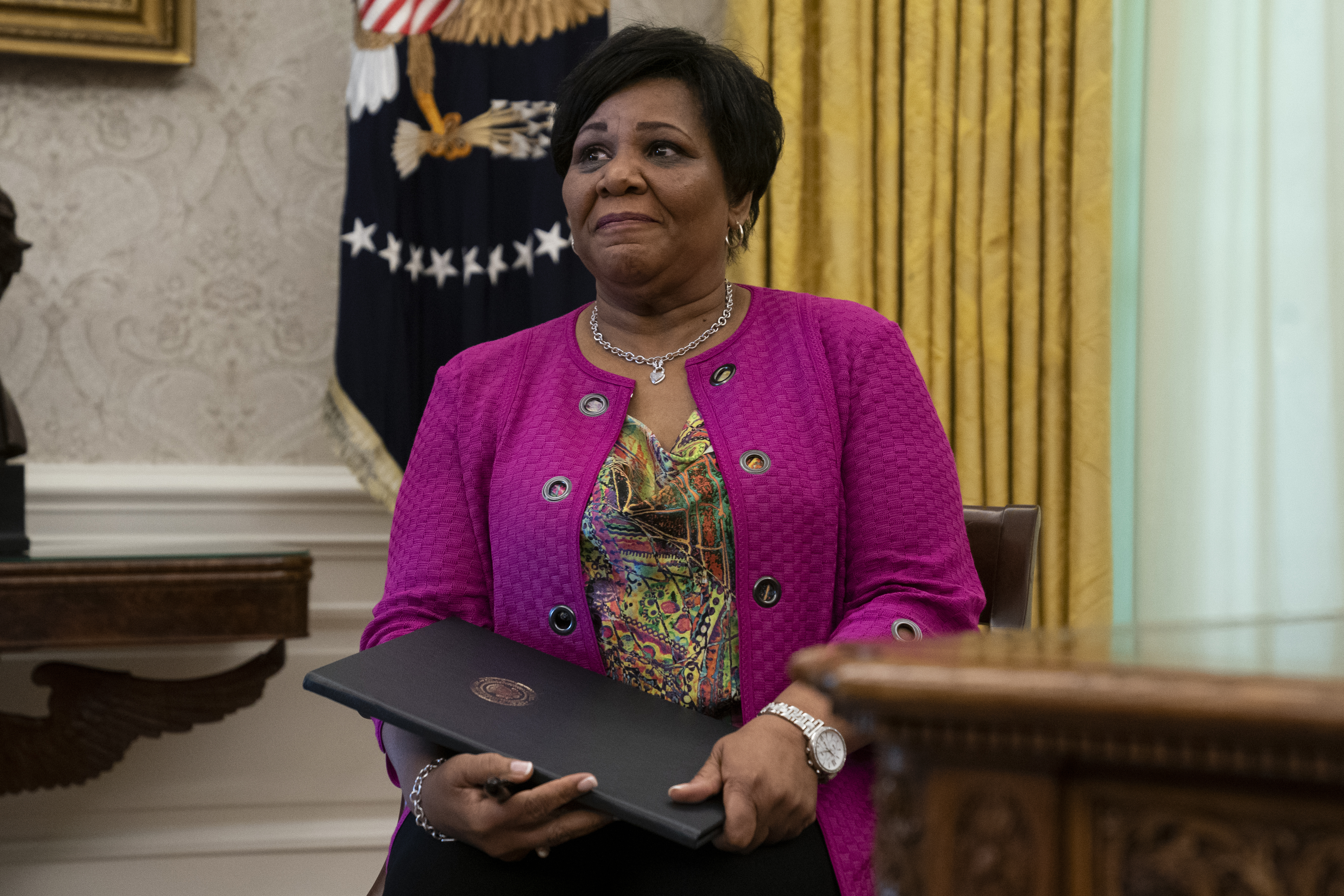
In February 2025, Trump also recruited Alice Marie Johnson to be his adviser and “pardon czar”, after commuting her life sentence and pardoning her during his first term.
Johnson's case had been held up as an example of the punitive nature of the criminal justice system. She was a struggling single mother at the time of her arrest for nonviolent offences like money laundering and drug trafficking.
Clemency advocates were hopeful that Johnson's appointment would signal a return to a broad spectrum of presidential pardons.
But it is unclear what role Johnson has played in Trump's clemency decisions so far, according to Osler.
Meanwhile, experts have pointed to shakeups in the Justice Department as a signal that Trump has taken a more political approach to clemency.
In March, US Pardon Attorney Liz Oyer said she was fired for refusing a White House request to reinstate actor Mel Gibson's right to own a firearm.
To replace her, Trump appointed lawyer Ed Martin, nicknamed "Eagle", to the post.
Unlike his predecessors, critics say Martin is baldly political. After Trump pardoned a Virginia sheriff in May, for instance, Martin posted a note of thanks on social media, along with the message, "No MAGA left behind."


'Pay-to-play corruption'
Trump is hardly the first president to field complaints that his pardons are political.
Ford pardoned his predecessor Richard Nixon as the ex-president faced the consequences of the Watergate scandal. Years later, George HW Bush did the same for Republican officials involved in the illegal sale of arms during the Iran-Contra affair.
More recently, Biden, a Democrat, granted preemptive pardons to five members of his family for any nonviolent crimes they may have committed after 2014, citing fears they may face political retaliation.
Such manoeuvres, however, have elicited widespread outrage, prompting claims that the pardons thwarted justice and advanced personal agendas.
But the volume of Trump's pardons — and their benefits to his agenda or businesses — place the Republican leader in a different category, according to experts.
Just last month, he pardoned a banker whose daughter made hefty million-dollar donations in recent years to a pro-Trump super PAC.
Earlier, in October, Trump pardoned Changpeng Zhao, the founder of the cryptocurrency exchange Binance, of charges related to money laundering.
That same month, Binance promoted a stablecoin issued by World Liberty Financial, a cryptocurrency business partially owned by the Trump family.
Binance has denied any impropriety, but critics argued the timing reeked of corruption.
In a statement, Democratic Representative Maxine Waters called the pardon a "payoff and a blatant example of the kind of pay-to-play corruption that Trump and his Administration continue to engage in".
'Weakening' US standing abroad
At times, Trump has also faced criticism for issuing pardons that appear antithetical to his values.
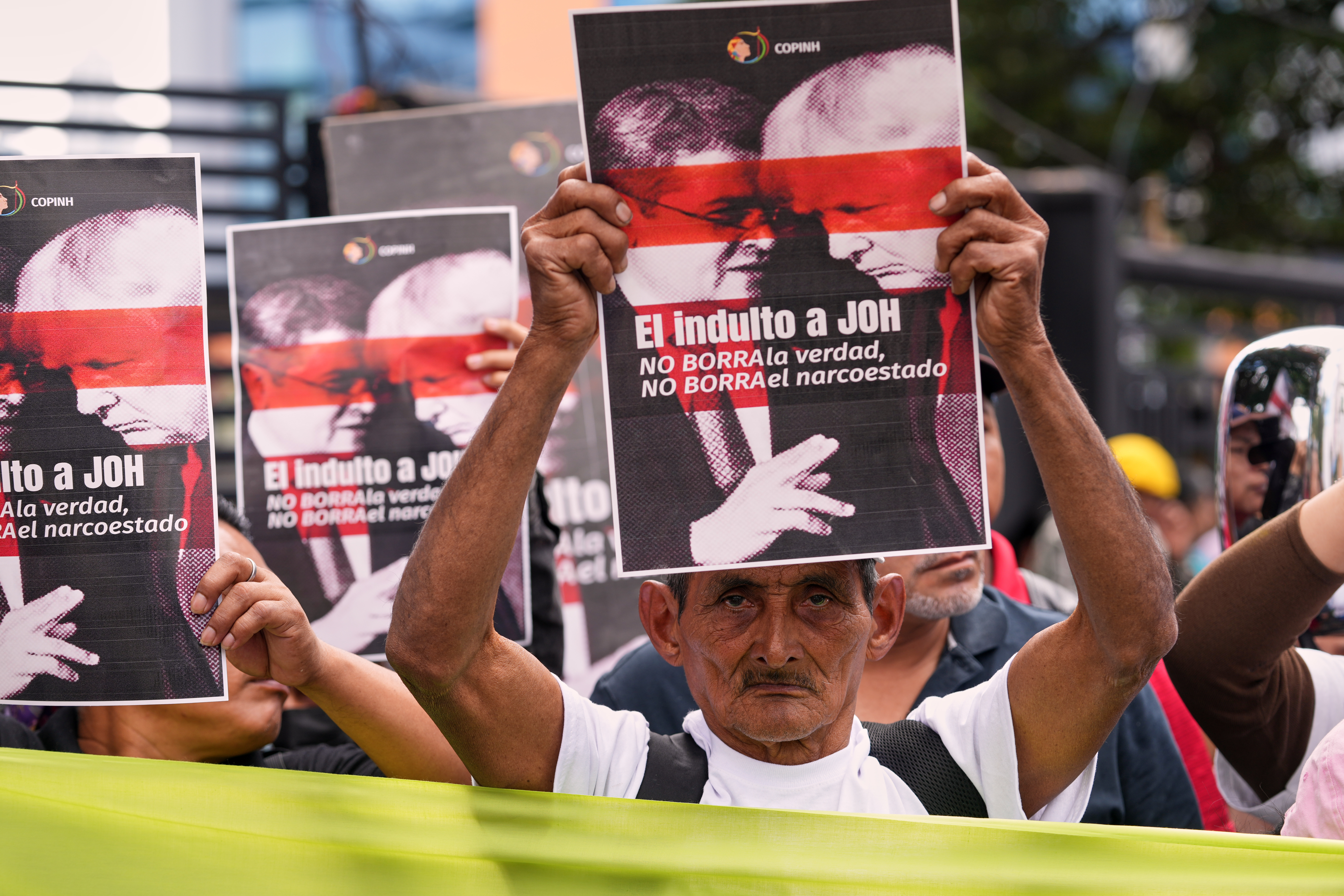
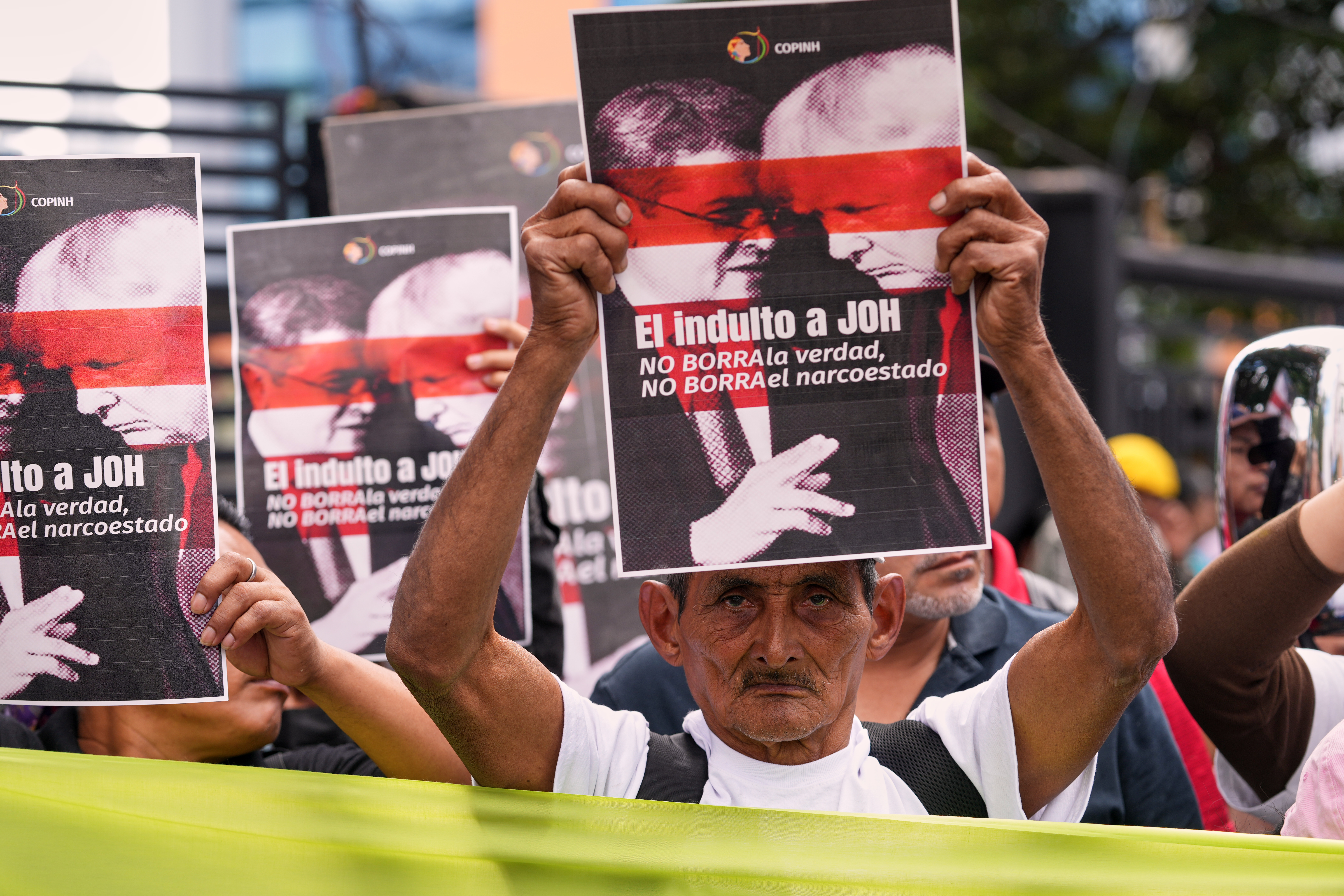
One case came in November, when Trump pardoned Juan Orlando Hernandez, a former Honduran president convicted of trafficking drugs into the US.
That decision seemed to contradict Trump's hardline approach to disrupting the illicit drug trade, which included deadly military attacks.
Hernandez's pardon, however, coincided with a key presidential election in Honduras, and Trump made it widely known he wanted Hernandez's party to win.
Those kinds of parsons could damage the US's international standing, according to Alon Ben-Meir, retired senior fellow at New York University’s Center for Global Affairs.
“What does that signal? That proximity to power has immunity, and that is weakening, of course, to the United States’ impartiality when it comes to justice,” Ben-Meir said.
Trump's pattern of pardoning could invite accusations of hypocrisy from countries that the US has pressured to implement democratic reforms.
“Today, they see this guy’s basically like a cowboy running in the Wild West and doing pretty much what he wants to do,” Ben-Meir said.
He noted that Trump even urged Israel's president to pardon Prime Minister Benjamin Netanyahu of corruption charges last November.
"Russia, China will cheer that kind of erosion of American moral and political standing," Ben-Meir added.
Already, reports have emerged that powerful defendants have hired lobbyists to petition Trump on their behalf, creating a kind of shadow economy around the clemency system.
Trump could seek to stretch the legal limits of clemency in other ways, too.
During his first term, he posted on social media he has "the absolute right" to pardon himself, something no president has ever attempted.
Limits to pardon powers
But there are limits to presidential clemency, and already, Trump has brushed against them.
In December, Trump announced that he would pardon Tina Peters, a former county clerk in Colorado who supported Trump's false claims of voter fraud during the 2020 election.
Peters, however, was also convicted of state-level crimes, after she used her office to allow an unauthorised person to access her county's election software.
A president may only pardon federal charges, not state ones. Peters continues to serve a nine-year prison sentence. Still, Trump has sought to pressure Colorado officials to release her.
“She did nothing wrong," Trump posted on Truth Social. "If she is not released, I am going to take harsh measures!!!"
While Trump has argued that presidents have the "complete power to pardon", legal experts have repeatedly affirmed that clemency is not without bounds.
Pardons, for example, cannot be used to avoid impeachment or to undercut the Constitution, nor can they be used to absolve future crimes.
Still, the question remains how to enforce those limits — and whether new bulwarks should be created to prevent abuse.
Love points to the state pardon systems as models to emulate. Delaware, for example, has a Board of Pardons that hears petitions in public meetings and makes recommendations to the governor. More than half of the petitions are granted.
Like other successful clemency systems, Love said it offers public accountability.
She measures that accountability by certain standards: “Can people see what’s going on? Do they know what the standards are, and is the decider a respected and responsible decision-maker?”
Trump's sweeping actions, however, have prompted calls for presidential pardons to be limited or eliminated altogether.
Osler cautions against doing so: It would be a "permanent solution to a temporary problem".
“If we constrain clemency, we’ll lose all the good things that come from it,” Osler said.
