What lies ahead for Venezuelan leader Maria Corina Machado?
Machado has argued that the opposition has a 'mandate' to succeed Venezuelan President Nicolas Maduro.
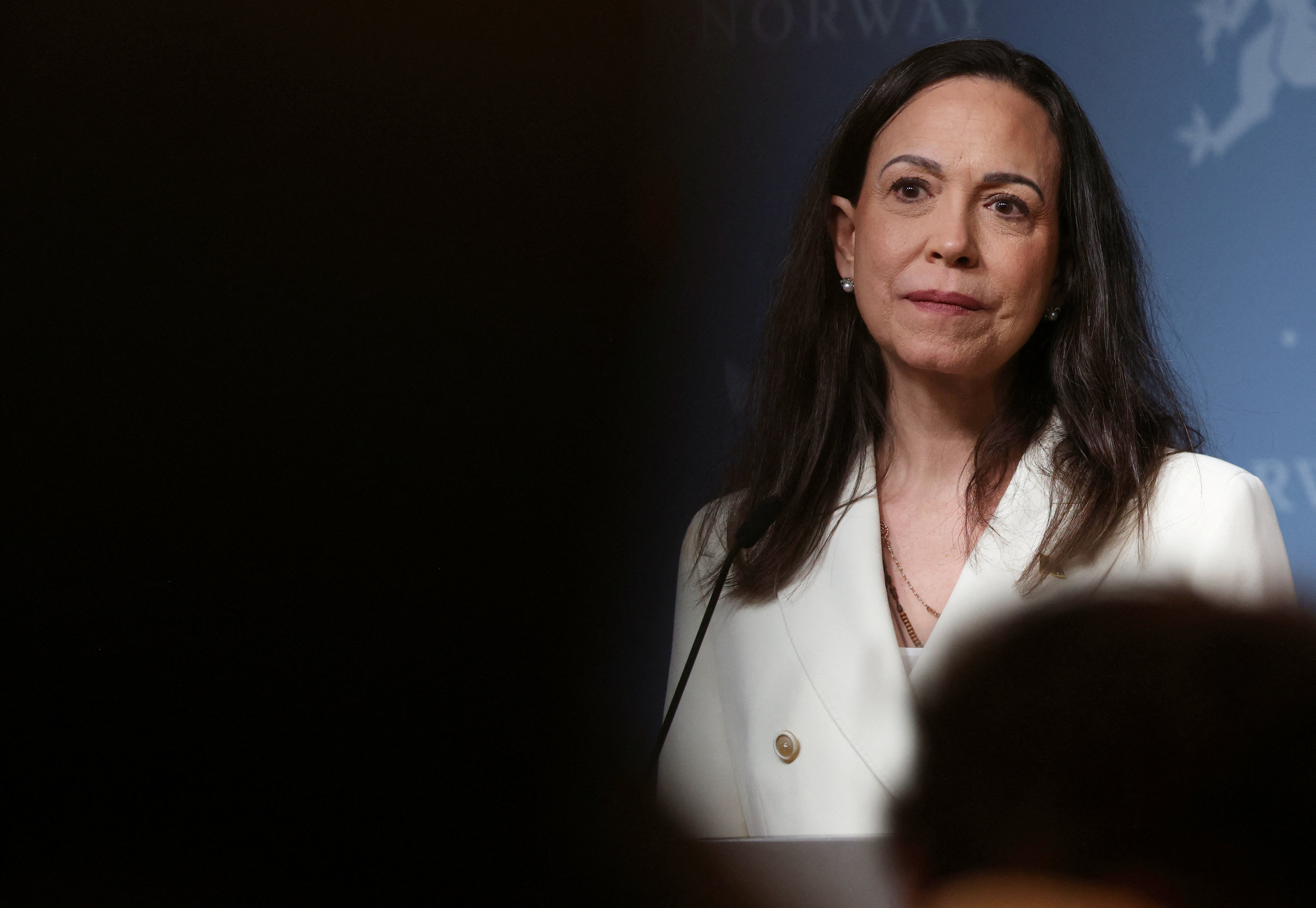
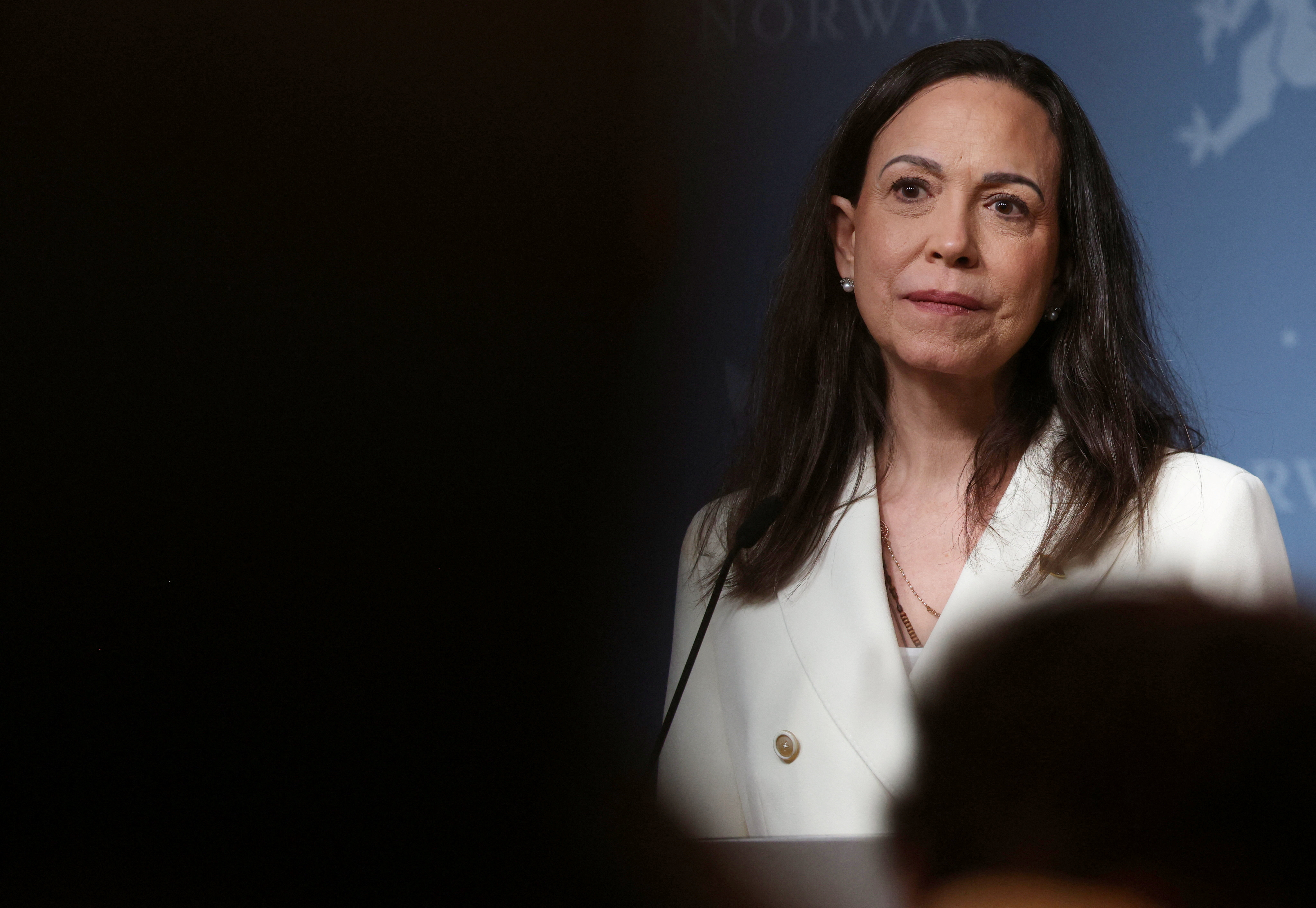
If there is one thing that Venezuelan opposition leader Maria Corina Machado knows how to do, it is strategise from the sidelines.
Since United States armed forces abducted Venezuelan President Nicolas Maduro on January 3, Machado has maintained a steady public presence.
On Monday, she had an audience with Pope Leo at the Vatican. And on Thursday, she will meet with US President Donald Trump in Washington, DC.
All the while, she has given interviews to news outlets like CBS, Fox News and the popular Venezuelan news website La Patilla.
Still, experts say it is unclear what role she will play next, particularly after she was passed over to replace Maduro following his ouster.
Quico Toro, a Venezuelan journalist and political scientist, explained that while Machado had successfully rallied popular support in the past — most notably during the 2024 presidential election — the situation in the country has changed.
“She has the legitimacy from crushing the regime two years ago — but it’s not two years ago,” Toro said.
He added that her role in shaping Venezuela’s future now appears to be more “medium to long term”.
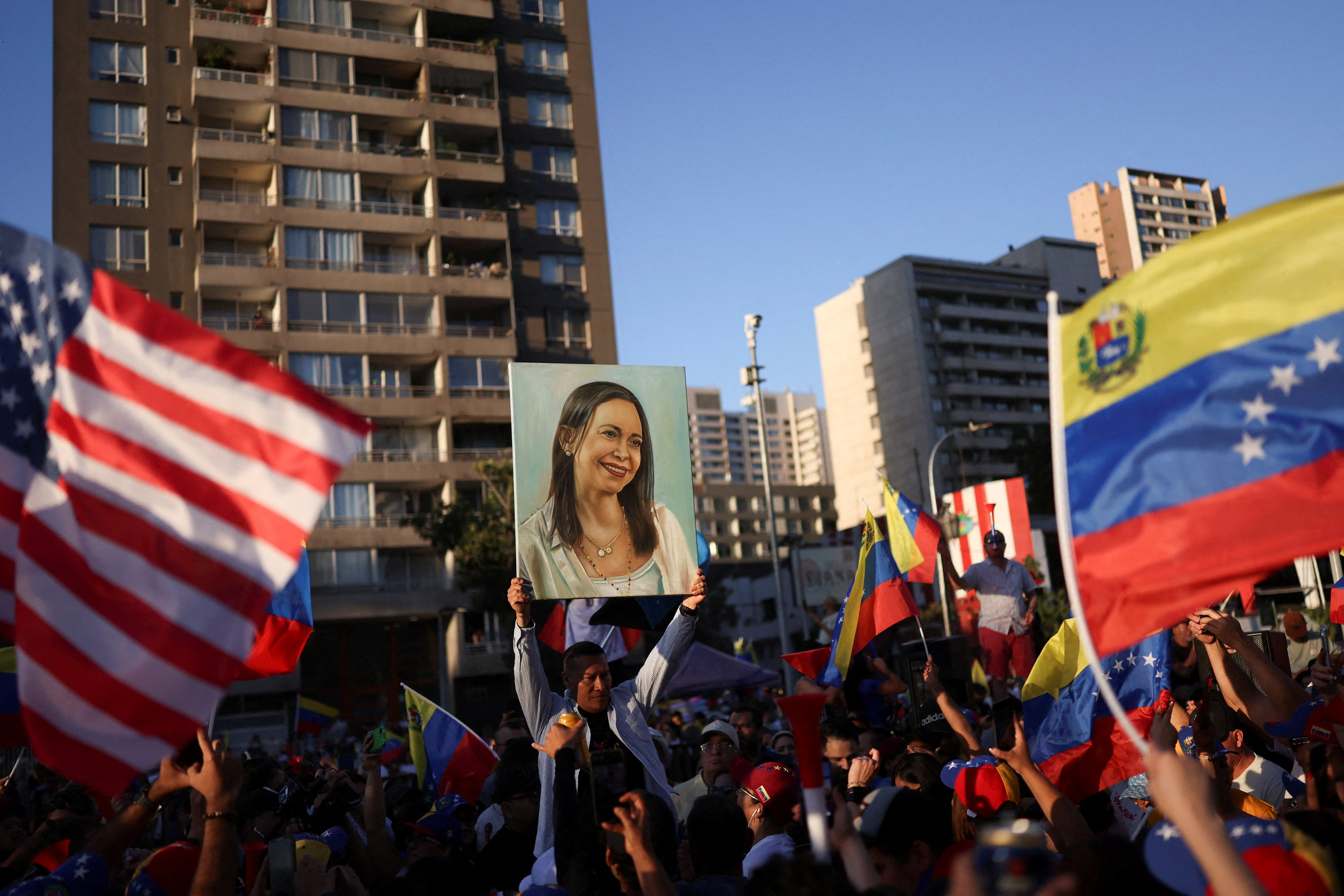
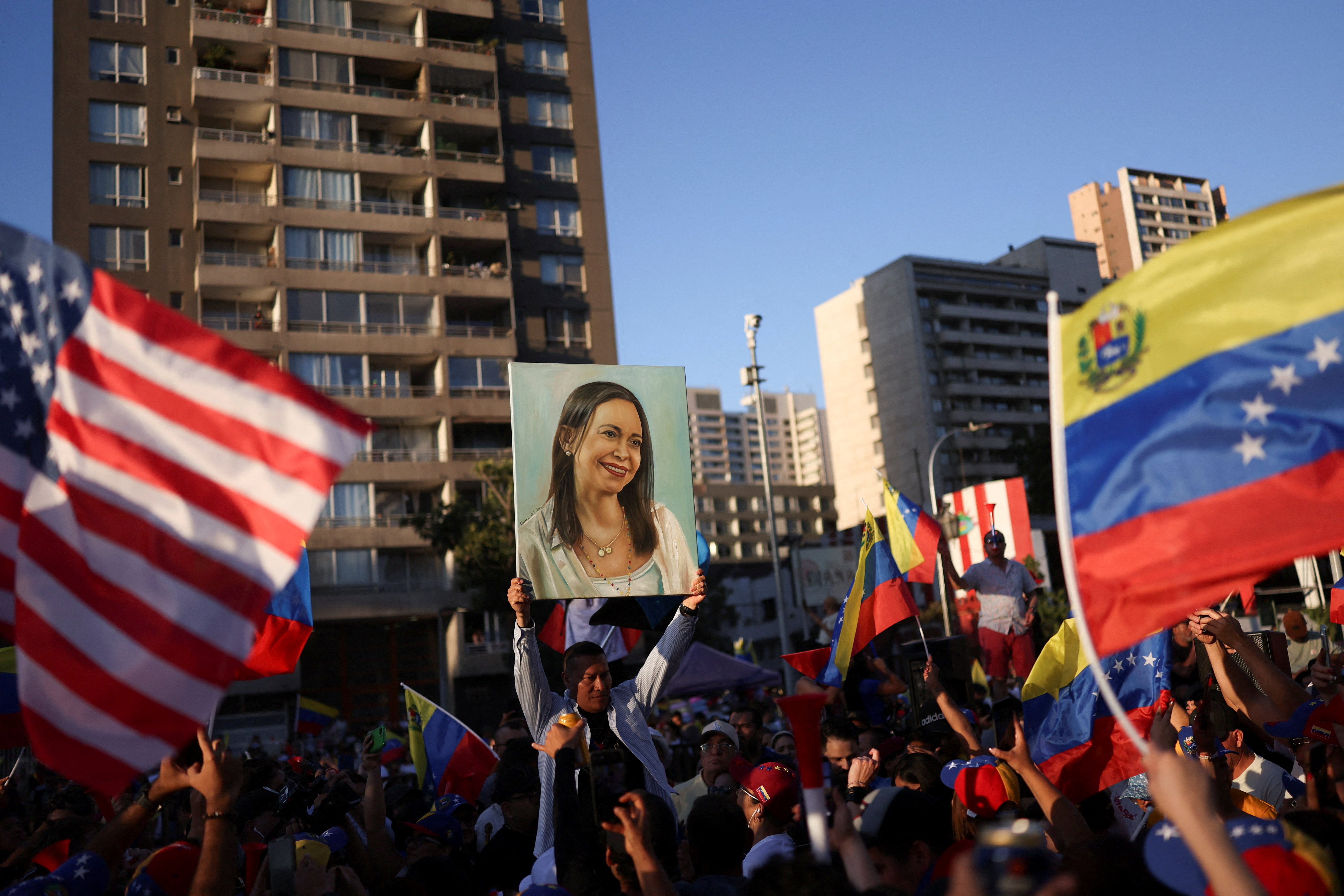
Prioritising stability
Questions about Machado's role in Venezuelan politics emerged within hours of the US operation to remove Maduro, a leader accused of violently suppressing dissent.
Machado, 58, had been living in hiding for months after the 2024 election, for fear of facing arrest.
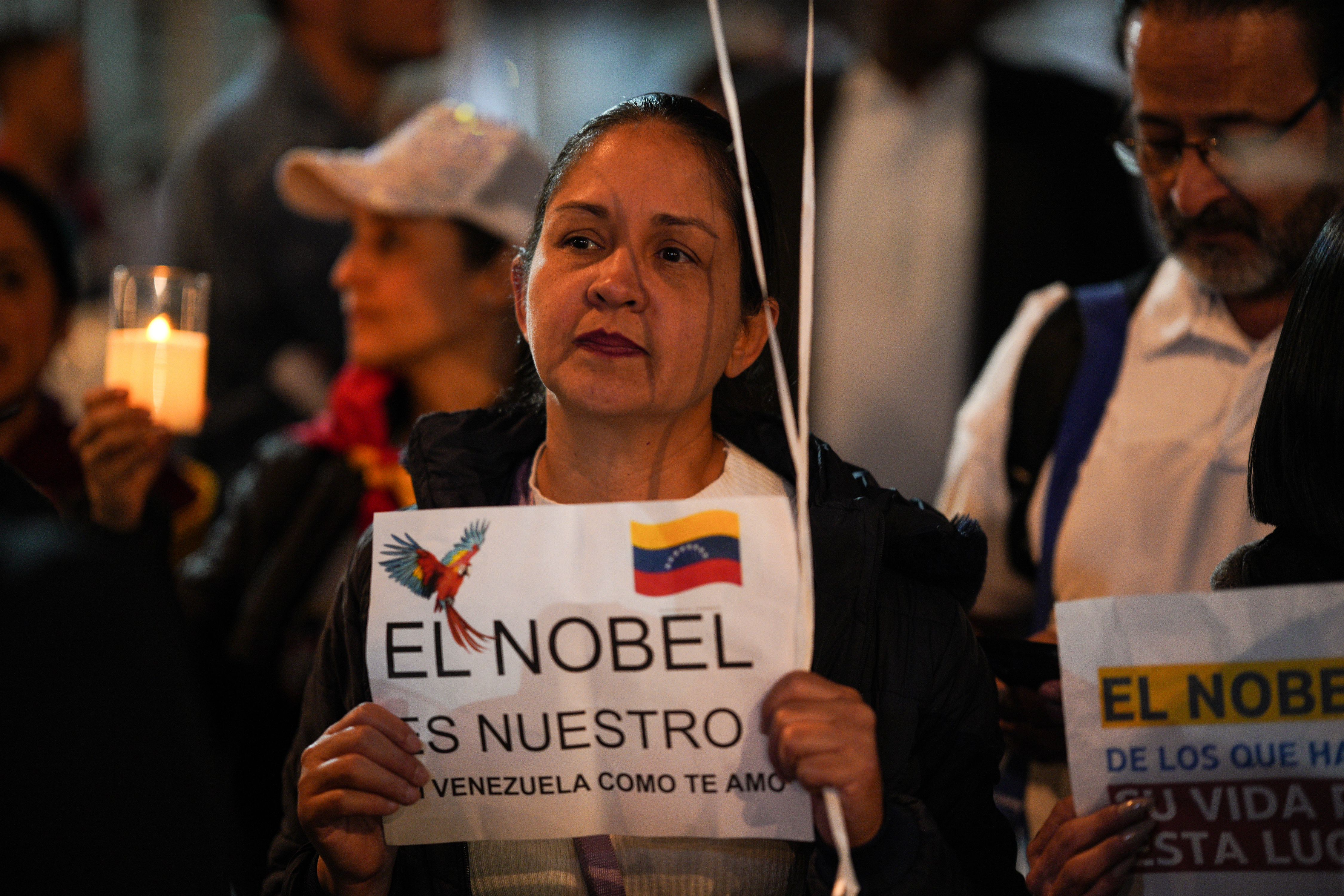
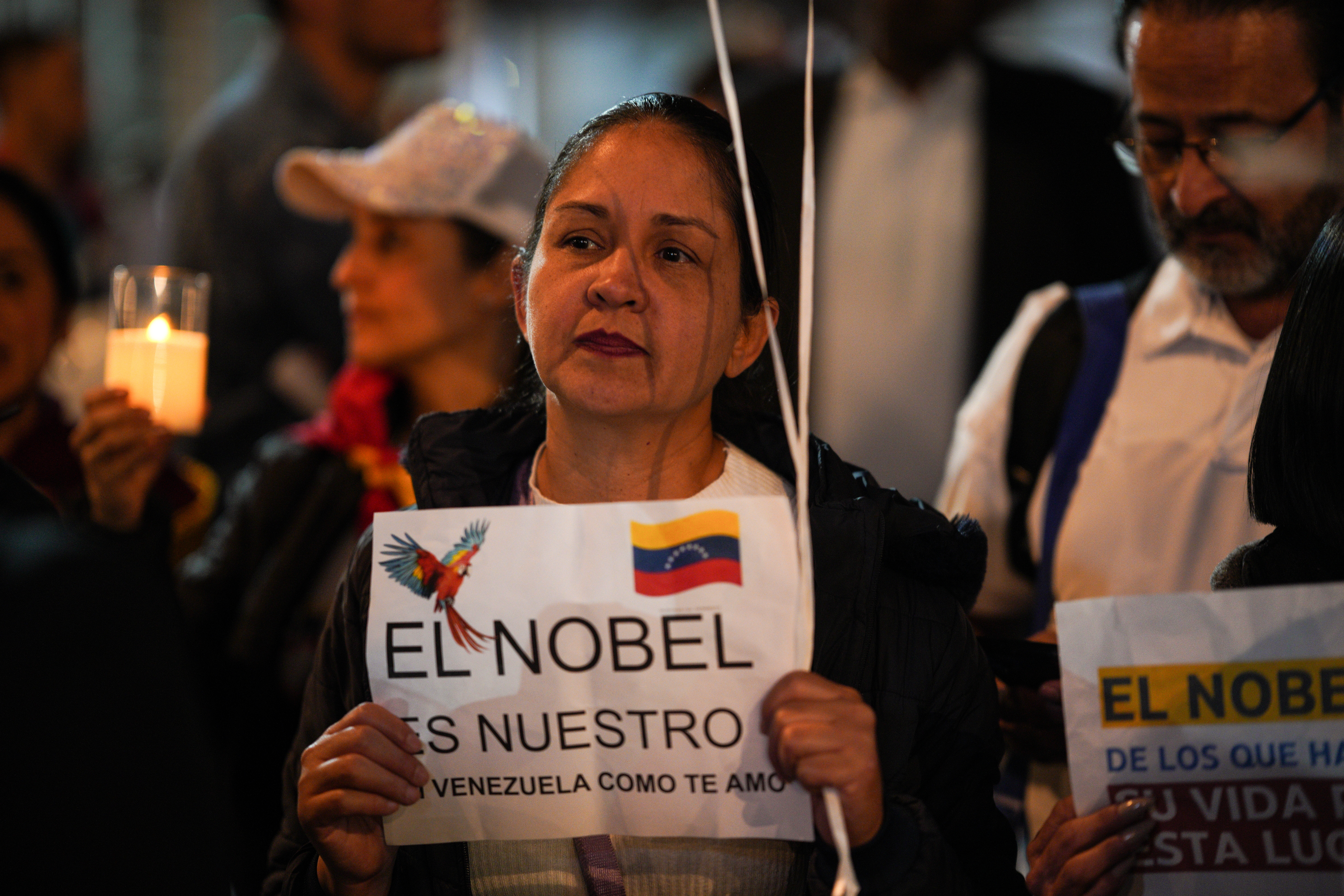
But that changed in December, when she escaped abroad to accept the 2025 Nobel Peace Prize for her efforts to advance Venezuelan democracy.
Given her longstanding public opposition to Maduro, Machado was widely viewed as a favourite to replace him, should his government ever fall.
But when Trump announced the US military operation to remove Maduro, he quickly quashed the prospect of Machado stepping into Venezuela's presidency.
"I think it would be very tough for her to be the leader. She doesn't have the support within or the respect within the country," Trump said at a news conference hours after the attack.
Rather than work with Machado, Trump announced plans to cooperate with Delcy Rodriguez, Maduro's vice president. She has since been sworn in as interim president.
"She's essentially willing to do what we think is necessary to make Venezuela great again," Trump said of Rodriguez.
Maduro, who has long been accused of human rights violations, has been charged alongside his wife Cilia Flores with being part of a conspiracy to traffic drugs into the US.
While Trump's decision to topple Maduro has sparked jubilation among Venezuelans in exile, his military intervention — and quick dismissal of Machado — have raised concerns about his respect for Venezuelan sovereignty and international law.
“I think [the Trump administration] basically bet on what they consider to be the most stable transition possible," said Freddy Guevara Cortez, a former opposition member in Venezuela's National Assembly.
"They think that they can convince the same members of the Maduro regime to dismantle themselves."
Guevera Cortez, who has lived in exile in the US since 2021, emphasised that he supports Trump's actions in Venezuela.
“Obviously, we would have preferred something else, but we also understand how complex the situation is," he said.
Ready 'to take power'
Still, Trump's position appeared to clash with what Machado herself envisioned for Venezuela following Maduro's fall from power.
In a statement released on January 3, shortly after the US attack, Machado outlined a future for Venezuela where the opposition would take control of the government.
“The hour has arrived for popular sovereignty and national sovereignty to rule in our country,” Machado wrote. “We are ready to make our mandate count, and to take power.”
The daughter of a steel magnate, Machado has spent much of her political career working for an end to Maduro's government.
She founded an election-monitoring organisation and served as a legislator in Venezuela's National Assembly for a term, though the Maduro government ultimately had her expelled from office on charges she plotted against the presidency.
Machado declined to comment for this story.
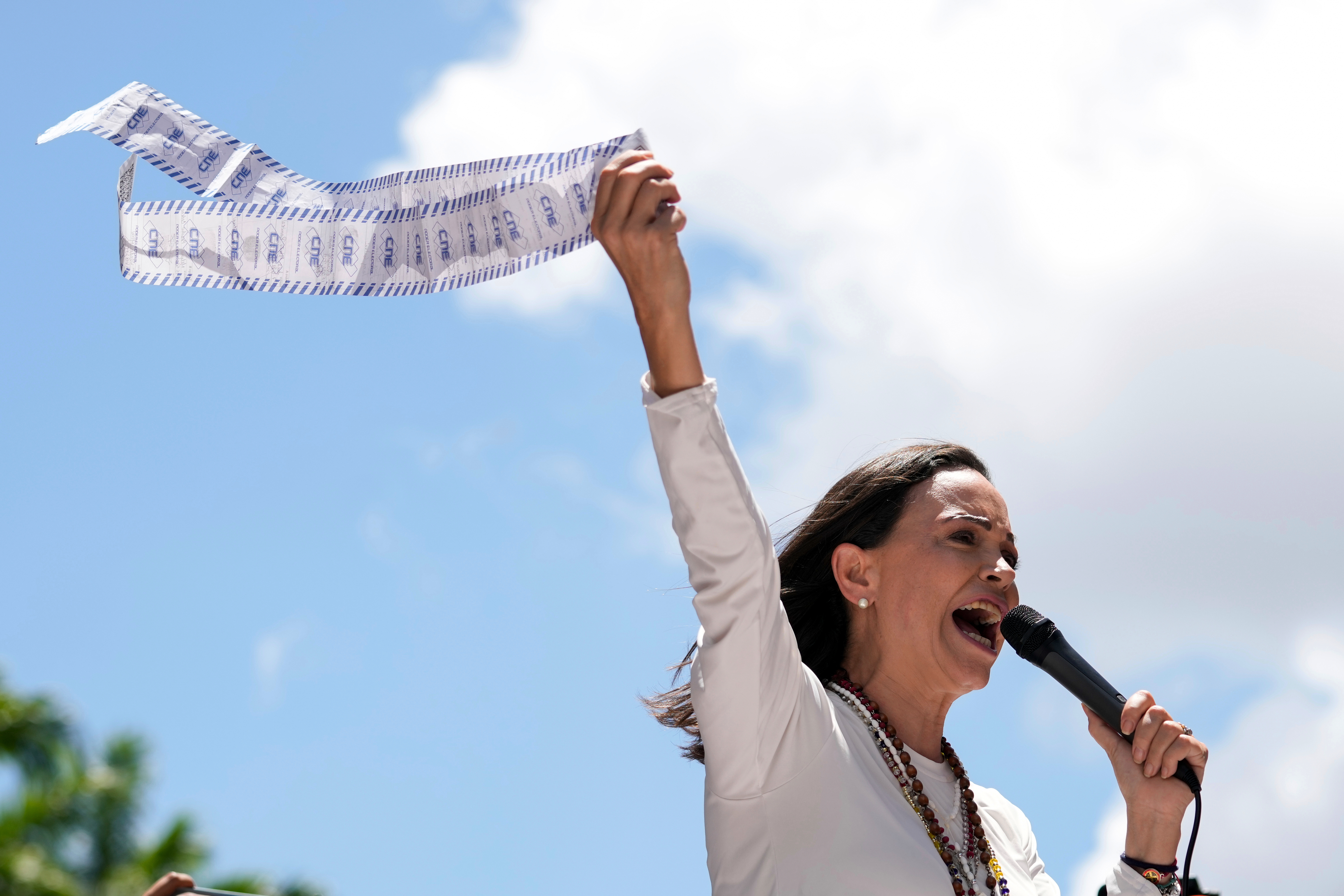
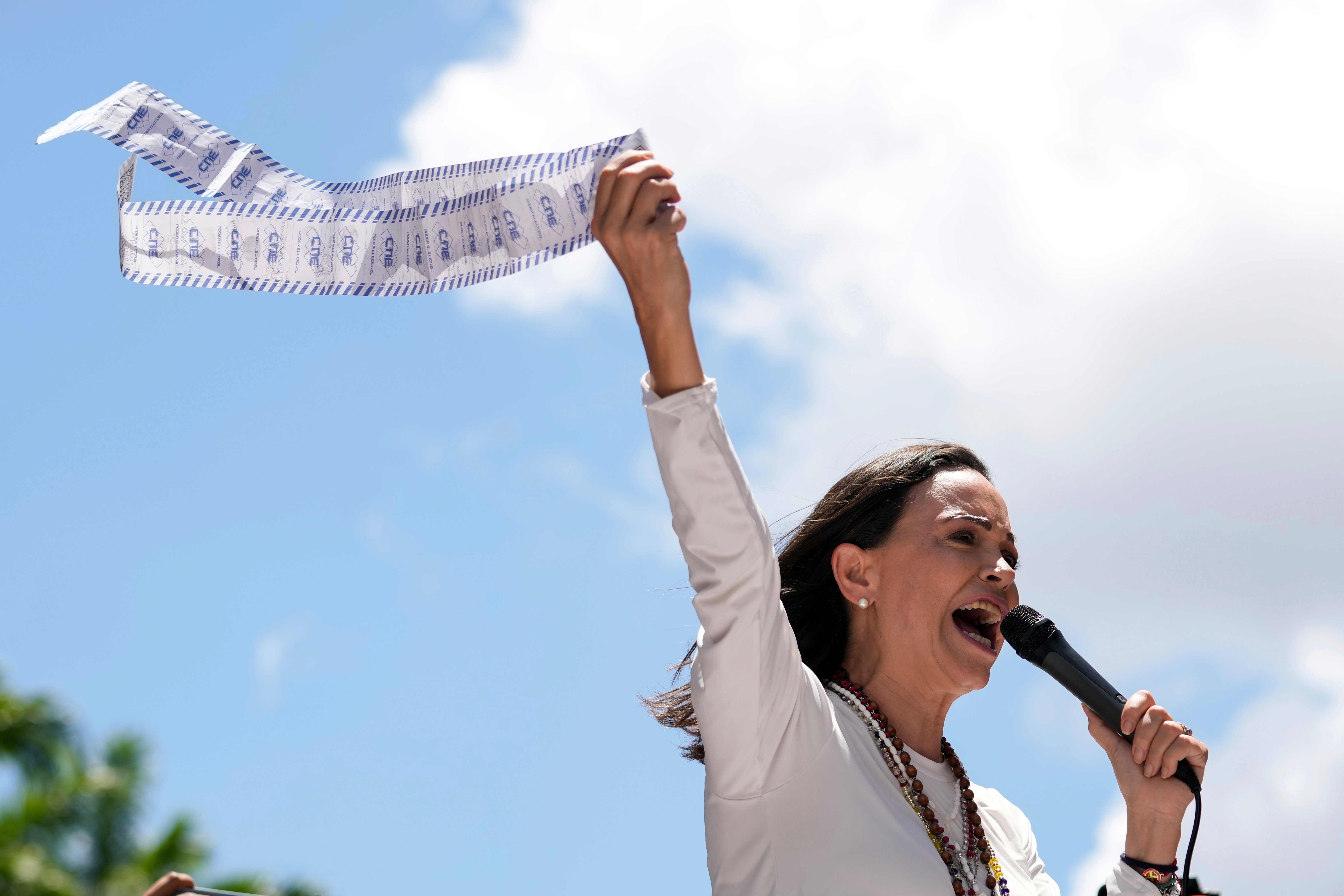
In October 2023, she emerged as a frontrunner for Venezuela's 2024 presidential race, after winning 92 percent of the vote in an opposition primary. But in early 2024, Venezuelan courts barred her from running, on accusations of fiscal and administrative violations.
Machado ultimately threw her support behind opposition candidate Edmundo Gonzalez. While Maduro claimed victory in the race, government vote tallies published by the opposition appear to show a landslide for Gonzalez.
In an interview with CBS last week, Machado reiterated her position that the opposition coalition should be in charge of Venezuela's current transition.
"We got a mandate — very strong, very clear — through the primary process in October 2023, but we won an election in 2024 by a landslide. So there is a mandate there," she said.
"We have a president-elect, who is Edmundo Gonzalez Urrutia, and we are ready and willing to serve our people as we have been mandated."
More support outside Venezuela?
But that opposition takeover has not yet occurred.
Experts point to a combination of factors impeding Machado and Gonzalez from taking the reins, including a US intelligence assessment that her leadership could spur unrest.
Machado's overall popularity "has not been placed in doubt", according to Carmen Fernandez, a Venezuelan academic and communications consultant for DatastrategIA, based in Spain.
What remains uncertain is whether certain critical sectors in Venezuela — "basically, the military" — would back an opposition-led government, Fernandez explained.
“It’s been a revolutionary week in the high-stakes sense of these times, where the dynamics are changing by the hour,” she added.
Critics have also questioned Machado's hardline politics and her embrace of right-wing figures like Trump and Israeli Prime Minister Benjamin Netanyahu.
Machado has built her reputation on taking an uncompromising approach to Maduro — and while that may have bolstered her support within the opposition, it undercuts her ability to forge wider alliances.
Trump's Secretary of State Marco Rubio also pointed out that many opposition politicians have been forced into exile.
“The immediate reality is that unfortunately — and sadly — but unfortunately, the vast majority of the opposition is no longer present inside Venezuela," he told the NBC news programme Meet the Press.
He described the US's cooperation with the remnants of Maduro's government as a necessary reality to address short-term goals "that have to be addressed right away".
Rumours have also swirled that there may be lingering resentment between Trump and Machado over her Nobel Peace Prize win in October.
Trump has actively campaigned for the honour, and reports suggested Machado's win may have been a factor in his decision not to back her leadership.
Machado, meanwhile, has offered to share the prize with Trump, although the Nobel committee has insisted such a transfer is not valid.
Wresting back control
Meanwhile, in Venezuela, it remains difficult to gauge the level of Machado’s public support at the moment.
Toro, who founded the influential Caracas Chronicles blog and has interviewed Machado multiple times, believes Machado likely retains the backing of Venezuela's opposition.
"In the exile community, she is kind of a saint,” he said, adding that she is widely seen as a politician of "conviction".
“You’ll find a lot of people can disagree with points of hers, but what nobody can disagree with is that she is incredibly courageous and has taken risks nobody takes."
Toro noted that important changes appear to be under way that could bolster her future prospects. He pointed to a recent decision under interim President Rodriguez to start freeing political prisoners.
On Monday, the government said approximately 116 people were released from jail — though they marked a fraction of the total number of political prisoners in the country.
NGOs, however, have said the actual number released is much lower. The human rights group Foro Penal estimates more than 800 remain in custody, as of January 11.
But Toro argues that the recent release raises the possibility that widespread public dissent could re-emerge in Venezuela — and with it, a free and independent political system.
Such an environment, Toro added, would allow Machado to thrive.
“If Maria Corina could have some kind of guarantee that she will be able to mobilise people politically without having the security services all around her, then she can wrest control of her fate back and hit the road,” he said. “She is very effective in front of a crowd.”
