A 'fearful' country? Crime concerns grip Chile ahead of election
The final two presidential candidates, Jose Antonio Kast and Jeannette Jara, have made crime central to their platforms. Whose proposals will prevail?


Santiago, Chile – Sitting on a bench in the centre of the capital Santiago, Fernando Carrasco peers over his shoulder as a man with a large duffel bag takes a seat nearby.
The 62-year-old grandfather clutches his cellphone tightly. He lowers his voice.
“These days you can’t wander the streets after nine at night in the [urban] core,” he says. “It’s dangerous everywhere. On the bus. On the subway. It didn’t used to be like that."
Carrasco, who works overnight shifts stocking shelves at a local supermarket, is voicing a fear that has become a central issue in Chile's presidential elections this year: the spectre of violent crime.
On Sunday, Chilean voters head to the polls to choose between two candidates: far-right lawmaker Jose Antonio Kast and Jeannette Jara, a former labour minister and Communist candidate leading the centre-left coalition.
Their race, however, has hinged in large part on a deteriorating sense of public safety.
Crime has topped polls about voter concerns in the lead-up to the election, and in recent years, Chile has charted high — if not first — in world rankings about countries most preoccupied with violence.
The research firm Ipsos found that, as of last year, the proportion of Chileans afraid of crime remained double the global average, at a rate of 63 percent.
“Chile is one of the most fearful countries in the world,” said Daniel Johnson, the executive director of Fundacion Paz Ciudadana, an organisation that monitors the issue.
Political observers note that the trend bodes well for Kast, whose platform boasts hardline proposals to "combat organised crime, restore order and give Chileans their right to live without fear".

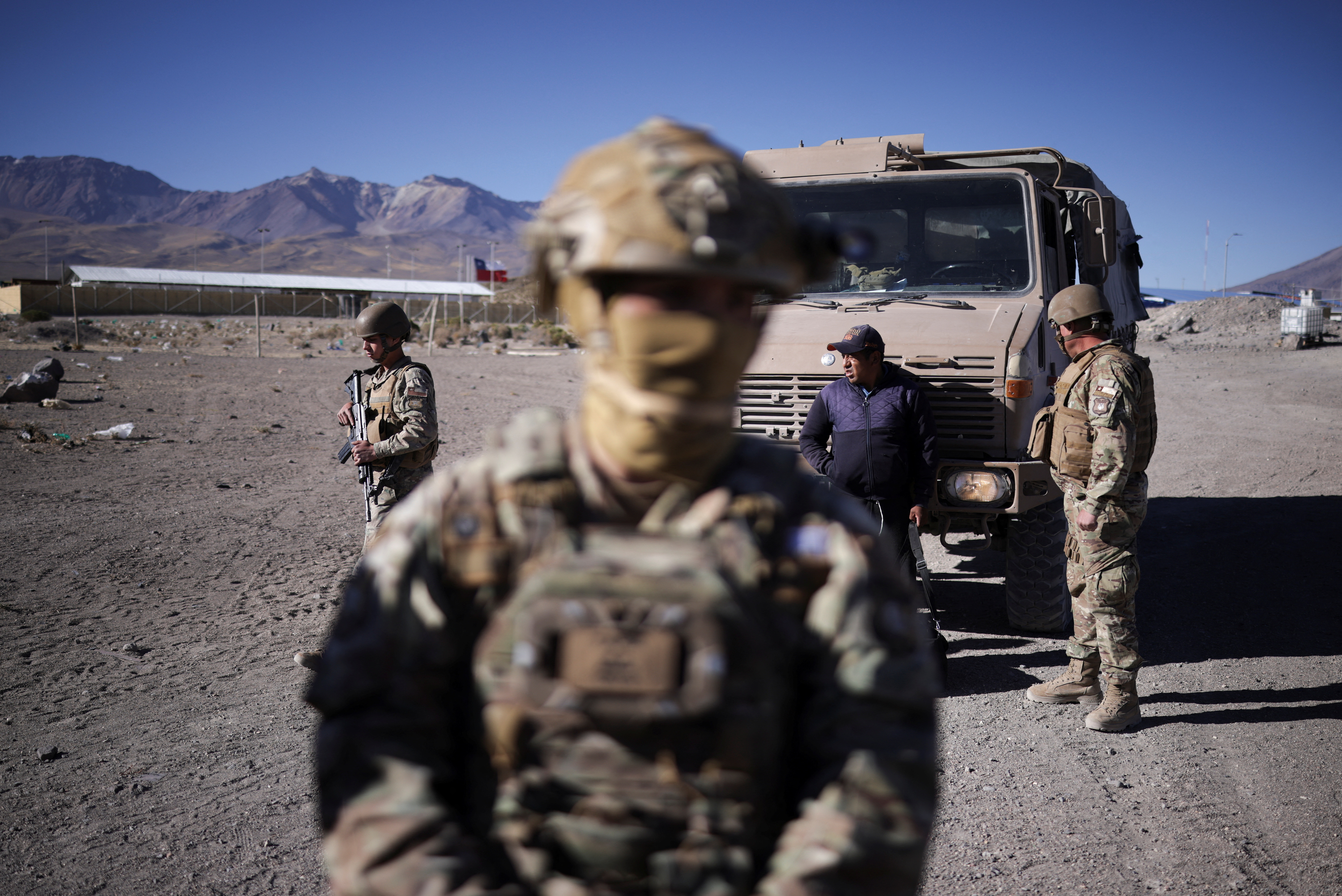
Public anxiety on the rise
As in many countries, there is a gap between the actual level of crime in Chile and the perceived level. In Chile, though, experts like Johnson say the disconnect is more extreme.
Government statistics, published in July, show that nearly 88 percent of Chileans feel crime has gotten worse over the last year.
But statistics show that Chile is among the safest countries in Latin America, with one of the lowest rate of murder in the region.
Chile's homicide rate was roughly 6 per 100,000 people in 2024, well below that of nearby countries like Ecuador, which marked a rate of 46 murders for every 100,000 people in 2023.
“There is a common phrase in Chile, which is: 'They used to rob me. Now they kill me,'” said Johnson.
“But when you look at the statistics, you see that it’s not true that there has been an increase in that kind of crime.”
That said, Chile did see a spike in violent crime following the COVID-19 pandemic.
In 2018, the homicide rate was 4.5 for every 100,000 people. That climbed to a high of 6.7 in 2022, though the number has since inched down. Kidnappings also spiked during that period.
The public prosecutor’s office has credited the rise to a “profound transformation” in Chile's criminal landscape, driven in part by "complex criminal networks" whose tentacles stretch across Latin America.
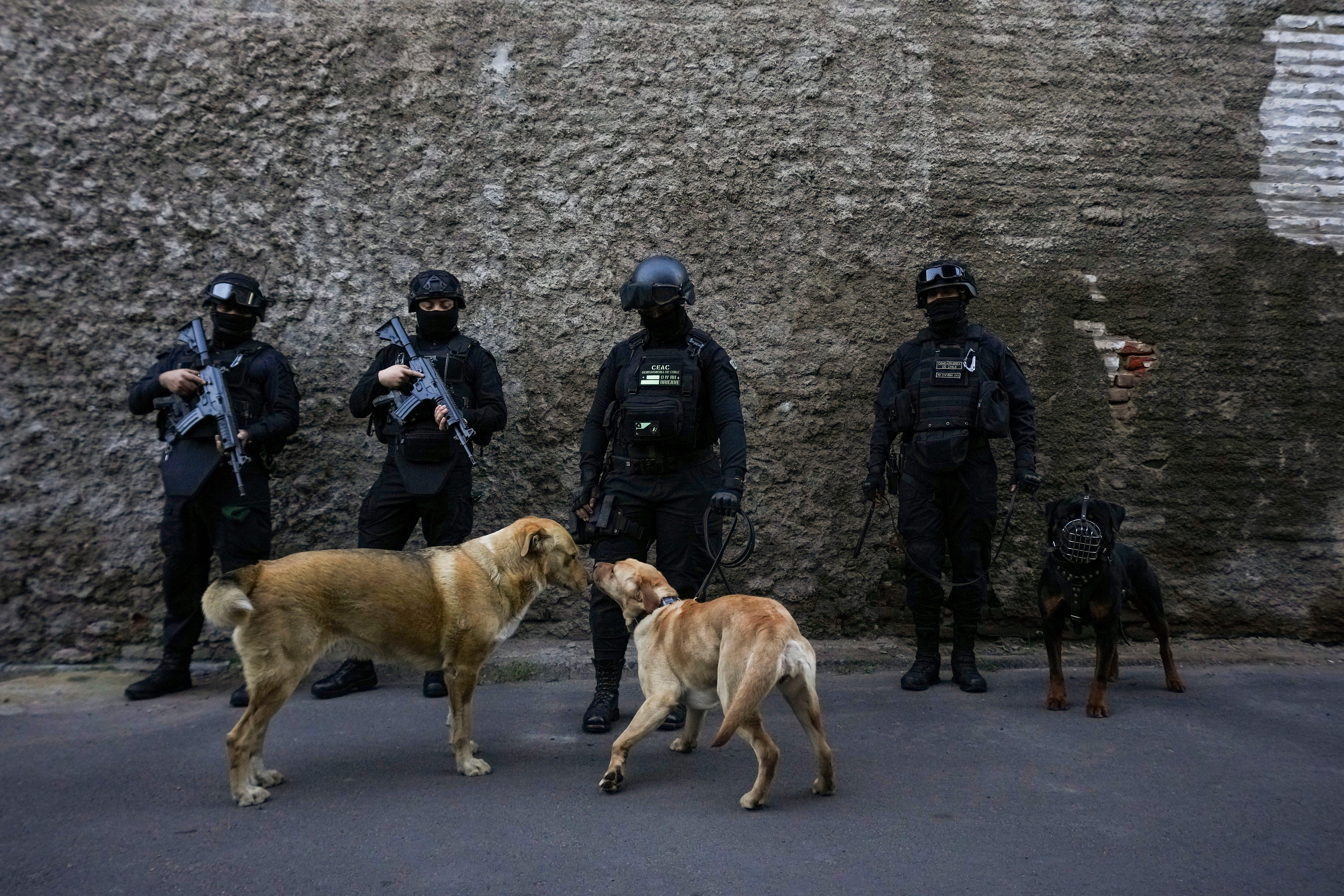

Spotlight on gang violence
In particular, the increase in crimes attributed to the Venezuelan gang Tren de Aragua has captured the Chilean public’s attention.
The think tank Insight Crime has speculated that, in Chile, Tren de Aragua operatives found a country "ill-equipped" to deal with their brand of violence, given the relative safety of the region.
The gang established itself in border areas like the northern city of Arica, and some of its earliest targets were Venezuelan migrants and asylum seekers.
Those crimes — as well as attacks on Carabineros, Chile's national police — have spurred public outcry.
One such case was the murder of 32-year-old Ronald Ojeda Moreno, a former Venezuelan military officer who sought asylum in Chile. Moreno was kidnapped from his Santiago apartment in 2024, and his body was found cut up and buried in a concrete slab.
In August, Chilean authorities arrested 30-year-old Tren de Aragua leader Alfredo Jose Henriquez Pineda, known as "Gordo Alex", on accusations of murder.
The rise in such transnational criminal violence in Chile has been abrupt, according to Johnson.
“That change has been over a very short period of time,” said Johnson. That can leave the public feeling overwhelmed, he added, even if crime remains relatively low overall.
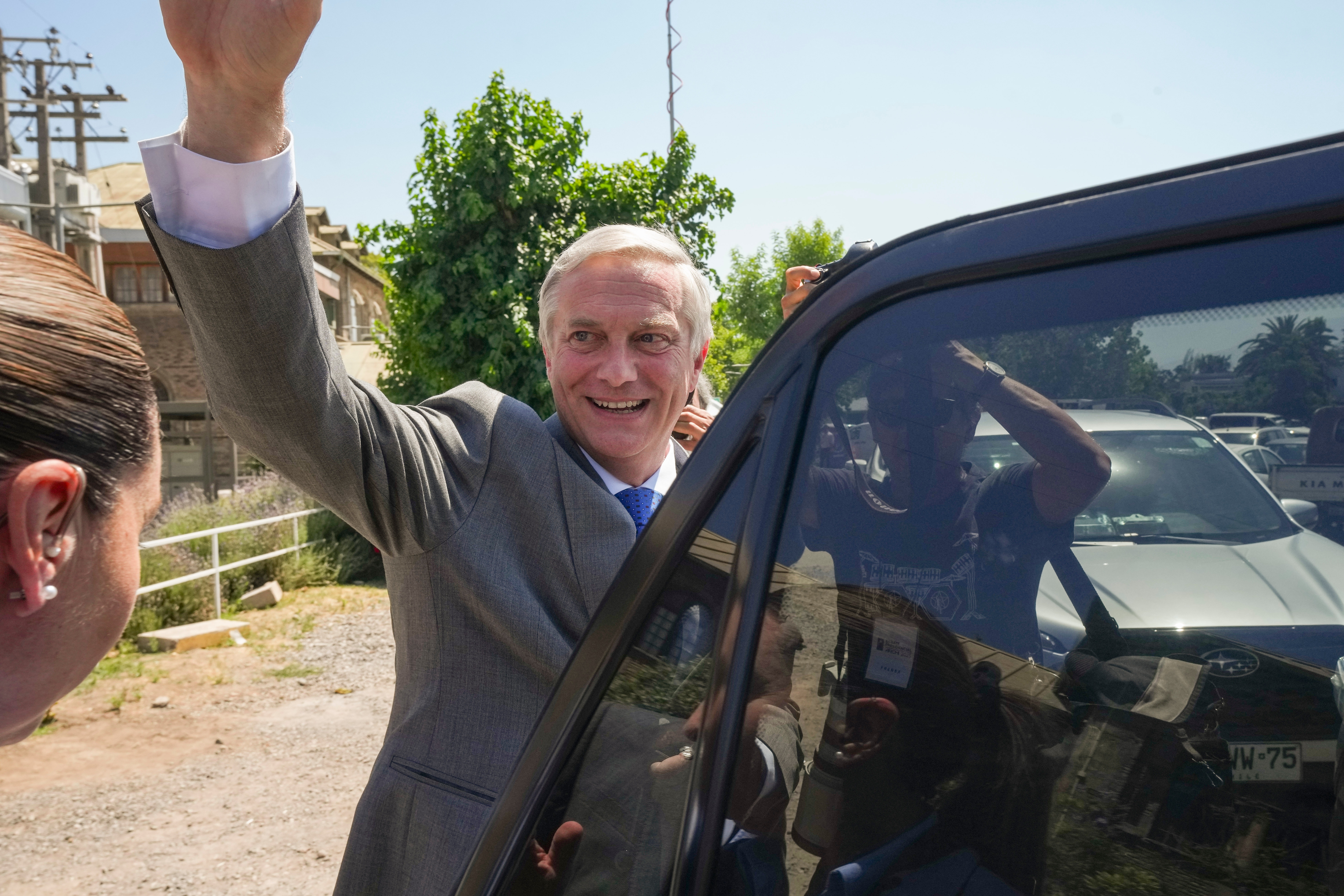

A factor in the elections
Kast, son of a Nazi party member who immigrated to Chile in 1950, has moulded his campaign in large part around answering the swell in public fear.
He has made restoring security and order a cornerstone of his campaign.
“Chile is working backwards,” Kast said while unveiling his security plan earlier this year in May. “Criminals are free, and citizens are living as if in a prison.”
His proposals include beefing up the police and military presence in areas with a strong gang presence and imposing stiffer penalties for those found guilty of organised crime.
That includes mandatory minimum prison sentences, incarceration in maximum-security facilities and "total isolation" for top-level cartel leaders, who will be allowed no contact with the outside world.
Kast also wants to broaden the legal definition of self-defence "to bring to an end the victimisation of people who defend themselves".
"Chile is experiencing one of the deepest security crises in its history," Kast claims in his platform. "What was once a country that was exemplary in its stability today ranks among the most insecure on the continent."
Public safety is also a part of Jara’s campaign, though observers note her platform has greater emphasis on preventative measures, including economic and social welfare proposals like lowering Chile's high cost of living.
Jara has acknowledged that the country needs more jails and more police. But she has also pledged that, if elected, she would focus on choking the financial streams that fund cartels and other criminal networks, including by lifting rules that protect the privacy of their transactions.
“It’s not enough to have more jails or more police if we don’t confront the root of organised crime. Because they didn’t come here because of ideology. They came here for money,” Jara said on the campaign trail in August.
“And to stop them we have to hit them where it hurts: their resources.”


Domino effect
Chile has nearly 15.8 million registered voters, and this year, for the first time since 2012, all of them are required by law to vote in the presidential race.
Kast is believed to have the upper hand in Sunday's run-off.
Though he came in second place during the first round of voting in November, he is expected to sweep up additional support from conservative candidates who did not make the cut-off for the second vote.
But some voters expressed scepticism about the emphasis on crime in this year's race.
Daniela Ocaranza, a mother who lives in a low-income neighbourhood in Santiago, considers the heightened focus on crime to be a ploy.
She volunteers at an organisation that fights for affordable housing, and she thinks politicians are leveraging the uptick in crime to convince the voters to put more resources into security.
“Crime has increased,” Ocaranza acknowledged. “But this happens in all countries.”
She said the media is partly to blame in raising fears. It shows “you the same crime 30 times a day — morning, noon and night — so the perception is that there is more".
“But there are many other things that are more important,” Ocaranza stressed, pointing to issues like education, healthcare and pensions. They are areas that she sees best addressed by Jara, whom she will be voting for on Sunday.
For his part, Johnson said politicians draw up hardline policies to appease residents who want urgent action taken.
But he noted that research has shown punitive measures don’t typically produce results. In the meantime, he warned that the outsized fears about crime can have real-world ramifications.
“Today, there are fewer people consuming art, going out to see theatre, going out to restaurants. So it doesn’t just limit someone’s quality of life but also economic development," Johnson said.
“Fear is extremely harmful. It might even be more hurtful than the actual crime.”
