How US funding cuts endanger efforts to empower Haiti's farmers
In Haiti, the UN has sought to source more produce from local farmers. Could foreign aid cuts unravel those efforts?
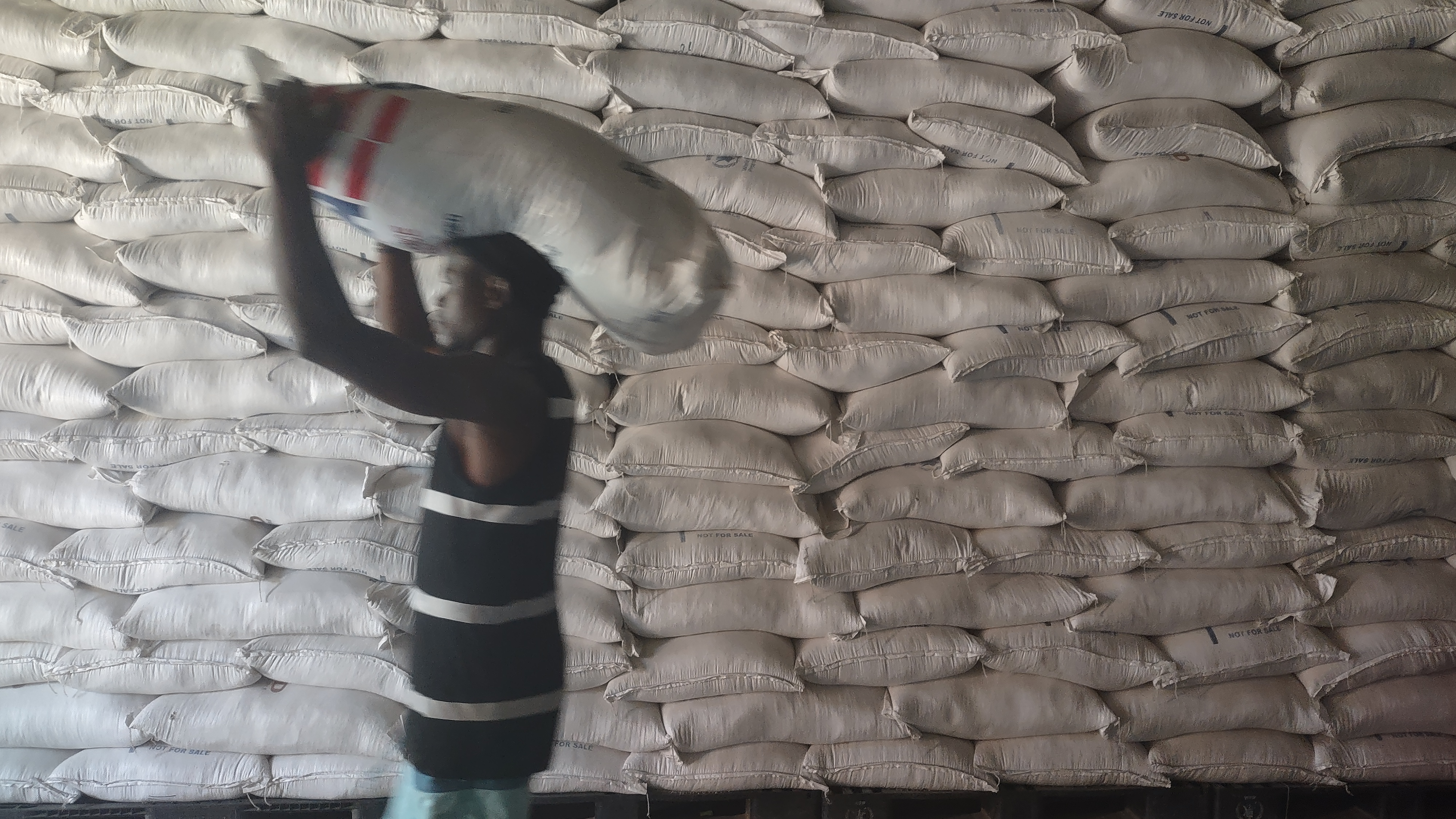
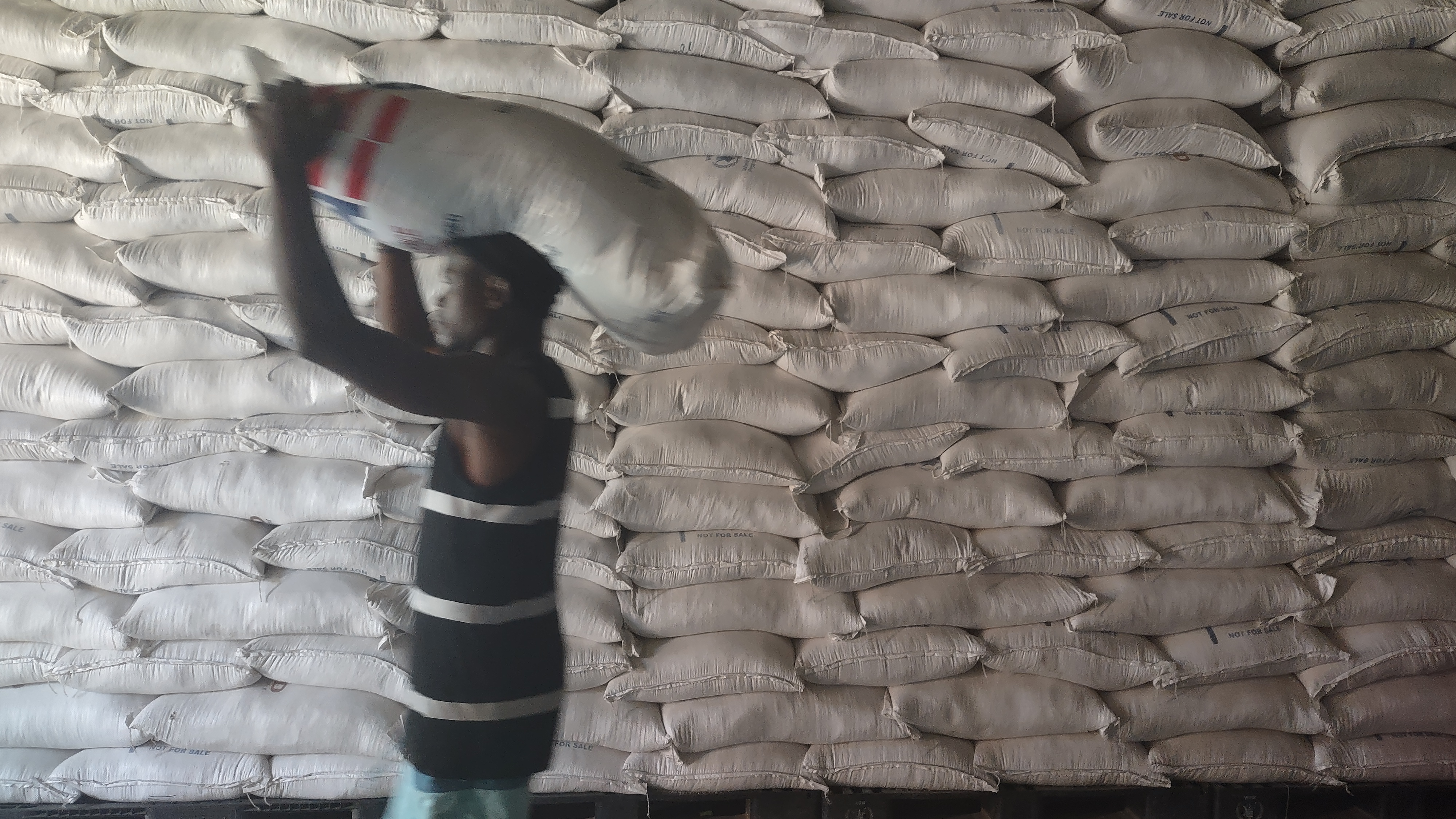

Oanaminthe, Haiti – It’s a Monday afternoon at the Foi et Joie school in rural northeast Haiti, and the grounds are a swirl of khaki and blue uniforms, as hundreds of children run around after lunch.
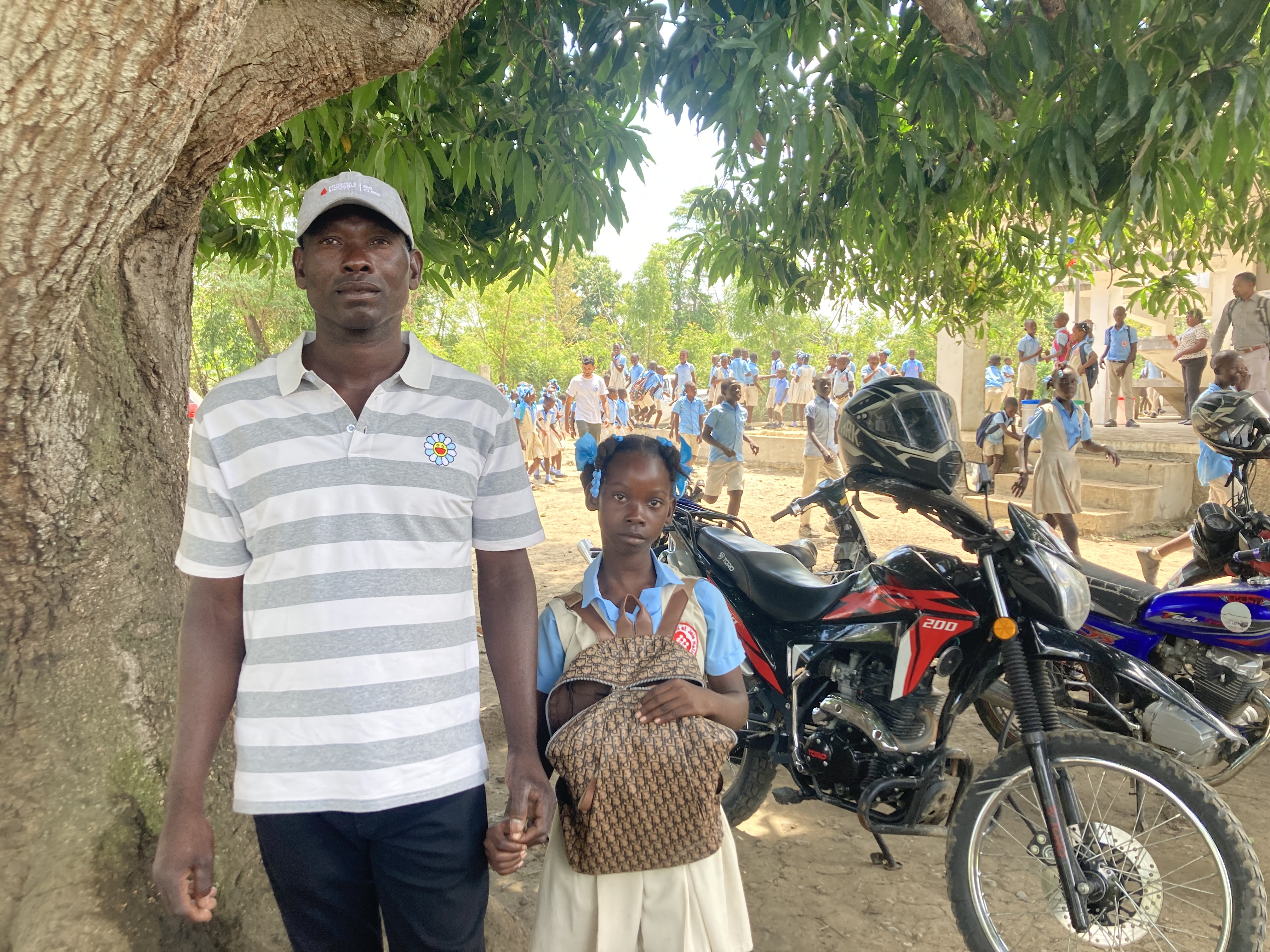
In front of the headmaster’s office, a tall man in a baseball cap stands in the shade of a mango tree.
Antoine Nelson, 43, is the father of five children in the school. He's also one of the small-scale farmers growing the beans, plantains, okra, papaya and other produce served for lunch here, and he has arrived to help deliver food.
"I sell what the school serves," Nelson explained. "It’s an advantage for me as a parent.”
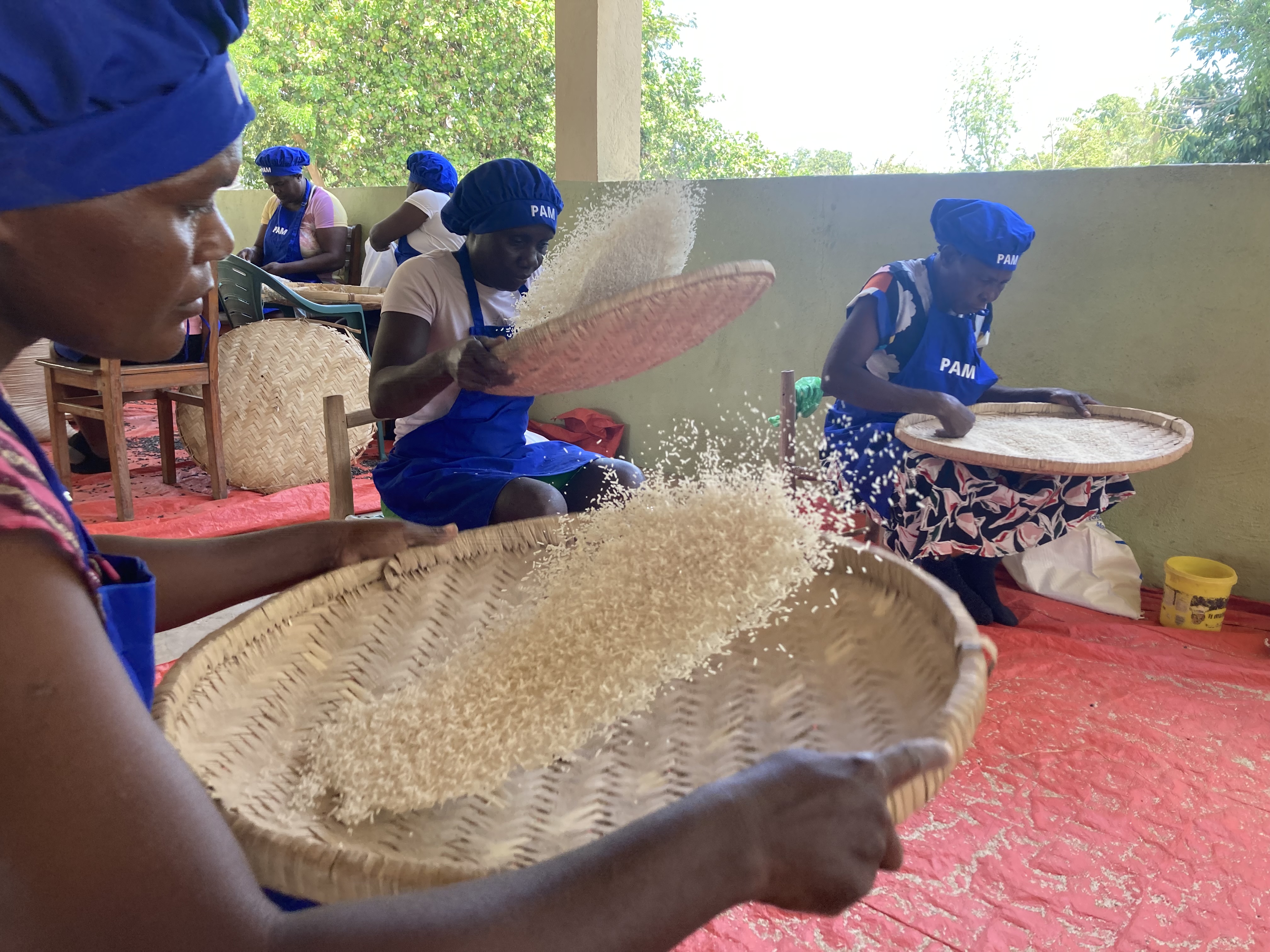
Nelson is among the more than 32,000 farmers across Haiti whose produce goes to the World Food Programme, a United Nations agency, for distribution to local schools.
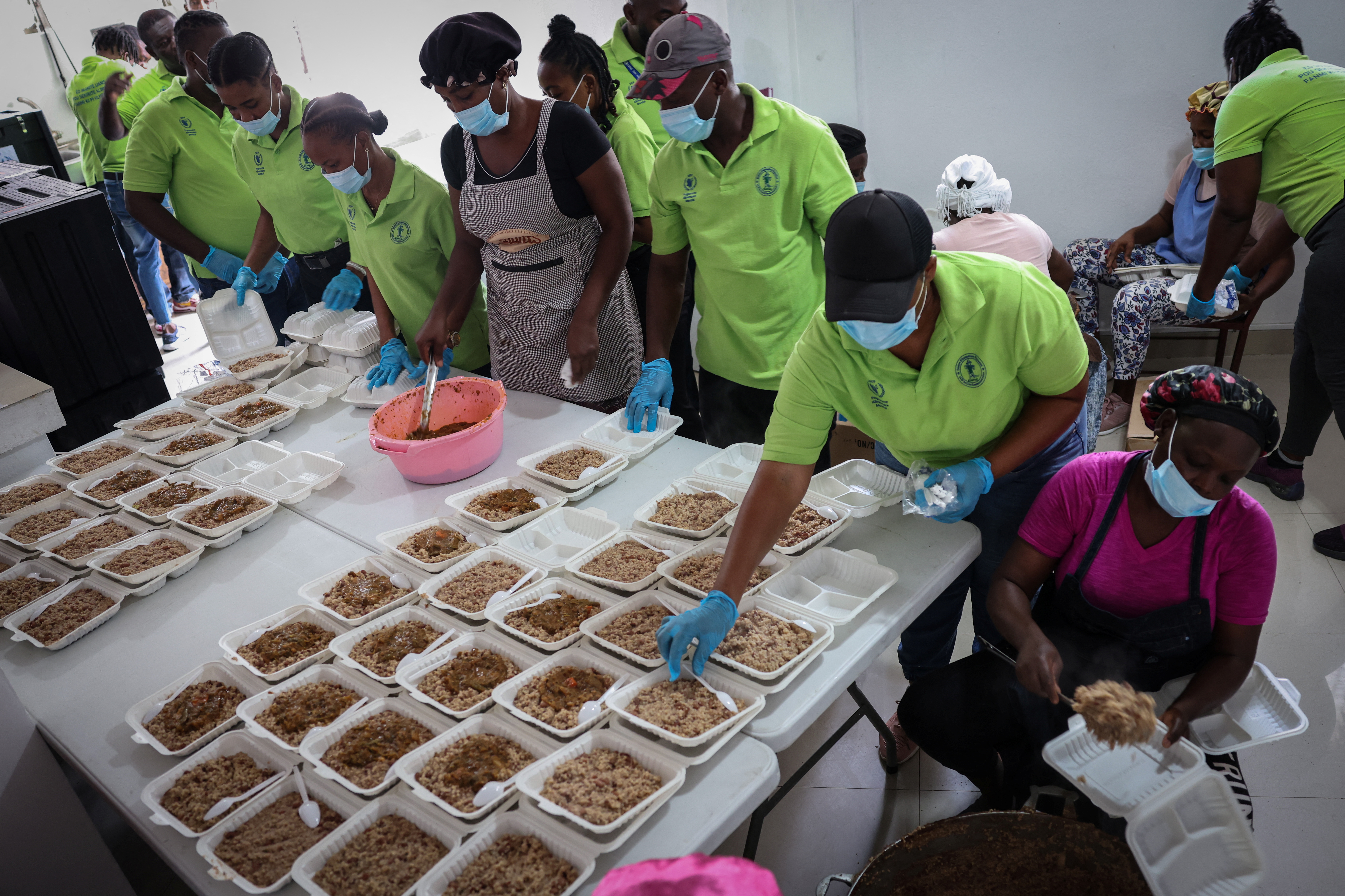
Together, the farmers feed an estimated 600,000 students each day.
Their work is part of a shift in how the World Food Programme operates in Haiti, the most impoverished country in the Western Hemisphere.
Rather than solely importing food to crisis-ravaged regions, the UN organisation has also worked to increase its collaborations with local farmers around the world.
But in Haiti, this change has been particularly swift. Over the last decade, the World Food Programme went from sourcing no school meals from within Haiti to procuring approximately 72 percent locally. It aims to reach 100 percent by 2030.
The organisation's local procurement of emergency food aid also increased significantly during the same period.
This year, however, has brought new hurdles. In the first months of President Donald Trump’s second term, the United States has slashed funding for the World Food Programme.
The agency announced in October it faces a financial shortfall of $44m in Haiti alone over the next six months.
And the need for assistance continues to grow. Gang violence has shuttered public services, choked off roadways, and displaced more than a million people.
A record 5.7 million Haitians are facing "acute levels of hunger" as of October — more than the World Food Programme is able to reach.
"Needs continue to outpace resources," Wanja Kaaria, the programme's director in Haiti, said in a recent statement. "We simply don’t have the resources to meet all the growing needs."
But for Nelson, outreach efforts like the school lunch programme have been a lifeline.
Before his involvement, he remembers days when he could not afford to feed his children breakfast or give them lunch money for school.
“They wouldn’t take in what the teacher was saying because they were hungry,” he said. “But now, when the school gives food, they retain whatever the teacher says. It helps the children advance in school."
Now, experts warn some food assistance programmes could disappear if funding continues to dwindle — potentially turning back the clock on efforts to empower Haitian farmers.

'He lost his entire business'
Transitioning to locally sourced food assistance has been challenging in Haiti largely for the same reason farming is: Buying local produce is often more expensive.
But many credit Jean-Martin Bauer with helping that shift to happen.
Bauer, the director of food security and nutrition analysis at the World Food Programme, was born in the US to a Haitian mother. But he spent part of his teenage years on his uncle's rice farm in southern Haiti, perched at the edge of the Caribbean Sea.
Those early experiences helped spark his interest in food security. But they also opened his eyes to the risks associated with foreign influence in agriculture.

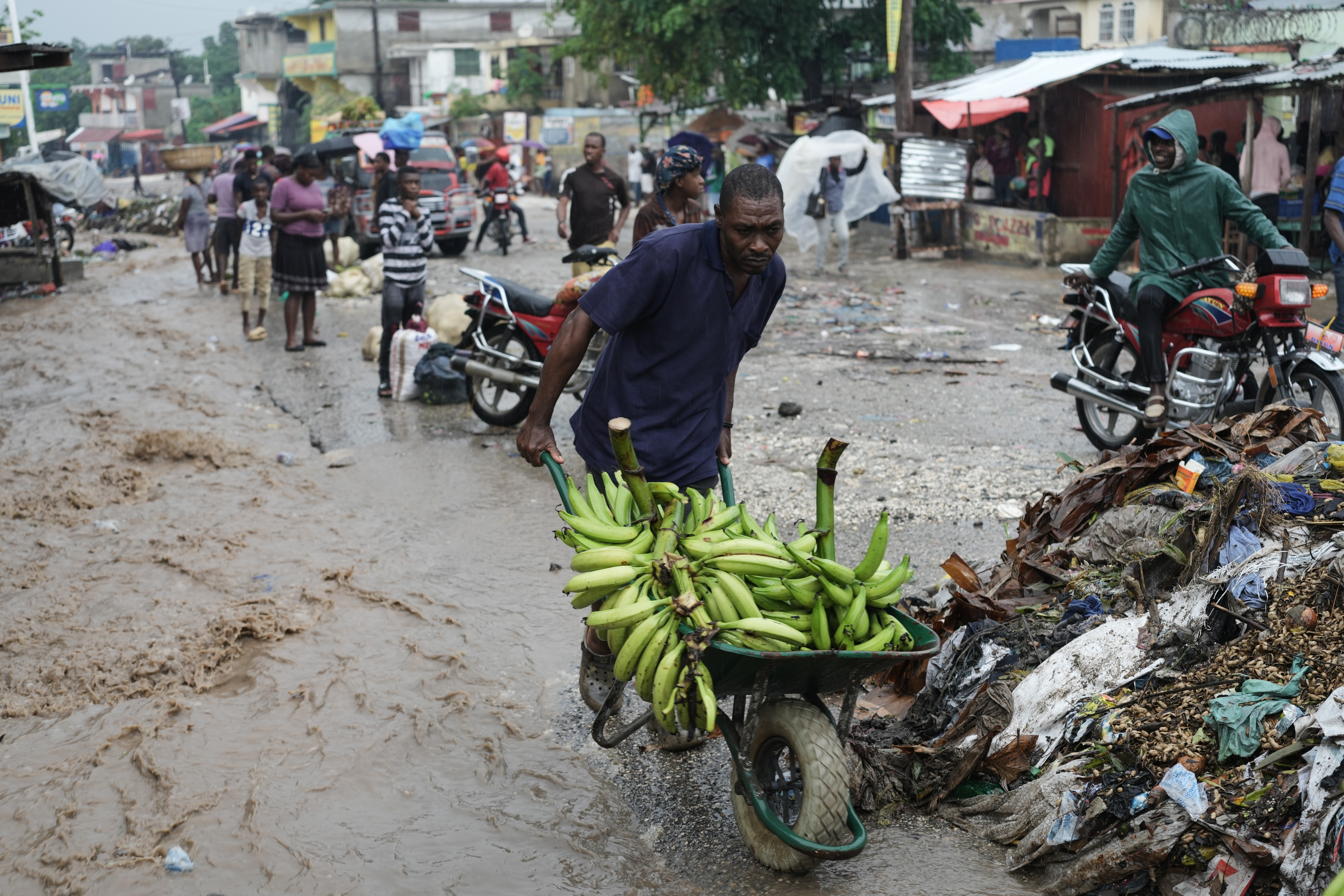
Until about 30 years ago, Haitians grew most of what they ate: grains, beans and vegetables. For much of the 20th century, agricultural products also encompassed the largest share of its foreign exports.
But after the fall of the Duvalier family dictatorship in 1986, the US-backed provisional government agreed to lift trade restrictions, including those designed to protect Haitian agriculture.
It was the beginning of the end for some Haitian farmers. Ten years later, under pressure from the US and International Monetary Fund, Haiti slashed tariffs on rice imports from 35 to 3 percent.
“That’s something that really hurt my family,” Bauer recalled.
Haiti quickly became one of the most lucrative markets for exported US-grown rice in the world. The country was flooded with cheap "Miami rice", which outcompeted locally grown grains.
Bauer's uncle was among the local farmers harmed by the market upheaval.
“He lost his entire business,” Bauer said. “He lost its customers as a result of the overnight reduction in tariffs.”
A debate over aid
Foreign aid has also contributed to the competition Haitian farmers face.
Countries like the US have long used food aid as a vehicle to subsidise their own farmers and offload surplus produce abroad.
Until the mid-aughts, the World Food Programme dealt largely with "in-kind donations": shipments of food, other goods and services from donor countries.
But the UN agency has increasingly called upon its backers to switch to cash transfers, which allow for greater flexibility and the possibility of purchasing directly from local farmers.
That decision was not without controversy, particularly in countries like the US, which has a strong farm lobby.
Critics have argued that the push for cash could jeopardise support for foreign aid in donor nations. They also warn that purchasing from crisis-stricken areas could have unintended consequences, including driving up costs for local consumers.
"We cannot guarantee the availability of commodities in foreign markets, but we can guarantee the availability, safety and reliability of American commodities," US Representative Bob Goodlatte said in 2007, as he questioned the shift.
But proponents point out that cash funding allows humanitarian organisations to address the underlying problems behind hunger, including economic instability.
“Feeding people is not so much about dollars and cents and calories,” said Bauer, who led the World Food Programme's Haiti mission from 2022 to 2024.
“It's really about identity. It's about belonging. It's about who you are and enabling farmers to feed their own communities. It's a foundational thing.”
A shift in foreign assistance
In Haiti, the World Food Programme's shift to sourcing more food locally began in earnest in 2015 and accelerated in 2021.
With hunger rising, the UN agency more than doubled the amount of food it procured for Haiti from 2019 to 2024. Local purchases accounted for all of that increase.
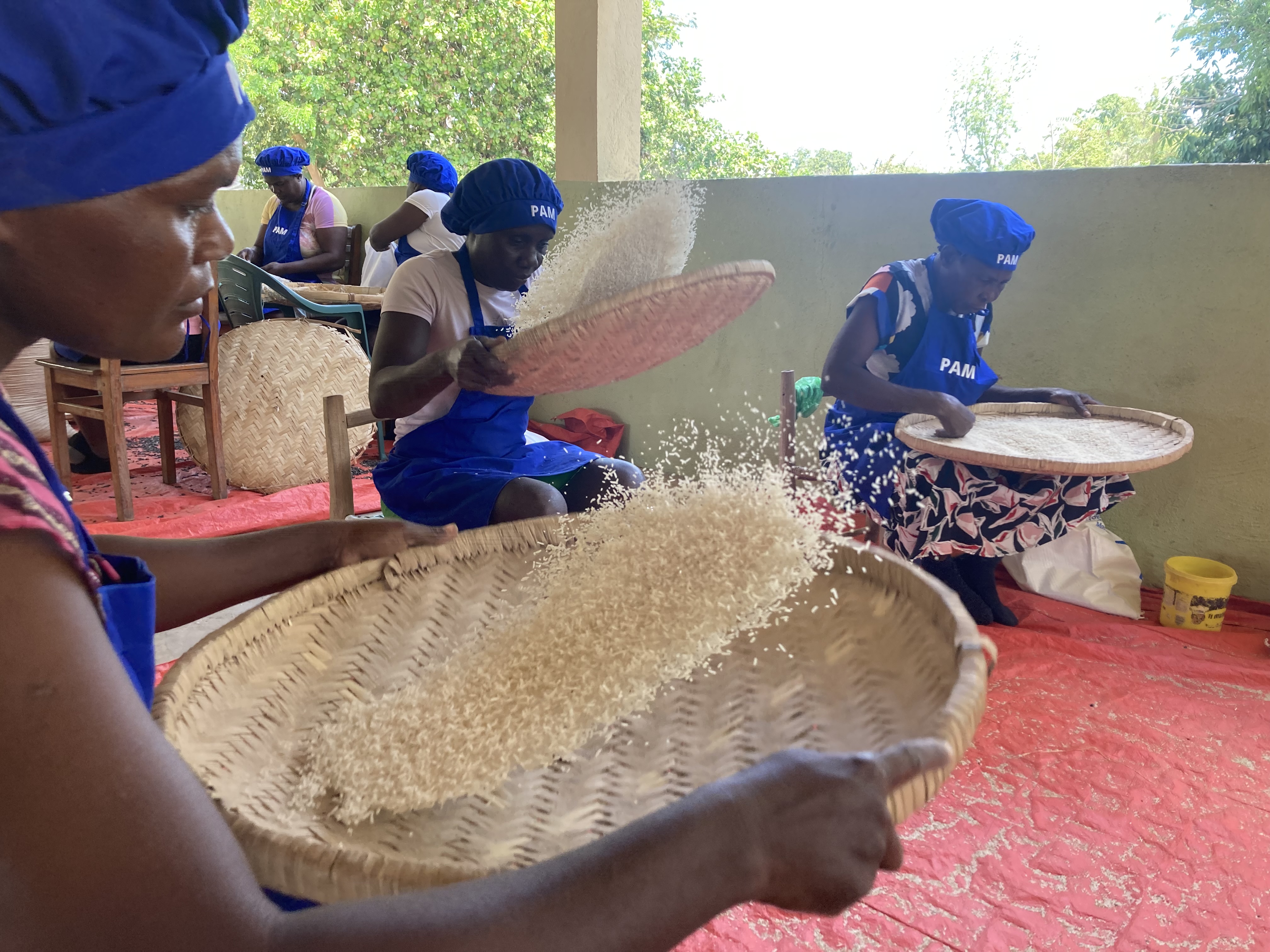
For the 2024-2025 school year alone, the World Food Programme estimated that its Home-Grown School Meals Programme — the initiative Nelson is part of — pumped more than $10m into Haiti's agricultural sector.
Other aid agencies have also started to switch their model of operating in Haiti.
Mark Khouri, the executive vice president and chief operating officer of Food for the Poor, a US-based religious nonprofit that has worked in Haiti for decades, told Al Jazeera that his group still imports most of its aid.
But a decision was made five years ago to buy local where possible — at least, when it's not twice the price of imports, he explained. Local purchasing has since increased, but Khouri said that trend could be disrupted if global economic uncertainty drives down donations.
Other nonprofits, like Summits Education, World Central Kitchen and ActionAid, have indicated that local sourcing is a strong priority.
The threat of US cuts
Experts warn, however, that the World Food Programme's efforts to fortify the Haitian agricultural sector have been imperilled by recent funding cuts.
From 2021 to 2024, the US — the programme's biggest donor — pledged more than $1.1bn in foreign assistance to Haiti.
But that support took a hit when President Trump took office for a second term. On January 20, his inauguration day, the Republican leader ordered the suspension of foreign aid.
Then came the cuts. In March, Trump's secretary of state, Marco Rubio, announced that 83 percent of contracts overseen by the US Agency for International Development (USAID) had been cancelled. The agency itself was later dismantled.
In April, the Trump administration notified the World Food Programme that it planned to suspend emergency food assistance to 14 countries.
After the organisation warned the cuts "could amount to a death sentence for millions", much of the funding was restored.
But the Trump administration has still pushed forward with rescinding $4.9bn in congressionally approved foreign aid, much of which was destined for the UN.
The World Food Programme had faced funding shortfalls before, with contributions lagging behind inflation in recent years, despite rising demand.
But the growing uncertainty means it will face difficult decisions about how to spend its flexible funding, according to Tanya Birbeck, the World Food Programme's communications head in Haiti.
“Any reduction of funding creates a humanitarian dilemma,” Birbeck said. “WFP is making all efforts to strengthen Haiti’s food systems by supporting local production ... At the same time, needs are rapidly increasing.”
The World Food Programme has not made public how the latest cuts are affecting their purchasing decisions in Haiti or elsewhere.
Some outside the agency speculate that fewer funds will result in more imported food aid and less local procurement. Others see a decline in both.
“The US funding cuts and the other major Western donor funding cuts severely undercut WFP's ability to deliver food aid, wherever it's been procured,” said Chris Newton, an analyst at the International Crisis Group think tank.
“So those local and regional procurement efforts will necessarily get hit.”
Nelson's dreams
Some experts believe, however, that the full brunt of the US cuts has yet to be felt in Haiti, as organisations draw on existing budgets and emergency funding.
"I think the big effect is that there's no expectation of future programmes,” said Jake Johnston, who studies foreign aid in Haiti at the Center for Economic and Policy Research.
“I think everyone is responding, even if they haven't faced a direct cut or premature end of a programme. They're adapting to their perceived new reality.”
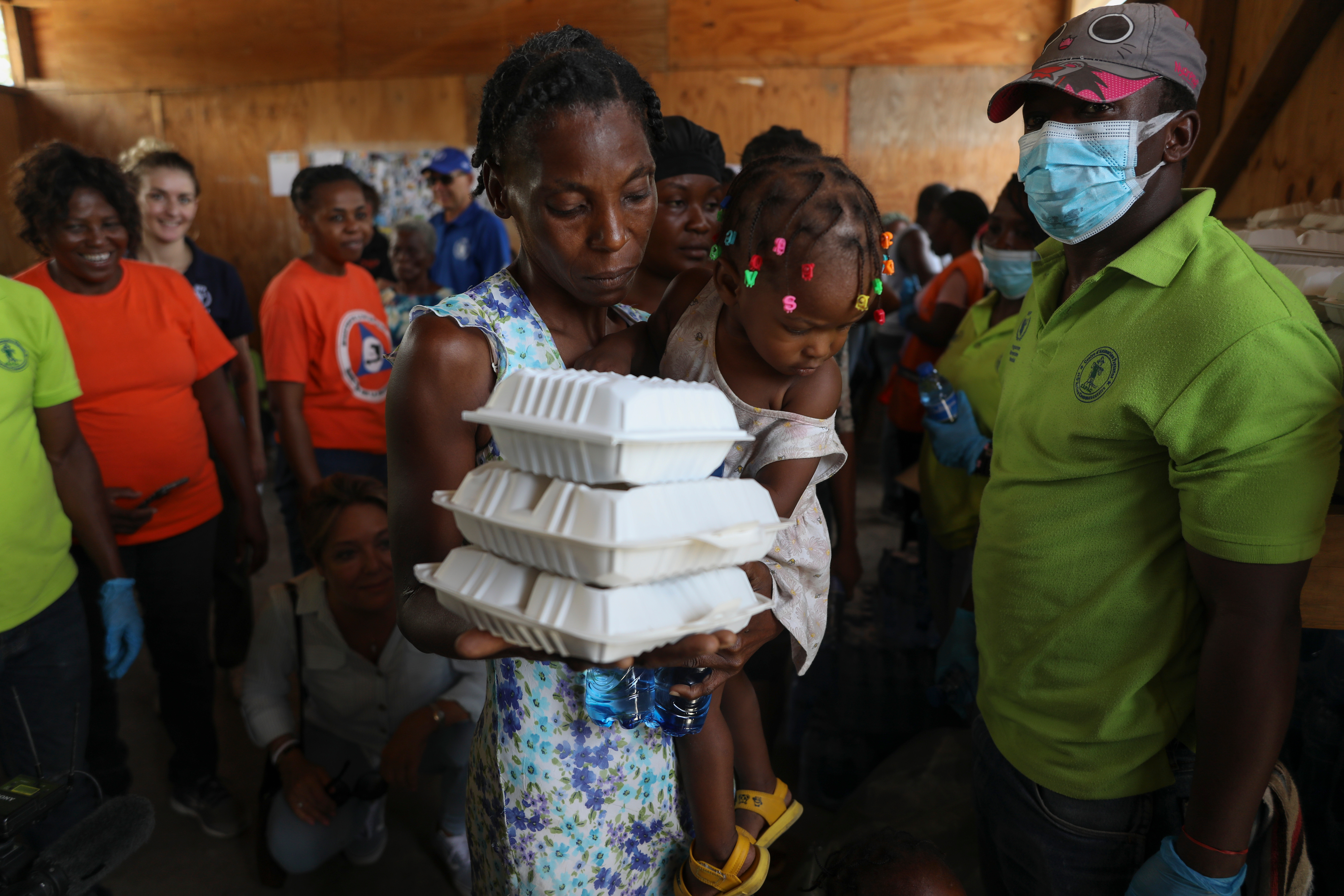
So far, the World Food Programme has acknowledged that funding delays have forced it to suspend some operations. No longer can it offer hot meals to Haitians recently displaced by violence, and emergency food rations have been halved.
Still, Birbeck said the World Food Programme plans to forge ahead with its Home-Grown School Meals Programme, with the goal of all local sourcing by 2030.
This fall, the school meals programme is expected to reach 70,000 more students than last school year, with food from 7,000 additional Haitian farmers.
Nelson said being one of the farmers selling to the World Food Programme has changed his life.
When school is not in session, his wife typically travels to the local market to sell their produce. But she often cannot compete with the cheaper products from the neighbouring Dominican Republic, so she lugs much of her stock home unsold.
During the school year, by contrast, Nelson said his family is guaranteed to make a sale. Through the World Food Programme, his farmer's association provides more than 37 metric tonnes of produce every month to feed about 15,000 students.
But Nelson wants to go bigger. He is saving to build a new home for his family in a safer neighbourhood.
For now, though, he is waiting to see whether the school meal initiative does indeed expand, in light of the uncertainty ahead.
“I would like to see the programme last another 15 or 20 years and expand to more schools,” he said. “I would grow more if I knew I could sell more.”
Journalists Alendy Almonor and Makenson Remy contributed to this report.
