High stakes for Javier Milei as Argentina's midterms loom
The midterm elections are set to serve as a referendum on President Milei's economic policy. But will scandals scuttle his goals?
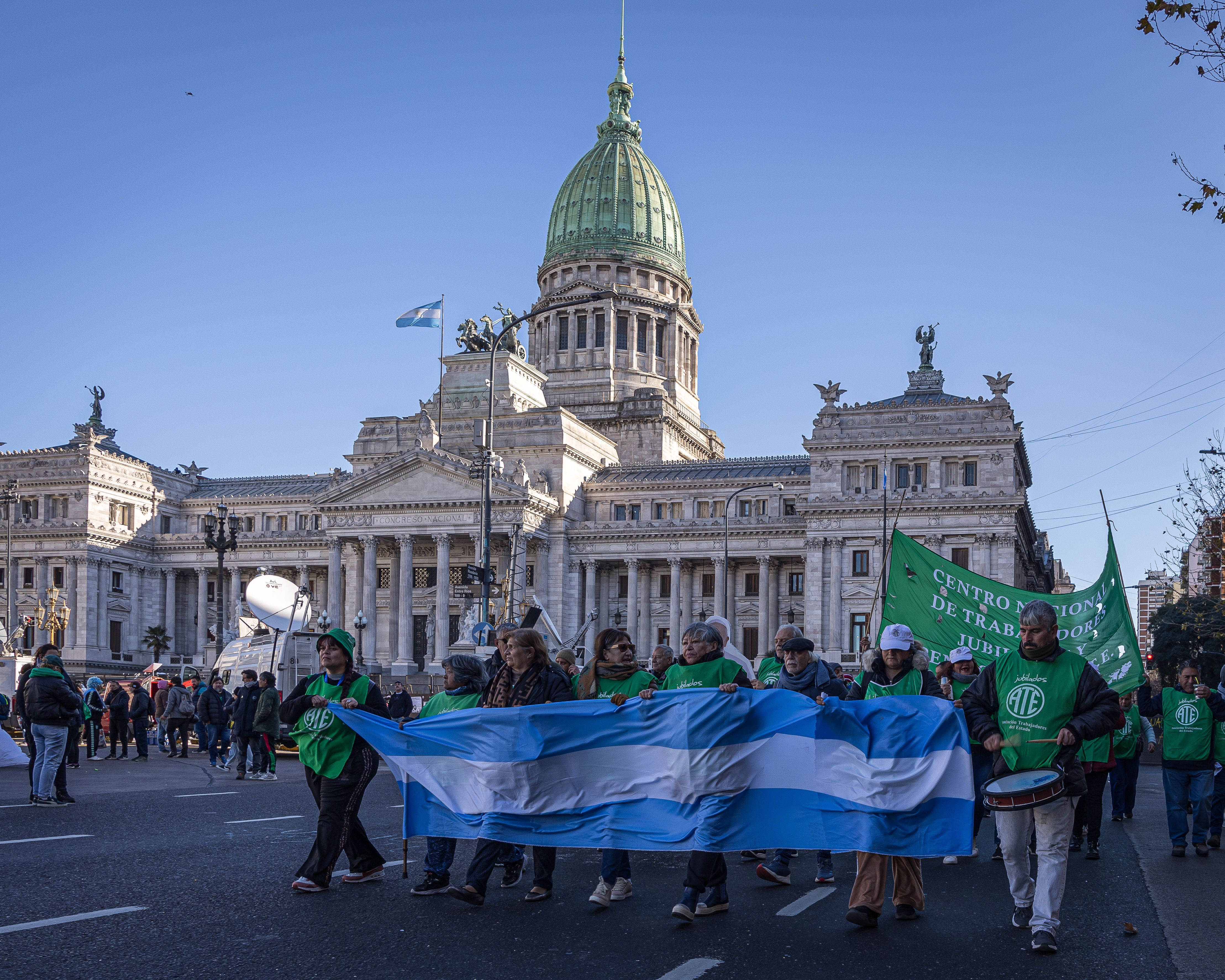

Buenos Aires, Argentina – A string of high-level scandals, coupled with a stalling economy and eroding approval ratings, are threatening President Javier Milei’s hopes for Argentina's midterm elections.
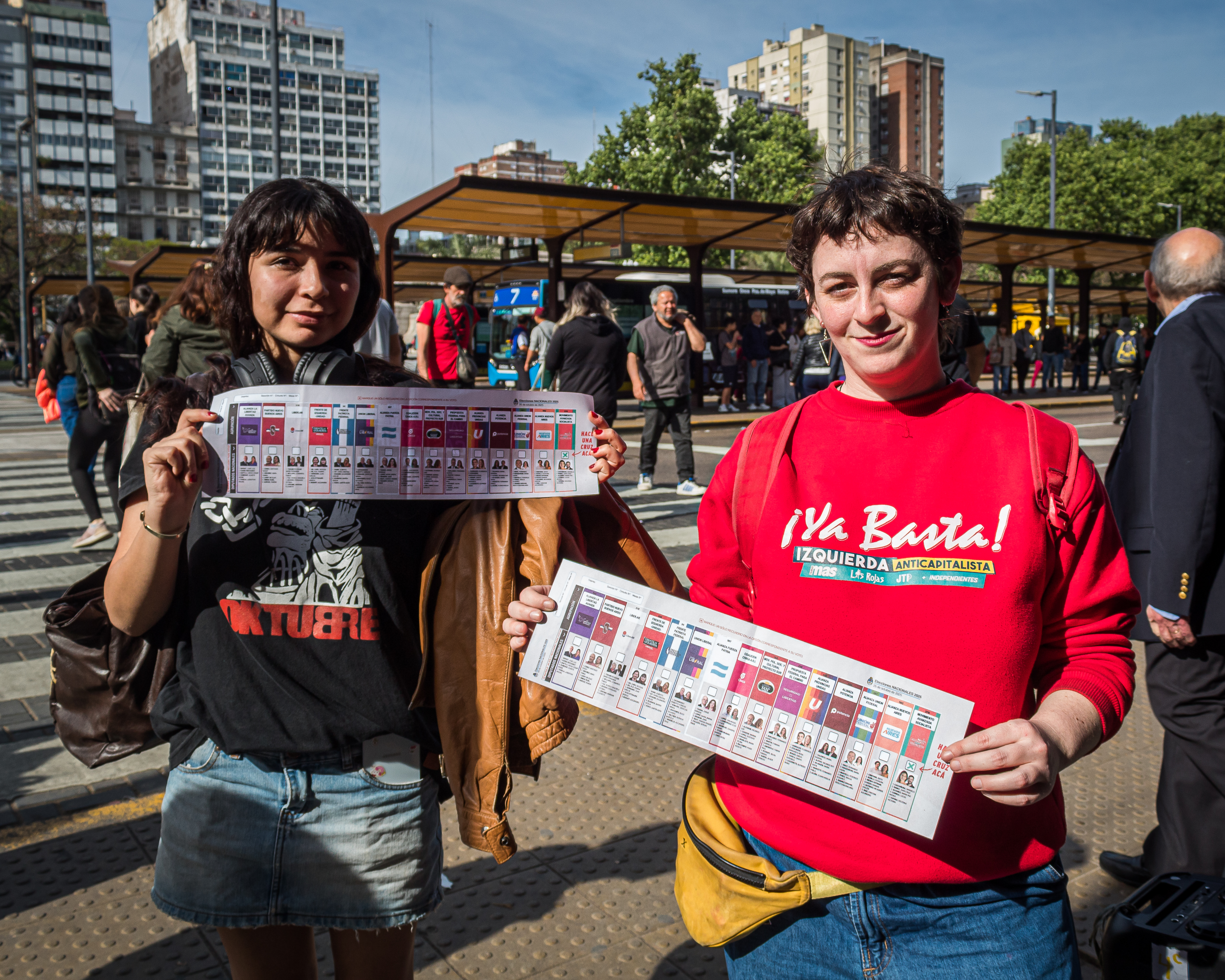
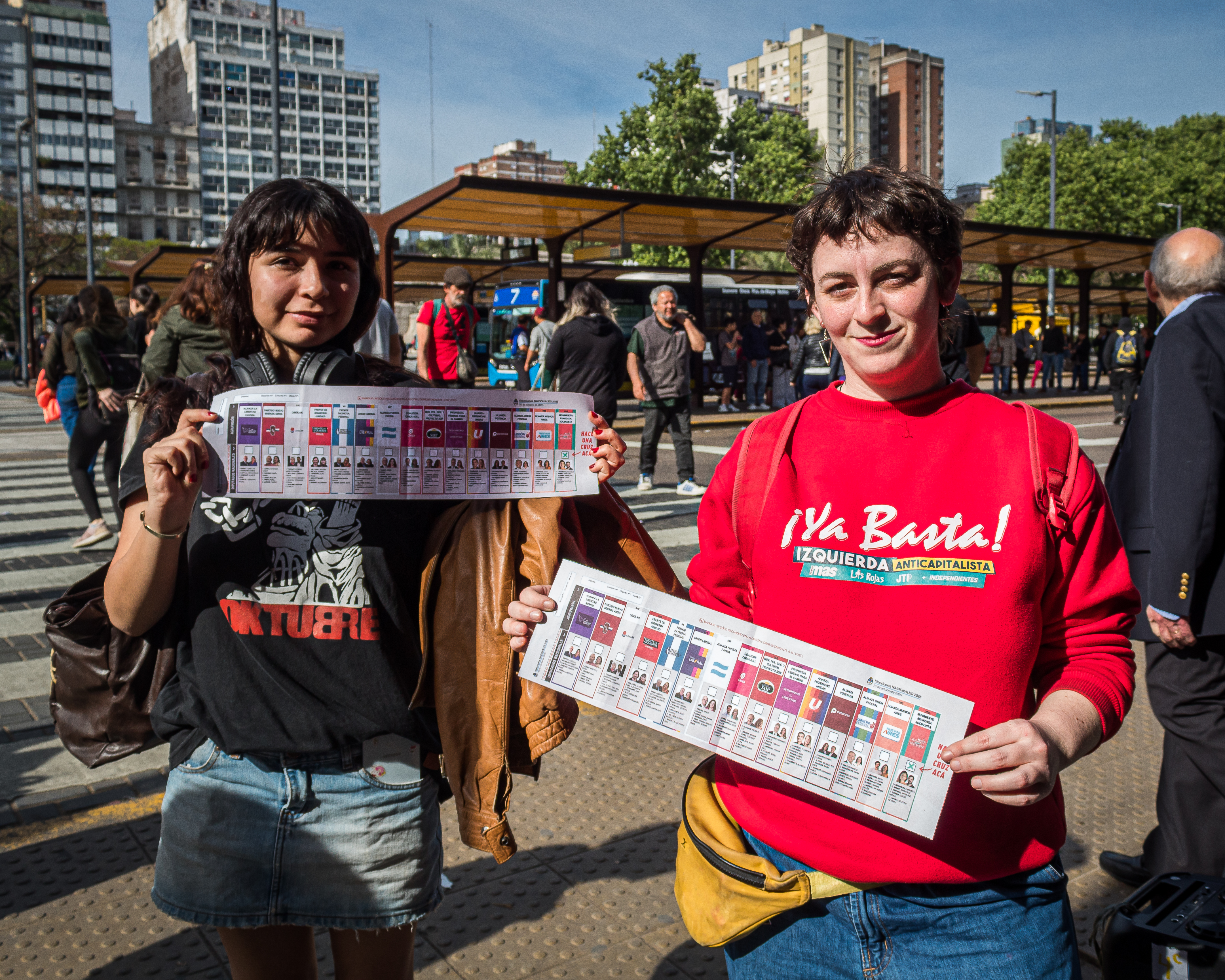
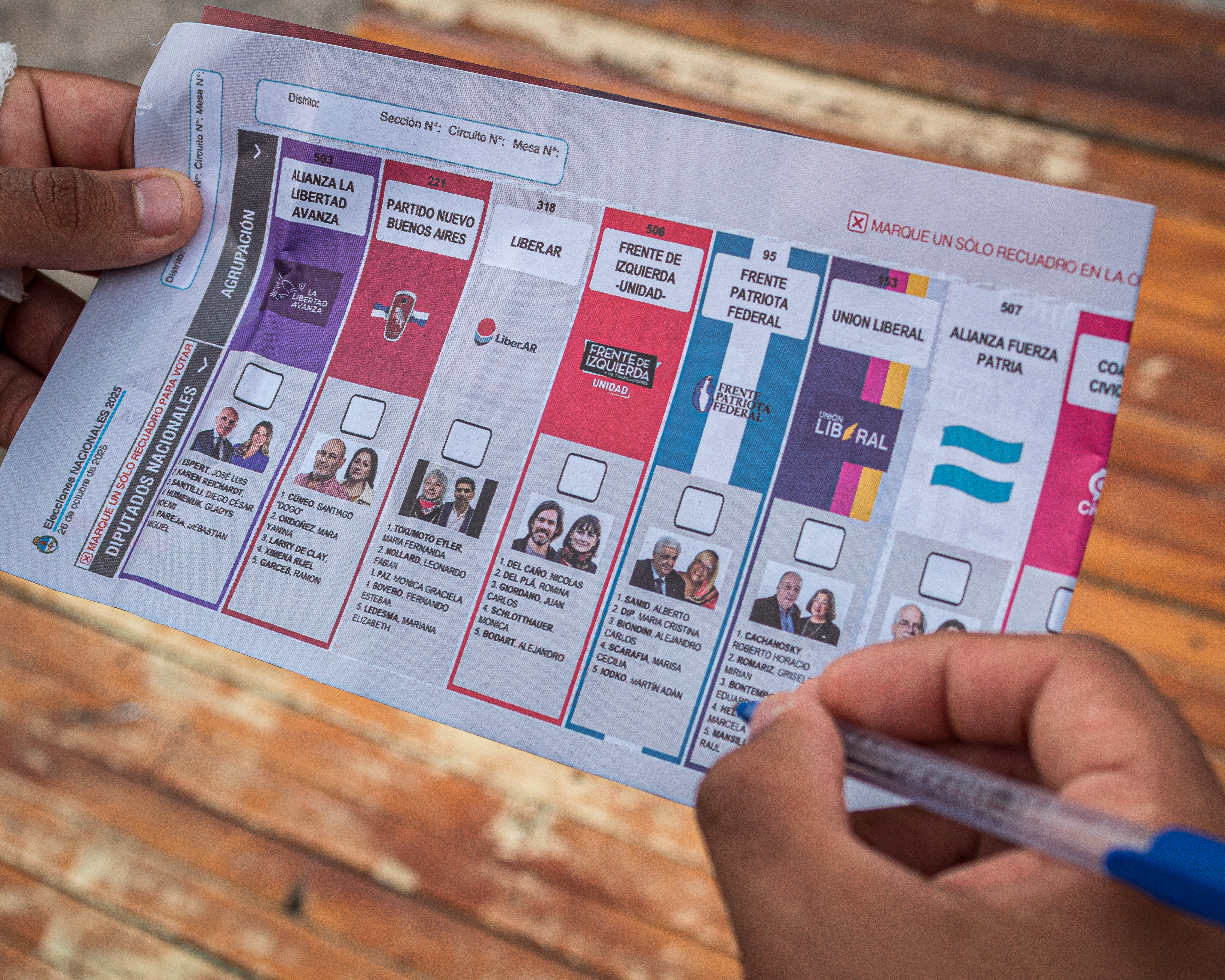
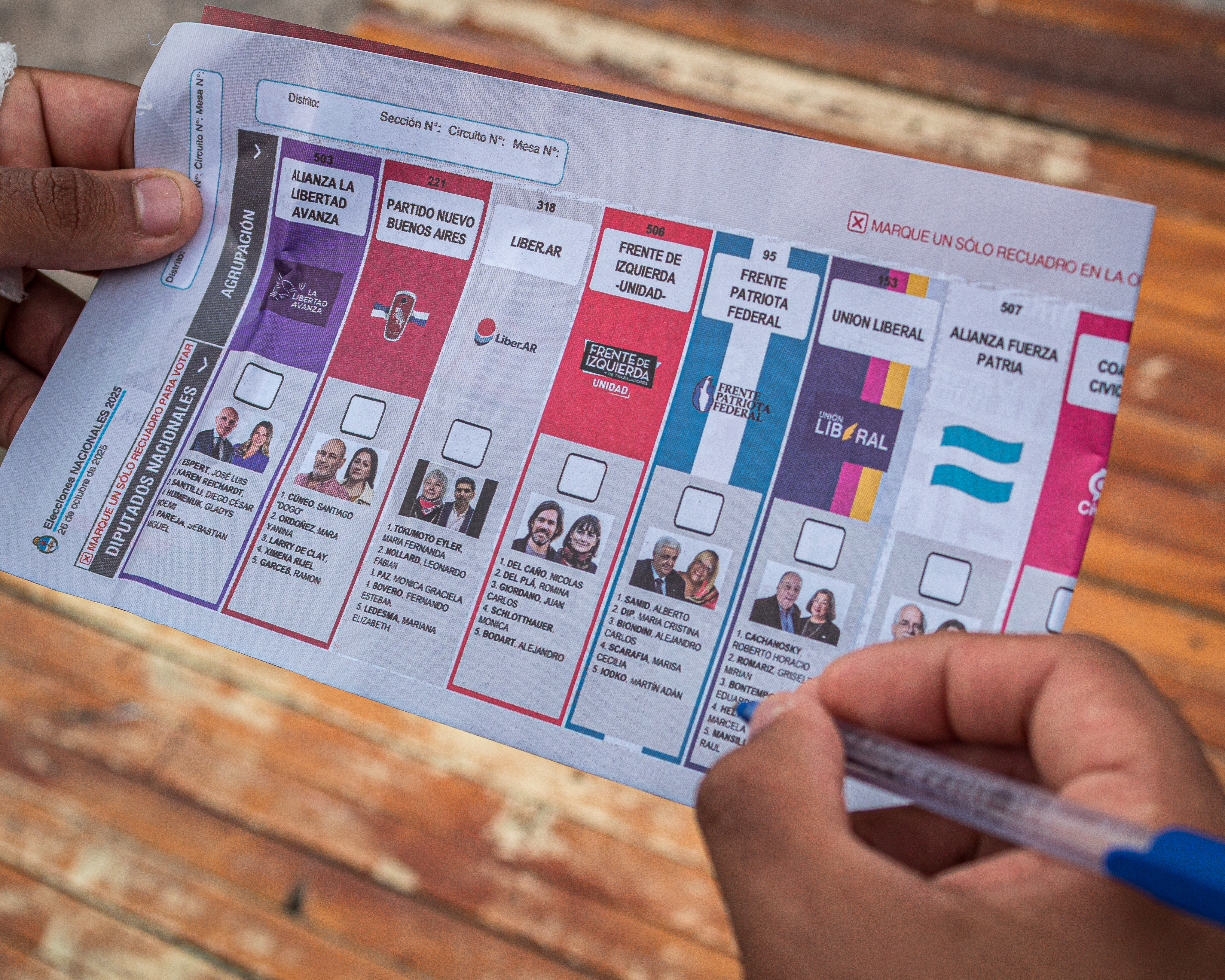
On October 26, Argentina will head to the polls to elect half of its Chamber of Deputies and a third of its upper house, the Senate.
Currently, both chambers are controlled by the left-wing and centrist opposition to Milei's far-right party, La Libertad Avanza.
But the midterms offer a critical opportunity for Milei's allies to gain ground in Congress.
“The government is looking to get a third of Congress to build a ‘legislative shield,'" said Andres Malamud, a senior research fellow at the University of Lisbon's Institute of Social Sciences.
That number of seats, Malamud explained, will prevent the opposition from forming a supermajority to override Milei's vetoes.
It would also allow for Milei "to govern without a majority, for his decrees not to be challenged, and protect him from a potential impeachment in the future".
Experts say the midterms will serve as a de facto referendum on the first half of Milei’s four-year term, which has seen Argentina's sky-high inflation stabilise at the expense of public spending.
But success for Milei is far from guaranteed. According to Malamud, voters have yet to see the economic recovery Milei promised in his 2023 bid for the presidency.
“So far, he has been able to govern thanks to the public’s support, from people who were struggling but believed he could change things — that the future was going to be better," Malamud said.
"But the challenge now is that things are not better, so the question is whether those who supported him before will go and vote for his candidates.”
Leaning on the economy
It is not uncommon for a president's party not to have a congressional majority.
But Malamud explained that the challenge for Milei is that he has been unable to form strong coalitions.
A self-proclaimed anarcho-capitalist and an economist by profession, Milei had campaigned on his status as an outsider, denouncing career politicians as a "caste" of thieves.
He had only served a single term in the Chamber of Deputies before becoming president.
But since winning the presidential run-off in November 2023, Milei has transformed into a rising star on the far right. United States President Donald Trump and tech billionaire Elon Musk count themselves among his supporters.
He has also made good on his pledge to take a "chainsaw" to the federal government. As president, he has cut spending on healthcare, education, social services and public infrastructure in order to achieve a fiscal surplus.

While his administration has managed to lower inflation, his economic plan saw the Argentinian peso appreciate, which has stalled salary growth.
That has led to a sharp fall in the purchasing power of large sectors of the population.
Against this backdrop, the race to amass seats in Congress has been challenging for Milei, even when faced with Argentina's fractured left.
Malamud believes that, if Milei delivers on his promises of economic recovery, other elements of his platform, including his austerity measures, might seem more palatable.
“If Milei manages to keep inflation low — and for that, he needs money — he will have the space to push forward on other aspects of his political agenda," Malamud said.
"But if prices and the dollar go up, he will not be able to do this."
String of scandals
But gaining support has proven difficult, as a series of high-level scandals has taken a toll on the approval ratings for both Milei and his party.
On October 6, for instance, a leading Milei-backed candidate, Jose Luis Espert, suspended his campaign after he was charged with money laundering.
Prosecutors say Espert accepted at least $200,000 from Federico Andres Machado, an Argentinian businessman who is being extradited to the US on drug trafficking and fraud charges.
Until those allegations came to light, Espert had been a leading contender to represent the province of Buenos Aires in the Chamber of Deputies.
Milei has denounced the accusations as a "malicious operation" to "smear" the candidate, and Espert himself has denied any wrongdoing.
But Espert is not the only figure in Milei's inner circle to face controversy.
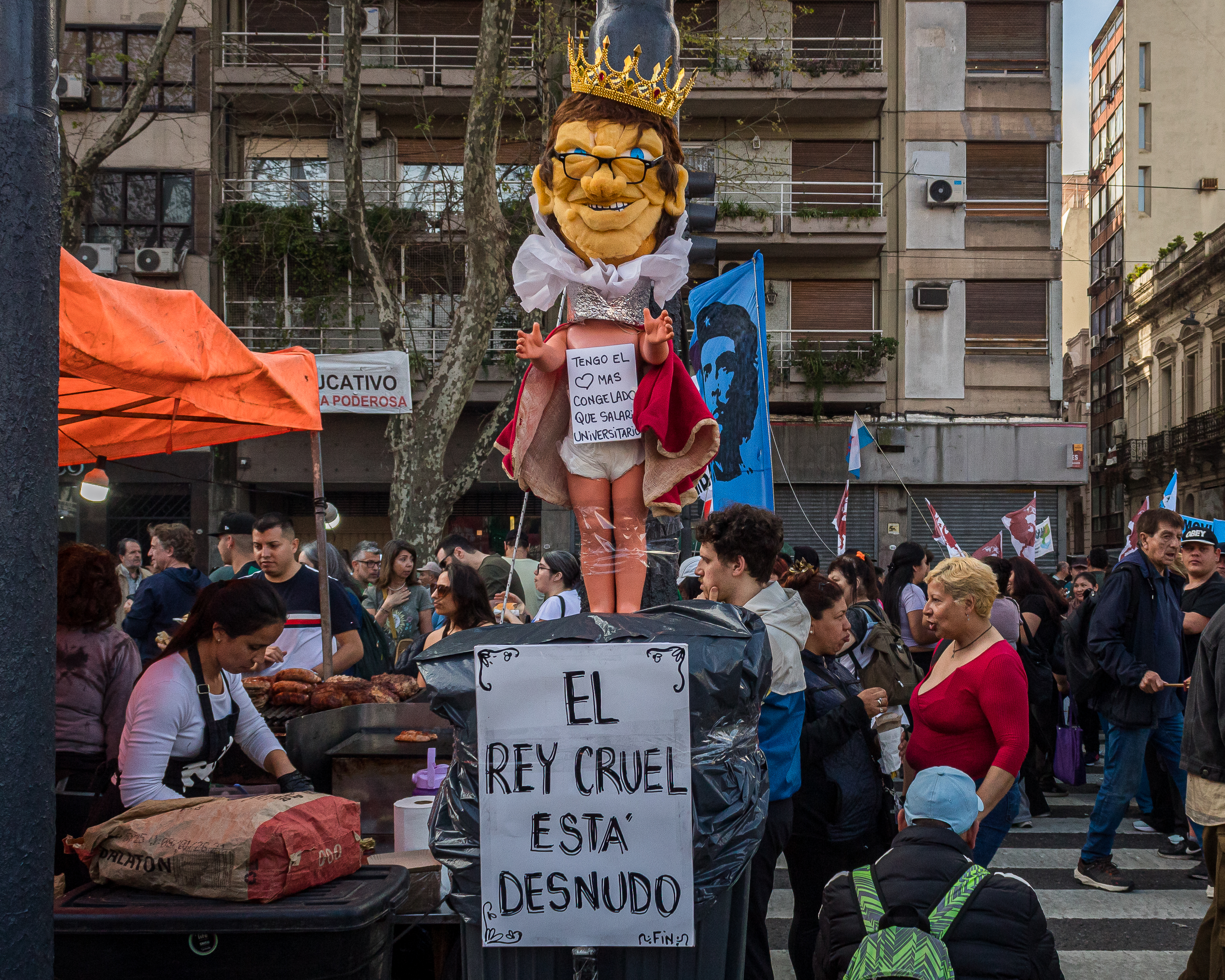
A few weeks earlier, leaked audio captured Diego Spagnuolo, the former head of Argentina’s National Disability Agency, accusing the president's sister, Karina Milei, of requesting kickbacks from pharmaceutical companies.
Milei, who appointed his sister as secretary-general to the presidency, has likewise rejected those accusations.
He called the leaked audio part of an “orchestrated and planned disinformation campaign” aimed at “maliciously influencing the electoral process”.
In the wake of the scandal, however, Argentina's Congress delivered high-profile rebukes to Milei's platform.
It overrode Milei's veto for the first time in September to defend disability spending. Then, in October, it rejected Milei's veto again to preserve increases to education and healthcare funding.
The Trump factor
The controversies and legislative hurdles have slowed La Libertad Avanza's momentum going into the midterms, according to Carolina Barry, a political science researcher and co-editor of the Historical Dictionary of Peronism.
She sees the road ahead for the party as a rocky one.
“The government is facing this race in a state of considerable uncertainty, thanks to the many setbacks it has suffered in Congress and the accusations affecting the party,” Barry said.
Just this month, the research firm Nueva Comunicacion found the centre-left political party Fuerza Patria leading Milei's La Libertad Avanza by 15 points ahead of the vote.
Experts also point to last month's provincial-level elections in Buenos Aires as a bellwether for the midterms: La Fuerza Patria came out ahead in that race as well.
But despite the election-season challenges, Milei has found a powerful ally in President Trump.
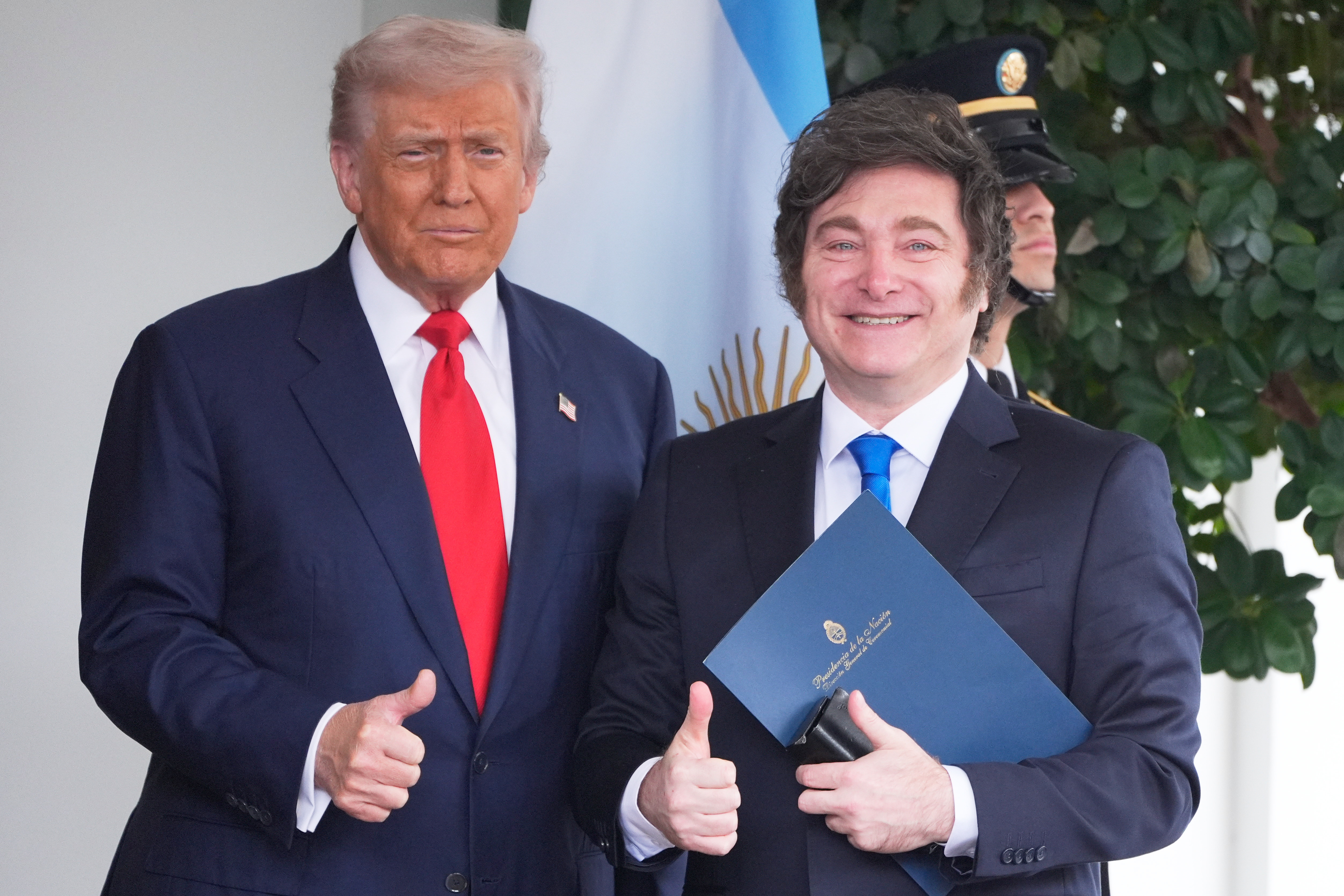
The US president endorsed Milei on September 23, and a day later, the US Treasury announced it was pursuing a $20bn currency swap with Argentina to stabilise the value of its peso.
Those efforts were aimed at giving Milei a boost ahead of the midterm race, a fact Trump himself admitted.
But in doing so, Trump warned that the economic lifeline was contingent upon Milei's success at the ballot box.
Trump's threat sent the value of the Argentinian peso tumbling, after a brief rally following the news of the currency swap.
“Trump is supporting Milei, but then he says something else, and that is generating a lot of questions and uncertainty,” said Barry. "None of that is helping Milei at home."
She believes it is likely that La Libertad Avanza will pick up some seats in the midterm election, but not enough to push through Milei's reforms without coalition-building.
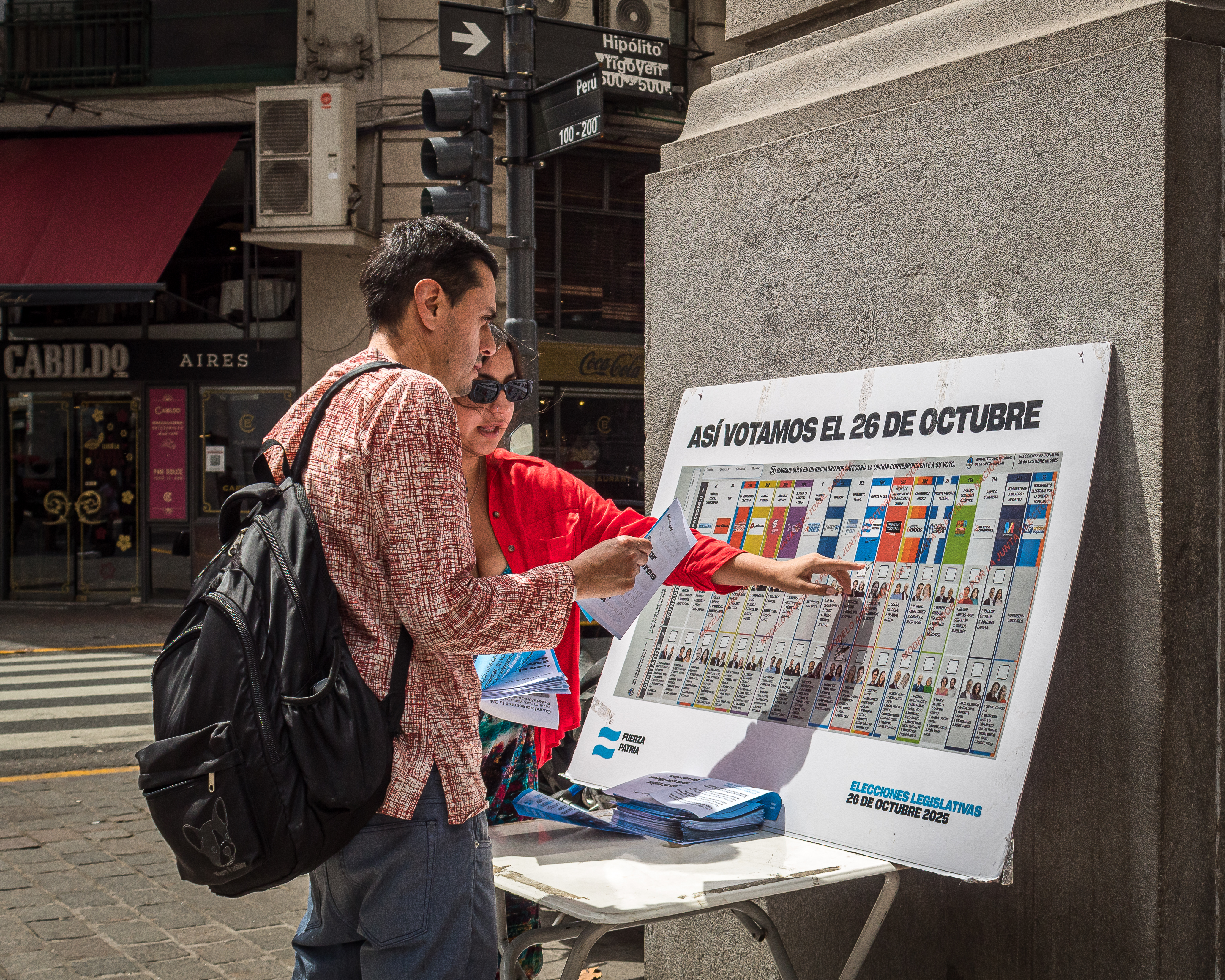
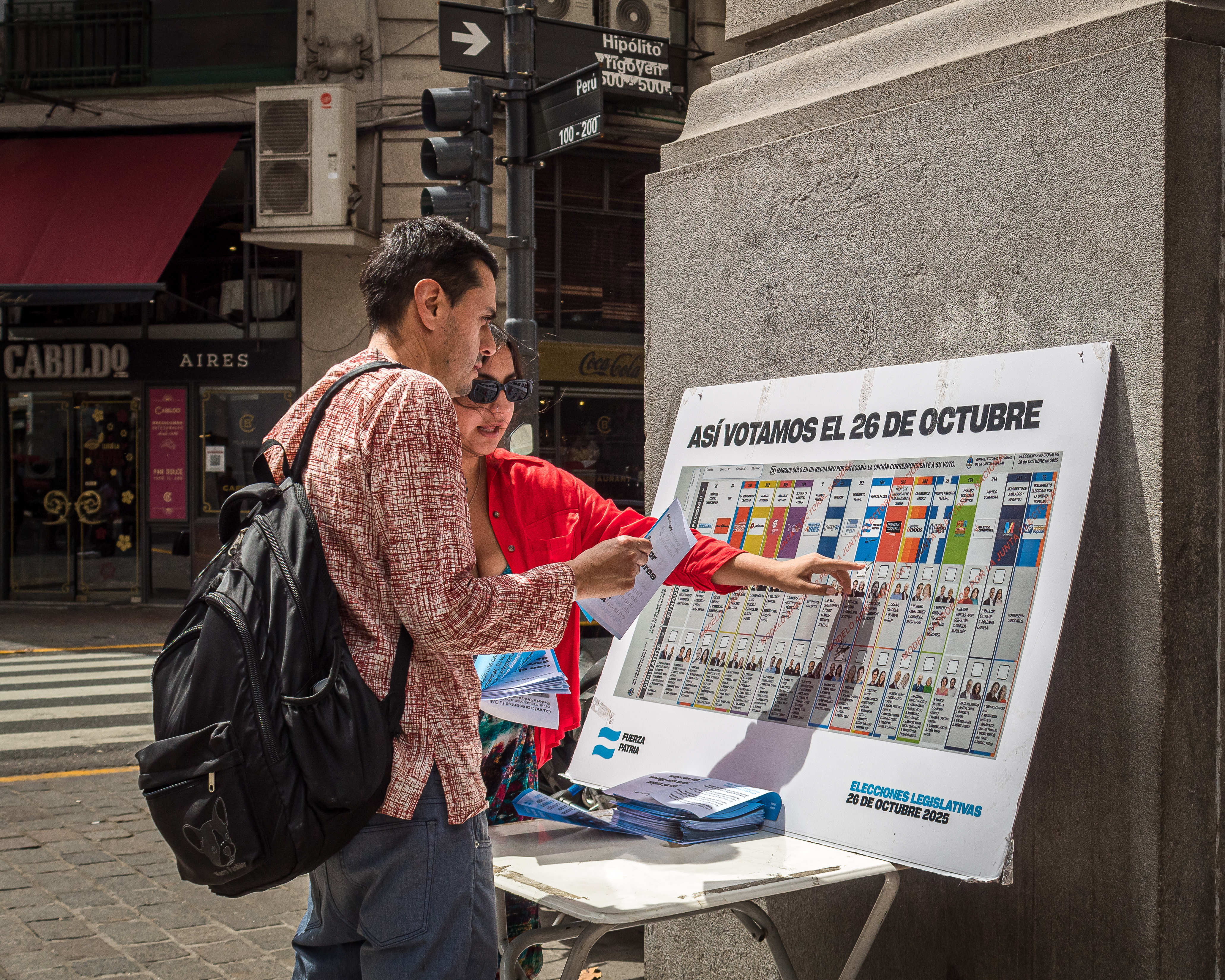
Mariana Heredia, a researcher at the National Scientific and Technical Research Council (CONICET), acknowledged that Trump's support for Milei has generated controversy, with some perceiving it as election interference.
But, she said, Trump is unlikely to have the same influence over voters as the biggest factor in the race: the economy.
“The government is heading into the election weakened because, unlike last year when it managed to combine stabilisation with a modest economic rebound, this year the effects of the austerity measures are being felt much more strongly across a range of sectors," Heredia said.
"The economy is stagnant, and the only sectors showing any momentum or dynamism are mining and oil — which have very little spillover effect on urban populations, who make up the majority of voters.”
Malamud likewise expects the success of Milei's party to hinge upon the economy — and market fluctuations could spell disappointment.
"His support base is fragile. It is based on expectations of the future," he said.
“In the end, everything is about the economy and money."
