Iran captures two vessels in Strait of Hormuz after ship comes under fire
The IRGC says the aggression came in response to what it described as the US’s capture of an Iranian commercial vessel.
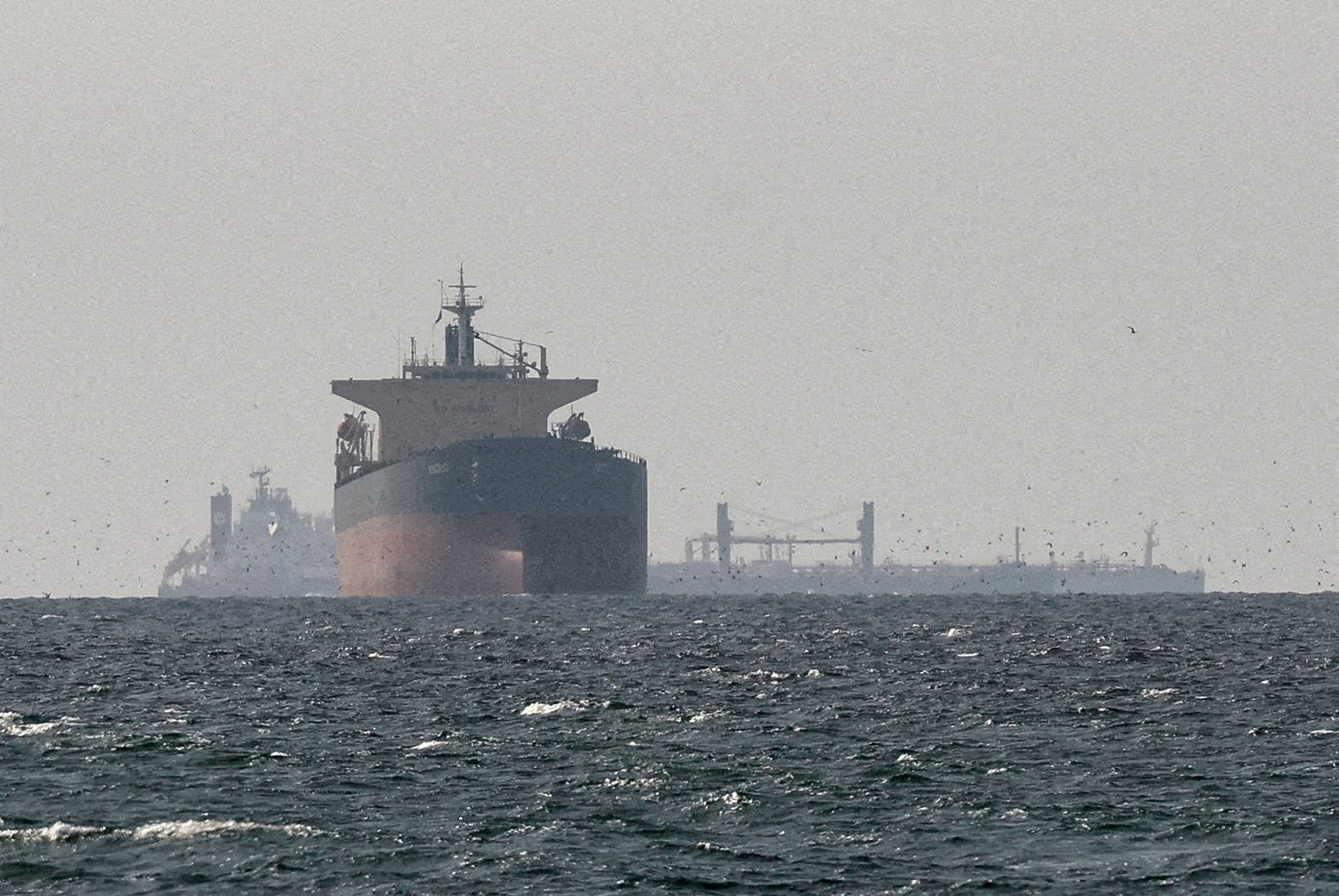

Iran has captured two foreign commercial vessels in the Strait of Hormuz and moved them to its coast, in a further escalation that comes hours after United States President Donald Trump said he would extend a ceasefire with Tehran.
Iran’s Islamic Revolutionary Guard Corps (IRGC) said the vessels had violated maritime regulations and entered the strategic waterway without coordination, according to Iranian state media.
Recommended Stories
list of 4 items- list 1 of 4Paraguay plans to accept 25 third-country migrant deportees from US
- list 2 of 4Argentina’s Milei sings and lights torch for Israeli national day
- list 3 of 4FBI chief denies allegations of drinking and negligence
- list 4 of 4Is Bangladesh killing reforms introduced after student-led protests?
The capture follows Wednesday’s incident, in which an Iranian gunboat fired on a container vessel near Oman, according to the United Kingdom Maritime Trade Operations (UKMTO) centre.
The British maritime monitoring agency said the ship’s captain reported that the ship had been approached by an IRGC vessel before shots were fired.
“[It] has caused heavy damage to the bridge. No fires or environmental impact reported,” UKMTO added. No casualties were reported, and all crew members were said to be safe.
The Strait of Hormuz, through which roughly a fifth of the world’s oil supply passes, remains one of the most strategically significant waterways.
Al Jazeera’s Tohid Asadi, reporting from Tehran, said, “This is in line with what we heard from the IRGC previously, saying that any passage of ships, vessels or oil tankers through the Strait of Hormuz should be with the permission and coordination of the IRGC.”
He said the capture reflected Iran’s continuing strategy to impose control and authority over maritime traffic through the chokepoint, adding that Iranian officials were now discussing charges and transit fees for vessels using the route.
British maritime security firm Vanguard Tech said the container vessel that came under fire was sailing under a Liberian flag and had been informed it had permission to pass through the Strait of Hormuz.
Iranian news agency Tasnim, however, said the vessel had ignored warnings issued by Iran’s forces.
The incident followed a warning from the IRGC’s Khatam al-Anbiya Central Headquarters after what it described as the US capture of an Iranian commercial ship in the Sea of Oman, the IRNA news agency reported.
It accused Washington of violating the ceasefire and carrying out “armed piracy” after allegedly firing on the Iranian vessel and disabling its navigation systems.
Trump extends ceasefire
Trump earlier announced he would delay a planned military attack on Iran after requests from Pakistan’s army chief, Asim Munir, and Prime Minister Shehbaz Sharif.
Writing on Truth Social, Trump said the decision was made because Iran’s government was “seriously fractured” and needed time to present a unified position.
“We have been asked to hold our Attack on the Country of Iran until such time as their leaders and representatives can come up with a unified proposal,” he wrote.
He added, however, that the US naval blockade of Iranian ports would remain in place and said the military had been ordered to stay “ready and able”.
The announcement marked a shift from comments made a day earlier, when Trump said it was “highly unlikely” he would extend the truce beyond Tuesday.
‘Positive and negative signals’ from Tehran
Al Jazeera’s Asadi said Iranian officials were sending mixed messages over the ceasefire and the prospects for negotiations.
“Tehran is saying they won’t negotiate under imposed terms and conditions … when we compare the initial 10-point and 15-point proposals by the Iranians and Americans, we can understand that the two sides are poles apart,” he said.
“The atmosphere is also clouded by this mistrust in Tehran towards the United States, as well as the simultaneous military rhetoric related to a potential failed negotiation … It is a warning that another round of confrontation may be ahead.”
He said Iran still viewed the Strait of Hormuz as a key source of leverage in any talks.
“It’s trying to exercise authority over the ships and vessels transiting this strategically significant chokepoint,” he added.
Asadi said Iranian officials framed their regional position as based on mutual security. “Iranians are saying that the basis of their foreign policy behaviour, particularly when it comes to Israel, is security for all versus security for none.”
