Iran war: What’s happening on day 54 as Trump extends ceasefire?
Trump said the US would extend the ceasefire until Tehran presents a proposal and talks are concluded, but a US naval blockade of Iranian ports continues.
Iran sets conditions as ceasefire extended, tensions persist

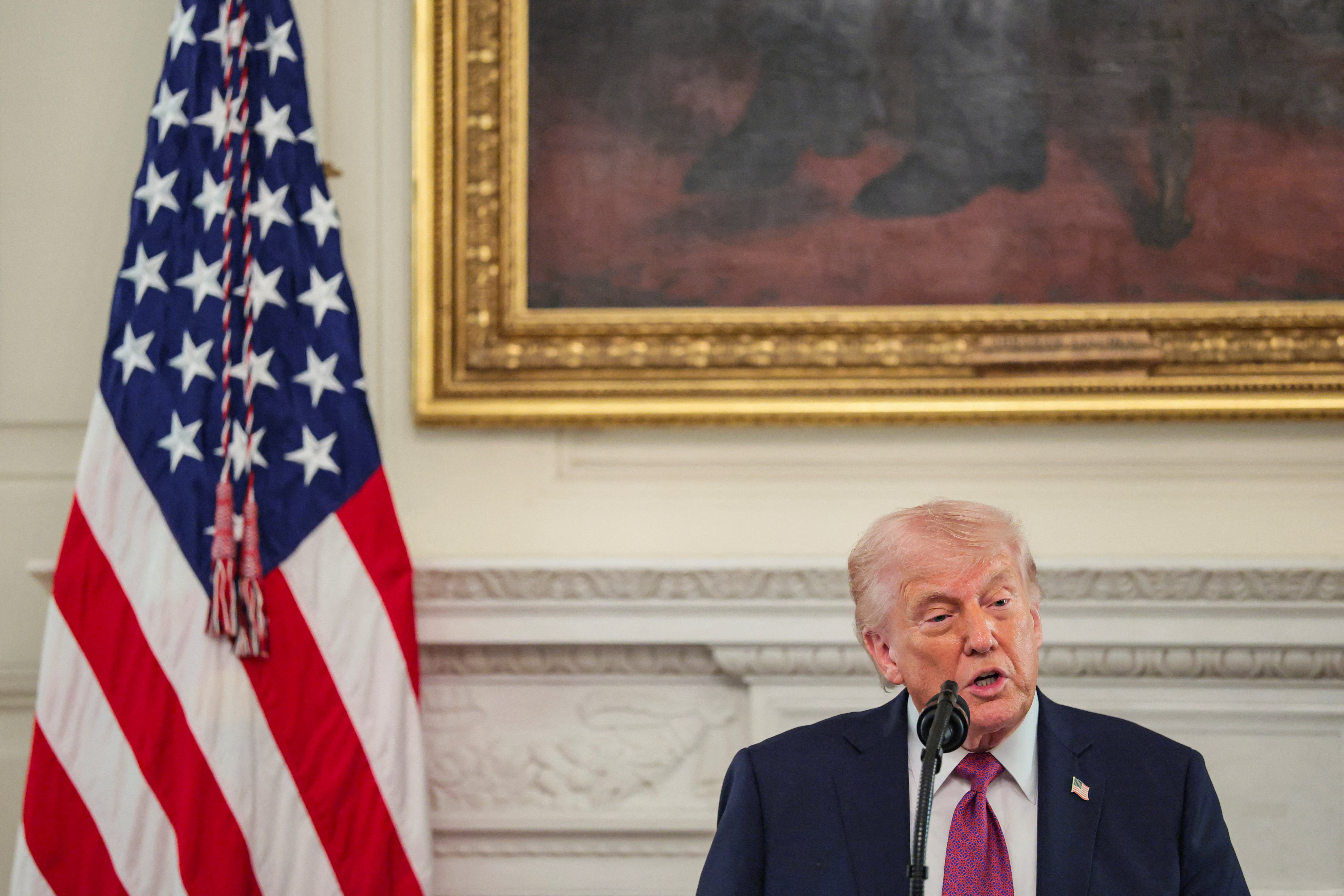
President Donald Trump said the United States is extending the ceasefire with Iran until Tehran submits its latest proposal with conditions for ending the war and until negotiations conclude, keeping diplomacy open while maintaining pressure on Iran.
However, Trump said the US naval blockade on Iran’s ports would remain. Iran has insisted that the blockade represents a violation of the ceasefire, and has said it will not negotiate under the “shadow of threats” or while the blockade remains in place, underscoring the fragile and uncertain path to talks.
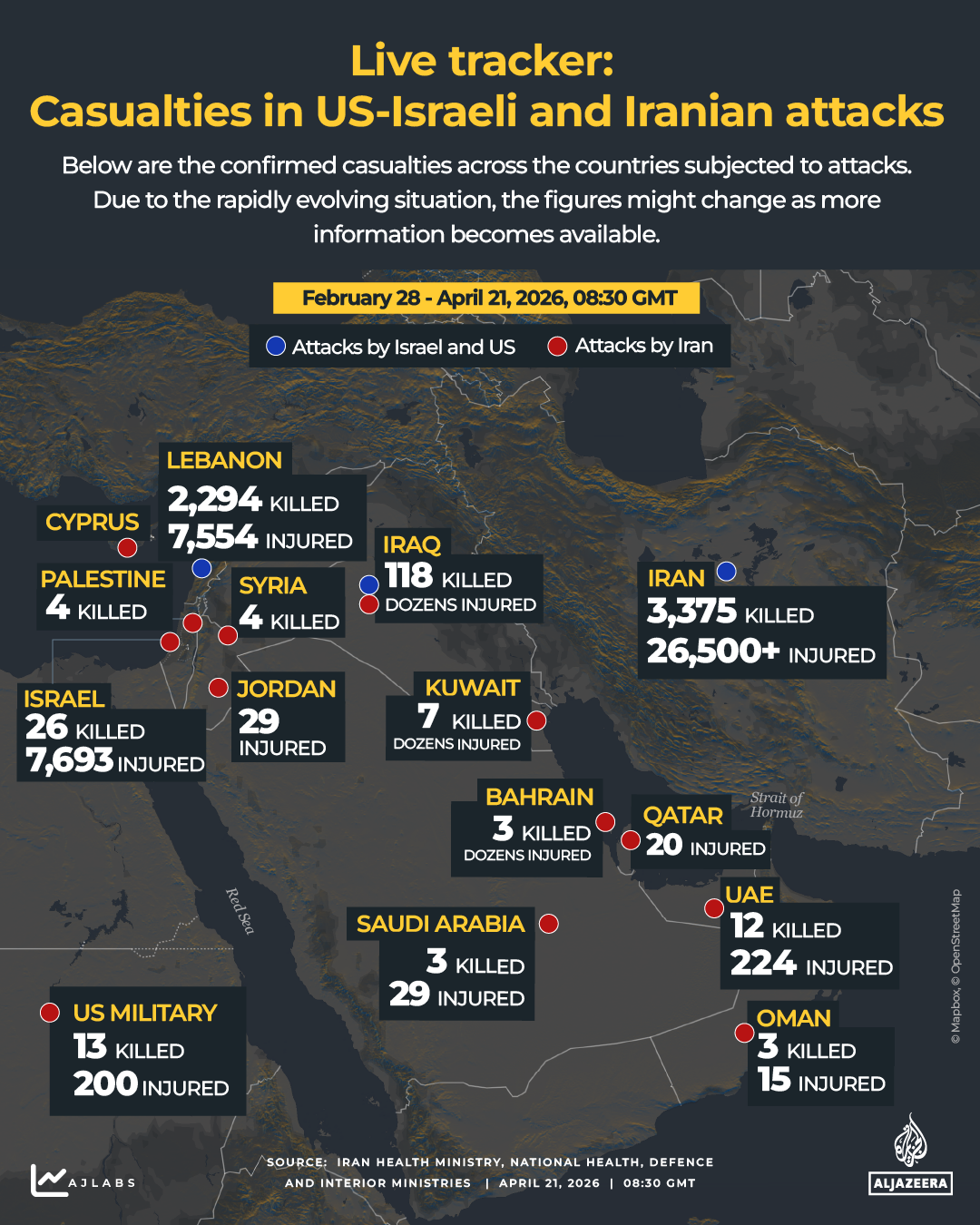
Meanwhile, violence continues across the region, with Israeli settlers killing two people, including a child, in the occupied West Bank, and Israeli strikes in southern Lebanon wounding civilians and damaging homes despite a 10-day ceasefire.
In Iran
- Blockade continues: The US is continuing its naval blockade of Iranian ports despite the truce, a move Iran says undermines the ceasefire.
- Ceasefire questioned: An adviser to Iran’s parliamentary speaker said the ceasefire extension could be a “ploy to buy time” for potential military escalation.
- ‘Act of war’ claim: Iranian Foreign Minister Abbas Araghchi described the US naval blockade as an “act of war” and a violation of the truce.
- Reopening Hormuz ‘not possible’: Iran’s parliament speaker said that Tehran would not reopen the Strait of Hormuz as long as the US naval blockade remained in place, calling it a “blatant violation” of the ceasefire.
- IRGC say two ships seized: Iranian forces targeted three container ships, seizing two and firing on a third, global security monitors and the Iranian Revolutionary Guard Corps (IRGC) said.
- Iran cargo ship targeted: A cargo ship leaving Iran was fired on and stopped, a UK maritime agency reported, as the US continued its blockade of Iranian ports.
War diplomacy
- Tehran open to diplomacy: Reporting from Tehran, Al Jazeera’s Almigdad Alruhaid said there was no official response to Trump’s ceasefire extension, but officials had signalled openness to talks. The US blockade is seen as a violation of the truce, with commanders saying forces are fully prepared to respond to any escalation.
- US sanctions widened: The US imposed new sanctions linked to Iran’s weapons programme, while the European Union is moving to expand its own measures.
- Talks planned in Washington, DC: The US is set to host ambassador-level negotiations between Israel and Lebanon, as Lebanese Prime Minister Nawaf Salam pushes for a full Israeli withdrawal from the country’s territory as Beirut’s main objective.
- War ‘weakening’ Europe: The war is “starting to weaken Europe”, said Turkish President Recep Tayyip Erdogan. “The war in our region is likewise starting to weaken Europe, and if we do not address this situation with an approach that prioritises peace, the damage… will be far greater,” Erdogan told his German counterpart, Frank-Walter Steinmeier, according to a statement from the Turkish leader’s office.
In the Gulf
- Currency swap under consideration: Trump said a potential currency swap with the United Arab Emirates is “under consideration”, adding that Washington would support the Gulf ally if needed, after reports that the idea was raised with US officials amid concerns the war could strain the UAE’s economy.
In the US
- Mixed messaging from Trump: Reporting from the White House, Al Jazeera’s Alan Fisher said Trump has shifted between conciliatory and hardline rhetoric, linking the US blockade to efforts to force Iran to negotiate, while warning of military action if negotiations fail.
- Markets unsettled: The mixed messaging has unsettled markets, but some analysts argue the strategy shows calculated pressure and a willingness to wait for Iran’s response.
In Israel
- Israel claims strategic gains: Israeli Prime Minister Benjamin Netanyahu said the country has been strengthened by its campaigns against Iran and its allies, claiming joint efforts with the US had weakened Tehran’s capabilities and boosted Israel’s regional position, opening the door to new alliances.
In Lebanon
- Lebanon seeks $587m in aid: Prime Minister Salam said on Tuesday that Lebanon needed $587m to address the ongoing humanitarian fallout from the conflict amid a fragile ceasefire between Israel and Hezbollah.
- Tensions remain high: Israel and Hezbollah accuse each other of breaching the truce. Israel said rockets were fired at its troops in southern Lebanon and that it responded with strikes. Hezbollah said its attacks were retaliation for Israeli shelling and ongoing strikes on Lebanese areas.
Oil and global economy
- Shipping disruption in Hormuz: Shipping through the Strait of Hormuz remains severely limited, raising concerns over global oil flows.
- Oil prices climb: Oil prices climbed on Wednesday, while stocks were mixed as investors waited to see if peace talks would resume. Brent North Sea was again trading above $100 a barrel, while the main US contract, West Texas Intermediate, traded back above $90.
