India turns trains into isolation wards as COVID-19 cases rise
About 20,000 coaches and several stadiums across the country to be modified into medical facilities, officials say.
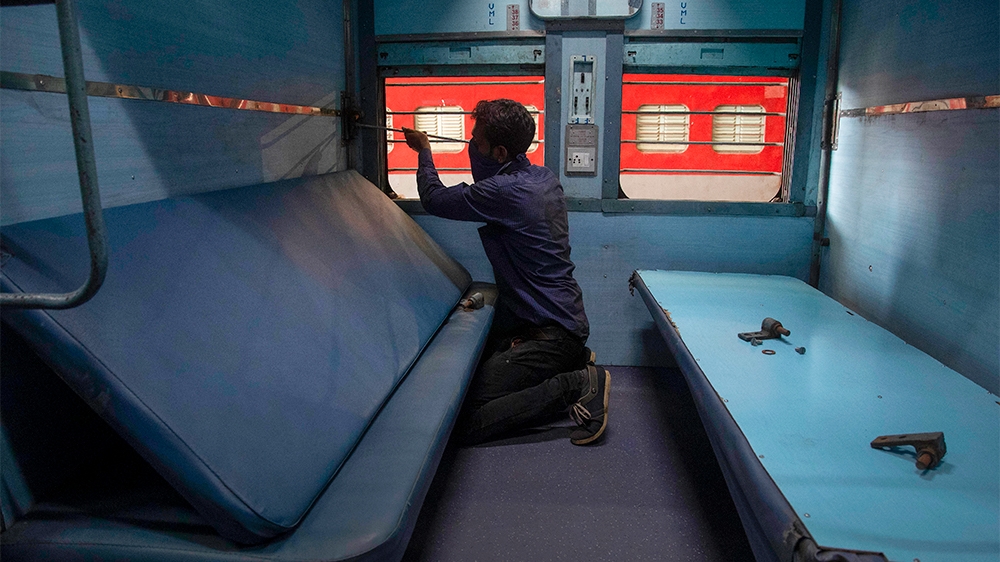
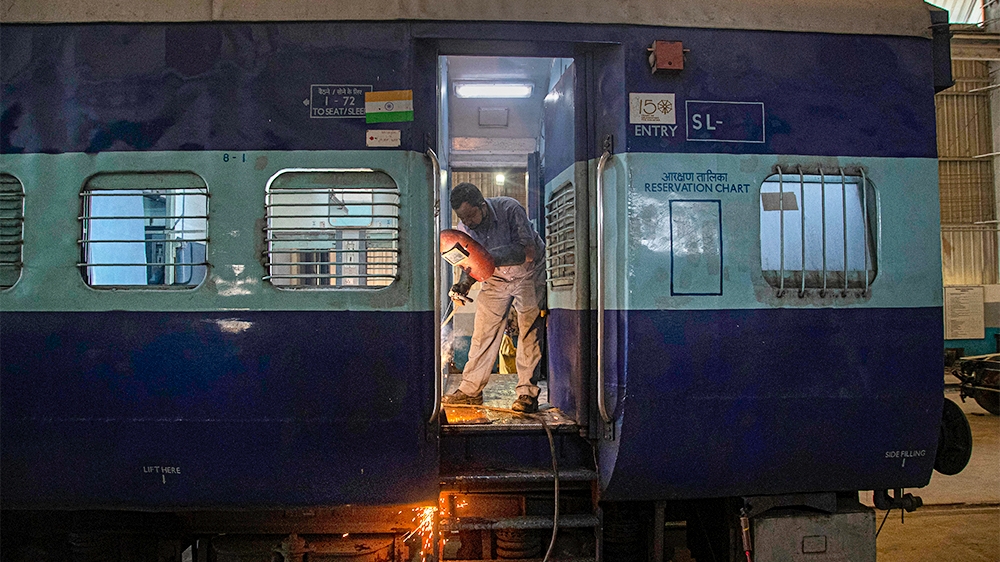
India has begun converting railway carriages andsport stadiums into isolation wards to deal with an anticipated surgein coronavirus cases.
Indian Railways on Wednesday said work had begun on modifying 20,000carriages into medical facilities, with each carriage containing 16beds.
This means that a total of 320,000 patients could be cared for in the“quarantine coaches”, a statement from the railways said.
India is a week into a national lockdown, with 1.3 billion peopletold to stay at home as the country attempts to check the spread ofthe virus. But there has been a spike in COVID-19 cases this week,with authorities confirming 1,637 infections and 38 deaths.
There are worries that India’s beleaguered healthcare system may beoverwhelmed with the surge in cases. The country lacks doctors andparamedics as well as critical medical equipment like ventilators todeal with the outbreak of COVID-19, the potentially fatalrespiratory disease caused by the coronavirus.
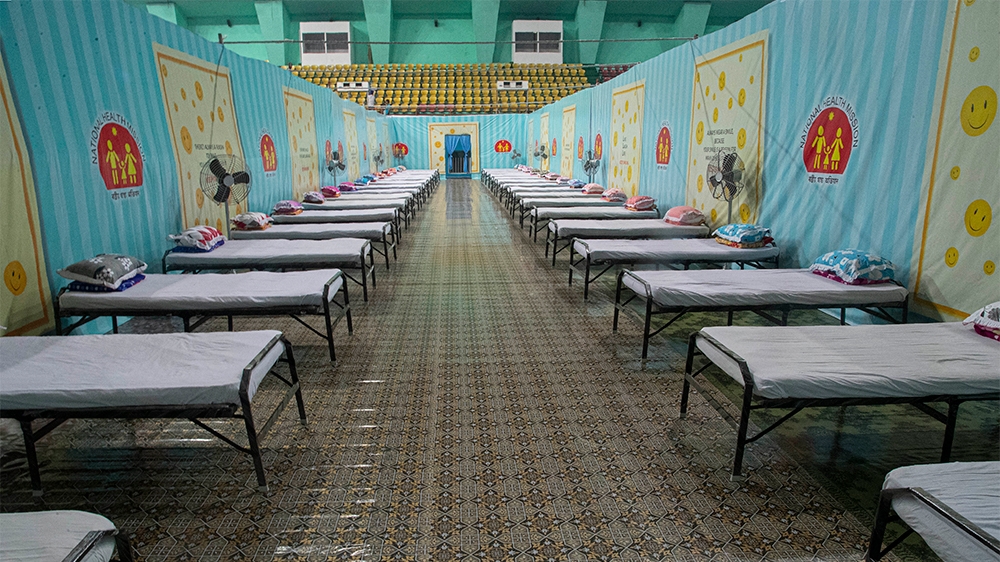
Apart from converting railway coaches, Indian states have also begunconverting sports stadiums into quarantine facilities and temporaryhospitals, taking a cue from other countries which resorted tosimilar measures to cope with the huge number of cases.
In New Delhi, Chief Minister Arvind Kejriwal announced that theJawaharlal Nehru stadium would be converted into a quarantine centreto deal with the rising numbers of COVID-19 patients in the city.
Similarly, the Gachibowli stadium in the southern city of Hyderabadthat was used to quarantine passengers coming from abroad, will nowhave a 1,500-bed isolation and treatment centre.
Authorities in the remote northeastern state of Assam that has fewcases, have converted the Sarusajai stadium into aquarantine centre with a capacity of approximately 1,000 people.
In the northern city of Chandigarh, a stadium and sport complex was taken over for a completely different purpose. The facilities havebeen converted into temporary jails to detain those who violate thelockdown, police spokesman Charanjit Singh said.
Operational since March 24, 600 people have been held in thefacility, counselled about sanitisation and social distancing and letgo by the evening, Singh added.
Medical experts say India faces the threat of communitytransmissions, particularly since hundreds of thousands of migrantworkers made long and dangerous journeys back to their home towns andvillages, defying the lockdown.
In the eastern state of Jharkhand, as authorities sealed land bordersand roads, desperate workers and their families waded and swamthrough waters near a dam to reach their villages in the neighbouringWest Bengal state, local official Vijendra Kumar said.
Similar scenes were noticed in the Haryana state a few days ago,where workers took the river route and used rubber tubes and boats toreach their homes in Uttar Pradesh state, local media reported.
