Skip linksSkip to Content
play
Live
Navigation menu
  • News
    • Africa
    • Asia
    • US & Canada
    • Latin America
    • Europe
    • Asia Pacific
  • Middle East
  • Explained
  • Opinion
  • Sport
  • Video
    • Features
    • Economy
    • Human Rights
    • Climate Crisis
    • Investigations
    • Interactives
    • In Pictures
    • Science & Technology
    • Podcasts
    • Travel
play
Live

In Pictures

News|History

80 years after Hiroshima atomic bombing, search for missing continues

On Ninoshima island, efforts to recover Hiroshima atomic bomb victims’ remains aim to honour the lost and aid survivors.
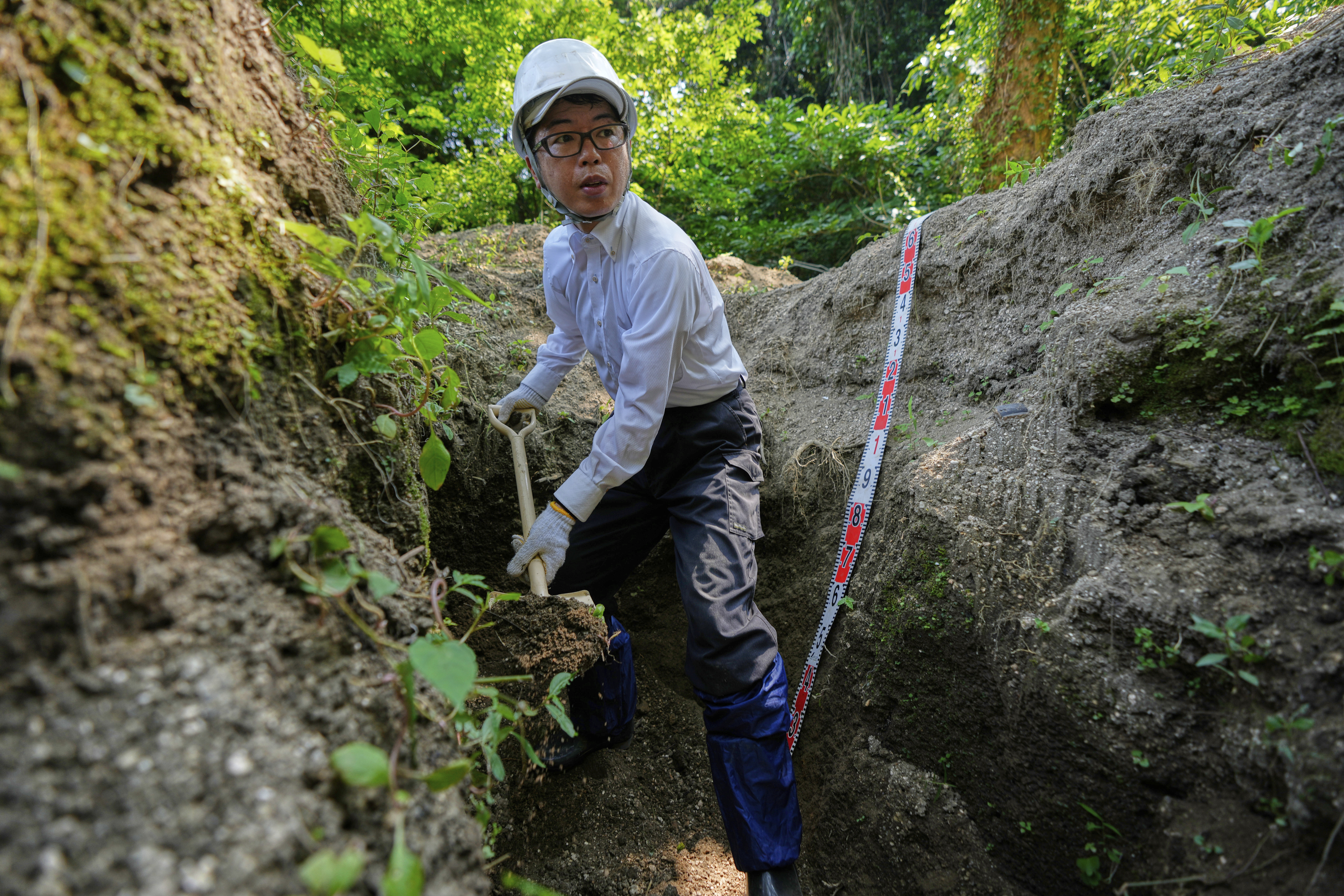
A man searches for remains of victims.
Rebun Kayo, a Hiroshima University researcher, searches for remains of victims of the 1945 Hiroshima bombing in Ninoshima [Eugene Hoshiko/AP Photo]
By AP
Published On 5 Aug 20255 Aug 2025

Share

facebooktwitterwhatsappcopylink

Save

When the first atomic bomb detonated 80 years ago on August 6, thousands of the dead and dying were brought to the small, rural island of Ninoshima, just south of Hiroshima, by military boats with crews that had trained for suicide attack missions.

Owing to inadequate medical care, only a few hundred were alive when the field hospital closed on August 25, according to historical records. They were buried in various locations in chaotic and rushed operations.

Decades later, people in the area are searching for the remains of the missing, driven by a desire to account for and honour the victims, and to bring relief to survivors who are still tormented by memories of missing loved ones.

“Until that happens, the war is not over for these people,” said Rebun Kayo, a Hiroshima University researcher who regularly visits Ninoshima to search for remains.

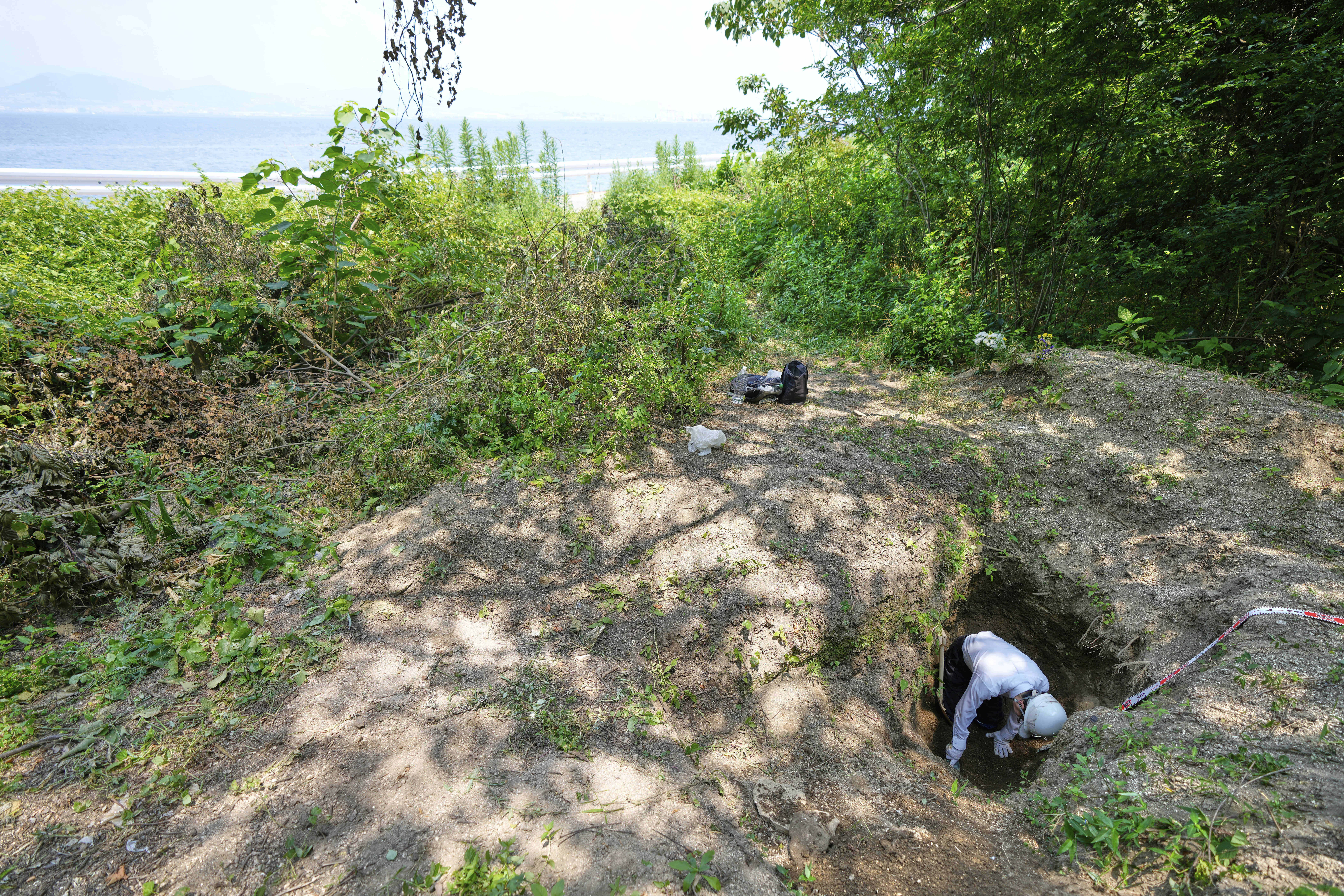
On a recent morning, Kayo visited a hillside plot in the forest where he has been digging for remains since 2018. He put on rubber boots and a helmet, and sprayed insect repellent.

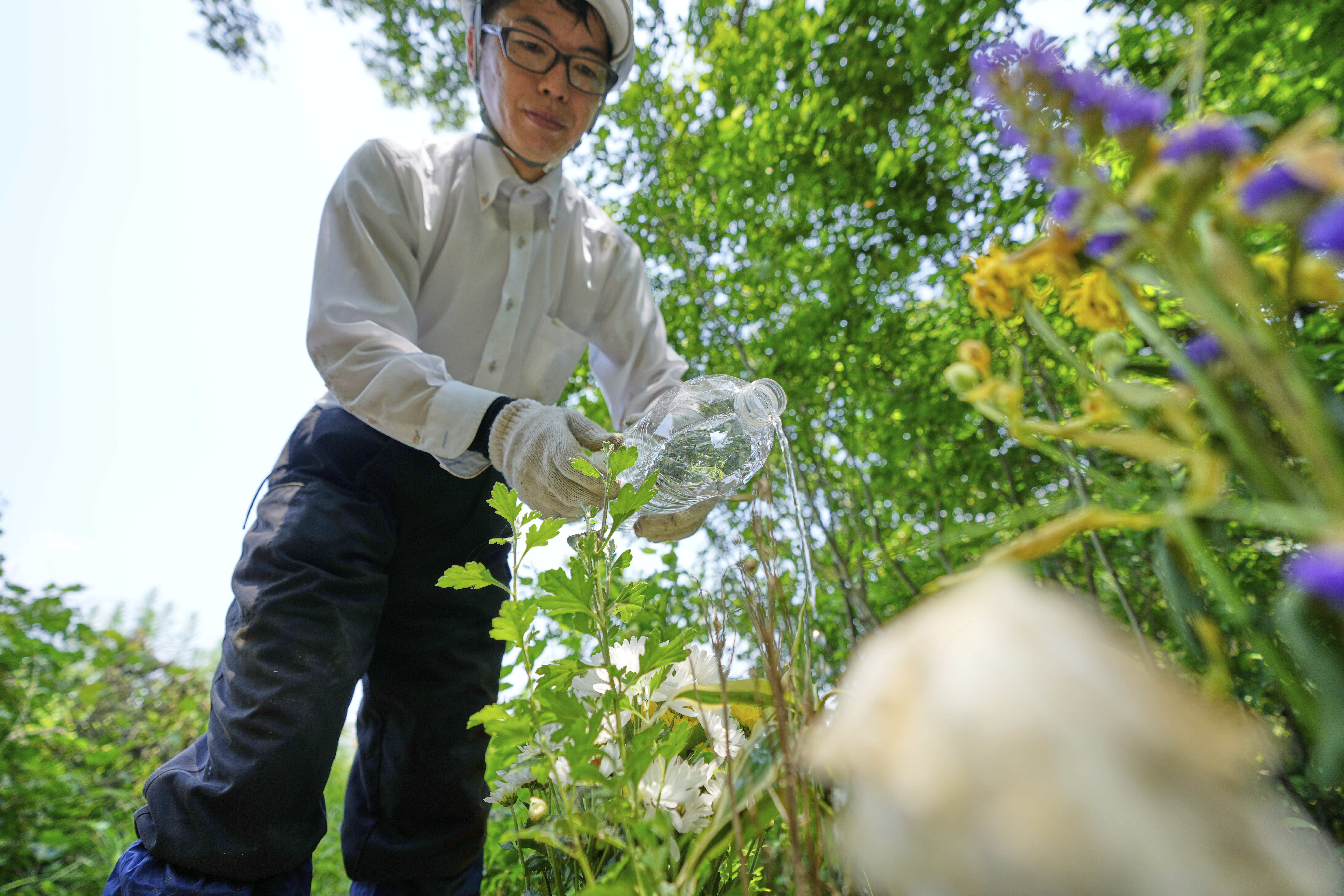
After planting chrysanthemum flowers and praying, Kayo carefully began shovelling gravel from a hole the size of a bathtub. When the soil was soft enough, he sifted it for bone fragments.

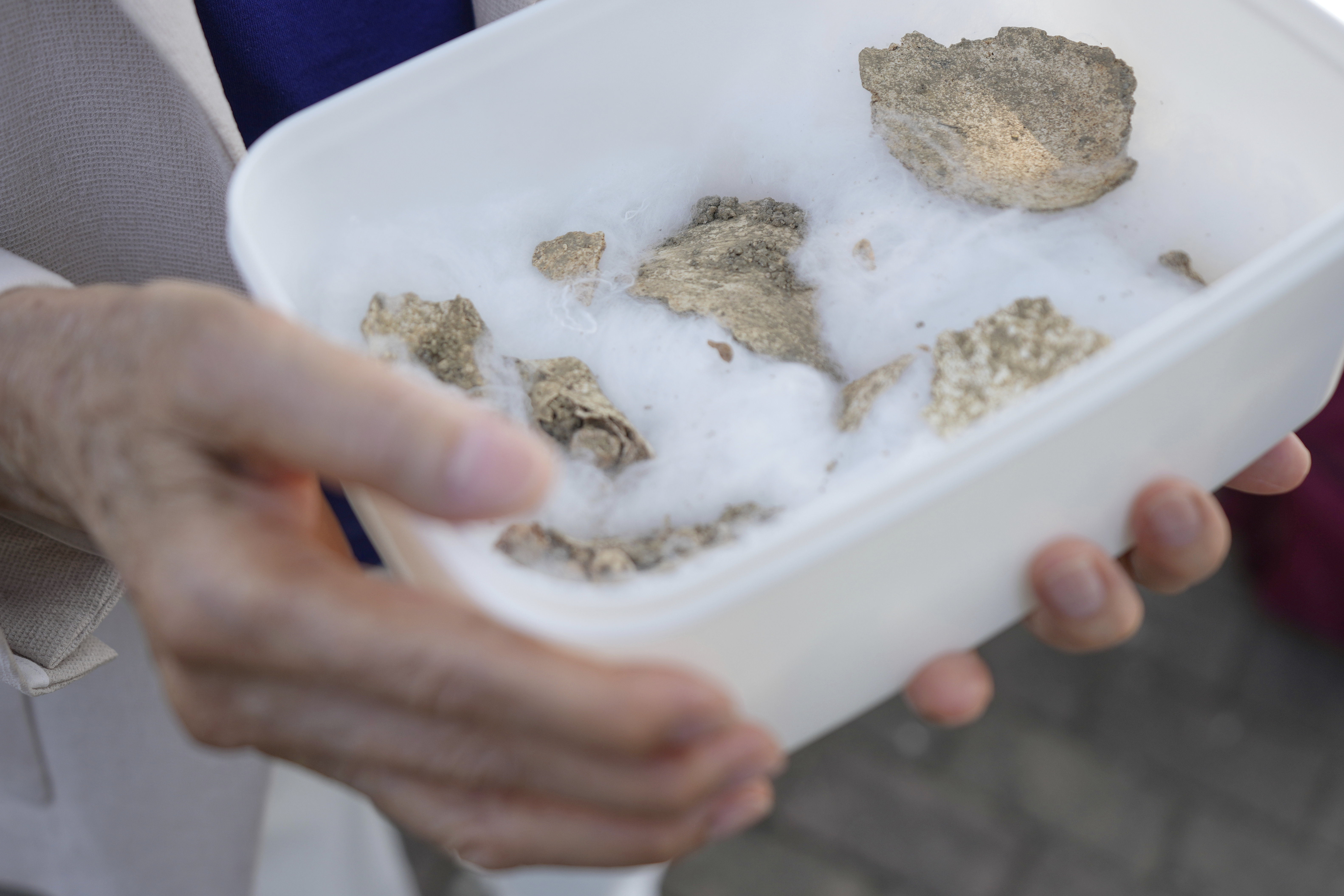
So far, Kayo has found about 100 bone fragments, including pieces of skull and an infant’s jawbone with small teeth attached. He found the bones in an area suggested by a Ninoshima resident whose father had witnessed soldiers burying bodies that were brought to the island by boat from Hiroshima 80 years ago.
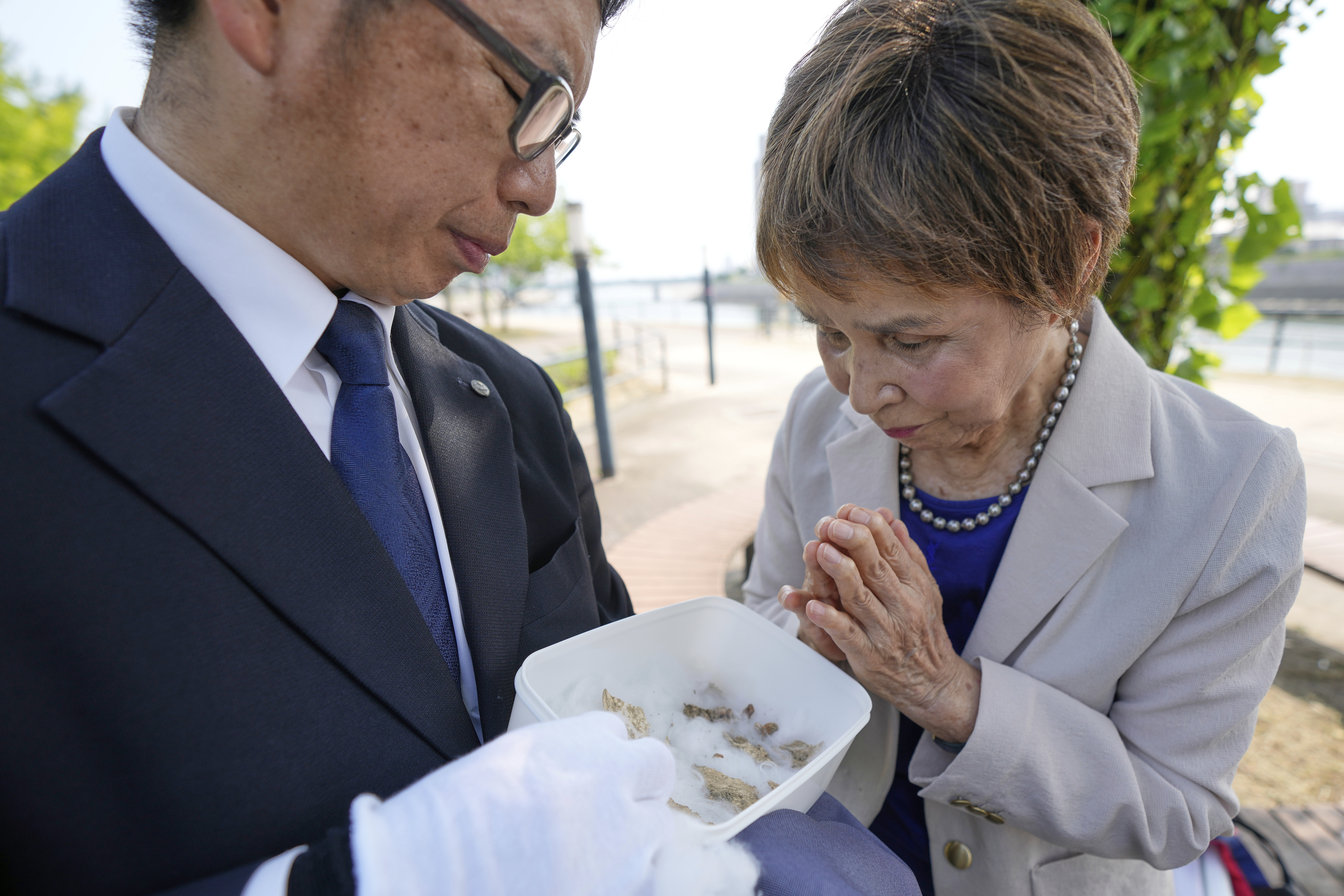
Tamiko Sora, right, 83, an atomic bombing survivor in Hiroshima, puts her hands together in prayer after being shown a fragment of human bone found on Ninoshima Island by Rebun Kayo,
Tamiko Sora, right, 83, an atomic bombing survivor in Hiroshima, puts her hands together in prayer after being shown fragments of human bones found on Ninoshima Island by Rebun Kayo [Eugene Hoshiko/AP Photo]

The US atomic attack on Hiroshima instantly destroyed the city and killed tens of thousands near the hypocentre, about 10km (6 miles) north of Ninoshima. The death toll by the end of that year was 140,000.

Advertisement

Within two hours of the blast, victims began arriving by boat from Hiroshima at the island’s Number 2 quarantine centre. Its buildings filled with patients suffering severe wounds. Many died en route to the island.

Eiko Gishi, then an 18-year-old boat trainee, oversaw carrying patients from the pier to the quarantine area for first aid. He and other soldiers cut bamboo to make cups and trays.

In recollections published by the city years later, Gishi wrote that soldiers initially handled bodies carefully, one by one, but were soon overwhelmed by the huge number of decomposing corpses and used an incinerator originally intended for military horses.

Even this was not enough, and they soon ran out of space, eventually placing bodies in bomb shelters and burial mounds.

“I was speechless from the shock when I saw the first group of patients that landed on the island,” a former army medic, Yoshitaka Kohara, wrote in 1992.

“I was used to seeing many badly wounded soldiers on battlefields, but I had never seen anyone in such a cruel and tragic state,” he said. “It was an inferno.”
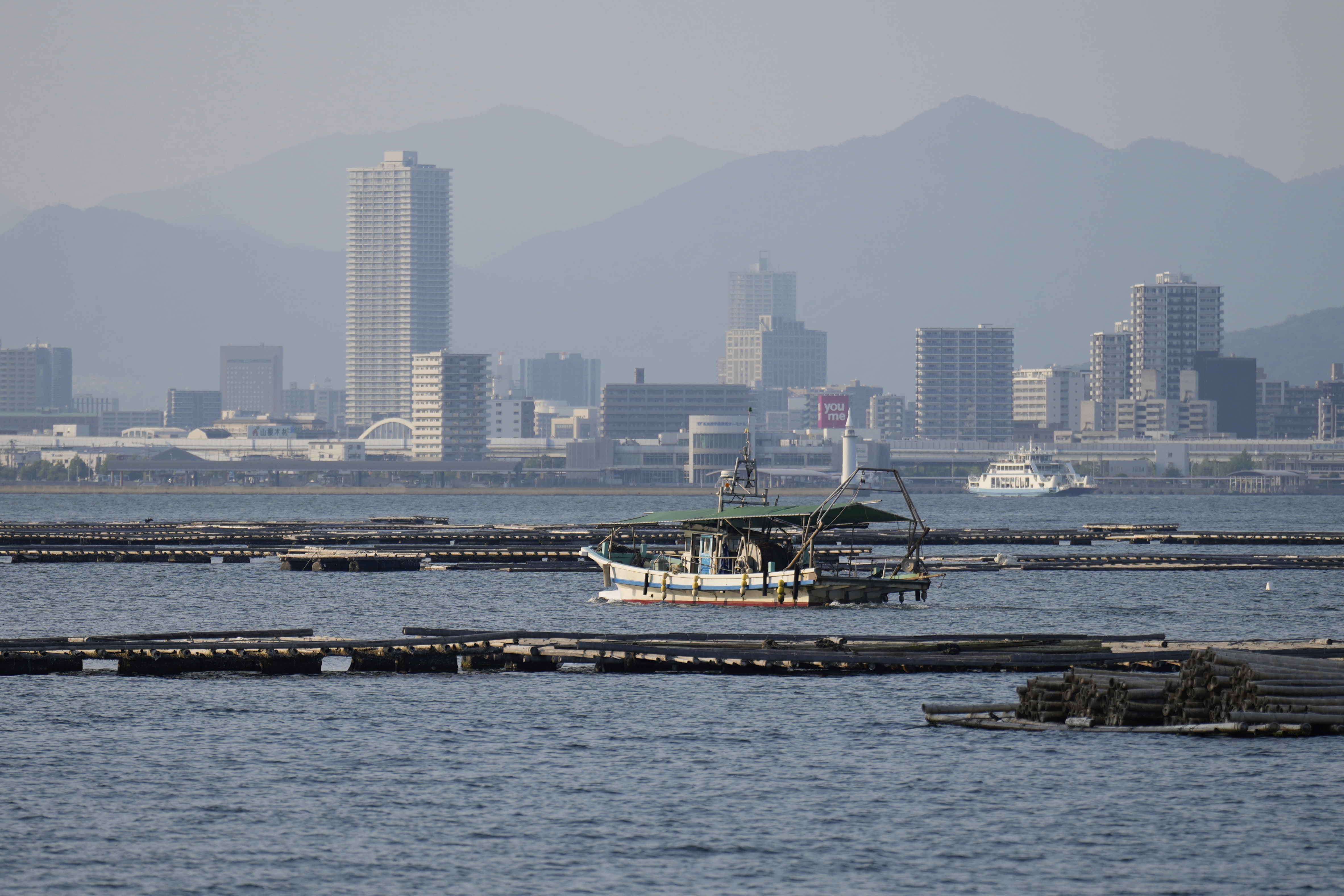
Japan Hiroshima The Missing
The cityscape of Hiroshima as seen from Ninoshima, an island where thousands of the dead and dying were brought after the first atomic bomb detonated 80 years ago [Eugene Hoshiko/AP Photo]

Kohara remained at the facility until its closure, when only about 500 people were left alive. When he told the surviving patients that the war had ended on August 15, he recalled that they looked emotionless: “Tears flowed from their crushed eyes, and nobody said a word.”

Kazuo Miyazaki, a Ninoshima-born historian and guide, said that towards the end of World War II, the island was used to train suicide attackers using wooden boats meant for deployment in the Philippine Sea and Okinawa.

Miyazaki, 77, lost a number of relatives in the atomic bombing. He has heard firsthand stories from relatives and neighbours about what happened on Ninoshima, which was home to a major army quarantine centre during Japan’s period of militarist expansion. His mother was an army nurse who was deployed to the field hospital on the island.

The remains of about 3,000 atomic bombing victims brought to Ninoshima have been found since 1947, when many were dug out of bomb shelters.

Thousands more are thought to be missing.
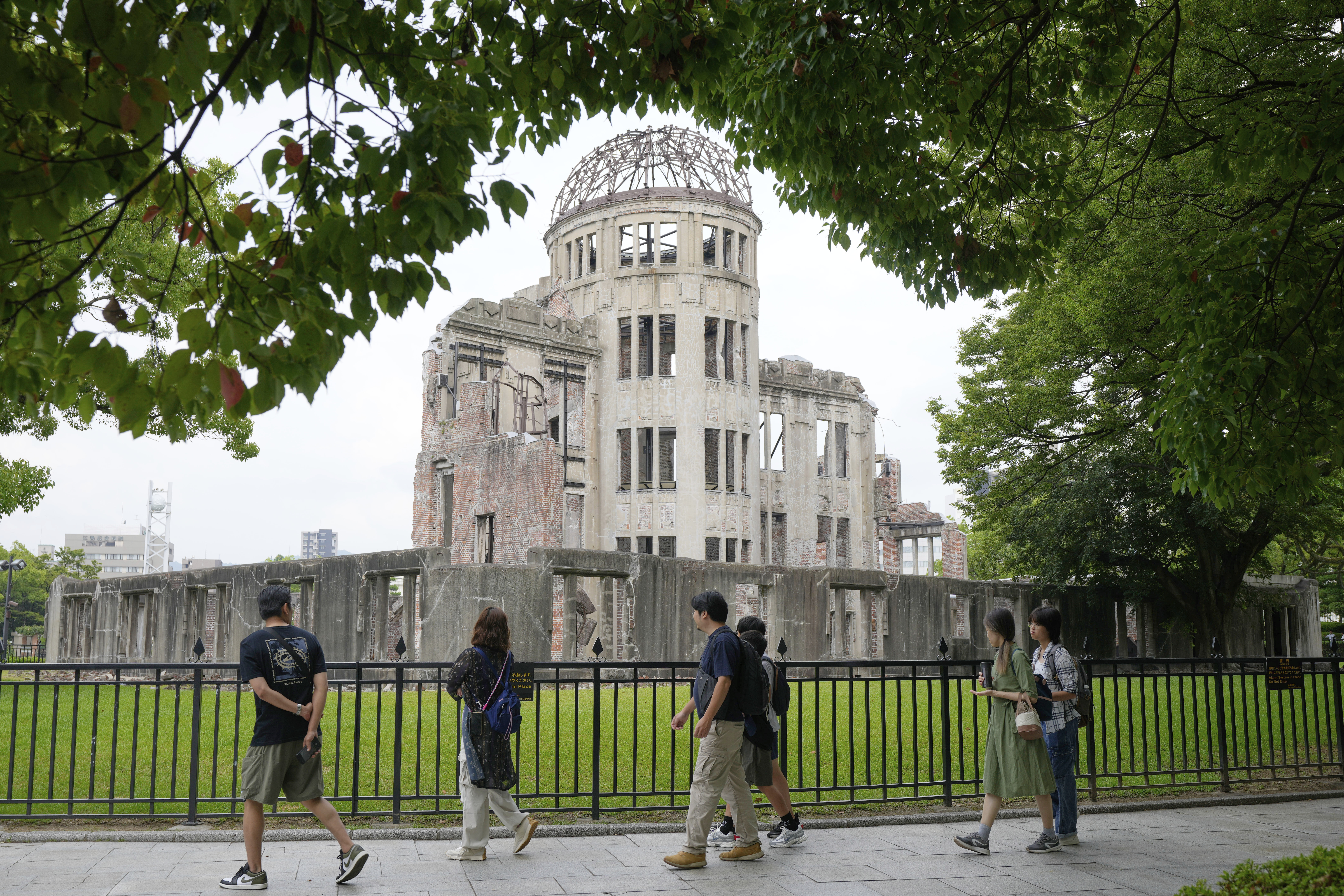
Japan Hiroshima The Missing
Tourists walk past the Atomic Bomb Dome in Hiroshima. [Eugene Hoshiko/AP Photo]
Advertisement
Japan Hiroshima The Missing
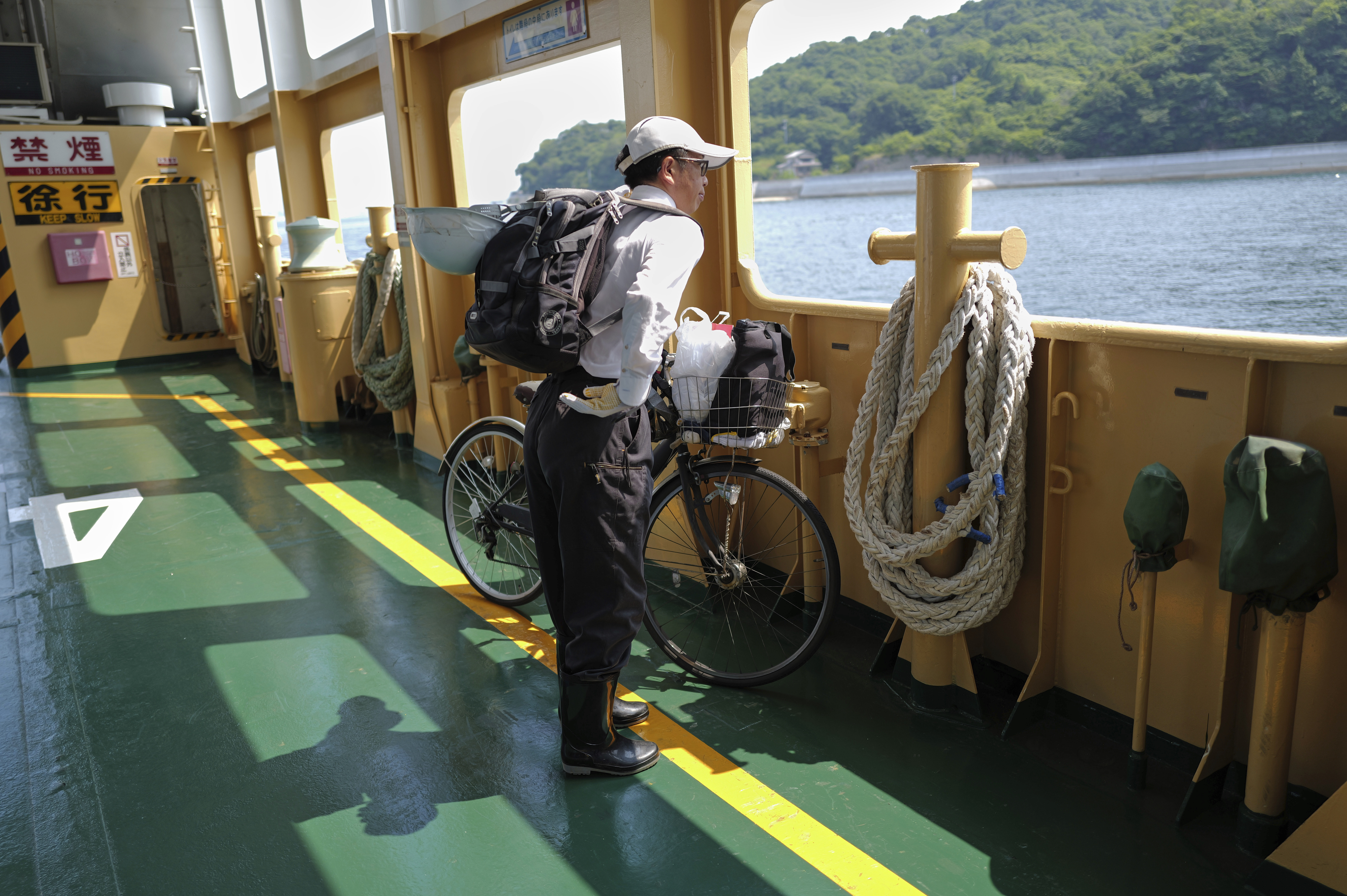
Rebun Kayo, a Hiroshima University researcher, takes the ferry to the island of Ninoshima to search for remains of victims of the 1945 atomic bombing. [Eugene Hoshiko/AP Photo]
Japan Hiroshima The Missing
After planting chrysanthemum flowers and offering prayers, Rebun Kayo prepares for his search for remains of the victims of the Hiroshima bombing. [Eugene Hoshiko/AP Photo]
Japan Hiroshima The Missing
So far, Kayo has found about 100 bone fragments, including pieces of skull and an infant’s jawbone with small teeth attached. [Eugene Hoshiko/AP Photo]
Japan Hiroshima The Missing
Tamiko Sora, an atomic bombing survivor, holds a container containing fragments of human bone found on Ninoshima Island by Rebun Kayo. [Eugene Hoshiko/AP Photo]
Japan Hiroshima The Missing
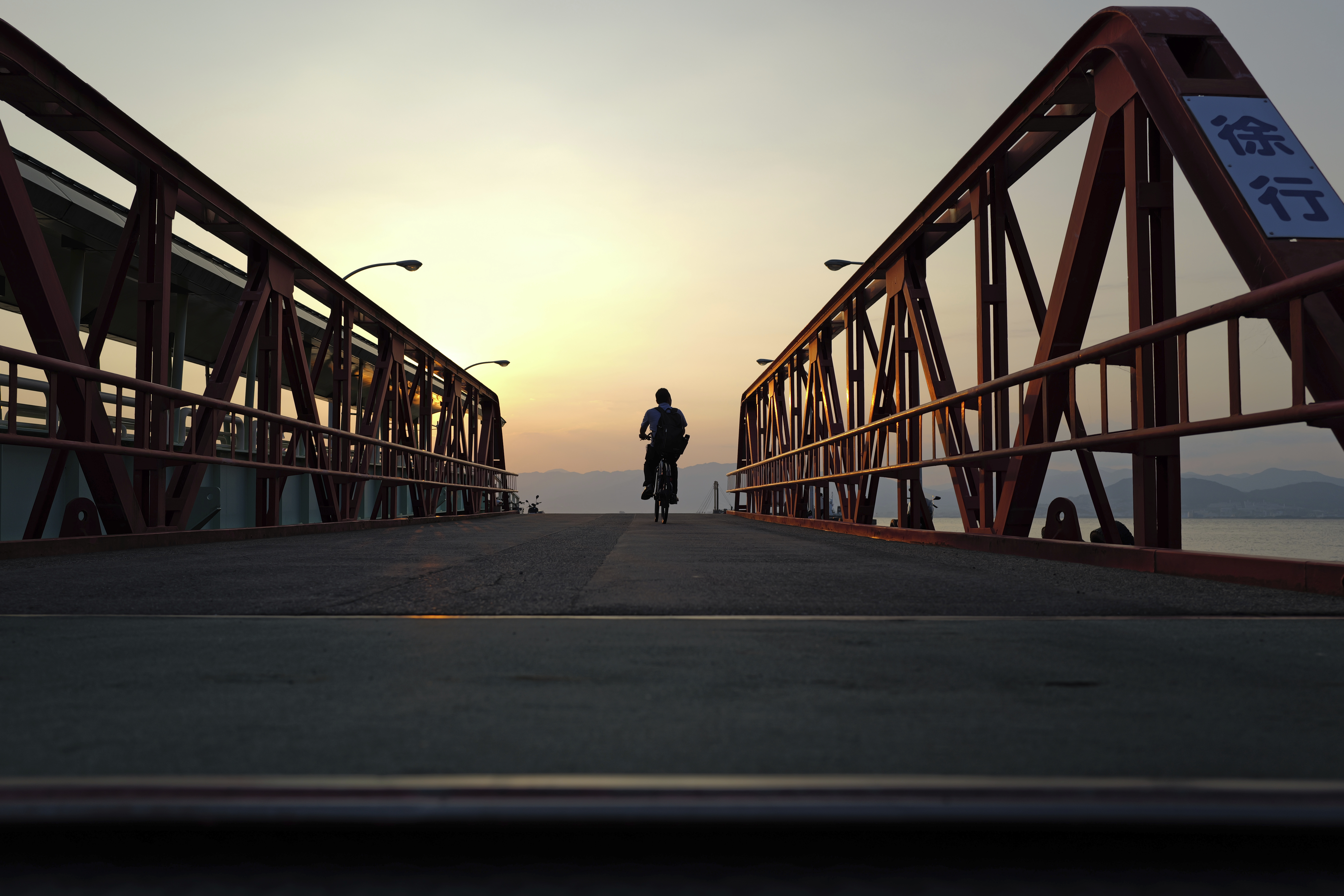
When the first atomic bomb detonated 80 years ago on August 6, thousands of the dead and dying were brought to the small, rural island of Ninoshima. [Eugene Hoshiko/AP Photo]
Advertisement
Japan Hiroshima The Missing
The remains of about 3,000 atomic bombing victims brought to Ninoshima have been found since 1947, when many were dug out of bomb shelters. [Eugene Hoshiko/AP Photo]


  • About

    • About Us
    • Code of Ethics
    • Terms and Conditions
    • EU/EEA Regulatory Notice
    • Privacy Policy
    • Cookie Policy
    • Cookie Preferences
    • Accessibility Statement
    • Sitemap
    • Work for us
  • Connect

    • Contact Us
    • User Accounts Help
    • Advertise with us
    • Stay Connected
    • Newsletters
    • Channel Finder
    • TV Schedule
    • Podcasts
    • Submit a Tip
    • Paid Partner Content
  • Our Channels

    • Al Jazeera Arabic
    • Al Jazeera English
    • Al Jazeera Investigative Unit
    • Al Jazeera Mubasher
    • Al Jazeera Documentary
    • Al Jazeera Balkans
    • AJ+
  • Our Network

    • Al Jazeera Centre for Studies
    • Al Jazeera Media Institute
    • Learn Arabic
    • Al Jazeera Centre for Public Liberties & Human Rights
    • Al Jazeera Forum
    • Al Jazeera Hotel Partners

Follow Al Jazeera English:

  • facebook
  • twitter
  • youtube
  • instagram-colored-outline
  • rss
Al Jazeera Media Network logo
© 2026 Al Jazeera Media Network

You might also like:

live israeli attacks kill 76 no aid relief yet for... | thailand readies homecoming for stolen ancient sta... | russia ukraine war list of key events day 1185... | german woman arrested after mass stabbing at hambu... | vietnam orders ban on popular messaging app... | need answers will sri lankas tamils find war closu... | live israeli attacks kill 85 in gaza as starvation... | florida court orders ex mexican security chief to ...