Skip linksSkip to Content
play
Live
Navigation menu
  • News
    • Africa
    • Asia
    • US & Canada
    • Latin America
    • Europe
    • Asia Pacific
  • Middle East
  • Explained
  • Opinion
  • Sport
  • Video
    • Features
    • Economy
    • Human Rights
    • Climate Crisis
    • Investigations
    • Interactives
    • In Pictures
    • Science & Technology
    • Podcasts
    • Travel
play
Live

In Pictures

Gallery|Poverty and Development

The slow road to recovery for rape survivors in the DRC

In eastern DRC, an outpost of hope provides medical, psychological and social help to marginalised victims.
Sons of Violence - Rape in the Congo/ Please Do Not Use
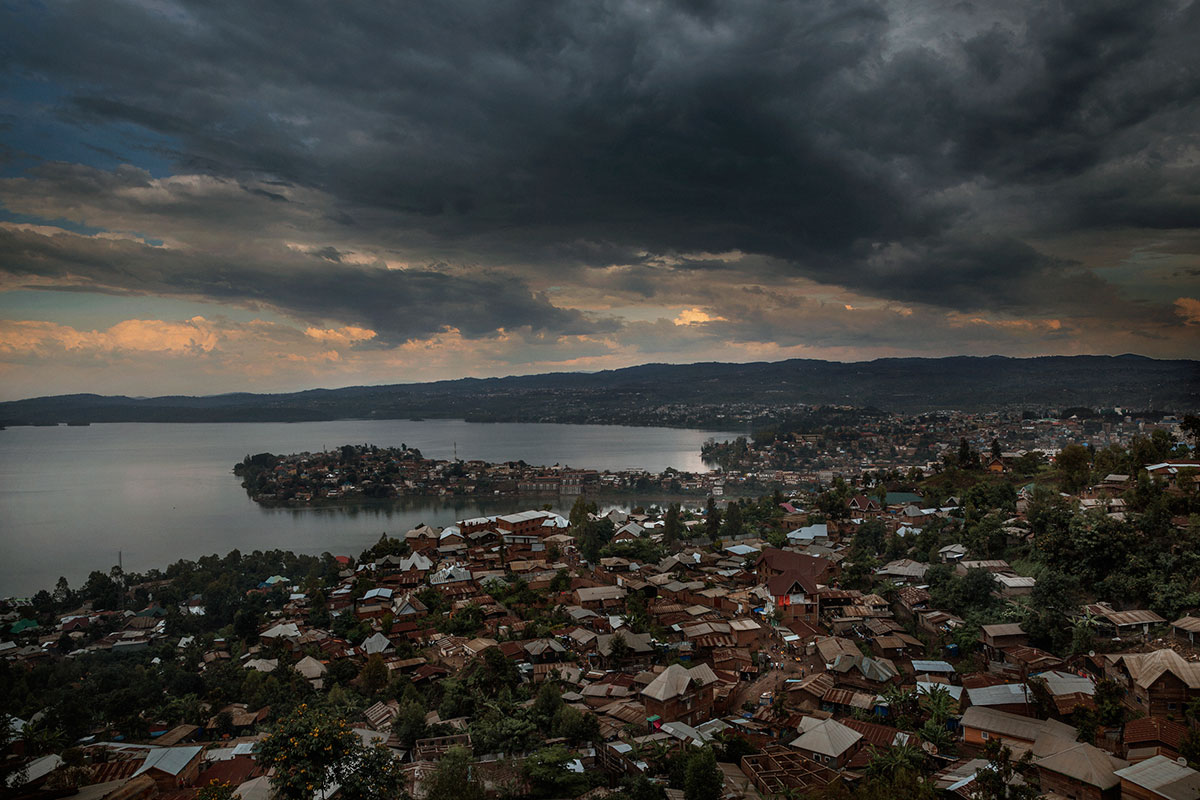
A view from above the city of Bukavu, in the northeast of the Democratic Republic of the Congo (DRC). [Marco Gualazzini/Al Jazeera]
News image
By Marco Gualazzini
Published On 20 Jun 201720 Jun 2017

Share

facebooktwitterwhatsappcopylink

Save

North and South Kivu, Democratic Republic of the Congo (DRC)– During the “Second Congo War”, which began in 1998 in eastern DRC, sexual violence was used systematically as a weapon of war.

The hostilities officially ended in 2003, but the region remains unstable owing to external influences, ingrained ethnic divisions and the fight over the country’s mineral wealth. Eastern DRC continues to be plagued by armed groups. Since 1998, more than five million people are estimated to have died as a result of the conflict, disease and poverty.

The DRC has long been exploited for its resources, from colonial times under King Leopold II of Belgium, and today by US, Chinese and European companies. The land is rich in raw materials such as rubber, ivory, gold, diamonds, uranium, coltan and timber. In return, it has suffered from war, corruption, death, disease, hunger, mercenaries, child soldiers and rape. Rape, sexual violence, and the abuse of women is the tragedy within the tragedy here.

Over nine months in 2014, the United Nations Population Fund recorded nearly 12,000 cases of gender and sexual-based violence in five eastern DRC provinces; 39 percent of cases were considered to be directly connected to armed conflict. A 2010 study found that four women are raped every five minutes.

“My friends avoid me because they think that, if they remain friends with me, I could lead them astray because I have jeopardised my future,” says Ombeni, 13, who was raped by a member of the local parish. “They make fun of me continuously, saying that a person who does not live with either their mother or father will ruin their future. They do not allow me to get close to them.”

Advertisement

Rape victims are not only traumatised; they are often abandoned and marginalised by their communities. But Ombeni’s mother has remained supportive of her daughter.

“Every time I look at my daughter and see her contemporaries that go to school what comes to my mind is what happened to her. So thus I pray to God. I pray that the one who raped her will have a daughter and she could have the same tragedy, so that he could understand what it means,” she says.

Vumilia Elisabeth, 53,was raped by members of the Rwandan Hutu rebel group, the FDLR. “My community found out about what happened and now they constantly make fun of me and everyone speaks badly about us and considers us to be worthless,” she says. “People consider us to be worthless and we are called ‘the raped’. This is very shameful and we no longer see ourselves as human beings.”

Panzi Hospital, founded in 1999 in Bukavu, in eastern DRC, is one of few outposts of hope for survivors. It provides psychological help, treats complex gynaecological injuries and helps reintegrate the girls and women into their societies. They see between 1,300 and 1,900 patients a year.

Zawada Bagaya Bazilianne, a legal counsel from Panzi, says in the village of Kavumu, 30km from Bukavu, 44 girls ranging in age from two to 11 years old were raped by armed men between 2013 to 2016.

The suspects, 74 paramilitary soldiers from a personal militia of the provincial deputy Frederic Batumike, are incarcerated in Bukavu. Investigations found that the rapes were committed as a black magic ritual to obtain invincibility in battle, find gold and cure HIV infections. These are not isolated cases. The accused have been charged with rape and crimes against humanity.

“The real problem is the impunity,” says Dr Denis Mukwege, a 2014 Sakharov Prize laureate and the founder of Panzi Hospital.

“The fact that [those] who commit these acts go unpunished, all this makes these people think they can continue to rape,” Mukwege says. “To solve this problem and [to fight] its roots we have to denounce it nationally and internationally, because what happens is closely related to the illegal Congo’s minerals exploitation and plundering, especially the coltan.”
Sons of Violence - Rape in the Congo/ Please Do Not Use
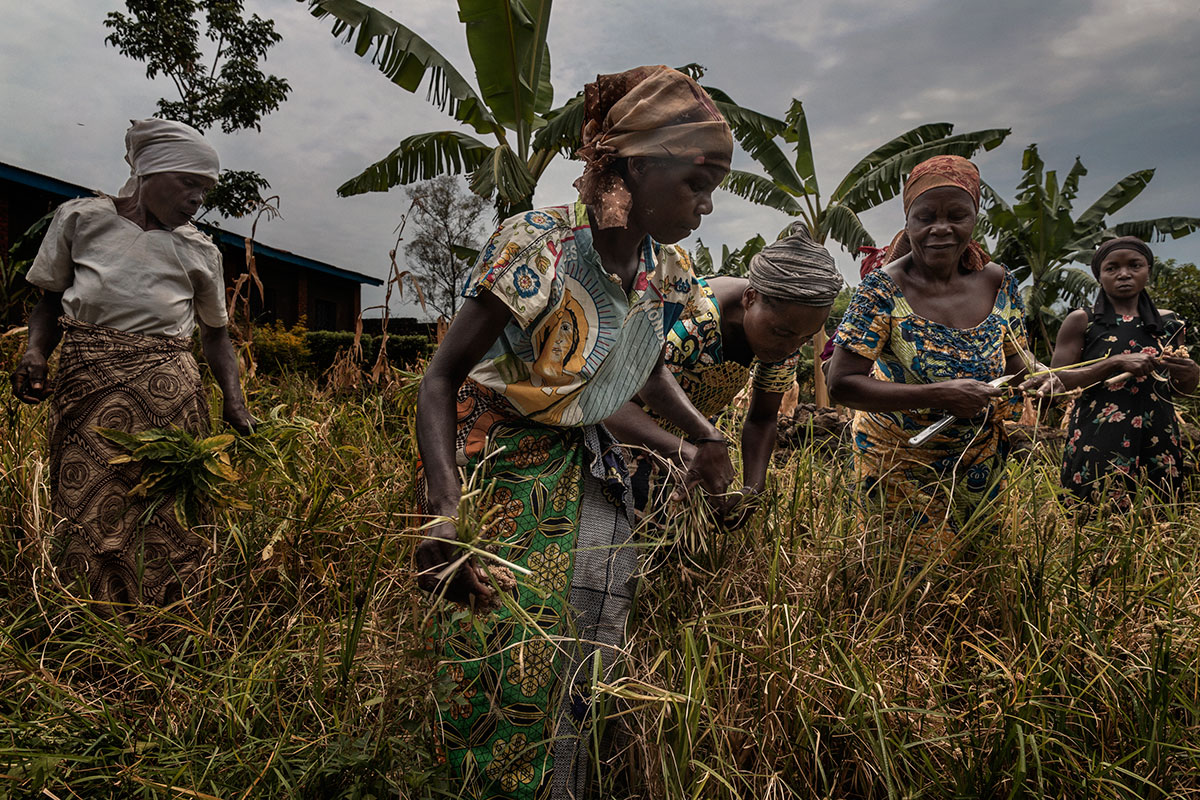
A cooperative, set up by the Italian NGO AVIS in 2011, now has 40 'vulnerable' women who work together in the fields, with the older women doing craft work. The profit they make is divided up among the members. These are poor women who have had a child supported by long-distance adoption. Several of them have been raped. [Marco Gualazzini/Al Jazeera]
Advertisement
Sons of Violence - Rape in the Congo/ Please Do Not Use
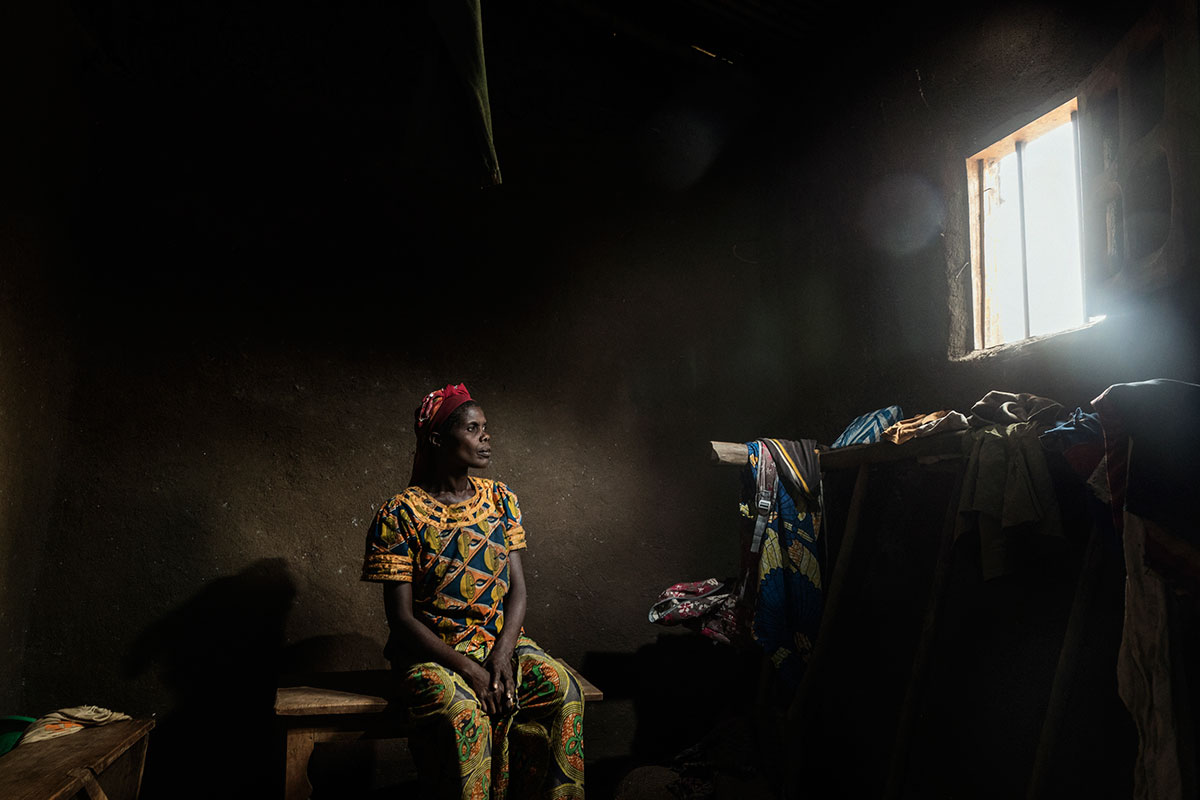
Maria Gnabajumba, 40, was raped for two days by an armed group on the orders of the children of her husband's first wife. She has told her story to no one, for fear of discrimination and of being repudiated by her husband, who rejected his first wife after she had also been raped. [Marco Gualazzini/Al Jazeera]
Sons of Violence - Rape in the Congo/ Please Do Not Use
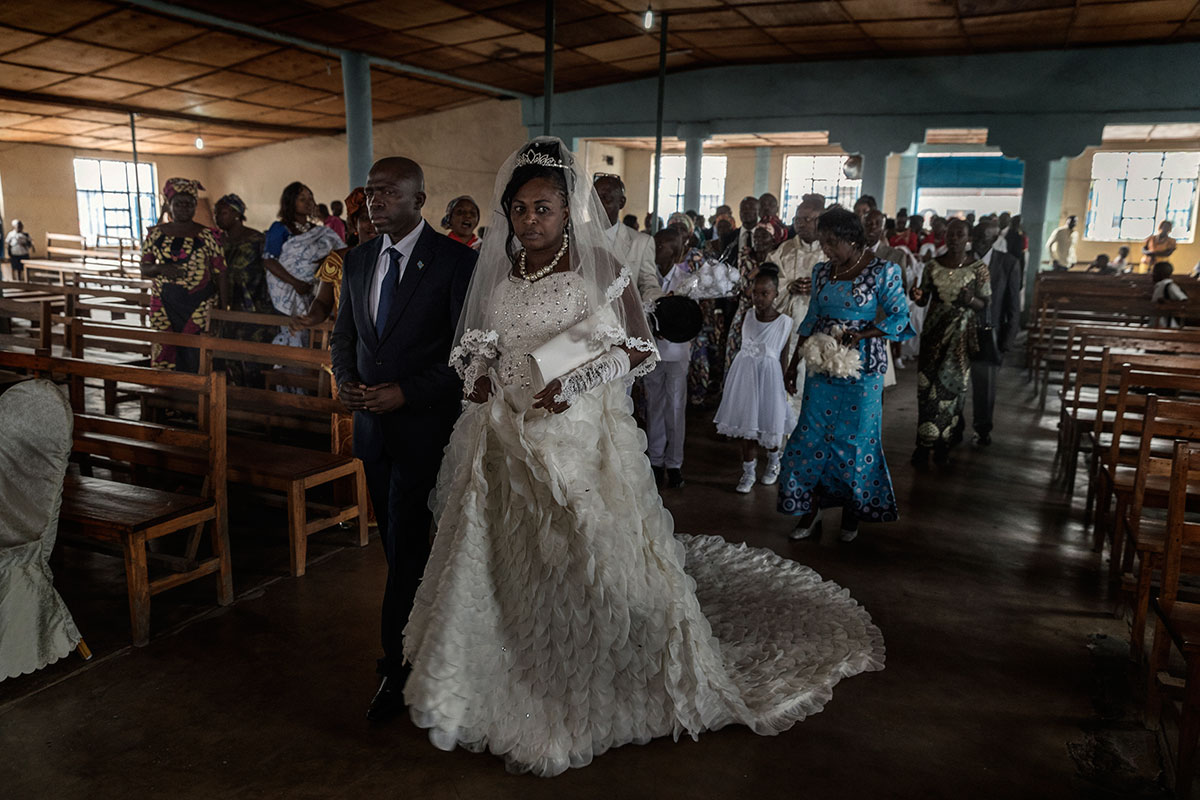
A marriage at the Paroisse St Francois Xavier. In the DRC, once a woman has been a victim of sexual abuse she is often abandoned by her husband and society. Victims often don't report the crime for fear of such repercussions, and many discover later that they have contracted venereal disease or that they are pregnant. [Marco Gualazzini/Al Jazeera]
Sons of Violence - Rape in the Congo/ Please Do Not Use
A group of vulnerable women who live in what remains of the tent city of Mugunga 3. Every month, AFAC, the association of Congolese Muslim women, brings food for women in the camps, as well as providing material and psychological support to women who have suffered sexual violence and have been abandoned. [Marco Gualazzini/Al Jazeera]
Sons of Violence - Rape in the Congo/ Please Do Not Use
The neighbourhood of Panzi, where the Panzi Hospital is located, during a thunderstorm. [Marco Gualazzini/Al Jazeera]
Sons of Violence - Rape in the Congo/ Please Do Not Use
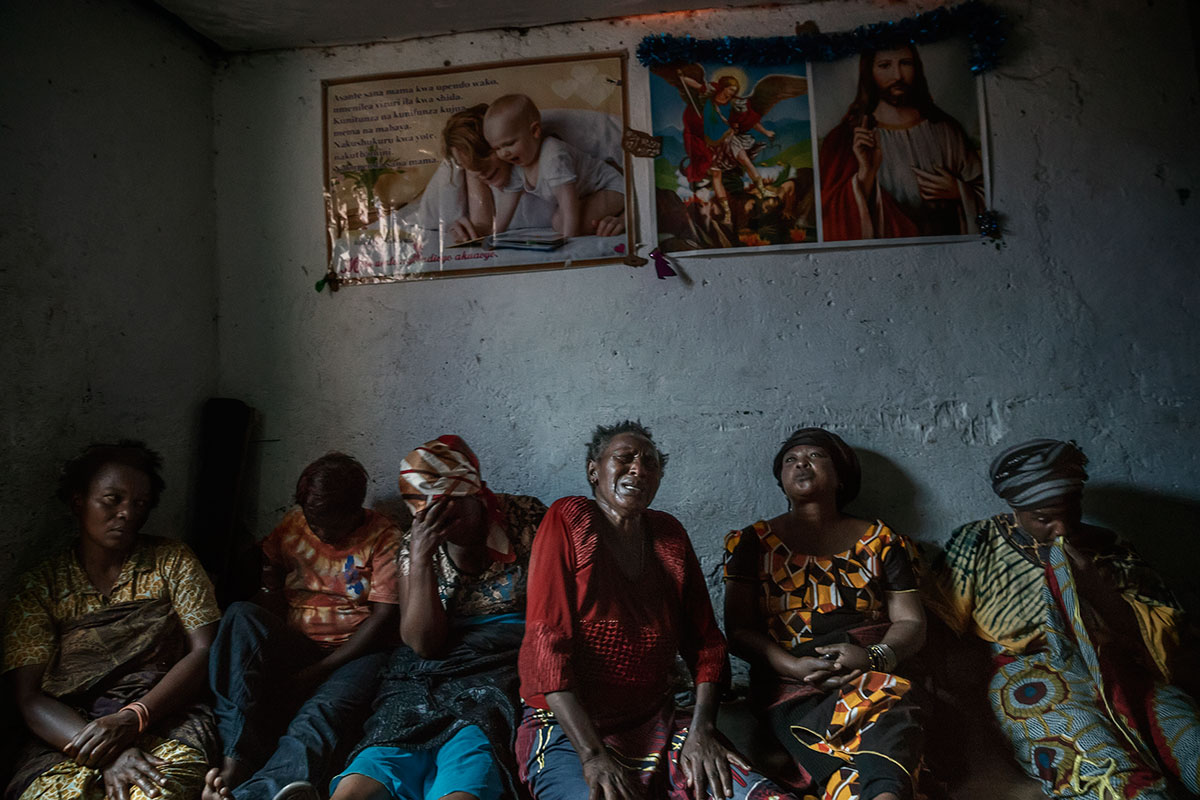
Women in Bukavu mourn the death of a son in an accident. [Marco Gualazzini/Al Jazeera]
Advertisement
Sons of Violence - Rape in the Congo/ Please Do Not Use
The city of Bukavu. Today, the DRC is experiencing a period of major political instability and violence. [Marco Gualazzini/Al Jazeera]
Sons of Violence - Rape in the Congo/ Please Do Not Use
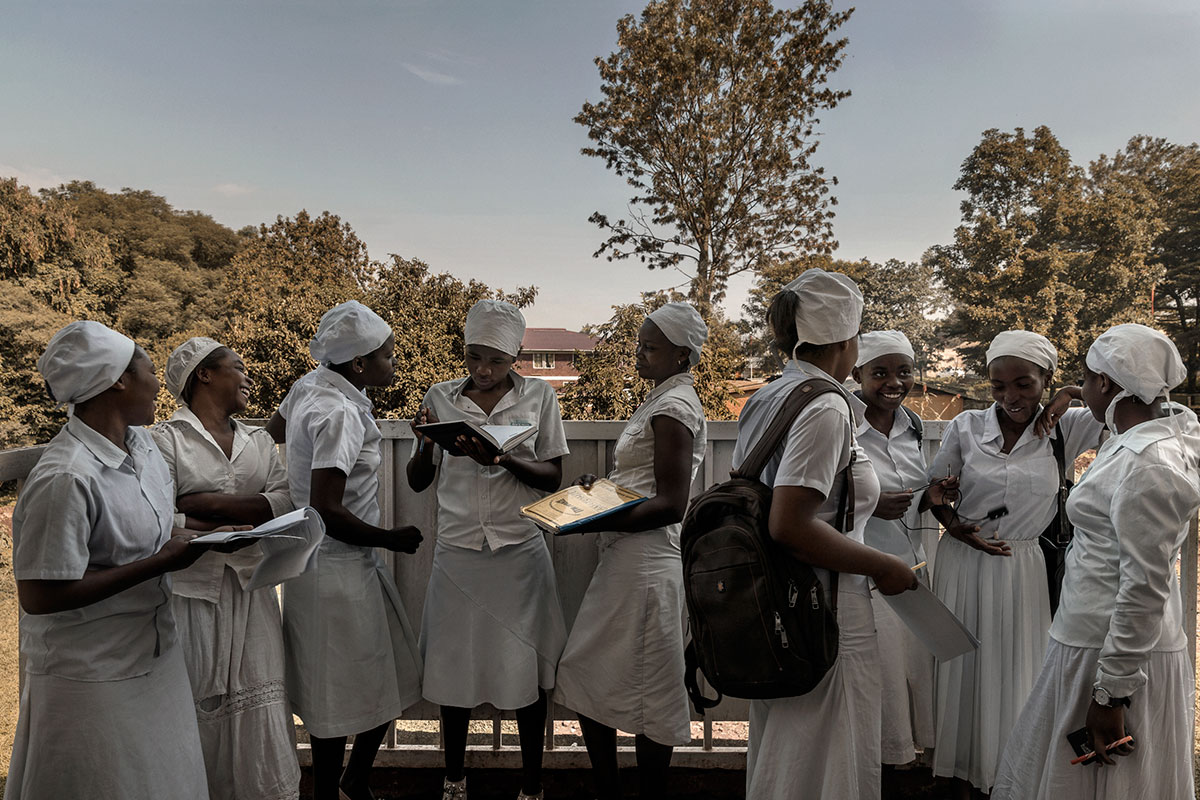
Nurse interns at Panzi hospital, Bukavu. The hospital has become a key centre for women who have suffered sexual abuse; offering a complete treatment programme, ranging from emergency surgery to economic and social support. [Marco Gualazzini/Al Jazeera]
Sons of Violence - Rape in the Congo/ Please Do Not Use
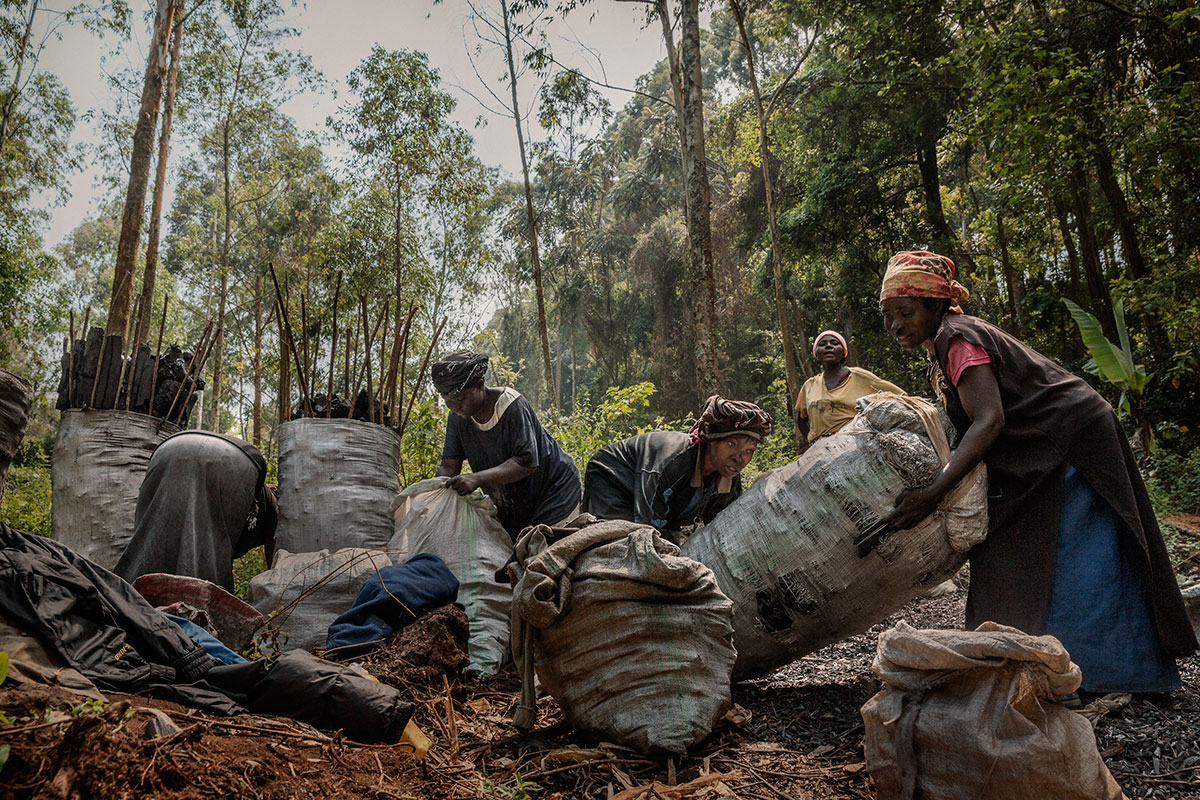
This group of women will carry coal - that can weigh as much as 60kg - on their backs for kilometres up steep roads, from the forests to the nearest villages, earning about $2 a day. [Marco Gualazzini/Al Jazeera]


  • About

    • About Us
    • Code of Ethics
    • Terms and Conditions
    • EU/EEA Regulatory Notice
    • Privacy Policy
    • Cookie Policy
    • Cookie Preferences
    • Accessibility Statement
    • Sitemap
    • Work for us
  • Connect

    • Contact Us
    • User Accounts Help
    • Advertise with us
    • Stay Connected
    • Newsletters
    • Channel Finder
    • TV Schedule
    • Podcasts
    • Submit a Tip
    • Paid Partner Content
  • Our Channels

    • Al Jazeera Arabic
    • Al Jazeera English
    • Al Jazeera Investigative Unit
    • Al Jazeera Mubasher
    • Al Jazeera Documentary
    • Al Jazeera Balkans
    • AJ+
  • Our Network

    • Al Jazeera Centre for Studies
    • Al Jazeera Media Institute
    • Learn Arabic
    • Al Jazeera Centre for Public Liberties & Human Rights
    • Al Jazeera Forum
    • Al Jazeera Hotel Partners

Follow Al Jazeera English:

  • facebook
  • twitter
  • youtube
  • instagram-colored-outline
  • rss
Al Jazeera Media Network logo
© 2026 Al Jazeera Media Network

You might also like:

live israeli attacks kill 76 no aid relief yet for... | thailand readies homecoming for stolen ancient sta... | russia ukraine war list of key events day 1185... | german woman arrested after mass stabbing at hambu... | vietnam orders ban on popular messaging app... | need answers will sri lankas tamils find war closu... | live israeli attacks kill 85 in gaza as starvation... | florida court orders ex mexican security chief to ...