Skip linksSkip to Content
play
Live
Navigation menu
  • News
    • Africa
    • Asia
    • US & Canada
    • Latin America
    • Europe
    • Asia Pacific
  • Middle East
  • Explained
  • Opinion
  • Sport
  • Video
    • Features
    • Economy
    • Human Rights
    • Climate Crisis
    • Investigations
    • Interactives
    • In Pictures
    • Science & Technology
    • Podcasts
    • Travel
play
Live

In Pictures

Gallery|Humanitarian Crises

Life on a chicken farm for displaced Iraqis

Dozens of people who fled the village of Jarallah in northern Iraq have found shelter on a Kurdish chicken farm.
Dibaga
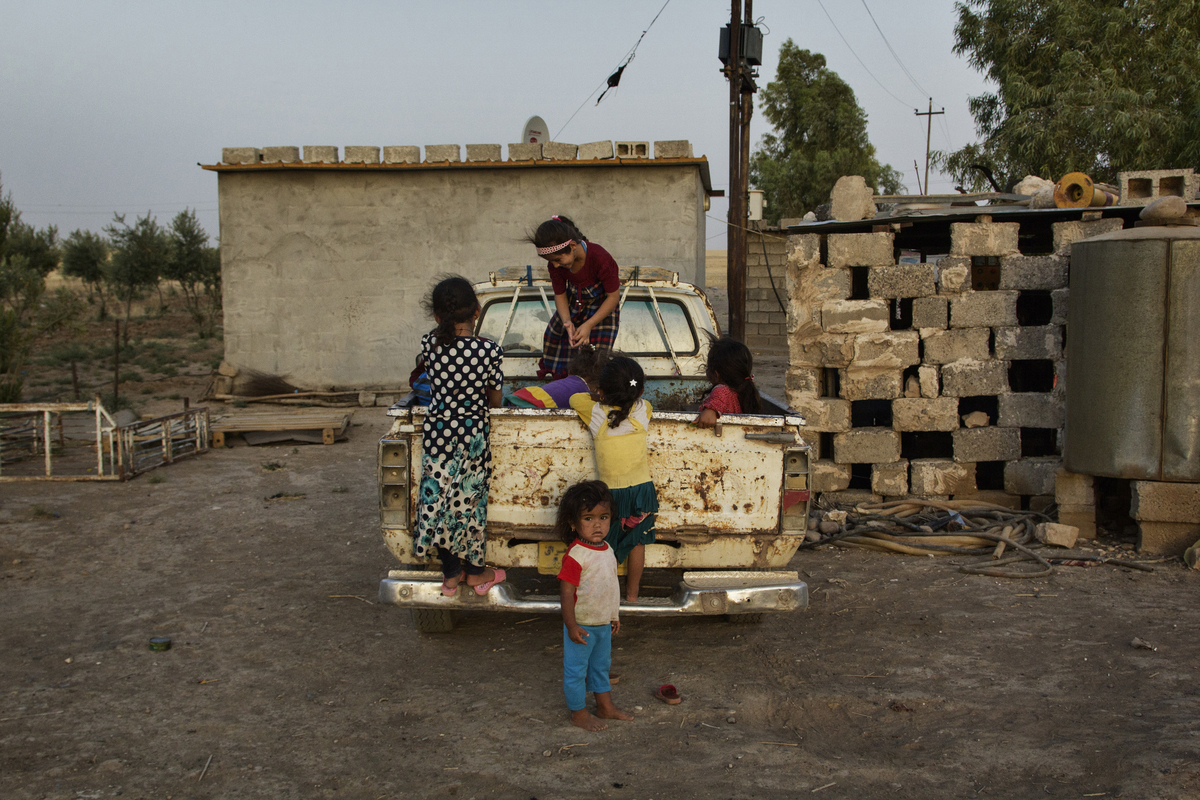
A group of displaced children play on the back of a pickup truck at a chicken farm in Dibaga. About 260 residents of the Iraqi village of Jarallah have relocated here, driven out of their homes by the ongoing conflict. [Hawre Khalid/Metrography/Al Jazeera]
News image
By Hawre Khalid
Published On 4 Sep 20154 Sep 2015

Share

facebooktwitterwhatsappcopylink

Save

Dibaga, Iraq – Residents of Jarallah, a small village in the Nineveh plains of northern Iraq, did not leave immediately after the Islamic State of Iraq and the Levant (ISIL) group took control of the area in August 2014.

Even as electricity and water became scarce, the village’s population of about 260 people remained in place. But as Kurdish Peshmerga forces battled ISIL during the harsh winter, the residents of Jarallah uprooted to Dibaga, near Erbil, the capital of Iraq’s Kurdish region.

The owner of a local chicken farm took them in, and has since been helping to care for them, bringing ice to keep their food cool and gasoline for a generator.

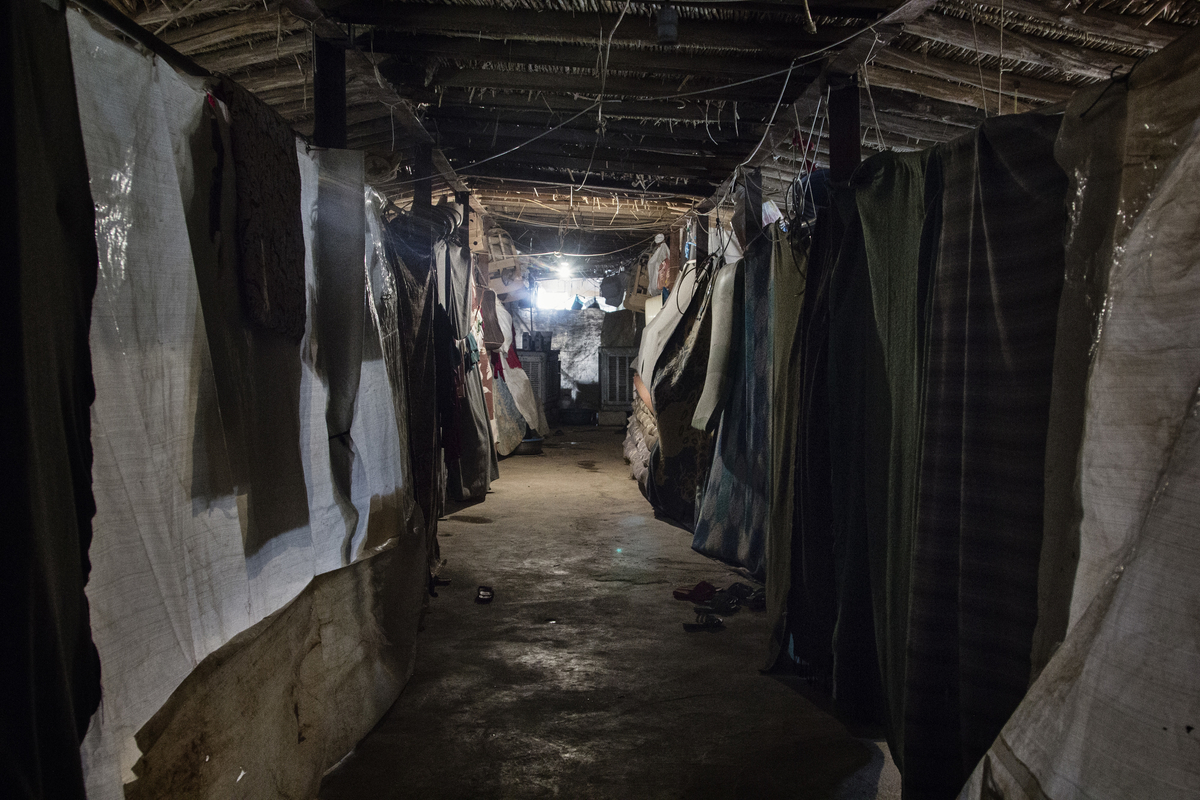
The villagers have made the chicken farm home, turning one room into a mosque as they slowly rebuild their lives. They have found jobs in the fields – tending sheep, harvesting wheat and picking vegetables. Many seem to understand that it may be a long time before they will be able to return home.
Dibaga
Inside a building where displaced Jarallah residents now live, the space has been divided by hanging tarpaulins, giving each family some privacy. [Hawre Khalid/Metrography/Al Jazeera]
Advertisement
Dibaga
Displaced men work in the fields in the evening, collecting potatoes that will be sold at the market in Dibaga. [Hawre Khalid/Metrography/Al Jazeera]
Dibaga
Ali Ahmed, 13, grazes a herd of sheep, given to the displaced residents by the farm's owner, who asked to remain anonymous. [Hawre Khalid/Metrography/Al Jazeera]
Dibaga
Hindia Salah said she now cares for her two-year-old grandchild, after the boy's father was killed in Mosul last year. [Hawre Khalid/Metrography/Al Jazeera]
Dibaga
Children jump off a water tank in Dibaga. The farm's owner keeps the displaced families supplied with water. [Hawre Khalid/Metrography/Al Jazeera]
Dibaga
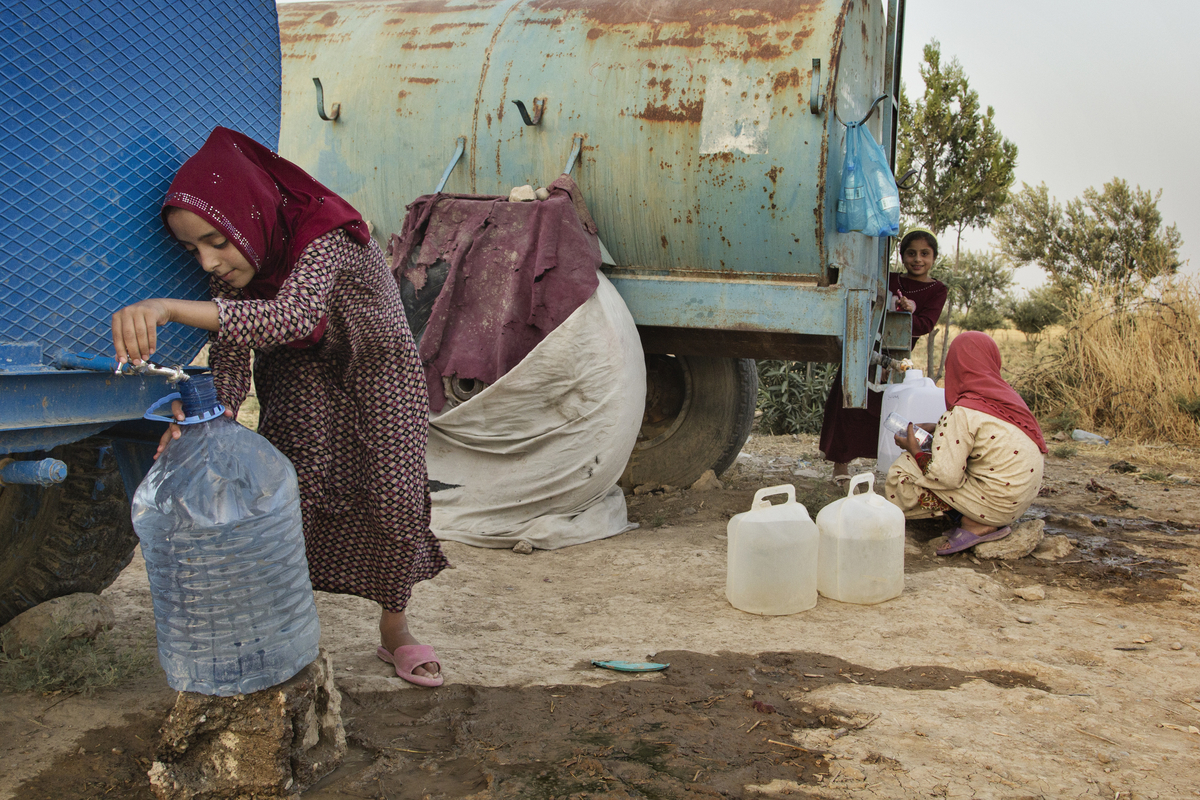
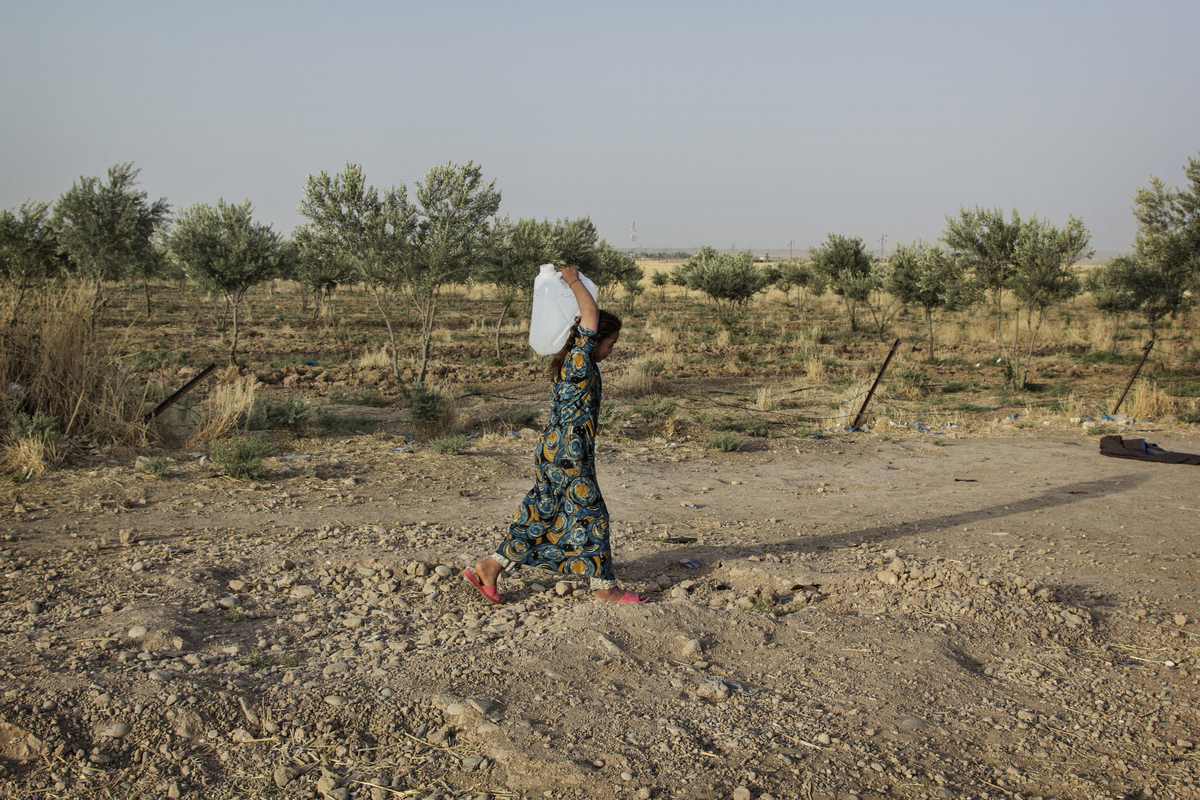
A girl collects water to bring to her family. Regional temperatures at this time of the year can reach 50C. [Hawre Khalid/Metrography/Al Jazeera]
Advertisement
Dibaga
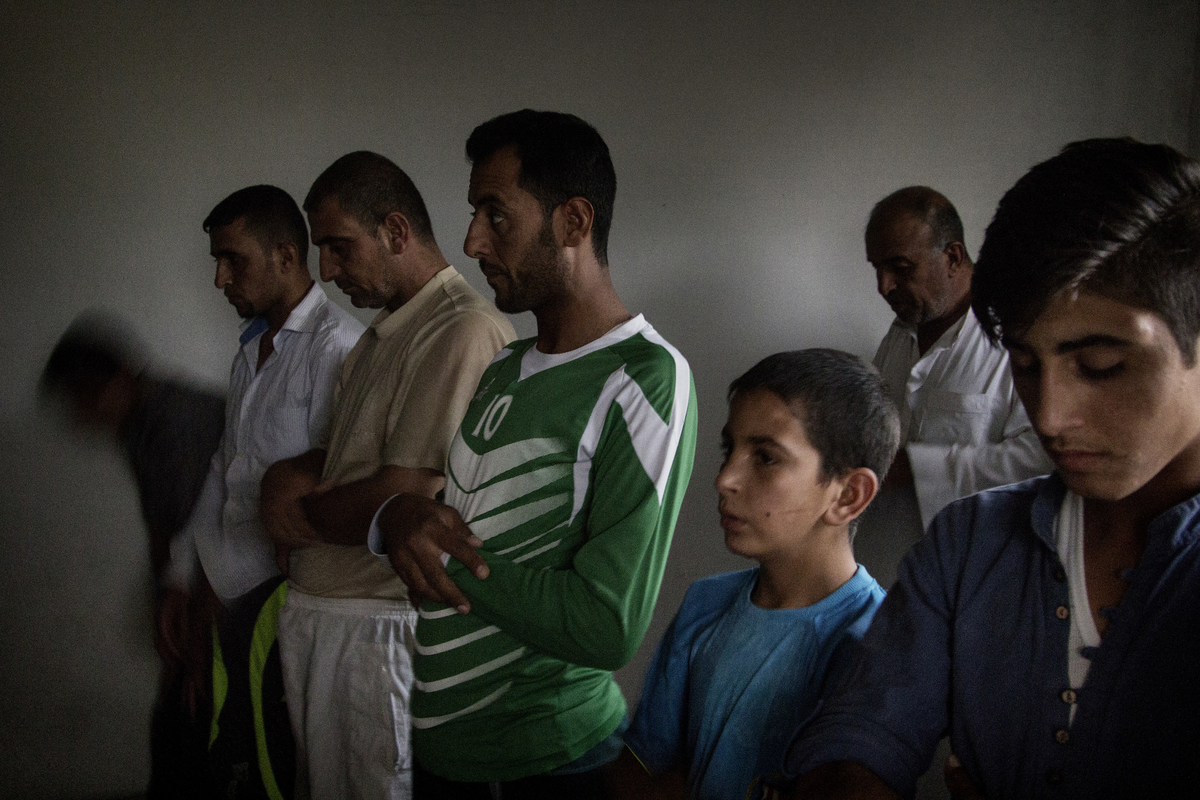
A group of displaced men pray inside a room that was converted into a mosque at the chicken farm. [Hawre Khalid/Metrography/Al Jazeera]
Dibaga
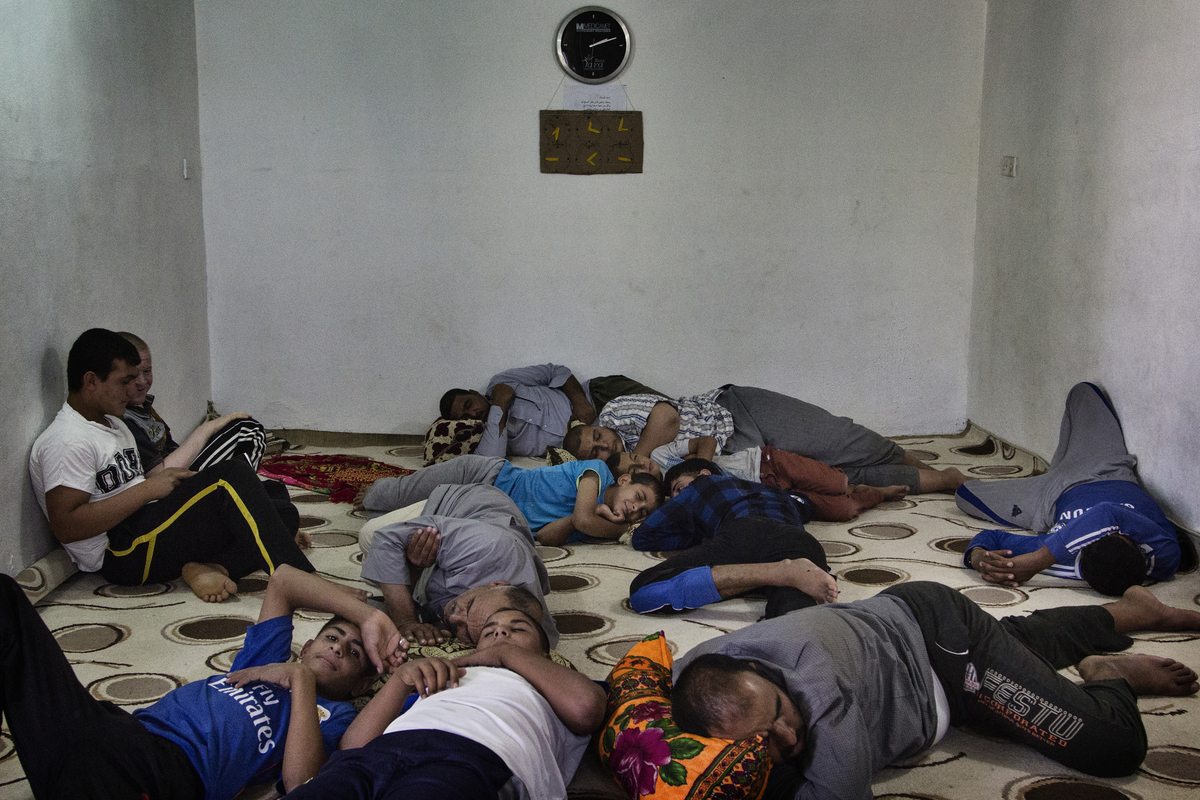
A group of men rest in the mosque on a hot afternoon. [Hawre Khalid/Metrography/Al Jazeera]
Dibaga
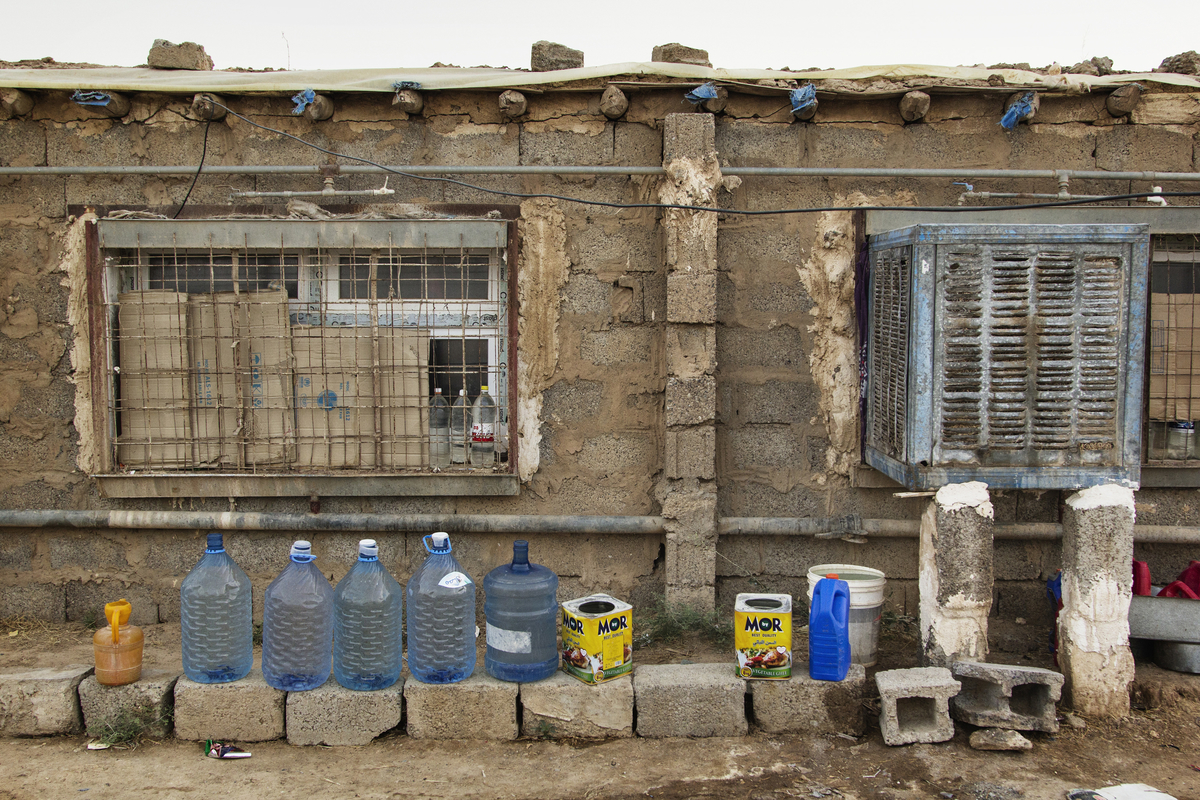
The displaced residents keep bottles of water in front of their houses for showering. [Hawre Khalid/Metrography/Al Jazeera]
Dibaga
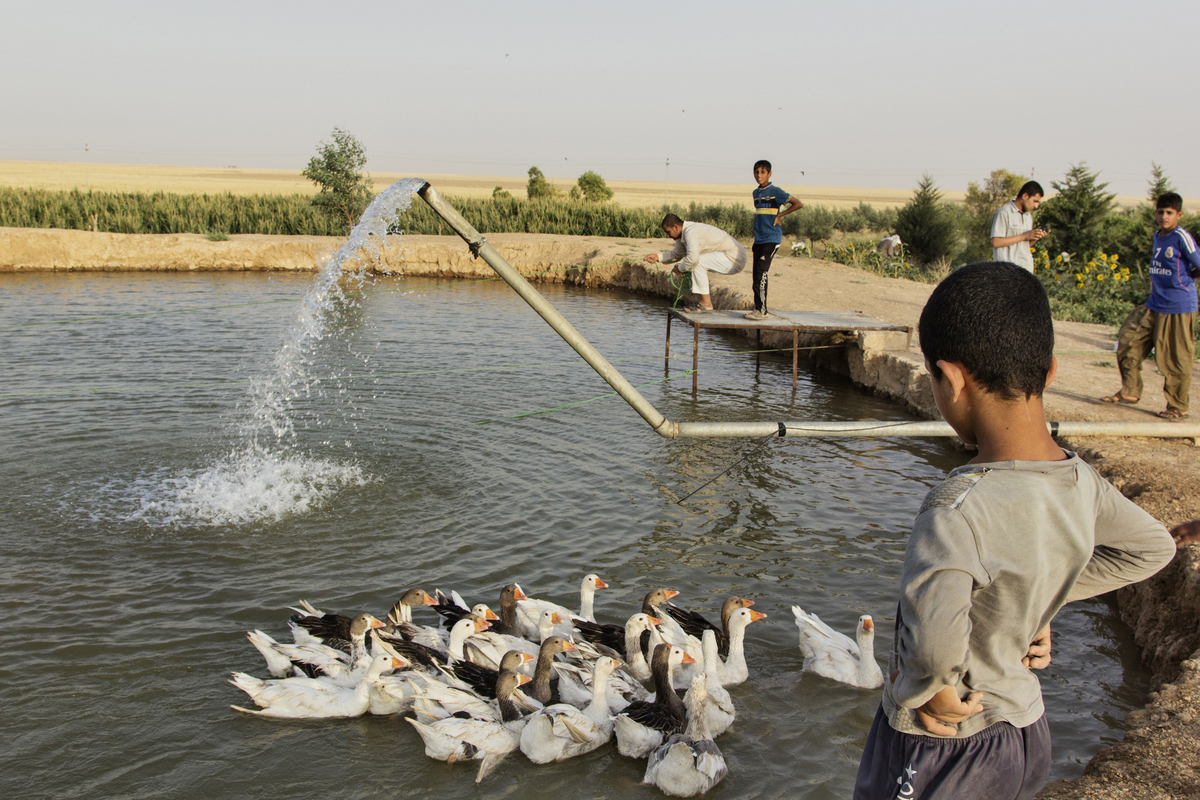
Through an aquaculture project at the farm, displaced Jarallah residents farm fish to sell at the market in Dibaga. [Hawre Khalid/Metrography/Al Jazeera]
Dibaga
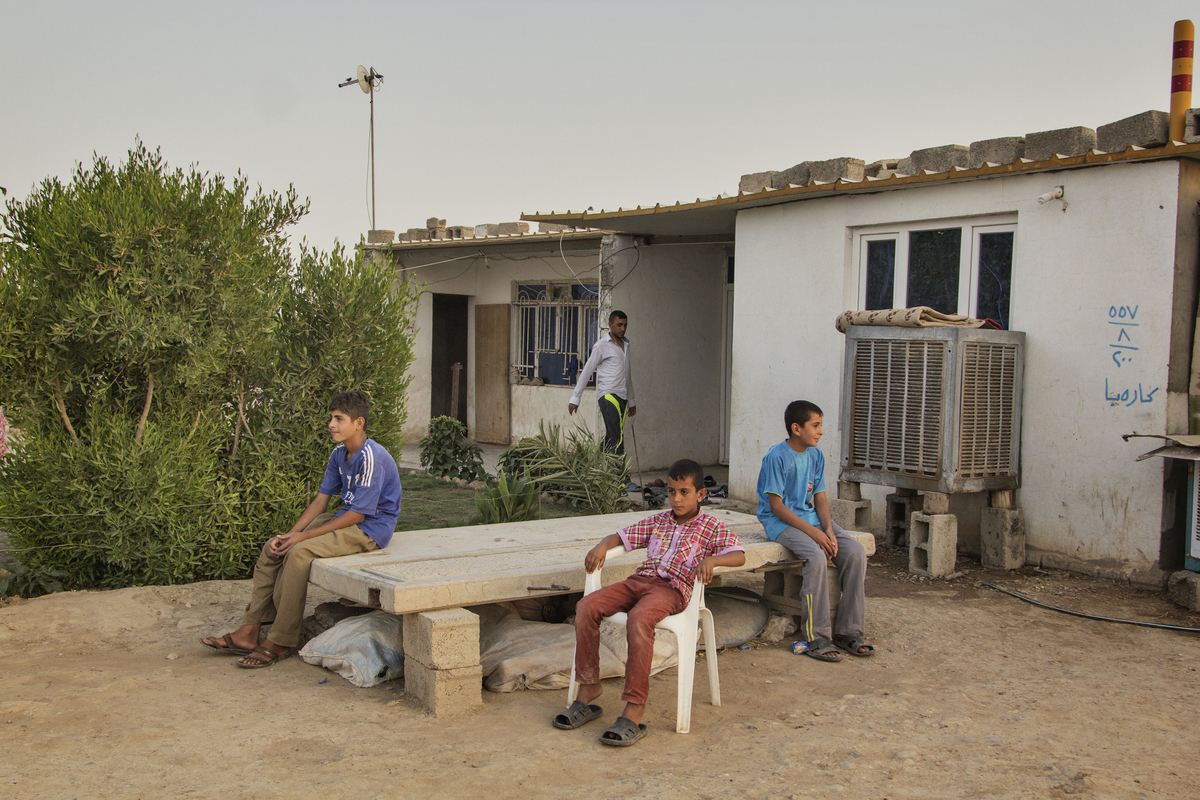
Children sit in the courtyard of the chicken farm, where they have been living since January. [Hawre Khalid/Metrography/Al Jazeera]
Dibaga
Muhammad Jasim, 52, and Mona Ibrahim Hussein, 70, sit in their new home at the chicken farm in Dibaga. Hussein, who lost her nose after contracting an infection, said two of her sons were apprehended by Kurdish security forces on suspicion of being affiliated with ISIL. [Hawre Khalid/Metrography/Al Jazeera]
Dibaga
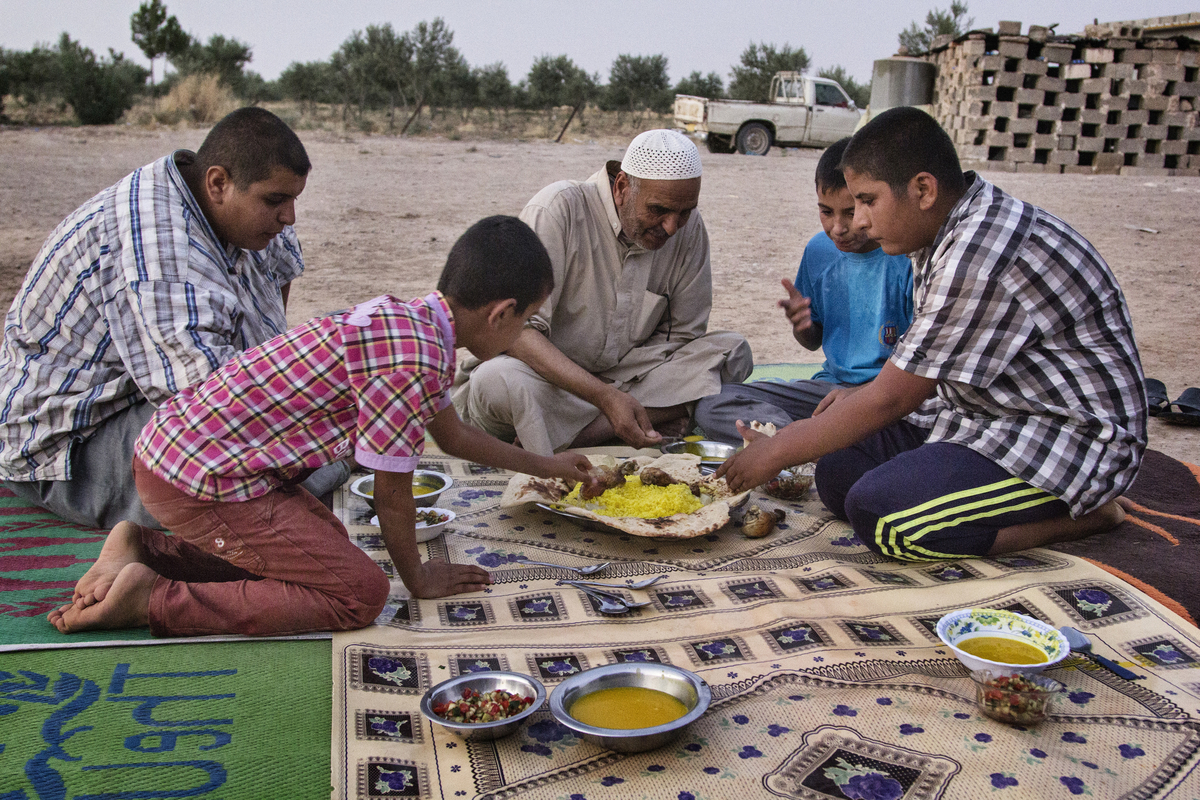
Muhammad Jasim's family enjoys a meal outside of their home at the chicken farm. [Hawre Khalid/Metrography/Al Jazeera]
Dibaga
Many residents have started to understand that it could be a long time before they can return home to Jarallah. [Hawre Khalid/Metrography/Al Jazeera]


  • About

    • About Us
    • Code of Ethics
    • Terms and Conditions
    • EU/EEA Regulatory Notice
    • Privacy Policy
    • Cookie Policy
    • Cookie Preferences
    • Accessibility Statement
    • Sitemap
    • Work for us
  • Connect

    • Contact Us
    • User Accounts Help
    • Advertise with us
    • Stay Connected
    • Newsletters
    • Channel Finder
    • TV Schedule
    • Podcasts
    • Submit a Tip
    • Paid Partner Content
  • Our Channels

    • Al Jazeera Arabic
    • Al Jazeera English
    • Al Jazeera Investigative Unit
    • Al Jazeera Mubasher
    • Al Jazeera Documentary
    • Al Jazeera Balkans
    • AJ+
  • Our Network

    • Al Jazeera Centre for Studies
    • Al Jazeera Media Institute
    • Learn Arabic
    • Al Jazeera Centre for Public Liberties & Human Rights
    • Al Jazeera Forum
    • Al Jazeera Hotel Partners

Follow Al Jazeera English:

  • facebook
  • twitter
  • youtube
  • instagram-colored-outline
  • rss
Al Jazeera Media Network logo
© 2026 Al Jazeera Media Network

You might also like:

live israeli attacks kill 76 no aid relief yet for... | thailand readies homecoming for stolen ancient sta... | russia ukraine war list of key events day 1185... | german woman arrested after mass stabbing at hambu... | vietnam orders ban on popular messaging app... | need answers will sri lankas tamils find war closu... | live israeli attacks kill 85 in gaza as starvation... | florida court orders ex mexican security chief to ...