Skip linksSkip to Content
play
Live
Navigation menu
  • News
    • Africa
    • Asia
    • US & Canada
    • Latin America
    • Europe
    • Asia Pacific
  • Middle East
  • Explained
  • Opinion
  • Sport
  • Video
    • Features
    • Economy
    • Human Rights
    • Climate Crisis
    • Investigations
    • Interactives
    • In Pictures
    • Science & Technology
    • Podcasts
    • Travel
play
Live

In Pictures

Gallery|World Cup

In Pictures: The ‘Unrecognised World Cup’

Just before the World Cup, 12 teams from unrecognised or long-extinct states competed in a tournament of their own.
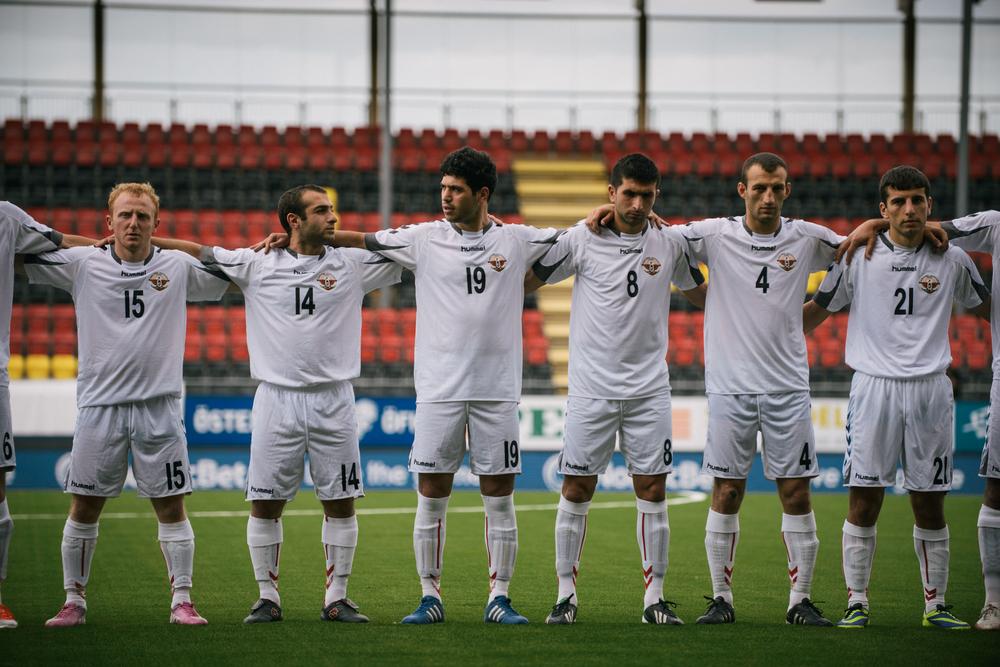
The Nagorno-Karabakh team stands during the playing of the national anthems before a game. Although the football federation of Azerbaijan requested that CONIFA prevent the breakaway republic from participating, CONIFA declined to do so.
News image
By Jacob Balzani Loov
Published On 25 Jun 201425 Jun 2014

Share

facebooktwitterwhatsappcopylink

Save

Ostersund, Sweden – Just a few days before the start of the FIFA World Cup in Brazil, another World Cup took place in the northern hemisphere, with the champion hailing from a small county that last existed 150 years ago. It extended across portions of Italy and France and was called Contea de Nissa. 

Ostersund, the hosting town, is part of Sweden. But the Sami, a nomadic population of reindeer herders, consider it the southern capital of Sapmi – also known as Lappland – a region that includes the northern portions of Norway, Sweden, Finland, and Russia.

The tournament was hosted by the recently founded Confederation of Independent Football Associations (CONIFA), a football organisation made up of teams hailing from disputed territories and long-extinct nations not affiliated with FIFA.

This alternative tournament featured 12 teams, including Abkhazia and South Ossetia, separatist territories that are formally part of the Republic of Georgia; Nagorno-Karabakh, the focal point of an unsettled conflict between Azerbaijan and Armenia; Darfur, a strife-torn region of western Sudan; Kurdistan; Tamil Eelam, a proposed state within Sri Lanka; the Arameans – a team representing the descendants of the Assyro-Babylonian people; and clubs from long-lost European states such as Occitania and Padania.

“There is no prize in cash. Players that normally just represent local clubs are now competing for their whole region, and are bringing home pride and dignity for their people,” said Per-Anders Lund, the president of CONIFA.

Advertisement

“I will [hold] this tournament forever in my heart,” said footballer Valery Makiev, 28, from South Ossetia. “I discovered how good people are also outside my own country.”
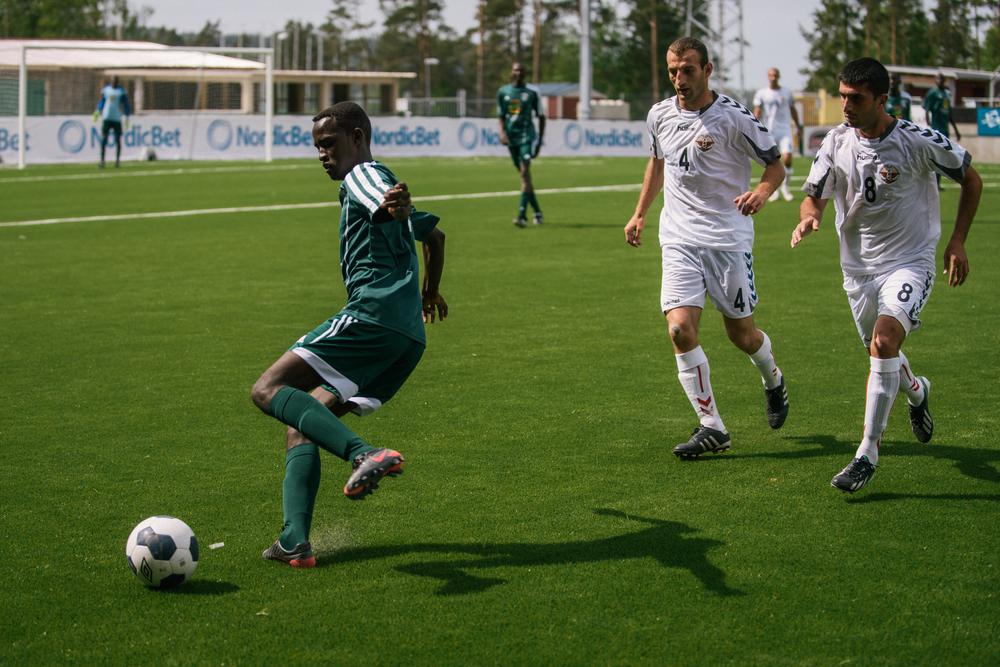
Nagorno-Karabakh beat Darfur 12-0. Darfur lost every match it played. Under the motto "Football and no guns", the team was created by the NGO I-act, with the goal of bringing attention to the situation in Sudan(***)s troubled western region.
Advertisement
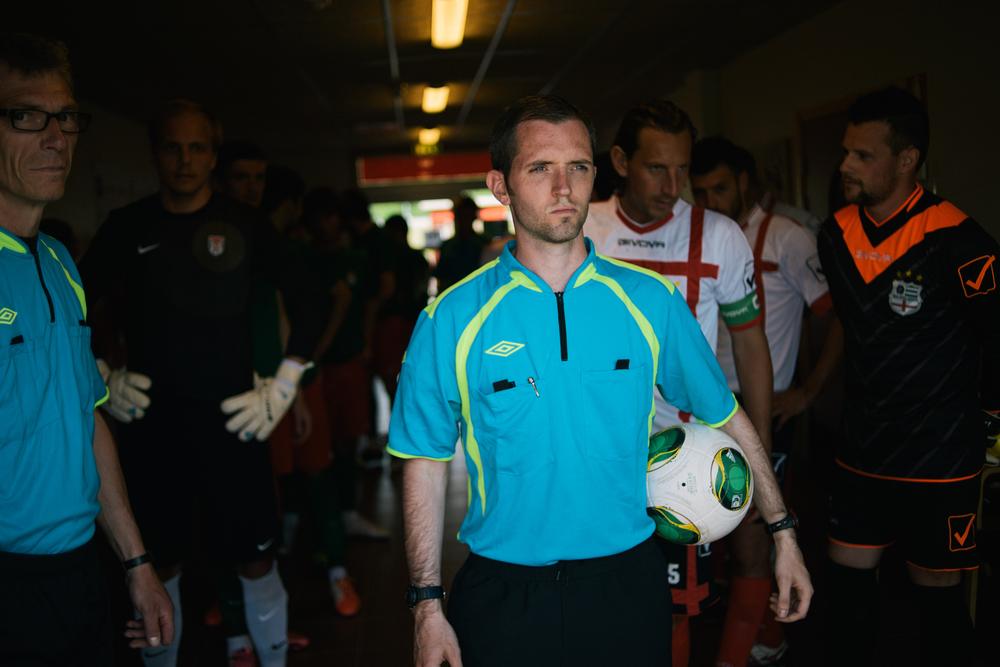
Referees and the teams of Abkhazia and Padania line up before the match. Abkhazia is a disputed territory claimed by the Republic of Georgia, while Padania is a region in northern Italy. Lega Lombarda, a political party that supports the federalisation of Italy, created the concept of Padania during the 1990s.
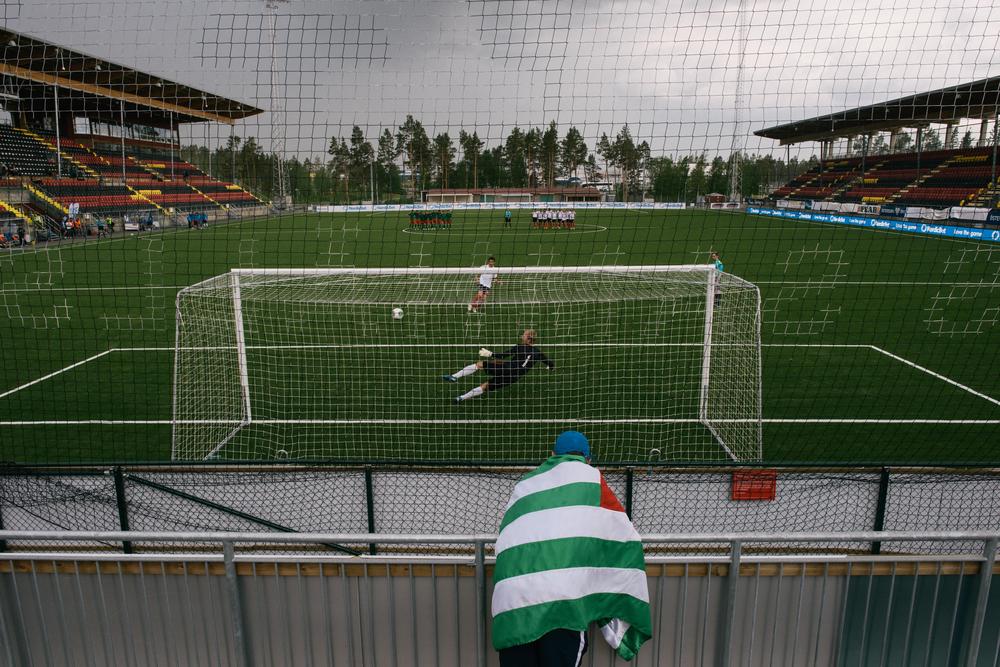
Abkhazia scores a goal on Padania FA during penalties. Abkhazia ultimately won the game, placing eighth in the tournament. 
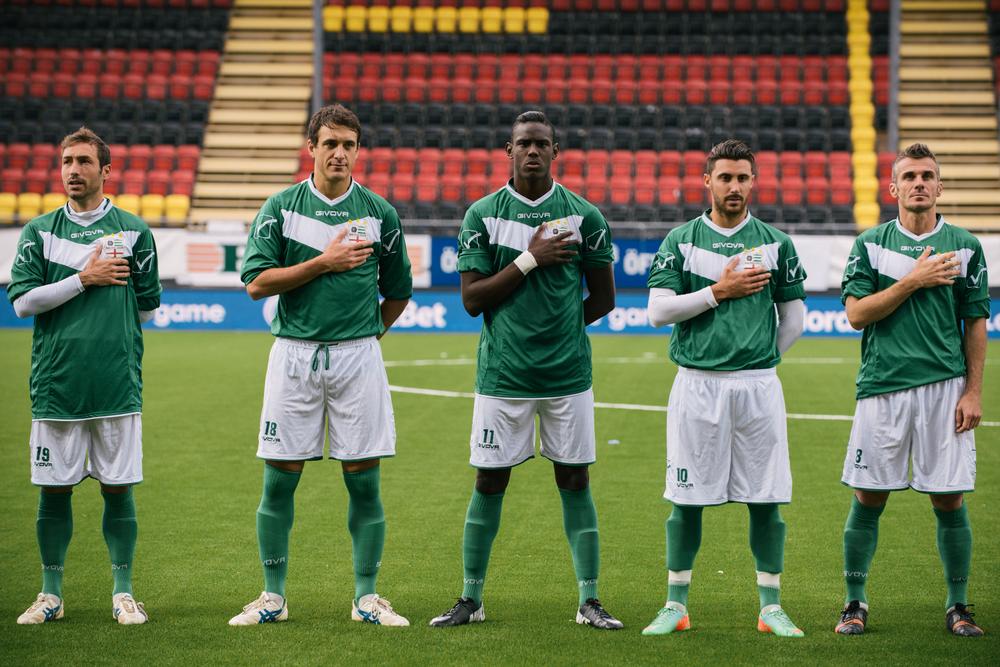
The team of Padania stands during their national anthem before a game. Among the players is Enock Barwuah, the younger brother of "Super Mario" Balotelli, the legendary AC Milan striker. He admits he doesn(***)t know much about the other teams; he is here just to play.
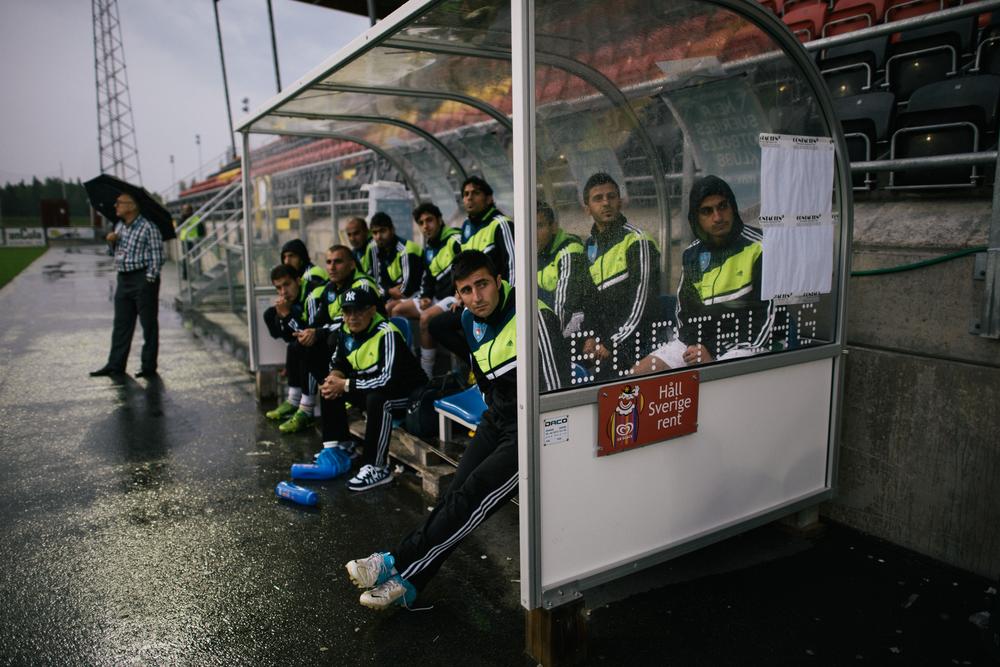
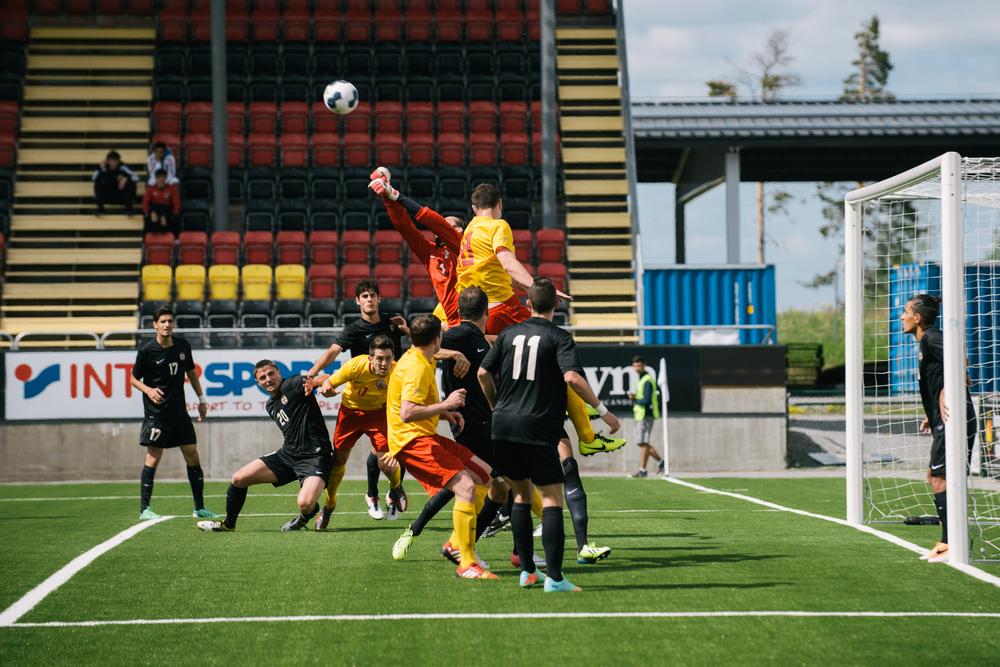
Kurdistan(***)s bench observes the game against Padania. Kurdistan lost the game, placing sixth in the tournament. While Padania players are mostly amateurs, the Kurdish players come from professional leagues. 
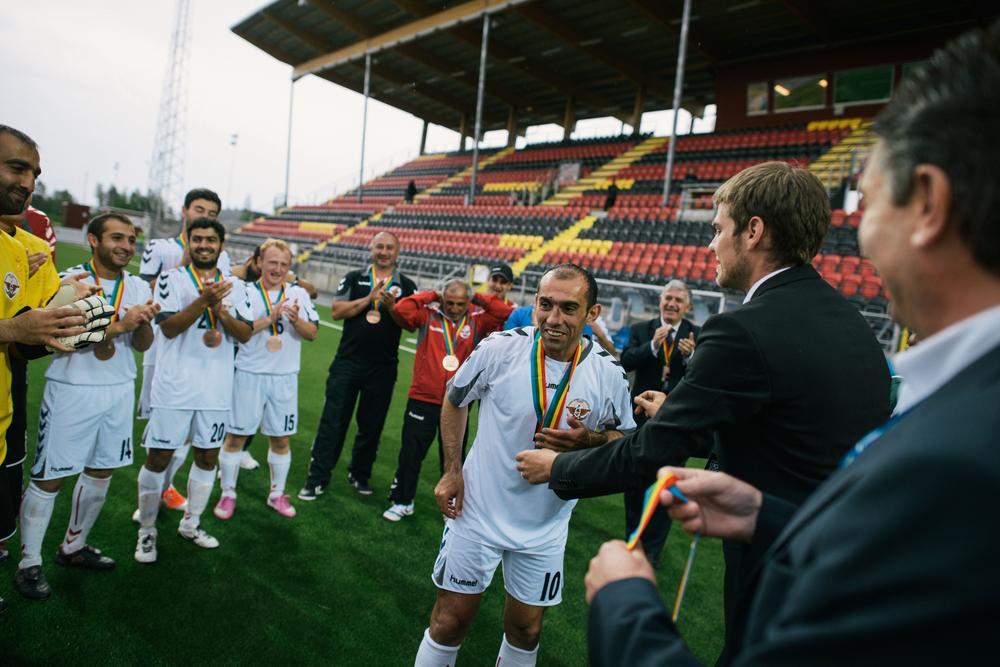
A Nagorno-Karbakh player receives a placement medal during the award ceremony. They placed ninth in the tournament after winning 5-1 against Sapmi. Among the teams from the Caucasus, Nagorno-Karabakh is the only one made up of professional players. 
Advertisement
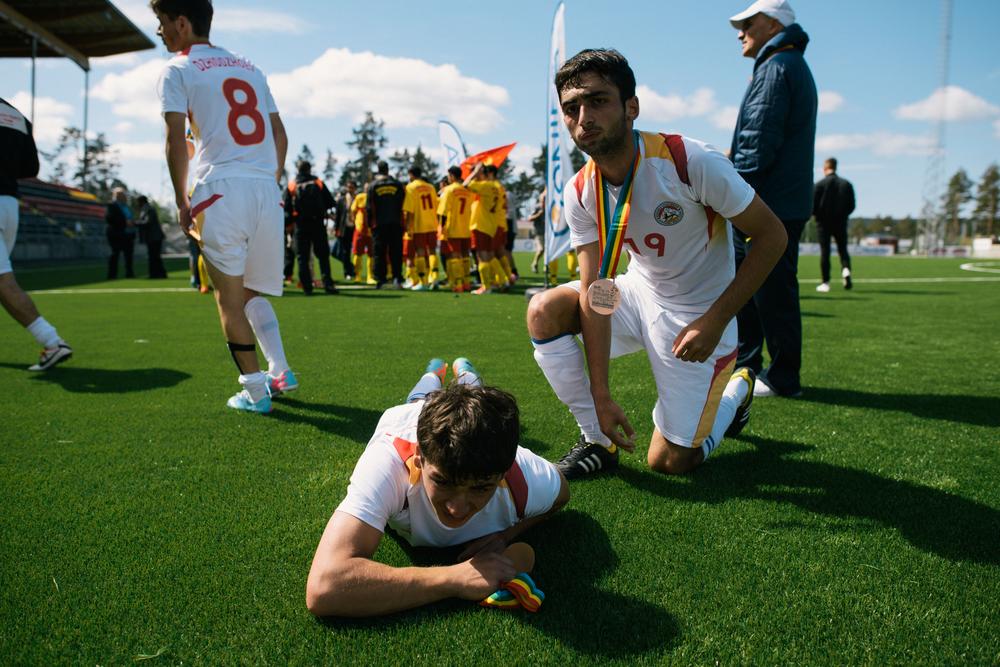
Players from South Ossetia sulk after losing the bronze medal match against Arameans Suryoye, the diaspora of the Aramaic-speaking descendants of Assyria.
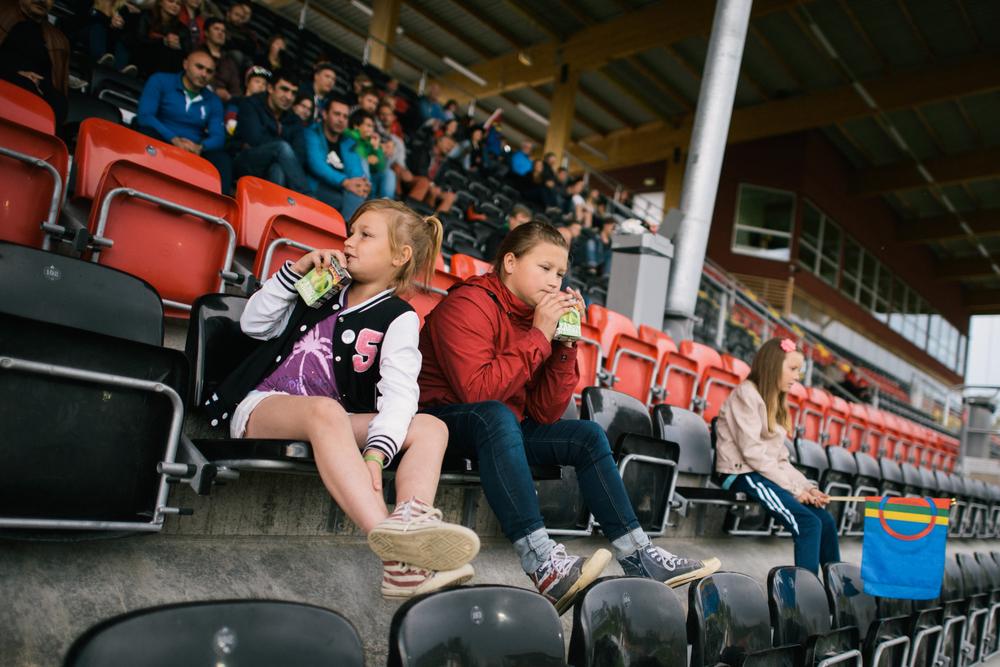
Supporters of Sapmi watch their team. Sapmi is the name of the cultural region traditionally inhabited by the Sami people, or Lapplanders. Although no political organisation advocates secession, several groups desire more autonomy for the region(***)s indigenous population.
The Tamil Eelam team beat Darfur 10-0, placing 11th in the tournament. The players came from the Tamil diaspora, which has scattered around the world following Sri Lanka(***)s 1983-2009 civil war.
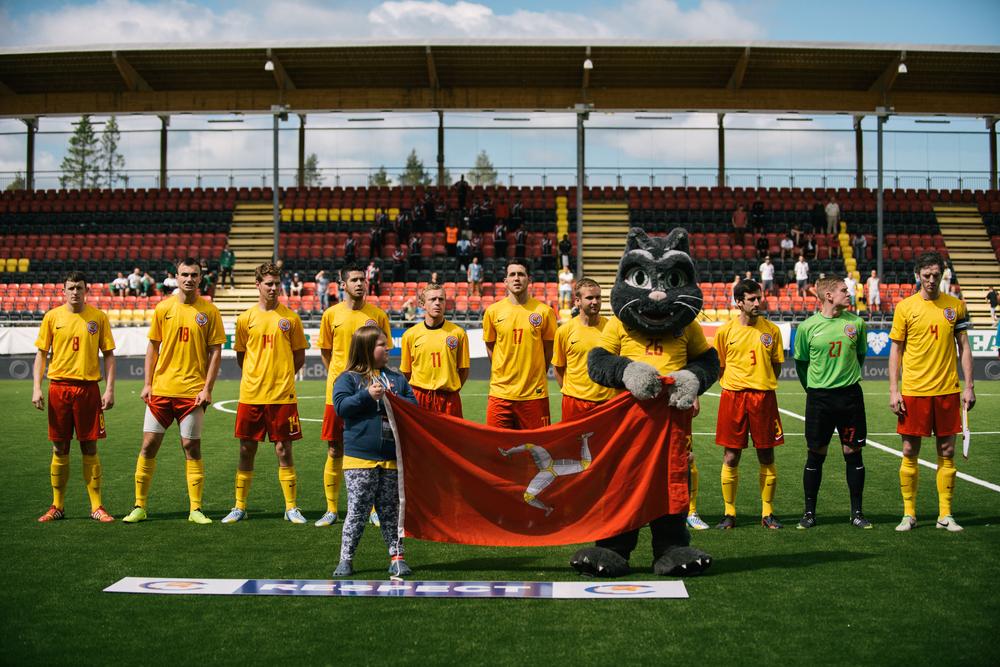
The team of Ellan Vannin, before the final against Contea de Nissa. Ellan Vannin is the local name for the Isle of Man, a self-governing British Crown Dependency located between Northern Ireland and Scotland.
Ellan Vannin and Contea de Nissa FA face off in the finals. After the match ended in a tie, Ellan Vannin lost during penalties.
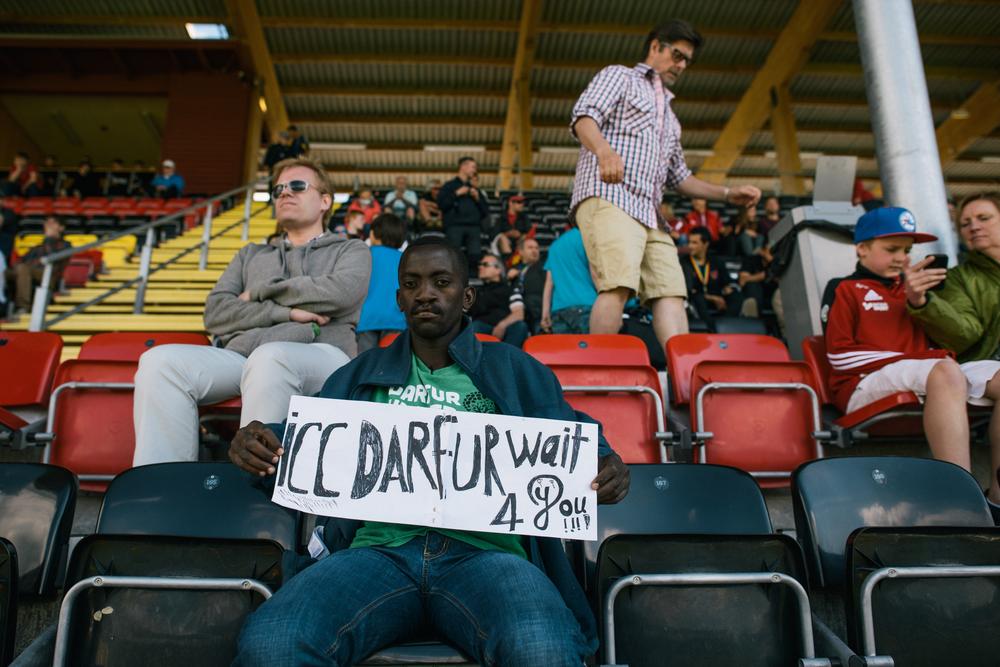
Ismail Abdulrhman, 25, a player on the Darfur team, held a small sign that read: "International Crime Court Darfur [is waiting for] you."
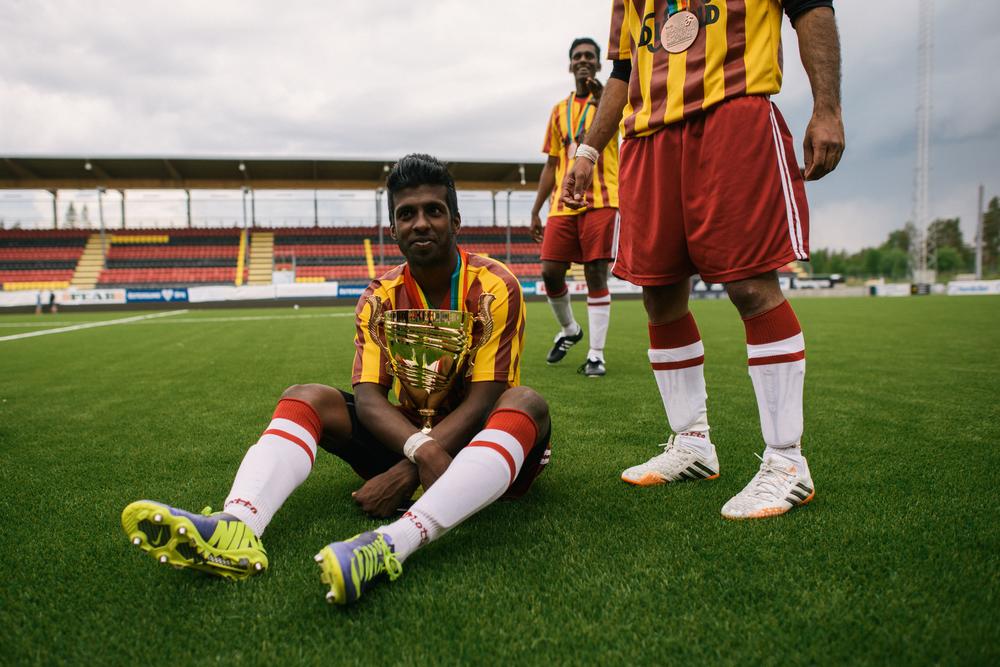
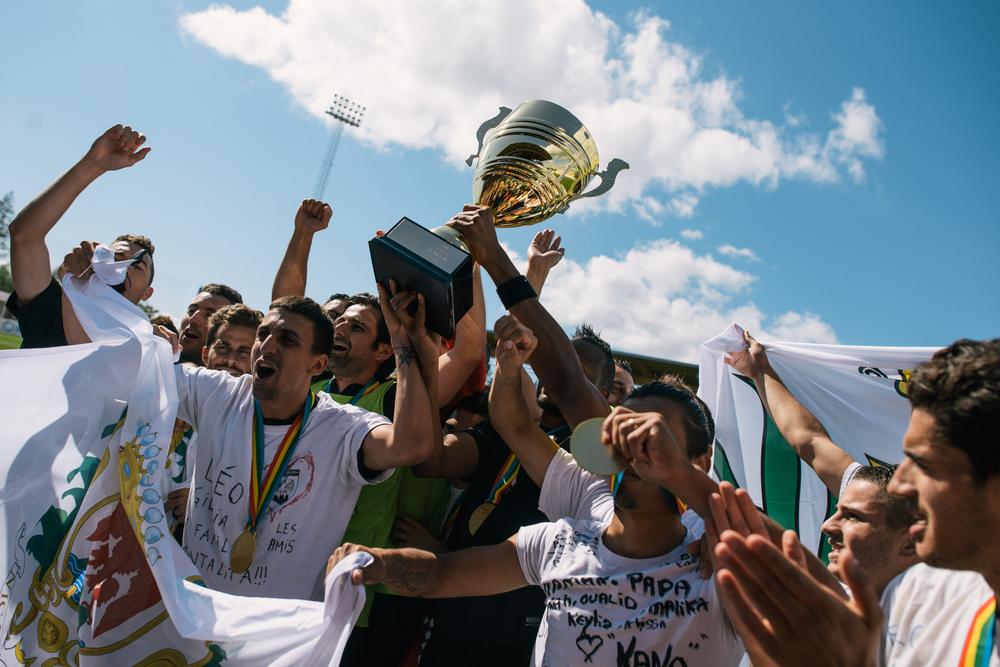
Contea de Nissa celebrates their victory over Ellan Vannin. Contea de Nissa, a country between modern-day Italy and France, ceased to exist in 1860 when it was annexed by France.
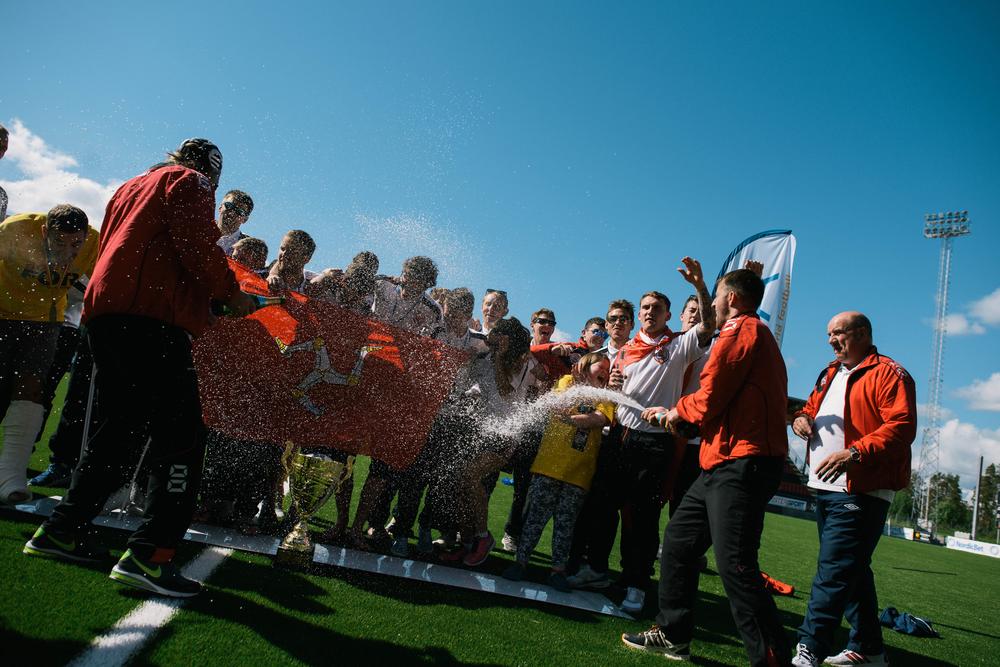
Ellan Vannin celebrates their second-place finish. "It is incredible how far you can get if you believe in yourself, your country and your people," said Chris Bass, 54, the team manager of Ellen Vannin. "We lost on penalties, but as you have to do in real life, we have to move on and accept it."


  • About

    • About Us
    • Code of Ethics
    • Terms and Conditions
    • EU/EEA Regulatory Notice
    • Privacy Policy
    • Cookie Policy
    • Cookie Preferences
    • Accessibility Statement
    • Sitemap
    • Work for us
  • Connect

    • Contact Us
    • User Accounts Help
    • Advertise with us
    • Stay Connected
    • Newsletters
    • Channel Finder
    • TV Schedule
    • Podcasts
    • Submit a Tip
    • Paid Partner Content
  • Our Channels

    • Al Jazeera Arabic
    • Al Jazeera English
    • Al Jazeera Investigative Unit
    • Al Jazeera Mubasher
    • Al Jazeera Documentary
    • Al Jazeera Balkans
    • AJ+
  • Our Network

    • Al Jazeera Centre for Studies
    • Al Jazeera Media Institute
    • Learn Arabic
    • Al Jazeera Centre for Public Liberties & Human Rights
    • Al Jazeera Forum
    • Al Jazeera Hotel Partners

Follow Al Jazeera English:

  • facebook
  • twitter
  • youtube
  • instagram-colored-outline
  • rss
Al Jazeera Media Network logo
© 2026 Al Jazeera Media Network

You might also like:

live israeli attacks kill 76 no aid relief yet for... | thailand readies homecoming for stolen ancient sta... | russia ukraine war list of key events day 1185... | german woman arrested after mass stabbing at hambu... | vietnam orders ban on popular messaging app... | need answers will sri lankas tamils find war closu... | live israeli attacks kill 85 in gaza as starvation... | florida court orders ex mexican security chief to ...