Skip linksSkip to Content
play
Live
Navigation menu
  • News
    • Africa
    • Asia
    • US & Canada
    • Latin America
    • Europe
    • Asia Pacific
  • Middle East
  • Explained
  • Opinion
  • Sport
  • Video
    • Features
    • Economy
    • Human Rights
    • Climate Crisis
    • Investigations
    • Interactives
    • In Pictures
    • Science & Technology
    • Podcasts
    • Travel
play
Live

In Pictures

Gallery|Health

In Pictures: Psychiatric care in DR Congo

The central African country, site of the deadliest fighting since World War II, is home to many who need mental care.
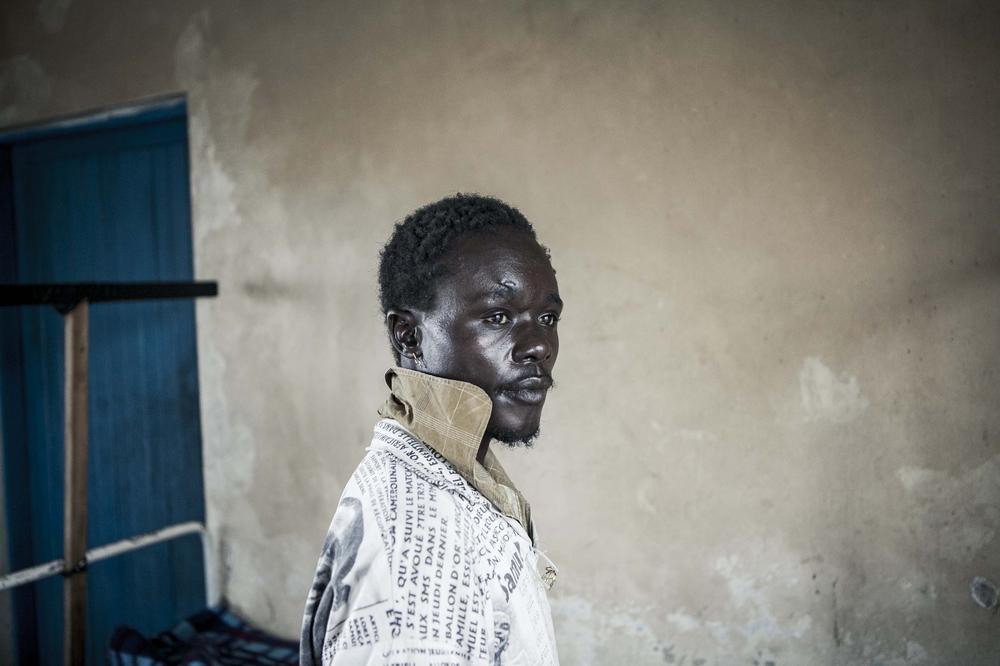
Kome Katenga joined the Alliance of Democratic Forces for the Liberation of Congo (ADFL) during the first Congo War in 1997, when he was only 16 years old. Led by Laurent Kabila, the ADFL was known for its brutality and recruitment of child soldiers. In 2002, Kome started drinking. He has been admitted to mental care facilities seven times since then.
News image
By Patrick Meinhardt
Published On 18 Jun 201418 Jun 2014

Share

facebooktwitterwhatsappcopylink

Save

Goma, Democratic Republic of Congo– Since 1998, more than five million people in the Democratic Republic of Congo have lost their lives in a series of wars that, taken together, are the deadliest since World War II. The psychological and physiological impact on the people of this central African nation has been enormous.

Fifteen million Congolese, out of a population of roughly 60 million, are estimated to suffer from mental illness. After suffering from more than two decades of political unrest, the country lacks a modern-day healthcare system.

Witch doctors and shamans are the most common healthcare providers in the North Kivu region, in the country’s east. Many of these traditional health practitioners believe that mental and physical disorders are the result of witchcraft or demonic possession, and thus use highly unorthodox methods to cure the illness or extract what some believe are demons.

Whereas doctors use modern medicine to treat patients, church ministers use prayer, and shamans use traditional healing which involves phytotherapy – the use of plants as medicine – as well as totems and witchcraft.
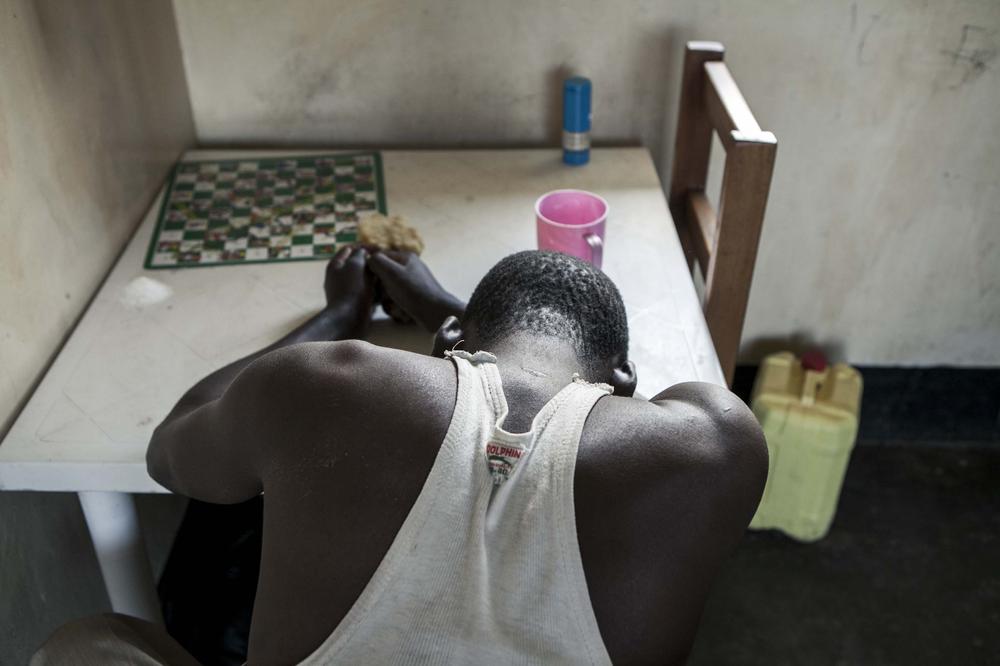
The ongoing conflict devastated the region, creating unemployment that contributes to drug and alcohol abuse among Goma(***)s youth. Many young people here struggle with depression, hallucinations or schizophrenia.
Advertisement
Deo Kakule burned down his house when his mother was forced to flee because of the war. He was diagnosed with schizophrenia at the mental care facility Tulizo Letu (Our Comfort).
Some patients like Deo arrive at the mental institution wearing leg irons. These people normally come from remote areas where medical assistance is lacking. The staff at Tulizo Letu deemed him too dangerous to be left alone.
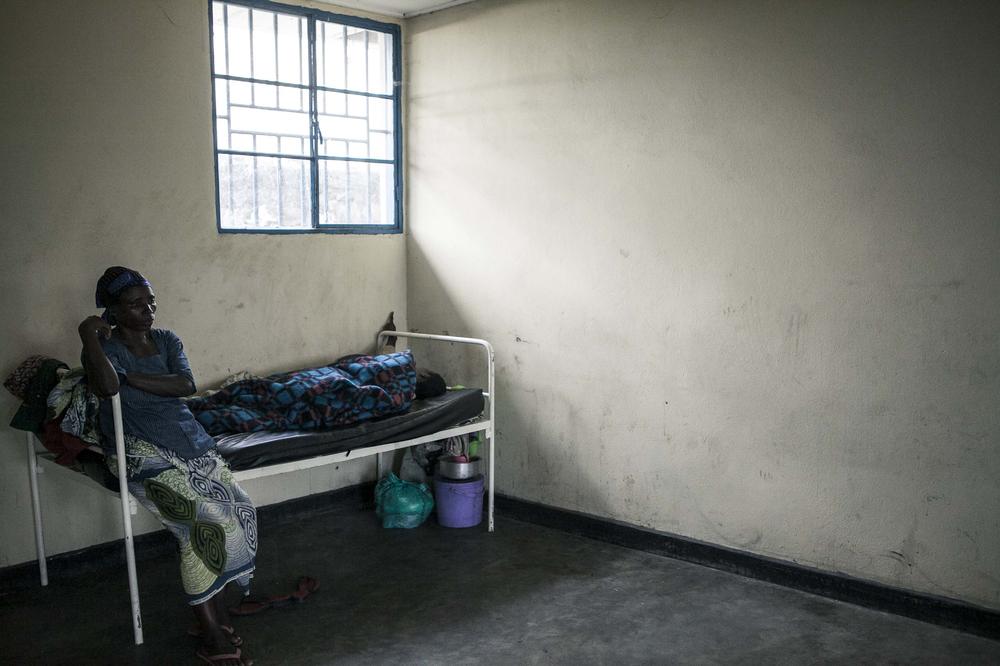
This psychiatric facility doesn(***)t have enough staff to take care of all the patients. When possible, family members like Charlotte Habanuwg are asked to stay and keep an eye on their relatives at all times.
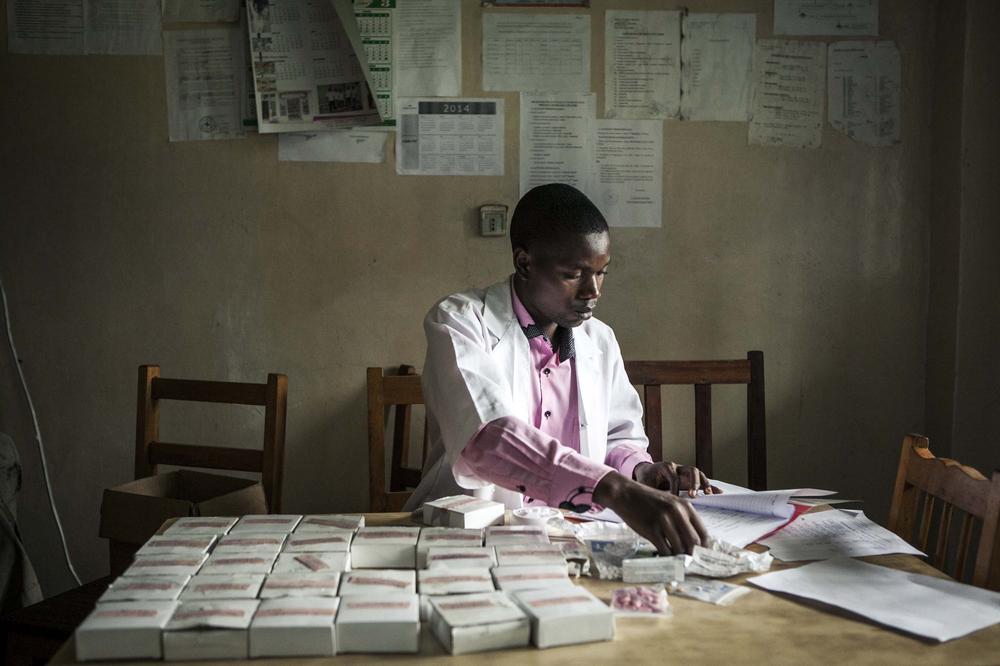
Mental health institutions do not always benefit from the same financial support as other health sectors. Facilities like this one run by the Brothers of Charity have to find ways to support themselves, often through donations and networks in Europe.
Minister Moise Munyuabumba runs the 8th CEPAC Galilaya Church, which belongs to the Pentecostal movement. The church believes that the mentally ill are demonically possessed and must have their demons extracted from them. 
Advertisement
Munyuabumba uses religion to try to heal the mental and physical disorders of the people who come to his church.
Misconceptions about modern medicine complicate treatment. The staff at Tulizo Letu claim that people inside churches have died from treatable diseases.
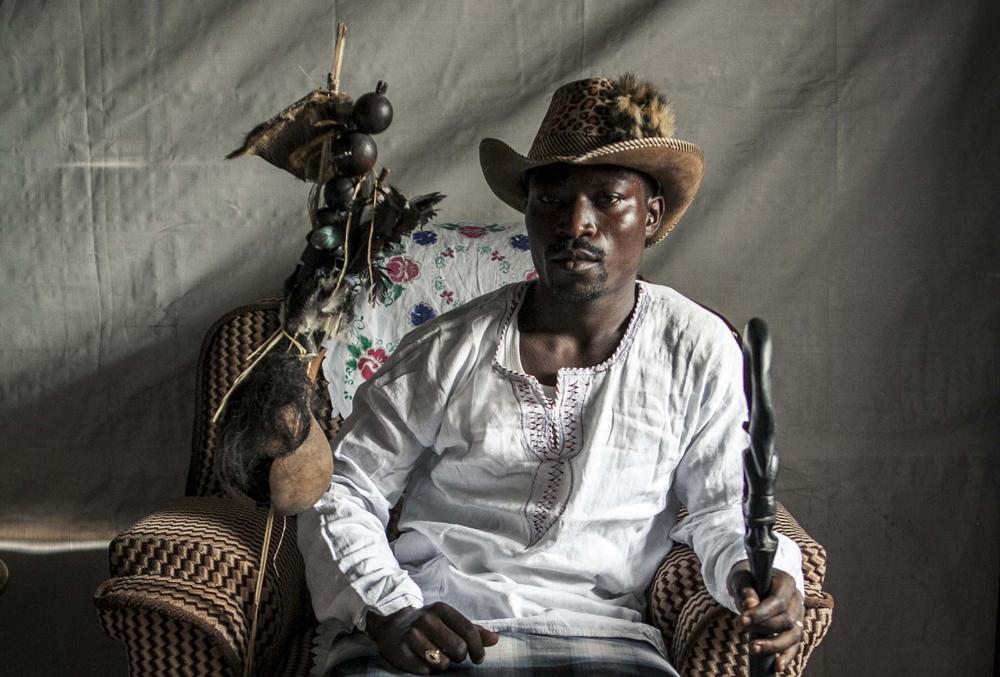
Isaac Rwanamiza is a traditional healer from the Bakumu tribe. These shamanic healers are recognised by the Congolese government.
Mark Ndibakunri, 11, has elephantiasis, which is the swelling of a ligament. Even though Ndibakunri was diagnosed at a hospital, he believes he obtained the disease from stepping on a cursed branch.
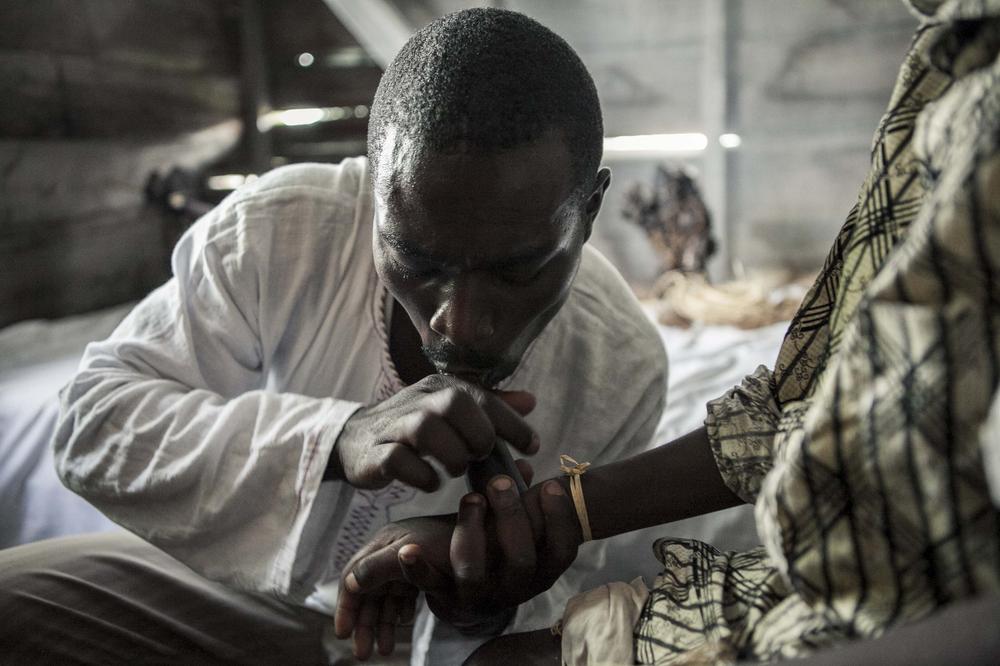
Isaac Rwanamiza treats several patients every day, and can charge up to $70 per session. Traditional healers are respected within their communities and have the blessing of local authorities.


  • About

    • About Us
    • Code of Ethics
    • Terms and Conditions
    • EU/EEA Regulatory Notice
    • Privacy Policy
    • Cookie Policy
    • Cookie Preferences
    • Accessibility Statement
    • Sitemap
    • Work for us
  • Connect

    • Contact Us
    • User Accounts Help
    • Advertise with us
    • Stay Connected
    • Newsletters
    • Channel Finder
    • TV Schedule
    • Podcasts
    • Submit a Tip
    • Paid Partner Content
  • Our Channels

    • Al Jazeera Arabic
    • Al Jazeera English
    • Al Jazeera Investigative Unit
    • Al Jazeera Mubasher
    • Al Jazeera Documentary
    • Al Jazeera Balkans
    • AJ+
  • Our Network

    • Al Jazeera Centre for Studies
    • Al Jazeera Media Institute
    • Learn Arabic
    • Al Jazeera Centre for Public Liberties & Human Rights
    • Al Jazeera Forum
    • Al Jazeera Hotel Partners

Follow Al Jazeera English:

  • facebook
  • twitter
  • youtube
  • instagram-colored-outline
  • rss
Al Jazeera Media Network logo
© 2026 Al Jazeera Media Network

You might also like:

live israeli attacks kill 76 no aid relief yet for... | thailand readies homecoming for stolen ancient sta... | russia ukraine war list of key events day 1185... | german woman arrested after mass stabbing at hambu... | vietnam orders ban on popular messaging app... | need answers will sri lankas tamils find war closu... | live israeli attacks kill 85 in gaza as starvation... | florida court orders ex mexican security chief to ...