In Pictures
In pictures: Feast of the Black Nazarene
Millions of Filipinos marched through Manila in one of the country’s most spectacular religious events.
Published On 9 Jan 2014
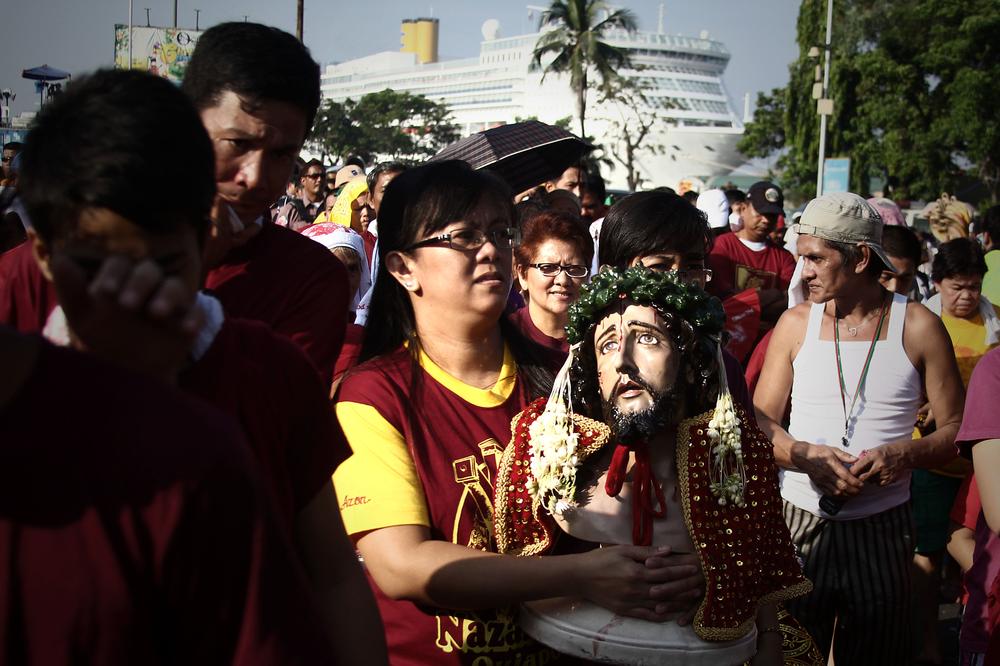
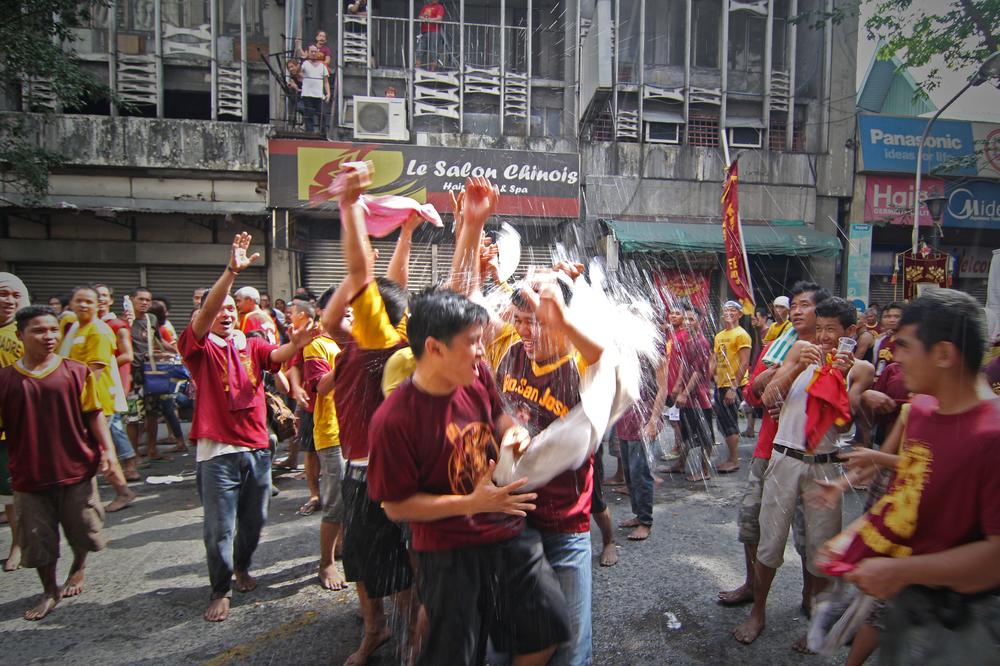
Manila, Philippines – An estimated 10 million Filipino Catholics braved the suffocating heat as they marched in the streets of Manila on Thursday to celebrate the feast of the Black Nazarene.
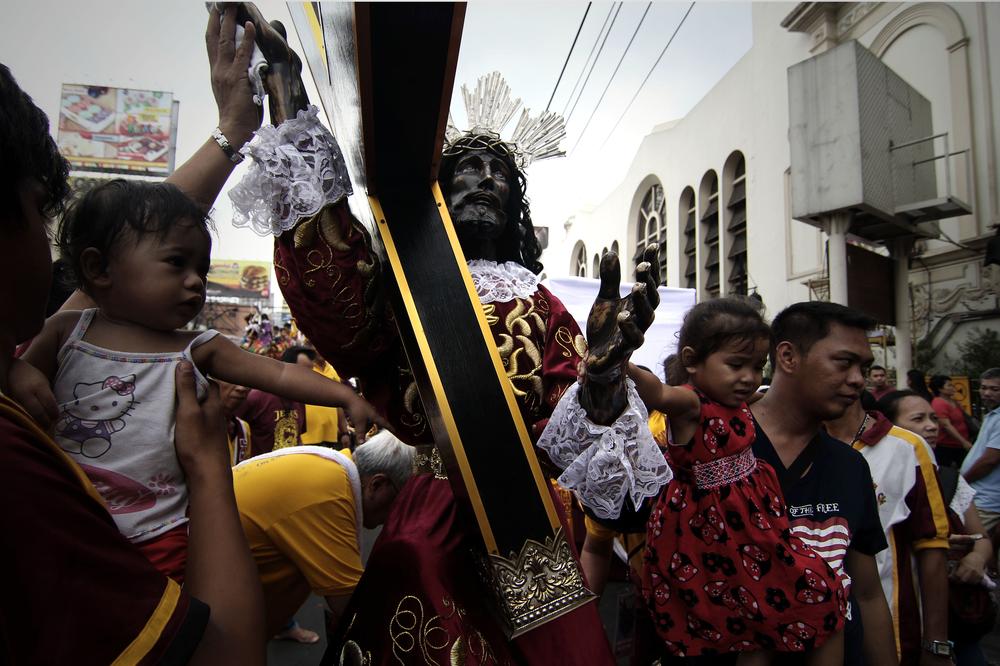
The feast, which takes place every January 9, is considered to be one of the most spectacular religious events in the Philippines. Parents – rich and poor, educated and illiterate – dragged their children through a sea of bodies, arms, and feet swaying from left to right.
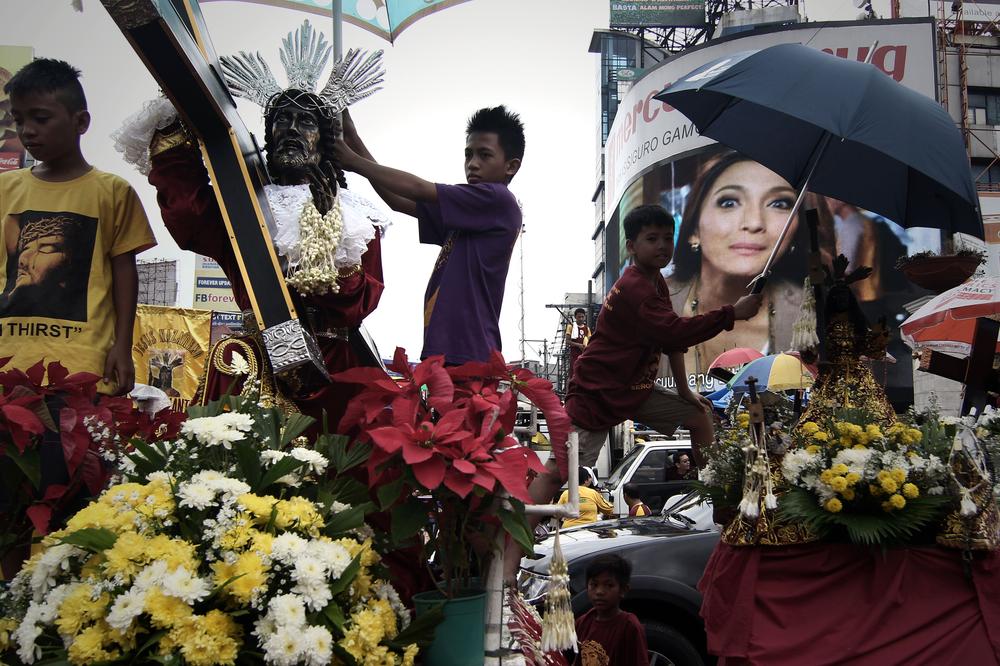
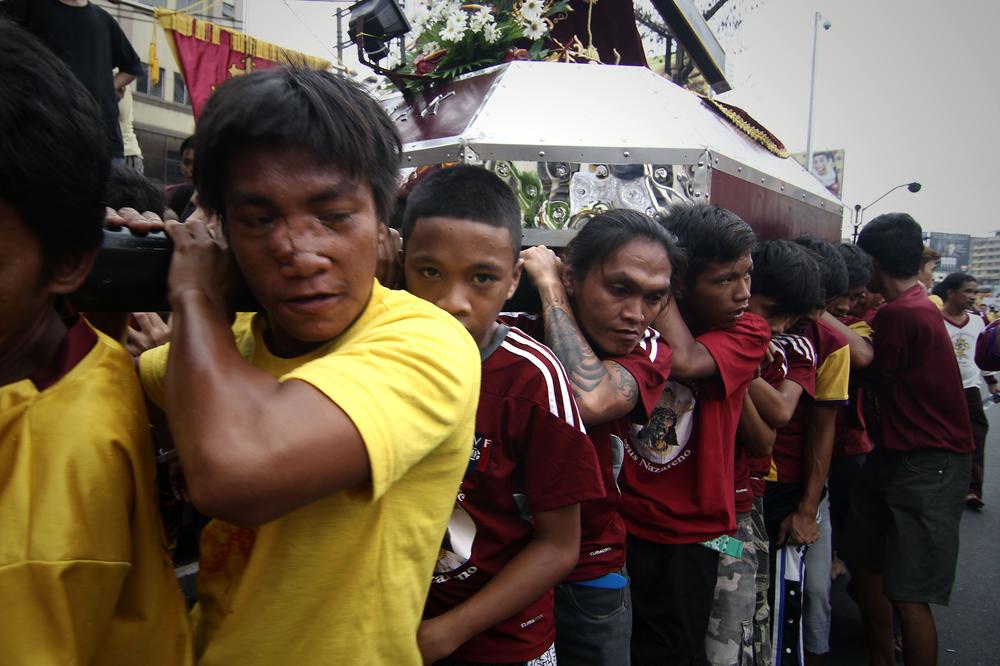
The mammoth crowd pulled a carriage carrying a life-size statue of a black Jesus holding a cross during the day-long procession. Devotees, many carrying small towels or handkerchiefs, squeezed their way to touch the statue or grab the rope used to pull the image, to ask favours from God or to give thanks for fulfilled prayers. In 2012, the march lasted 22 hours, the longest in history.
Authorities predicted that this year’s procession might last 18 hours. At least 1,000 people, many of them women, were injured in during the procession.
The image, which was supposedly sculpted by an anonymous Mexican artist, was brought from Mexico to the Philippines by Augstinian friars in 1606. Folk tradition attributes the dark colour of the statue to a fire on the ship that charred the image. The statue has lost several fingers over the years, while the original head has since been transferred several times onto a full-scale replica body.
The name “Black Nazarene” is derived from the traditional notion that Jesus came from Nazareth in ancient Galilee. Devotees of the image believe it is miraculous: Police captain Rodolfo Samoranos claimed his prayers were answered when his son was cured of leukaemia after praying for the intercession of the Black Nazarene.
Advertisement
However, Monsignor Jose Clemente Ignacio, the parish priest of Quiapo district where the image is housed said “there are things that still need to be purified” in the people’s expressions of faith. “Human as they are, our expressions need to achieve their perfection,” the priest said, citing superstition and even occultism in people’s devotion.
Carmelite priest Christian Buenafe said the devotees’ act of touching images of saints or Jesus “is a cultural behavior” common to the rituals of most religions. “Unfortunately, some people go to the extreme that they no longer differentiate worship from veneration,” he said, noting that devotees’ practices must still be respected.
Cardinal Luis Antonio Tagle, the archbishop of Manila, reminded devotees on Thursday that while they ask for blessings and thank the Lord for whatever gifts they received in the past year, to also pray for disaster victims, especially the millions of people who were affected by Super Typhoon Haiyan in the central Philippines last November. “Those who do not forget God do not forget their fellowmen, because God does not forget us. Our response should not be any less,” the prelate said during the early morning mass at Manila’s Luneta national park.
Tagle said this year’s festivities should be a challenge to the faithful “to pray, follow God, and bear witness to God”. But in praying, he said, people should also not forget their neighbours. “We cannot claim to follow [the Lord] but think only of money or how to cheat others,” he told the throng of people who attended the celebration.
Fernando Hicap, a member of the Philippine Congress representing marginalised fisherfolk, said the annual religious procession “highlights the supreme sacrifice, gratitude and faith of devotees to achieve their most wanted personal wishes” He called on devotees to also pray for the country, which he described as “plagued with poverty, inequality and corruption”.
“We encourage devotees to translate their religious compassion towards helping others and the entire country. We encourage them to act against oppression and exploitation.”

Advertisement


Advertisement