Deep in Sudan's Nuba Mountains
Nuba Mountains, Sudan - Mohamed Radi, a Rapid Support Forces fighter, lies on a bed in a tent in the courtyard of the Mother of Mercy Hospital in Sudan’s Nuba Mountains in late April.
The 23-year-old is in his second week of recovery after a Sudanese Armed Forces (SAF) drone struck his unit in the town of Khor al-Delib, costing him his right foot.
Next to him is another RSF fighter, his leg mangled by a landmine.
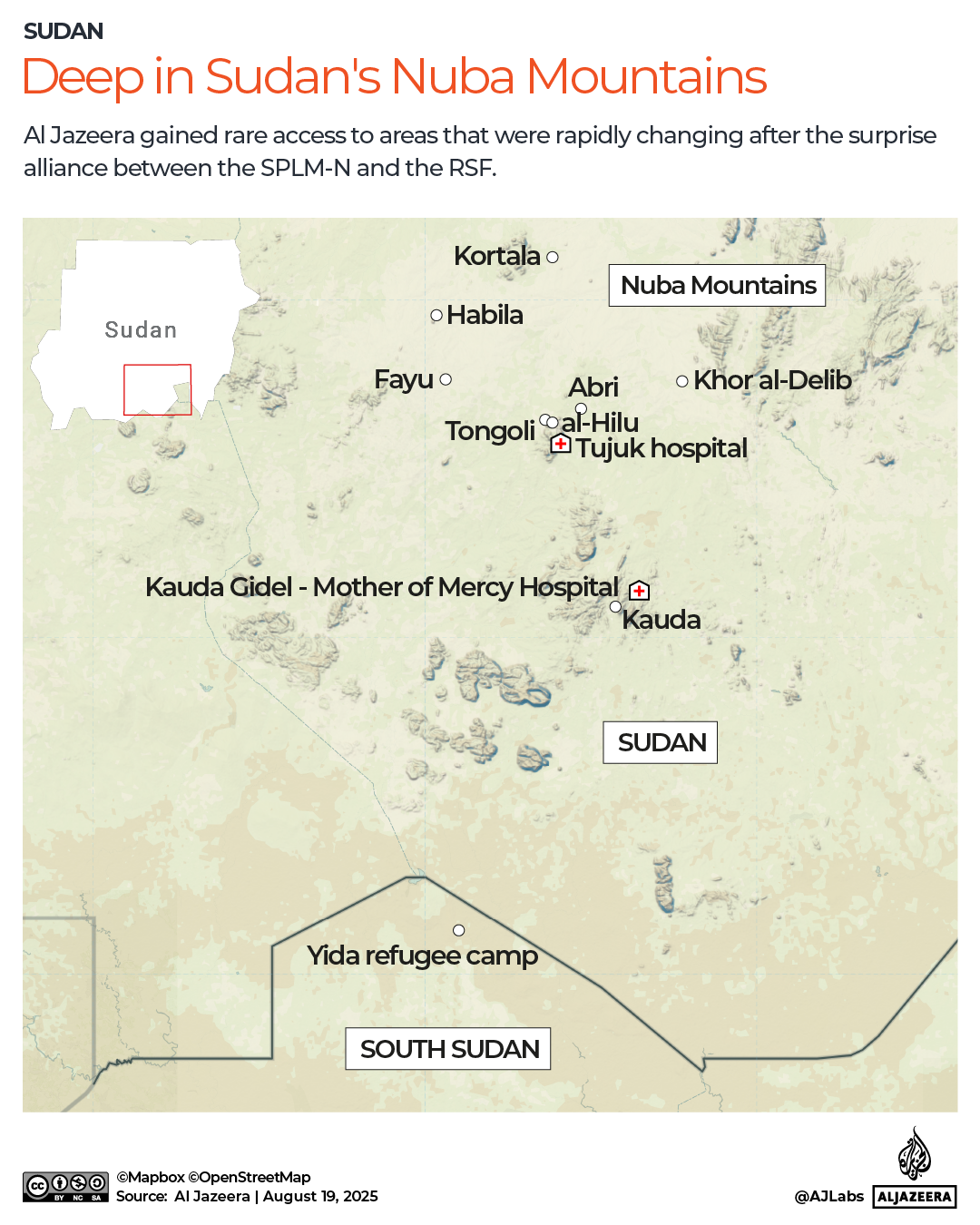
The reason these fighters can rest and recover here, about 170km (100 miles) southeast of el-Obeid, is that the Sudan People's Liberation Movement-North has allowed them in, in a development that embodies the rapidly shifting nature of Sudan’s alliances.
SPLM-N reached an alliance with the RSF in February, choosing sides in a war between the paramilitary and SAF that has racked Sudan since April 2023.
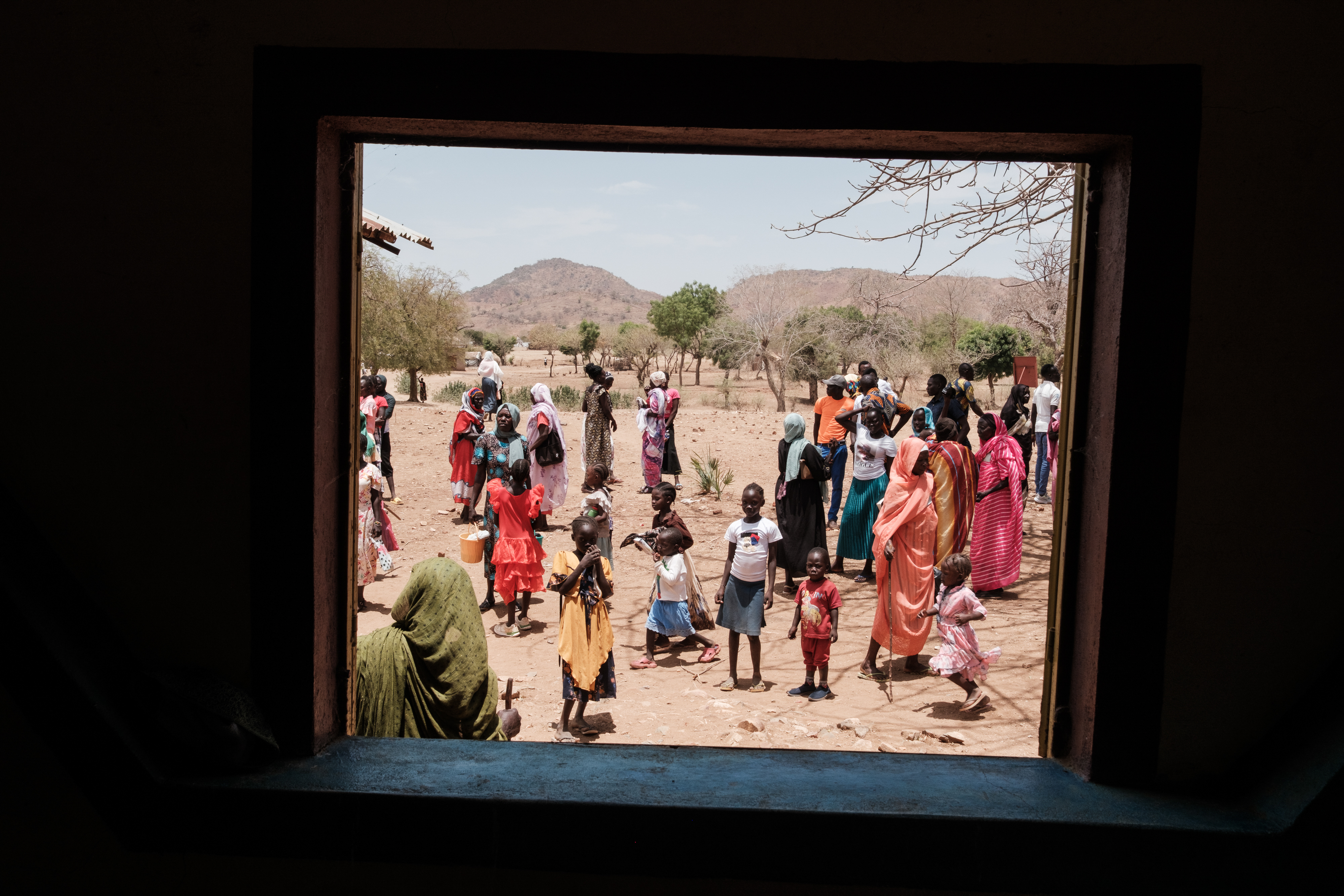
As Sudan’s civil war approaches three years, Al Jazeera gained rare access to the Nuba Mountains to report on life there under a new military alliance.
Access was allowed on the condition that a translator from a local NGO and a representative of the government media office come along, which may have made some people wary of speaking.
Home of the Nuba
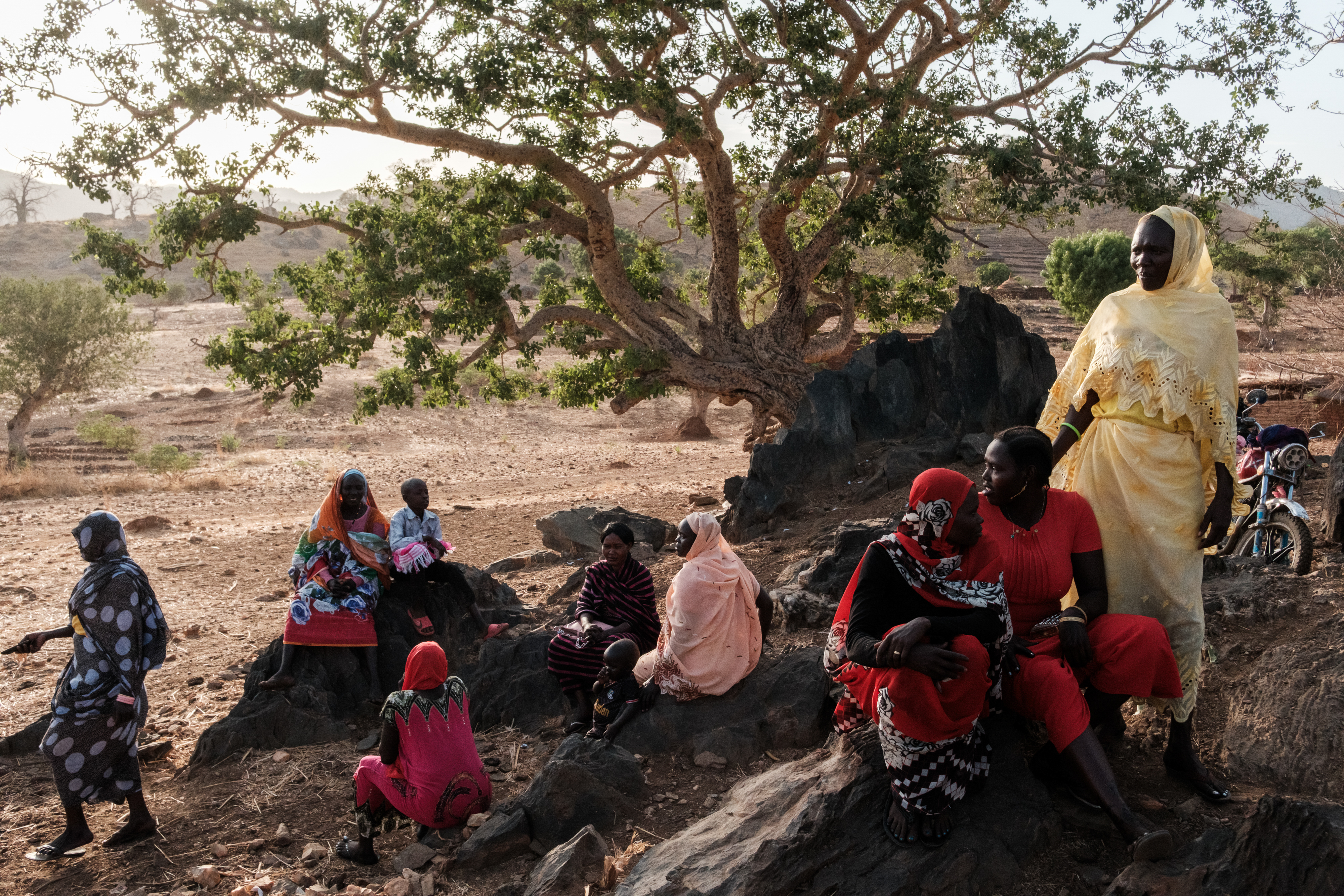
![Women watch the giving of the dowry as part of a wedding celebration in Kauda on April 18, 2025. The celebration was going to be delayed as famine stretched peoples' resources until the bride and groom were no longer able to pay for a wedding - so the community came together to raise funds for the dowry [Guy Peterson/Al Jazeera]](/wp-content/uploads/2025/08/GP-NUBA-AJ-51-1-1755605768.jpg?resize=820%2C1460&quality=80)
“Nuba” refers to the diverse group of Indigenous peoples from the Nuba Mountains with distinct languages and traditions, while “Arabs” in Sudan are groups who identify with Islam, Arab ancestry and culture.
Spanning the green lands of the South Kordofan and Blue Nile states, the Nuba Mountains are an area roughly the size of Austria.
They are a jagged expanse of rocky mountains and sun-scorched valleys dotted with straw and clay huts, where reaching a nearby town can take half a day in good conditions and double that during the rains, when roads crumble.
There’s no internet, no power grid, and no mobile phone signal in this landscape. Yet, it pulses with life for the 50 or so farming tribes who have long been persecuted by the centre and nomadic Arab tribes from further north.
Many Nuba were formerly members of the Sudan People’s Liberation Movement (SPLM), a group that fought for 20 years against a central government that neglected and persecuted them, a war that led to the secession of South Sudan in 2011.
The Nuba fighters left behind in the north rebranded as SPLM-N to continue their rebellion against Khartoum, led by Abdel Aziz al-Hilu.
That’s how the SPLM-N and the Nuba people found themselves facing ethnic targeting by Khartoum’s favoured paramilitary, the RSF, since 2013. Even after the RSF turned its guns on its former ally, the SAF, in 2023, its fighters massacred villagers across the Nuba Mountains.
According to Human Rights Watch, RSF forces committed war crimes in the Nuba between December 2023 and March 2024, including murder, sexual violence, looting, sexual slavery, gang rape, and the deliberate targeting of civilians.
This made it even more of a surprise when SPLM-N signed a deal with the RSF against the army, bringing the war closer to the previously calm Nuba Mountains.
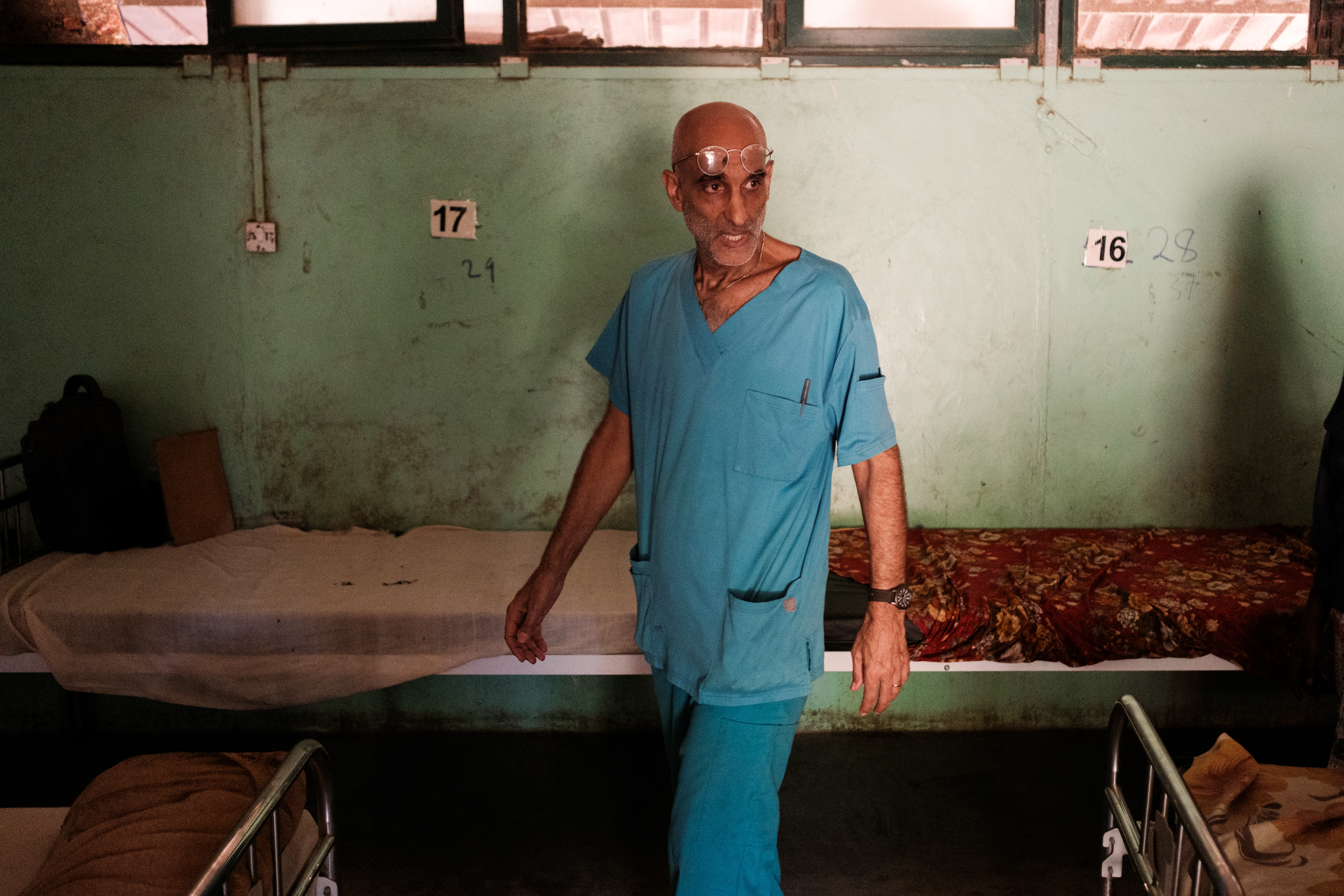
“Our assumption is that [now] things will kick off here,” said Dr Tom Catena, the American missionary who has run the Mother of Mercy Hospital for more than 17 years.
“We’re already preparing for trucks full of wounded.”
Blurred front lines
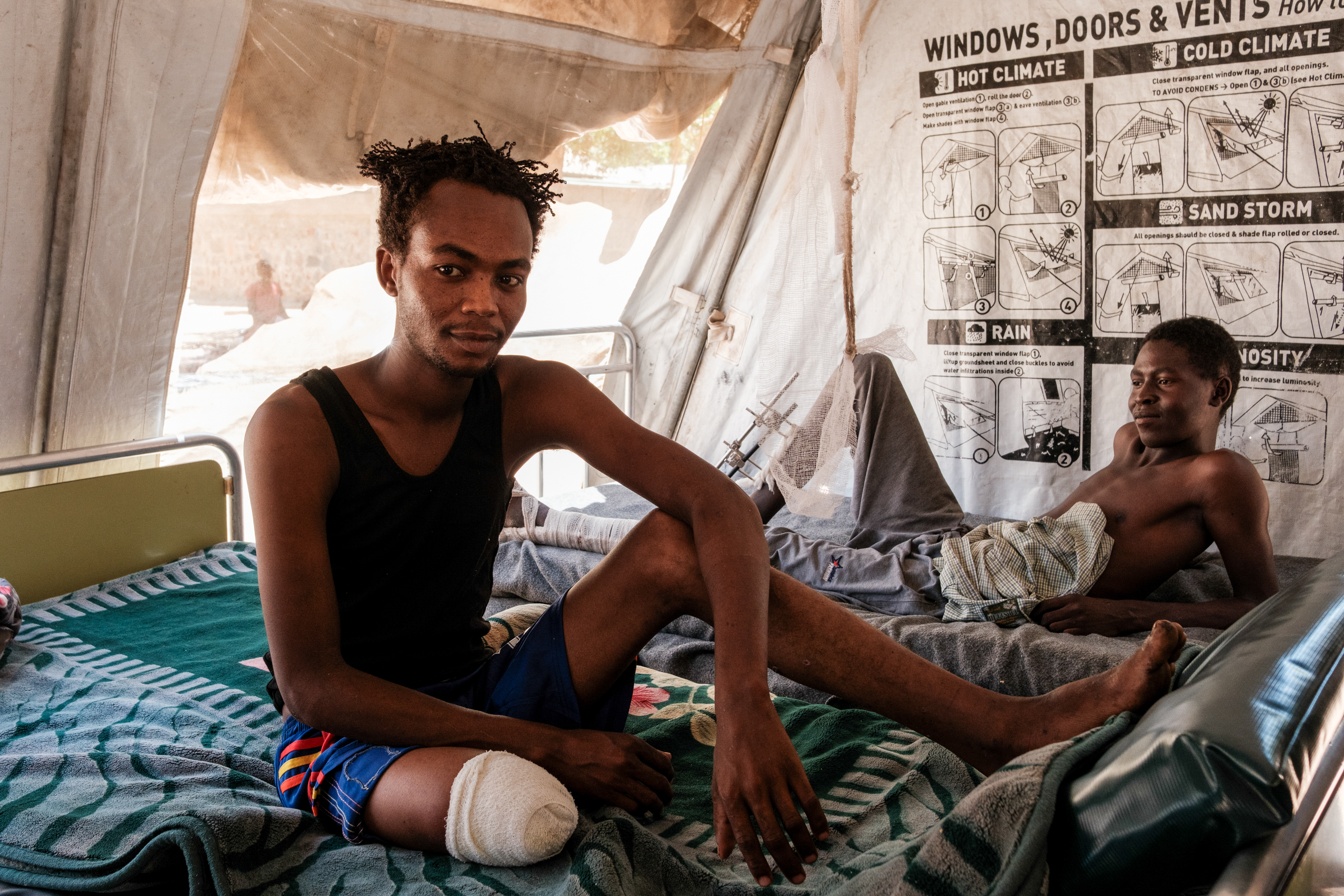
![Mohamed Radi, 23, left, an RSF fighter, sits on his bed, his leg amputated after his vehicle in was hit with a drone while fighting in Khor Delib. At a hospital in South Kordofan on April 21, 2025 [Guy Peterson/Al Jazeera]](/wp-content/uploads/2025/08/GP-NUBA-AJ-3-1-1755605842.jpg?resize=820%2C1460&quality=80)
From the outset of the war, the SPLM-N kept a cautious distance from both the SAF and the RSF, focusing on defending its territory and people.
Years of brutal conflict with Khartoum and ethnic persecution by the RSF had left the group distrustful of both sides, seeing them as complicit in the marginalisation of the Nuba, and as obstacles to the SPLM-N’s longstanding vision of a secular, democratic Sudan.
But as the war dragged on and SAF offensives intensified, the SPLM-N was forced into a new strategic calculus, as its longtime enemy appeared to be gaining the upper hand at the start of the year.
Perhaps fearing that an SAF victory would mean the return of a political Islamist agenda and the repressive policies it had long fought against, the SPLM-N moved to the RSF’s camp.
On the other side of that handshake, the RSF was aware that it was losing Khartoum, the occupation of which had been its most significant territorial and symbolic gain in the war. It had to retreat and reorient its strategy.
Many of its fighters and resources were redeployed to Darfur and South Kordofan, as supply routes through Khartoum were cut off entirely by late March when SAF took the capital.
South Kordofan’s proximity to the South Sudan border enables the flow of weapons and supplies, and its rugged terrain offers defensive depth, helping the RSF maintain pressure on central Sudan and shield its stronghold western region of Darfur from SAF.
Given the benefits to both sides, old front lines blurred and the SPLM-N and RSF banded together in an alliance forged out of necessity, not trust, according to Kholood Khair, a Sudanese political analyst.
Many of the more than one million displaced people who fled to the Nuba Mountains since the war began are wary about the alliance, as are locals.
However, several told Al Jazeera that while the move surprised them, they trusted their leaders.
Perpetrators moving in with the victims
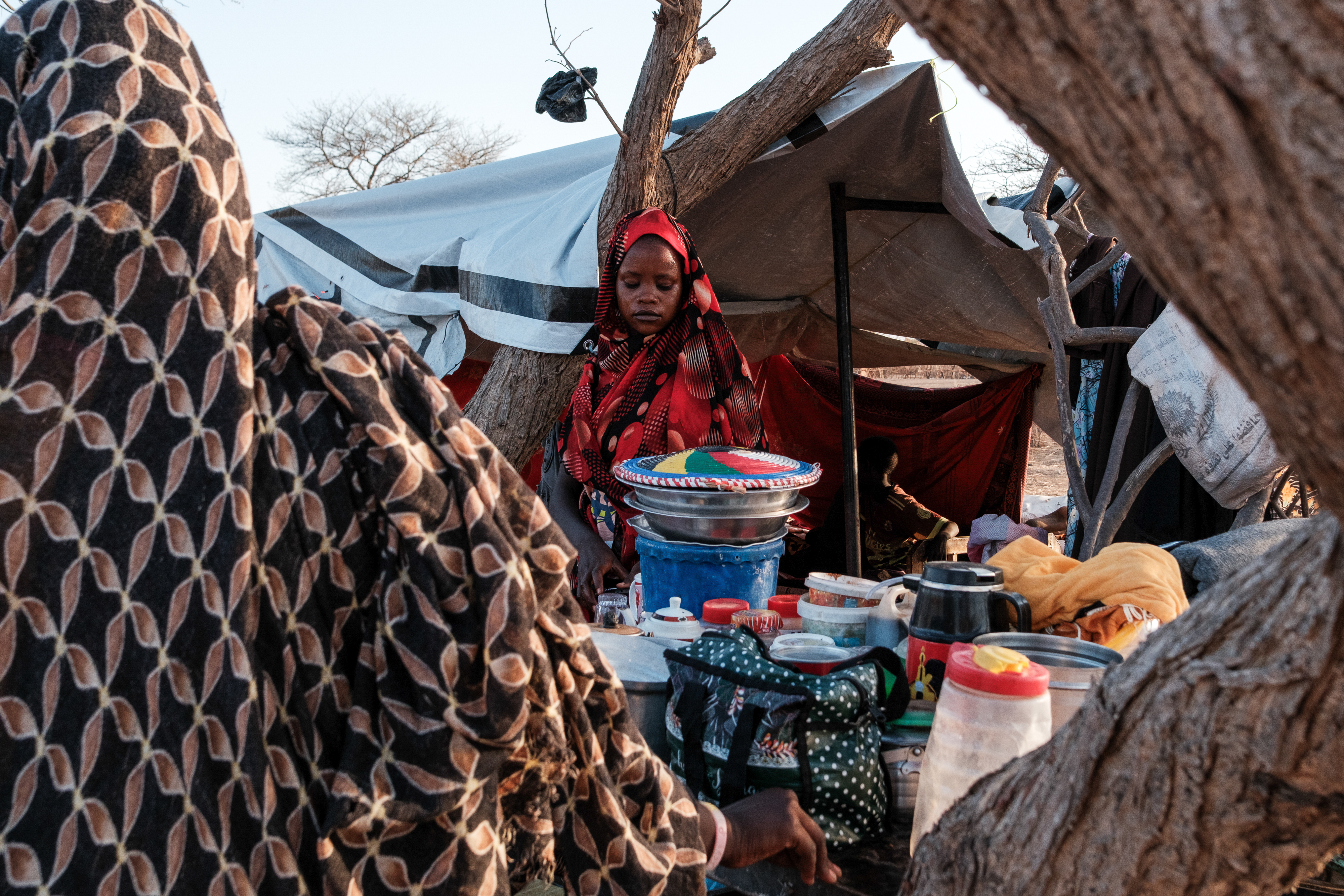
For people previously targeted by the RSF, it is hard to square the brutal past with the current reality which came only shortly after the RSF carried out a campaign of indiscriminate killing in the Nuba Mountains.
Many witnesses or victims of those massacres live in displacement camps across the Nuba.
Huda Hamid Ahmad, a 31-year-old mother of seven, arrived at al-Hilu camp in September 2024, months after fleeing a brutal attack by RSF forces on her hometown of Habila that January.
“They came to the homes, torturing, looting, and threatening to kill your children,” Huda said, recalling the January assault.
Accessible only by rough mountain roads, Habila is about 70km (40 miles) from al-Hilu and has been a main site of intense fighting and ethnic targeting in South Kordofan since the 2023 war started.
Huda’s journey was far from direct. After escaping Habila, she briefly resettled in Kortala, but was forced to flee again when the RSF launched another offensive in September and food supplies ran out.
Her husband had made his way to al-Hilu earlier in the year, shortly after the initial attack, hoping to farm and send food back to the family after their land in Habila was looted and made unsafe.
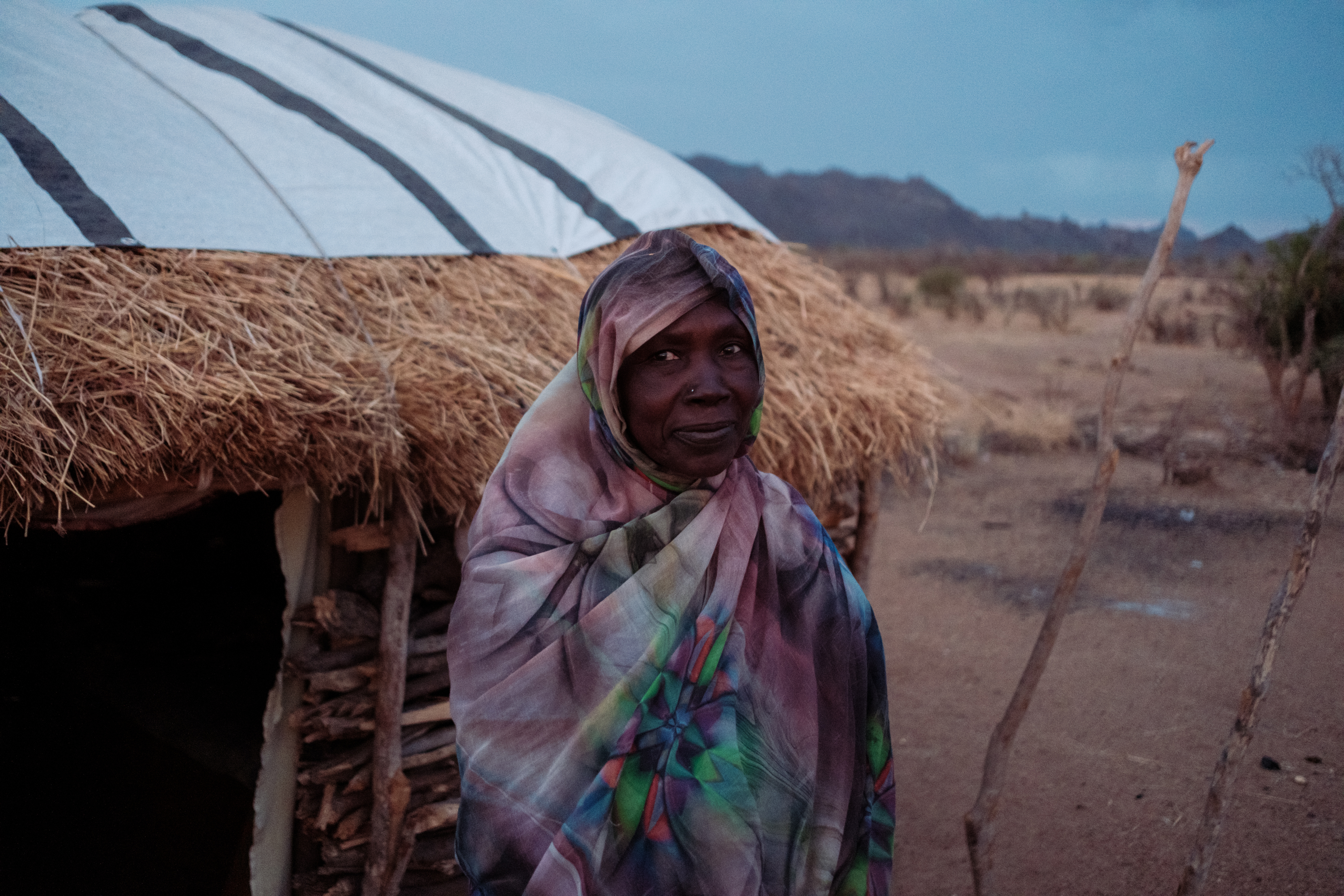
The family was finally reunited in the fall, after Huda and her children escaped Kortala with other civilians, but the trauma of what they witnessed still lingers.
Fatima Ibrahim, 52, fled her village of Fayu, also in January last year, after RSF fighters arrested her husband.
She heard from neighbours that soldiers demanded he sell his tractor to pay them off, but he hasn’t been seen since, nor has their 19-year-old daughter, the couple’s only child.
“I don’t even want to know what happened,” she said, her voice heavy. “I fear the worst,” she added, referring to stories she’d heard of girls taken into sexual slavery.
She fled with her 82-year-old mother and her late sister’s three children - two young girls, 10 and 12, and their 17-year-old brother.
For nine months, they travelled from village to village, displaced by attacks, until they reached an artisanal gold mine where her nephew stayed to work, while the remainder of the family eventually reached al-Hilu in October.
Her mother broke her hip at one point as the family fled, an injury that has healed but left her reliant on a cane and on Fatima’s support to move around.
Some Nuba residents have privately said they hope the alliance can bring peace, or at least more protection, after the warring parties attacked civilians and blocked international aid for the past years.
Uneasy alliance
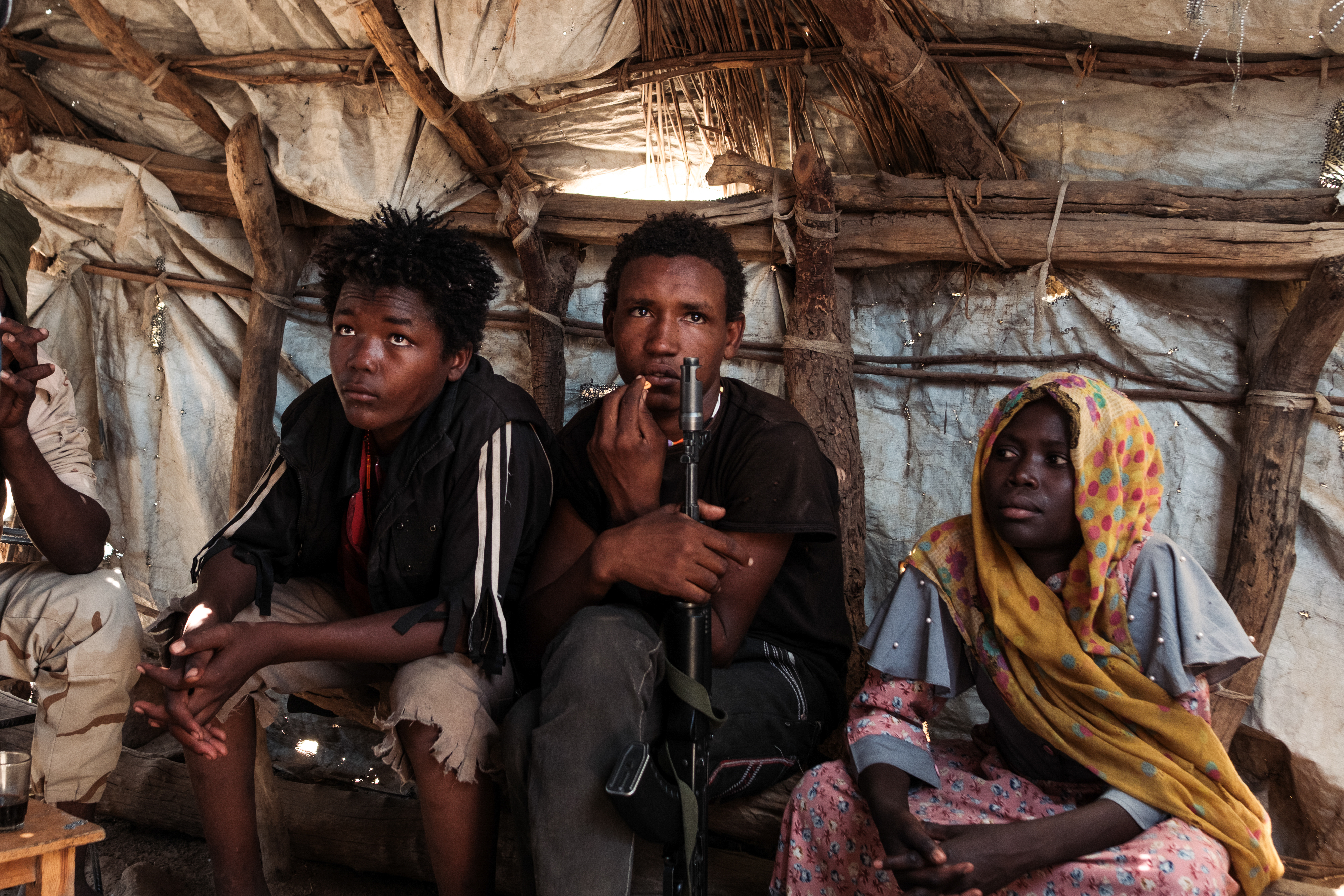
![Two teenage members of the RSF sit in a cafe in Tongoli on April 22, 2025 [Guy Peterson/Al Jazeera]](/wp-content/uploads/2025/08/GP-NUBA-AJ-36-1-1755606039.jpg?resize=820%2C1460&quality=80)
Challenged about the optics and consequences of hosting perpetrators of war crimes alongside victims, Amar Amoun, SPLM-N’s secretary-general, insisted that: “Everyone who committed atrocities - before, during, or after the alliance - will be prosecuted.
“Not all RSF members are accused of war crimes ... We will hold individuals accountable, not entire groups.”
Not everyone is convinced.
“SPLM-N had a moral high ground, but if you lose that, then what do you have left?” said Catena.
Led by Abdelaziz al-Hilu from his headquarters in South Sudan, the SPLM-N once stood apart in Sudan’s brutal wars, with its calls for antiracism, gender equality, and religious freedom. In the areas it controls, military discipline coexists with civil governance, Muslims and Christians worship side by side, and interfaith marriages are common.
While its leaders govern the area with the trappings of a state - complete with institutions - the constant war has also fostered “authoritarian” tendencies in SPLM-N, according to Hafiz Mohamed, director of Justice Africa and a Nuba native.
Moves like banning Starlink internet connectivity and punishing political dissent suggest a disciplined, if not increasingly autocratic, form of rule, according to Mohamed, who added that not everyone agrees with the new RSF alliance but people are afraid to come out publicly against it.
“If you speak out, they arrest you,” said Mohamed.
For the SPLM-N, the new alliance offers a unique path to national leverage and a strategic advantage embodied in the RSF fighters deployed to execute joint operations, as well as the new vehicles and weapons coming to the region, giving the SPLM-N resources they have lacked for years, according to Mohamed.
But he believes that, even if the alliance works out, the presence of RSF in the Nuba Mountains will bring instability and “new waves of displacement”, making SAF “respond with air attacks and block access to SPLM-N-controlled areas, cutting off the flow of goods… [worsening] the already dire humanitarian situation”.
But business is booming
But, for now, the sleepy outpost of Tongoli, the closest town to al-Hilu camp, has swollen almost overnight into a bustling garrison town.
Hundreds of RSF fighters have poured in since March, bringing their guns, cars and thick wads of cash, prompting an odd kind of prosperity.
The clatter of sewing machines hums from open doorways. Grease-covered mechanics squat under military bikes. Cafes brim with young boys in fatigues sipping sweet coffee and scrolling through their phones.
In a straw hut, 14-year-old Ibtisam Hilmi serves tea and coffee to a new class of customers, RSF child fighters barely older than her, lounging on a wooden bench, rifles resting at their sides.
“I’ve never seen this place so busy,” she says, pouring tea and adding that since the RSF came, the cafe’s footfall has tripled.
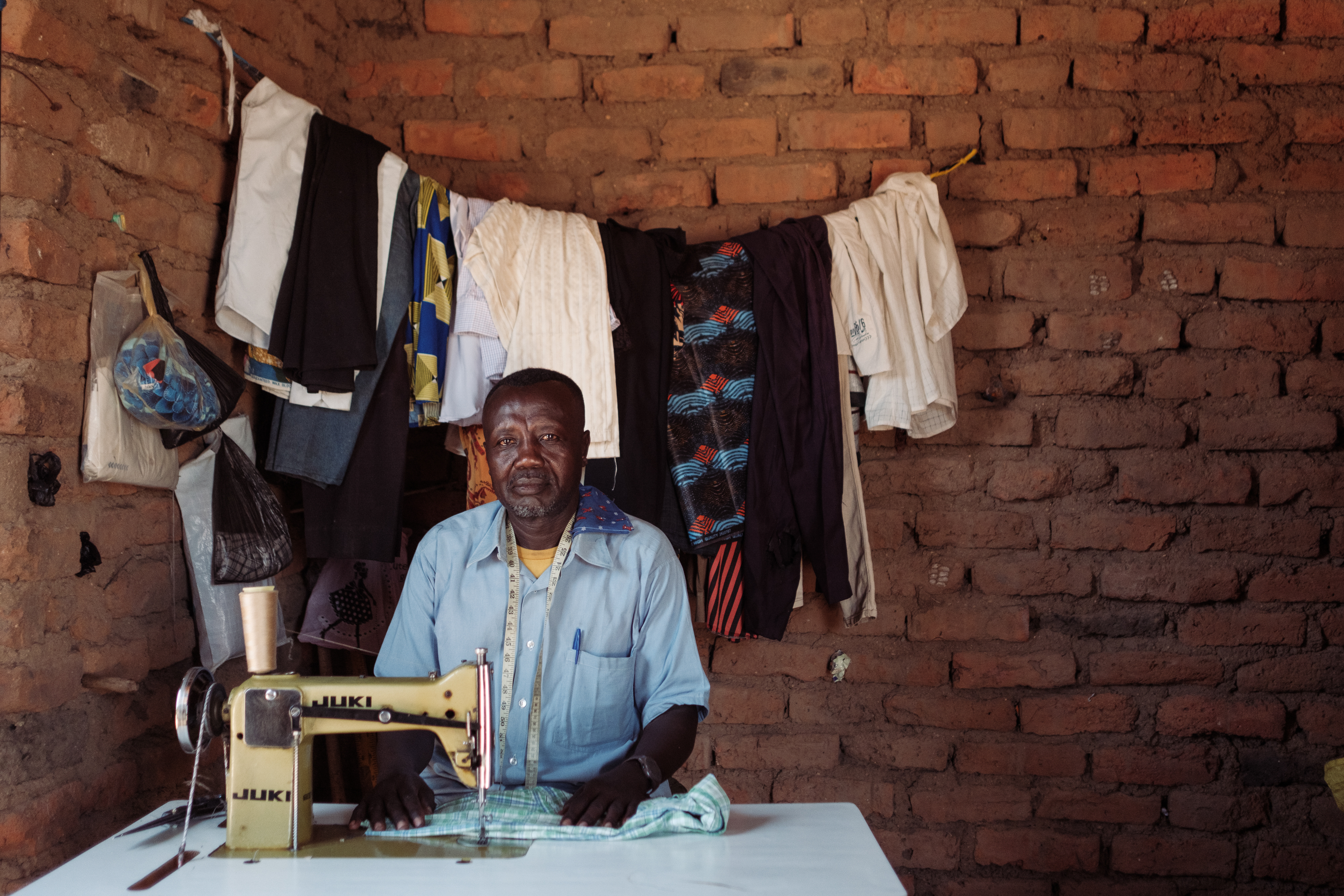
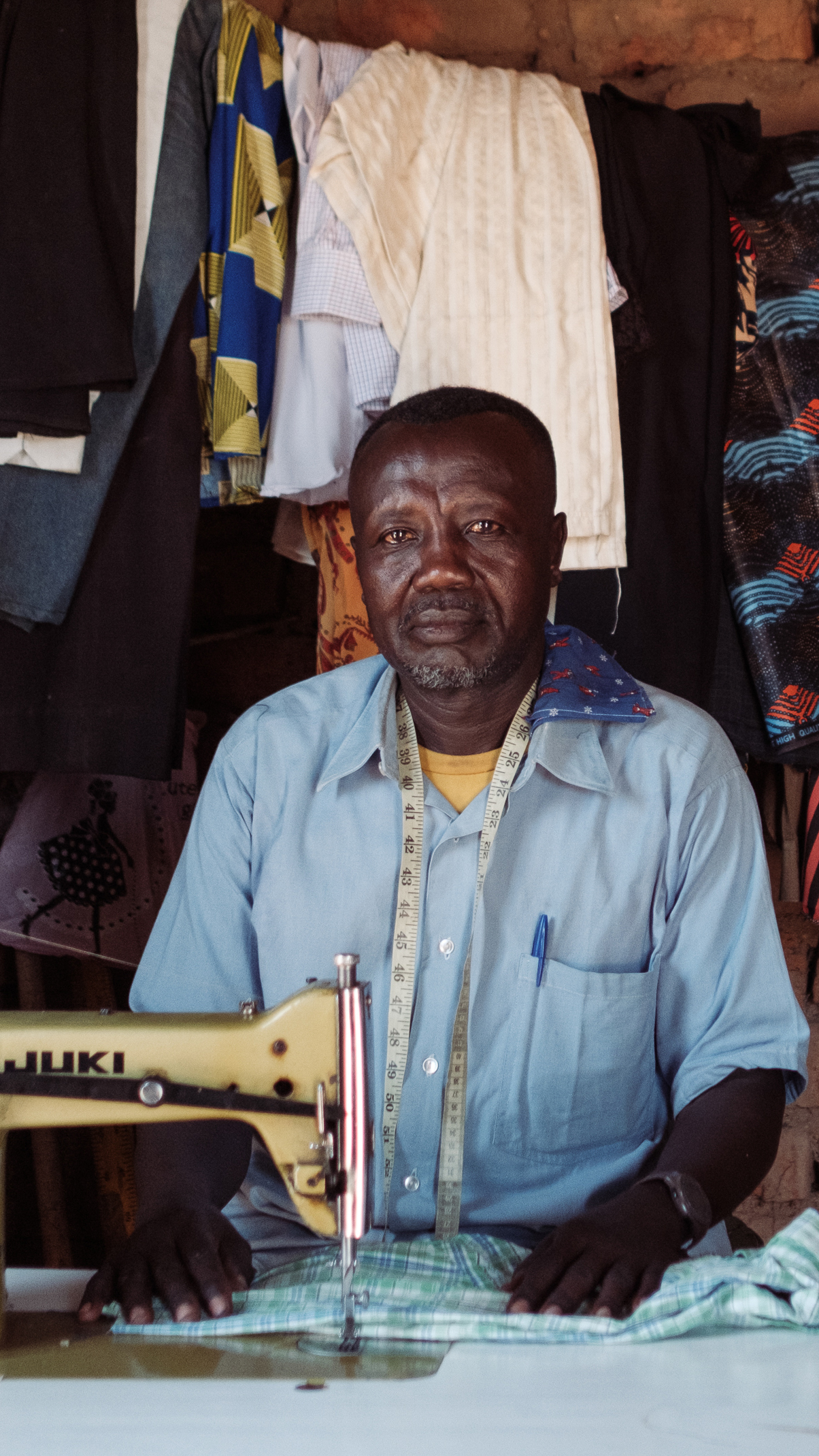
Across the road, 53-year-old tailor Ousman Nur Said works, surrounded by fabric hanging around him. Amid the colours, the green, brown, and sand-coloured camouflage cloth scattered around his shop is a reminder of the military uniforms he’s been asked to make.
“Before, we only fixed old clothes from displaced families,” he said, “but now the fighters bring new cloth, they want uniforms made, pants fixed, so business has doubled.”
He’s one of three tailors in town, each of them suddenly busy.
A few doors down, Abdulhamid Suleyman wipes sweat from his forehead. He’s bent over an RSF soldier’s battered, dark green motorcycle, its engine cracked open.
Suleyman had fled Khartoum, where he ran a big garage, with his family when fighting erupted in April 2023, coming to Tongoli where he started from scratch.
“Last year, there was nothing here,” he says. “Now I have more work than I can handle.”
Hospitals and health centres like Catena’s have been flooded by wounded RSF fighters. At Tujuk Hospital, the biggest one in the area, about four hours' drive from Catena's hospital, doctors say they treated dozens of gunshot wounds and amputations for RSF fighters with the little supplies they had.
Hopeful but wary
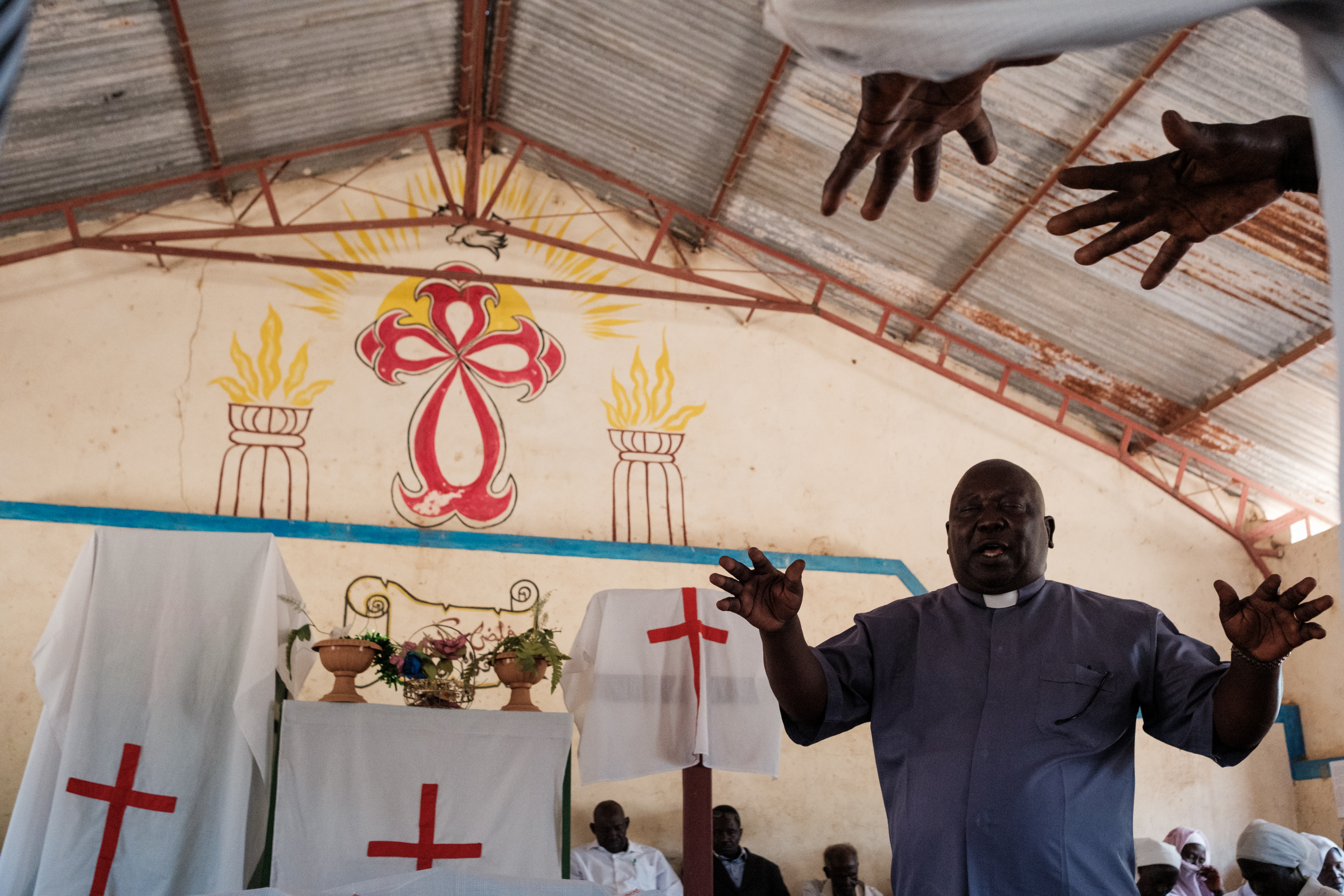
![Pastor Yagub Ibrahim Tia blesses donated food during an Easter Sunday service In Kauda on April 20, 2025 [Guy Peterson/Al Jazeera]](/wp-content/uploads/2025/08/GP-NUBA-AJ-40-1-1755606180.jpg?resize=820%2C1460&quality=80)
On Easter Sunday, the church in Kauda is full to bursting. Hymns rise in Arabic and the local Otoro language, as worshippers spill from the packed building, sitting shoulder to shoulder on its steps, clustered under trees, fanning themselves in the shade.
As the pastor preached and voices rose in prayer, it was not just the resurrection that weighed on people’s minds, but reconciliation.
“We’re divided,” said Pastor Yagub Ibrahim Tia after the service. “Some believe this alliance with the RSF will help us live in harmony again, like we used to before the 1980s.”
“Sudan is in crisis,” said Abdallah Adam Zibrir, governor of Dalami county, where al-Hilu camp, Tongoli and the Tujuk Hospital are located.
“Marginalisation and racial discrimination, that’s the root of this war, and we, in Dalami, have paid the price.
“[The RSF are] also marginalised, just like us. If we put their children in school, if we give them land, they will become part of us,” he said. “Some have different ideas about us, but we will change them.”
In the Nuba Mountains, a fragile new order is being stitched together with threads pulled from necessity. Whether it holds or unravels will depend not just on alliances or the weapons flowing in, but on whether this will bring peace or more war to its people.
For now, the hospital beds are full. In the courtyard of the Mother of Mercy Hospital, Mohamed Radi sits with his bandaged stump, sipping tea alongside his fellow fighters.
The prosthetics technician from Uganda, who visits just once a year, had already left by the time Radi was admitted. He’ll have to wait until next year to be fitted for an artificial limb.
That is, if he’s still here and if the alliance holds.
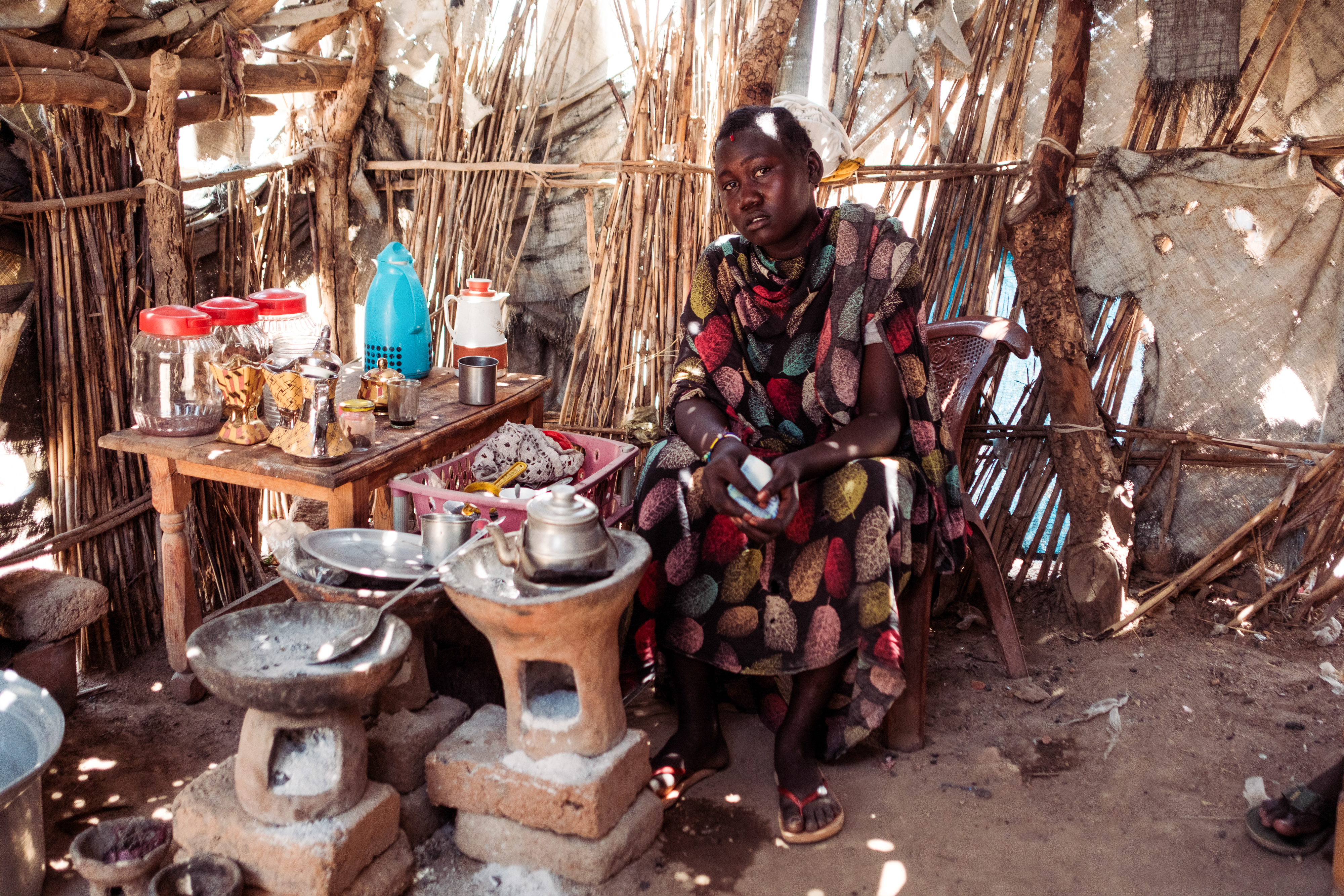
![Ibtisam Hilmi, 14, displaced by fighting between the RSF and the SAF sits serving tea and coffee for the many RSF fighters In Tongoli on April 22, 2025 [Guy Peterson/Al Jazeera]](/wp-content/uploads/2025/08/GP-NUBA-AJ-35-1-1755606263.jpg?resize=820%2C1460&quality=80)
