‘Ready to murder?’
How criminal networks in Sweden are recruiting children to kill.

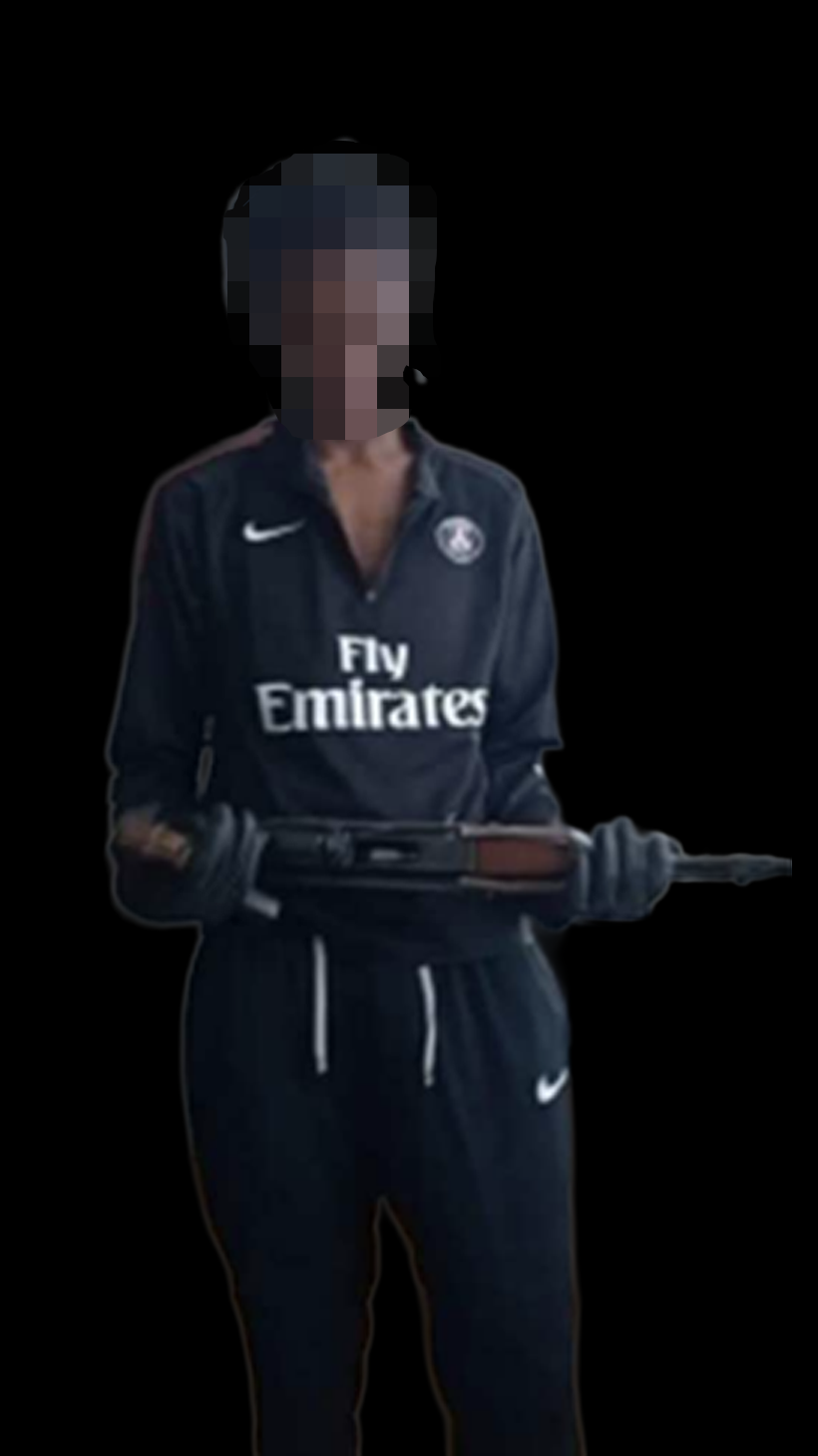

Stockholm, Sweden - It's a sunny summer morning in the historic university city of Uppsala in central Sweden.
Two teenage boys glide past a plaza filled with cafes and toward the sleek glass facade of the newly renovated railway station on electric scooters, their dark tracksuits hanging loosely on their slight frames.
At about 9am, the boys board a train for the three-hour journey north to the small coastal city of Sundsvall, tucked between the Baltic Sea and rolling forests of pine and birch.
In the belts strapped across their waists are pistols.
Hugo* and Jesper*, aged 14 and 16, are so-called child soldiers hired by the Foxtrot network, one of Sweden's most violent gangs, for a mission that police would later theorise was to kill a 21-year-old rapper linked to the rival Dalen network.
'You couldn't handle a revolver'
When the teenage boys arrived at their destination in July 2023, they were met by another teenager, 15-year-old Kaleb*, and an adult, Axel*.
Axel was what is known as an enabler: Responsible for the logistics of the assassination, from travel arrangements to accommodation.
At an Airbnb apartment he rented, tensions flared between the boys over who got what gun.
In footage later recovered from Axel's phone, one of the boys stood up from the sofa and shouted, “Bro, listen, you couldn’t handle a revolver - look at you!”
Later, a shot was fired by accident, and a bullet flew into the wall.
Panicking, the boys hid the weapons in nearby woods before returning to the flat to sleep.
How the rapper learned of their plan remains unclear, but the next day, as the three teenagers headed into the city centre, they were kidnapped by three adults and taken to an apartment.
What followed were hours of torture involving about a dozen people, including the rapper.
The boys were burned with lighters and slashed with knives.
Kaleb was forced to partially undress and mocked on camera before he escaped and was found in a cemetery by a woman and her daughter.
Hugo and Jesper were then taken to a wooded area, where the torture continued.
Their attackers filmed parts of the assault and spread the videos through encrypted apps.
Both boys were stabbed - the older in the throat, the younger in the lung - and left to die in the forest.
Somehow, they made it to a nearby residential area, crawling up the steps of a home before being found and rushed to a hospital. Both survived.
The Sundsvall case led to 11 convictions, including Jesper and Kaleb for planning to carry out a murder and weapon offences. Several of the defendants involved in the kidnapping were sentenced to prison, and a 24-year-old was given 16 years for stabbing Hugo and Jesper. The case made national headlines. But in a country experiencing near-daily gang-related attacks, it was quickly swept up in the wider tide of gang violence.
Yet it embodied the complexity of children’s involvement in Sweden’s gangs, where experts say they are both victims and perpetrators, groomed and exploited by increasingly sophisticated criminal networks.
Child recruits
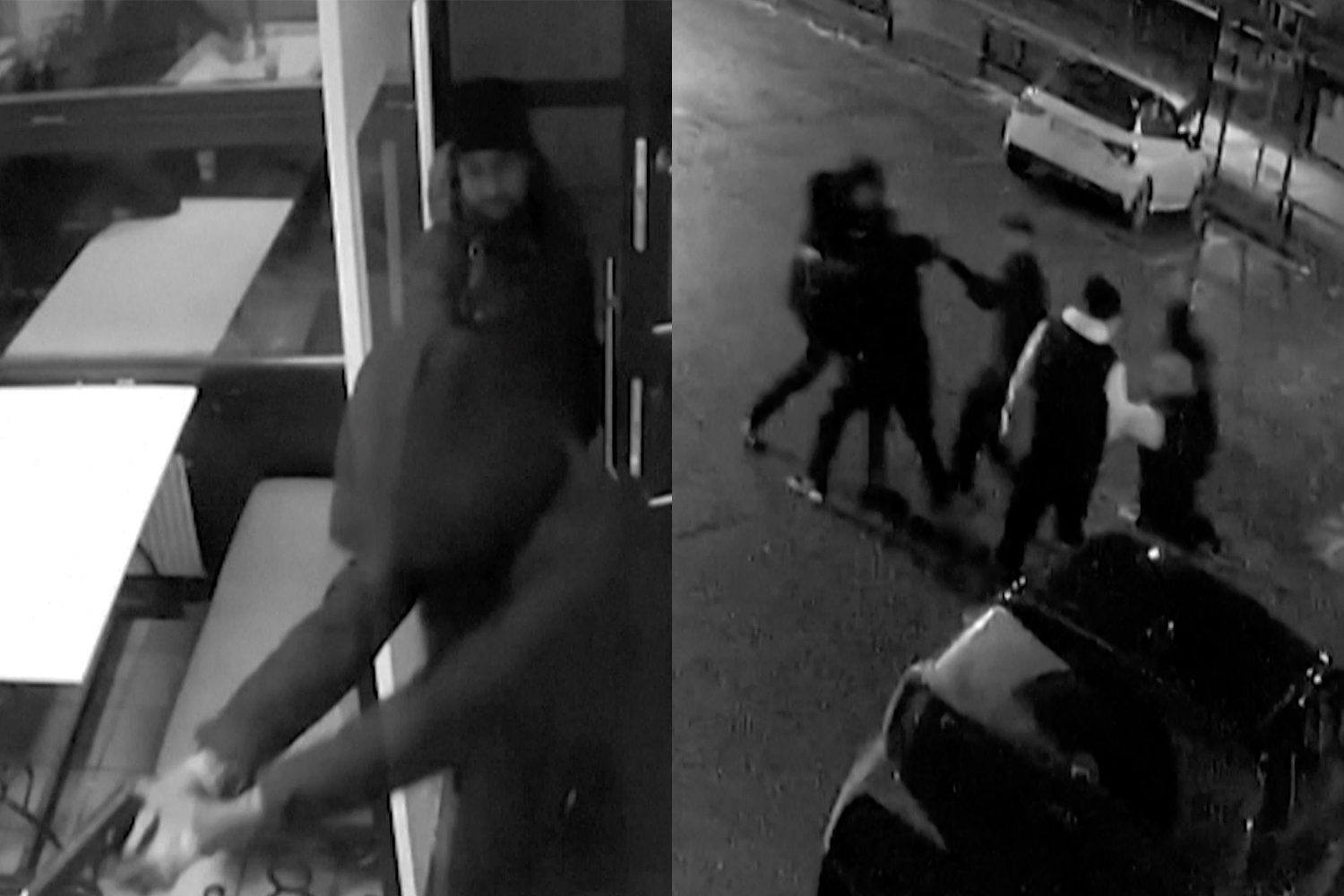
CCTV footage from 2018 shows an armed man entering a pizzeria in Rinkeby, Stockholm, before opening fire. The second clip is CCTV footage from 2022 and shows a violent clash between gangs in Nacka, Stockholm, which led the the fatal shooting of a man [AFP]
Gang warfare in Sweden has evolved over the decades: From motorcycle gangs in the 1990s, through the rise in about 2010 of localised street gangs that operated in particular urban neighbourhoods, to today’s highly violent transnational criminal networks.
At every stage, control of narcotics markets has been the primary driver of Sweden’s organised crime and gang conflicts.
In the 1990s, gangs had a strict membership structure and controlled smuggling routes for drugs, mainly amphetamine and hashish, entering Nordic markets via the continent.
Today’s gangs are criminal networks characterised by looser, flexible structures that operate across borders and are focused on large-scale trafficking of high-value drugs like cocaine.
The Sundsvall case took place during a particularly severe escalation in gang violence driven by a brutal and bloody nationwide feud that erupted after the Foxtrot network - led by Rawa “Kurdish Fox” Majid - fractured, and a key figure in the network, Ismail “The Strawberry” Abdo, broke away and formed his own network.
Sweden, with a population of 10.6 million, now has one of Europe's highest rates of deadly gun violence. Much of that is gang-related, with attacks occurring almost daily.
Hand grenade attacks - prompted by surplus munitions smuggled from the Balkans after the 1990s Yugoslav wars - have become a grim hallmark of the gang conflicts.
Experts say grenade attacks are a cheap way to intimidate rivals without necessarily killing someone.
Gangs can often order a grenade to be thrown towards someone's doorway or the entrance of their residential block as a form of warning.
If the perpetrator is caught committing this sort of crime, it often carries a shorter sentence, as it is not deemed to be attempted murder.
Criminal networks also use what police call a “business model”, where minors are recruited to carry weapons and commit shootings or other attacks to shield gang leaders from prosecution.
In Sweden, children under 15 cannot be jailed, and those aged 15-17 usually serve time in closed youth care - a secure state-run facility for minors - run by the National Board of Institutional Care (SiS) rather than adult prisons.
Cases involving minors are harder for investigators as interviews with children are tightly restricted under safeguarding rules, which may require an appropriate adult to be present and the use of specially trained officers. In some instances, social services can also halt or slow the interview process if it is deemed harmful to the child.
Their involvement also leaves fewer evidentiary trails. Children tend to have a much smaller footprint with fewer ties than adults to financial or logistical links, such as bank accounts, vehicle registrations or employment history that normally help police map a gang’s hierarchy.
All of that makes it far more difficult to trace attacks back to the adults who ordered them.
In the Sundsvall case, Jesper was sentenced to two years in an SiS facility for possession of weapons and preparation to commit murder, while Kaleb received a lighter sentence. Hugo, who turned 15 in a hospital bed in Sundsvall, was too young to be charged and was placed under social services protection (LVU).
For the gangs, the tactic of recruiting children is proving ever more popular.
According to a 2023 police report, approximately 1,700 individuals under the age of 18 were assessed as active in criminal networks, but later reports indicate that number has likely risen.
As the number of children involved in gang crime has increased in recent years, figures show that the ages have also decreased.
Between January and August this year, Swedish police stated that 66 children aged 13-14 had been arrested compared with 27 during the same period in 2024.
A few years ago, children in social care or low-income districts were considered most at risk of being recruited by gangs. However, recent trends show that children of any background and in any neighbourhood can be targeted.
‘You'll be a king, brother’
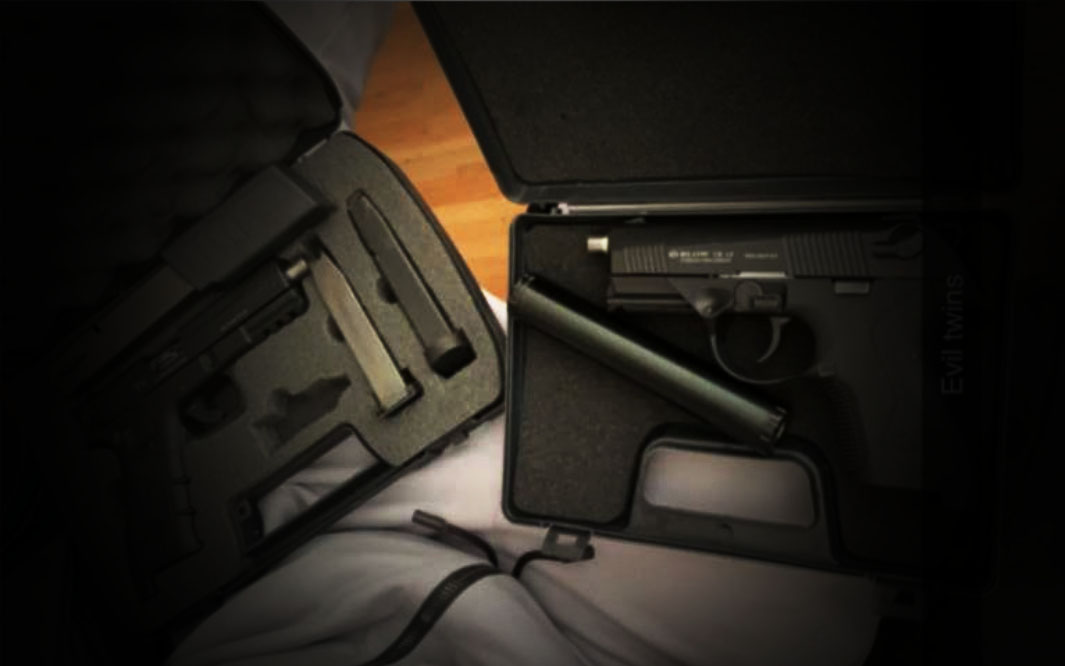
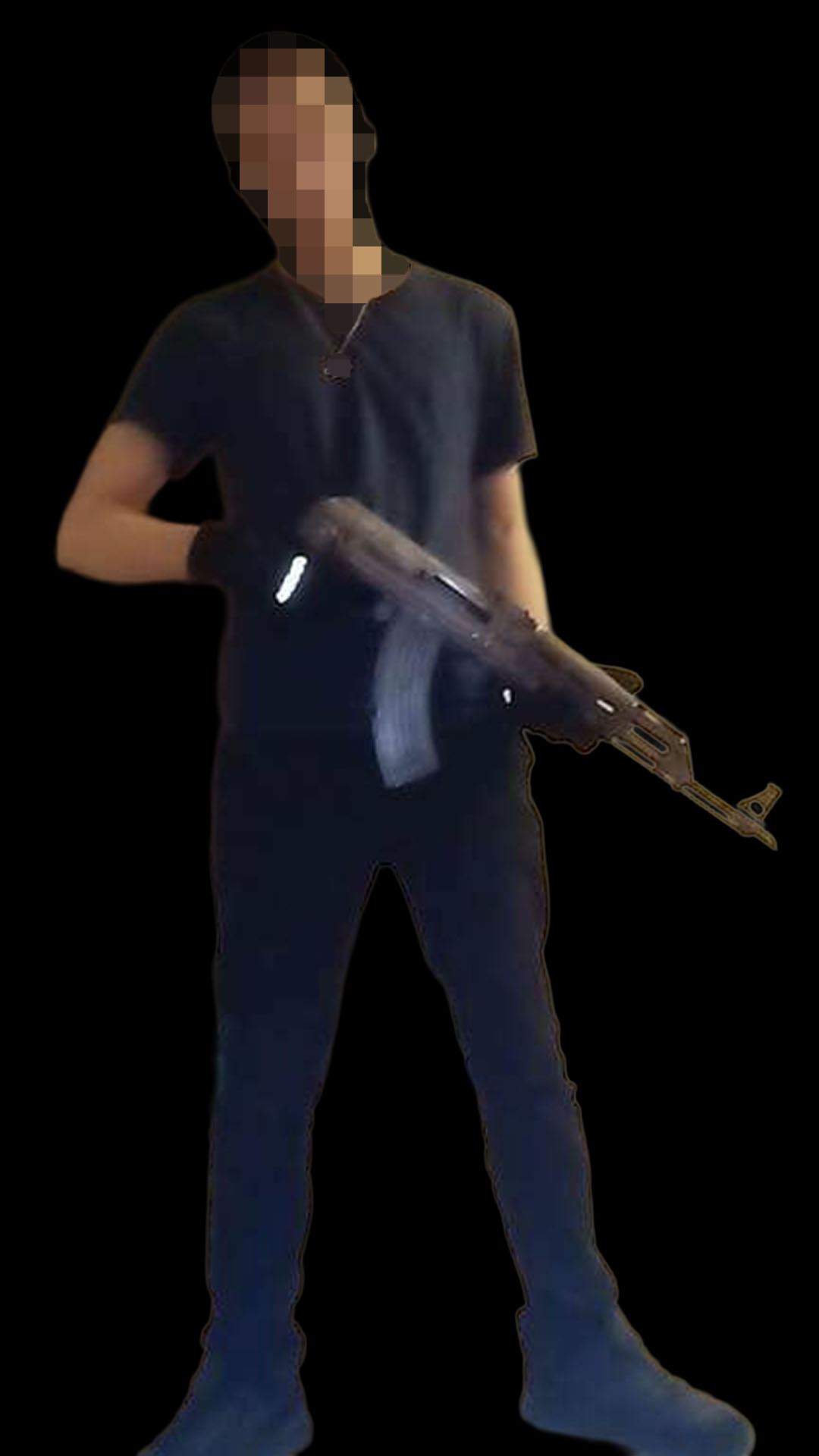
It is the summer of 2024, and a 13-year-old boy has just been added to a private Signal group by a recruiter with a menacing username.
A message soon appears in the chat: “Are you ready to murder someone?"
Within hours, the chat is filled with new handles.
They offer the teenager mentorship.
The tone at times is reassuring, promising cash and a sense of belonging.
They tell him not to worry, that after he carries out the shooting, he will be sent to a special care facility for children and teenagers, where they will be able to get him out.
One user says, “Brother, before a job it’s normal to feel nervous, but after you fire the first shot you’ll see everything becomes easy.”
But the messages are also laced with threats.
The recruiter who had added him to the group warns the boy, “If you take the weapon and disappear, we will come and find you, brother.” He adds that he would only get paid “if you hit him - he has to die”.
He continues with an instruction: “Go behind him one or two metres and shoot him three or four times in the back.”
He then gives him practical advice on handling a weapon, including telling him “don’t play with the trigger”, and sends him instructional YouTube videos on how to load and shoot a pistol in a steady stream of messages.
Eventually, the original recruiter and the other users fall largely silent, and the exchanges largely narrow to just the boy and a user, whom police would later identify as a 25-year-old who was a key figure in a Stockholm-based gang.
"It's hard now, but later you'll be a king, brother," he assured the boy just before the planned shooting.
"I will finish him," came the reply.
Moments later, the boy sent panicked messages. The police or security guards were on the way, he wrote, as he begged for a taxi.
The boy had shot his target, but the man had survived.
Only 48 hours had passed between the boy being added to the Signal chat and the shooting.
Police arrested him shortly after, but due to his age, he was not convicted or sentenced.
He was placed in state care and remains under social services supervision.
When the recruitment process began remains unclear, but investigators believed it likely started when he responded to an ad - possibly a so-called murder contract - circulating on social media platforms such as Snapchat, TikTok, and Instagram, or on encrypted apps like Telegram, where children are now usually recruited.
In late 2024, Telegram shut down a channel called Samurai Barnen (Samurai Children), which had amassed about 11,000 members, after Swedish police notified the platform.
Screenshots later published by local media outlets from the channel show how the “murder contracts” appeared.
Murder:
Malmo urgent: 800k-1m ($85,000-107,000)
Gothenburg urgent: 300-400k ($32,000-43,000)
Stockholm urgent: 500k ($53,000)
Denmark: 1 million ($107,000)
Throw a grenade:
Malmo: 30-50k ($3,100-5-300k)
The attacks are often framed as “challenges” or “missions”, which the police say is a “gamification technique" to make the posts more engaging and less intimidating for children.
The timeframe from a child’s initial contact with a recruiter to carrying out a violent act can range from a matter of days to a month, Salman Khan, a project manager of an exit programme for children in gangs at Fryshuset, Sweden's largest youth organisation, told Al Jazeera.
“Ten years ago, recruiters would have to go to a place where kids are physically, but now social media is the way,” said Khan, who works with a programme called 180 Degrees, which connects children who have been involved in crime with positive adult role models who can help them leave that world behind.
Khan describes the recruitment process as a form of grooming where boys, and to a lesser extent girls, as young as 12, who he says don’t necessarily know the difference between “play” and the “real life” consequences of carrying out a violent act, are lured into a criminal underworld.
![A transcript of a recruitment conversation published by the Swedish Police Authority. It reads (excluding emojis and with punctuation added for clarity): 1. Shooter needed NOW NOW NOW. Malmo. EVERTHING READY. Housing, travel, you just have to go. 800,000 2. Is there a job in Orebro? 3. Just now we have: Denmark 500k, head shot 500k, throw a grenade 200k, Sweden murder 100k, Sweden throw a bomb 50K, a lot of cash to be earned 4. Looking for a job in Stockholm, just no murder [screenshot from polisen.se]](/wp-content/uploads/2025/12/Screenshot-2025-11-17-130738-1765794304.png?w=566&quality=80)
In his conversations with children in SiS facilities, Khan has observed how the role many aspire to in gangs has been inverted in recent years.
“It has become a status thing to be the one to throw a grenade or to shoot someone rather than be a gang leader. Ten years ago, everyone wanted to be Tony Montana [the fictional crime boss in the film Scarface],” he explained.
The shift reflects how social media and the glamourisation of violence in popular culture have made instant notoriety more desirable than lasting authority, Khan added.
Carrying out an attack can give the child a sense of validation in the gang and access to fast money that can get them the "clothes, chains, phones, cars and luxury life" they see on social media and in television series.
He used the example of the popular Netflix series Snabba Cash (Fast Cash), which portrays Sweden’s criminal underworld as a spectacle of guns, money and fast cars and features teenage characters who act as runners for gangs.
‘Pandora’s box’
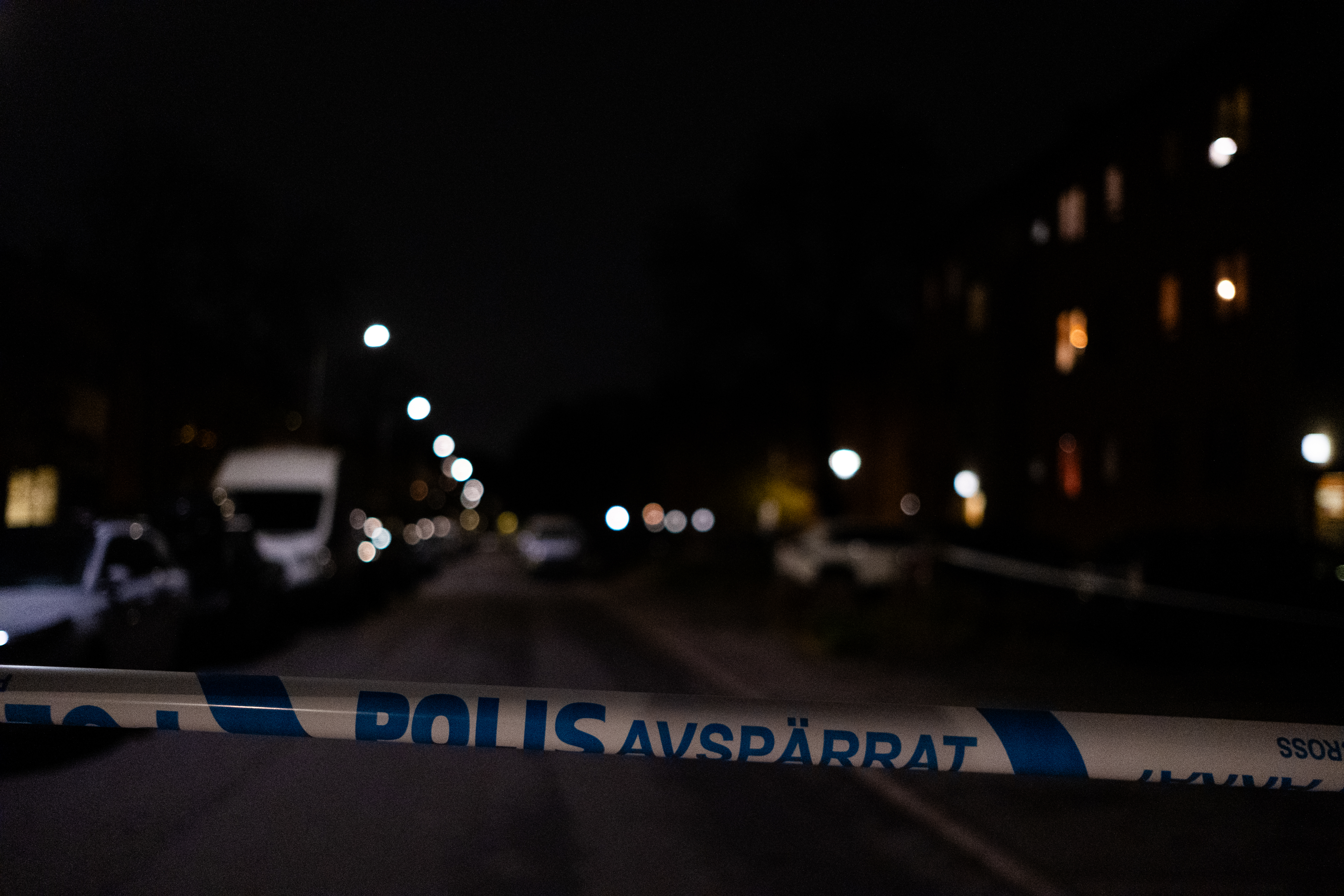
As the violence escalates, some of those who once helped build Sweden’s criminal underworld are now trying to dismantle it.
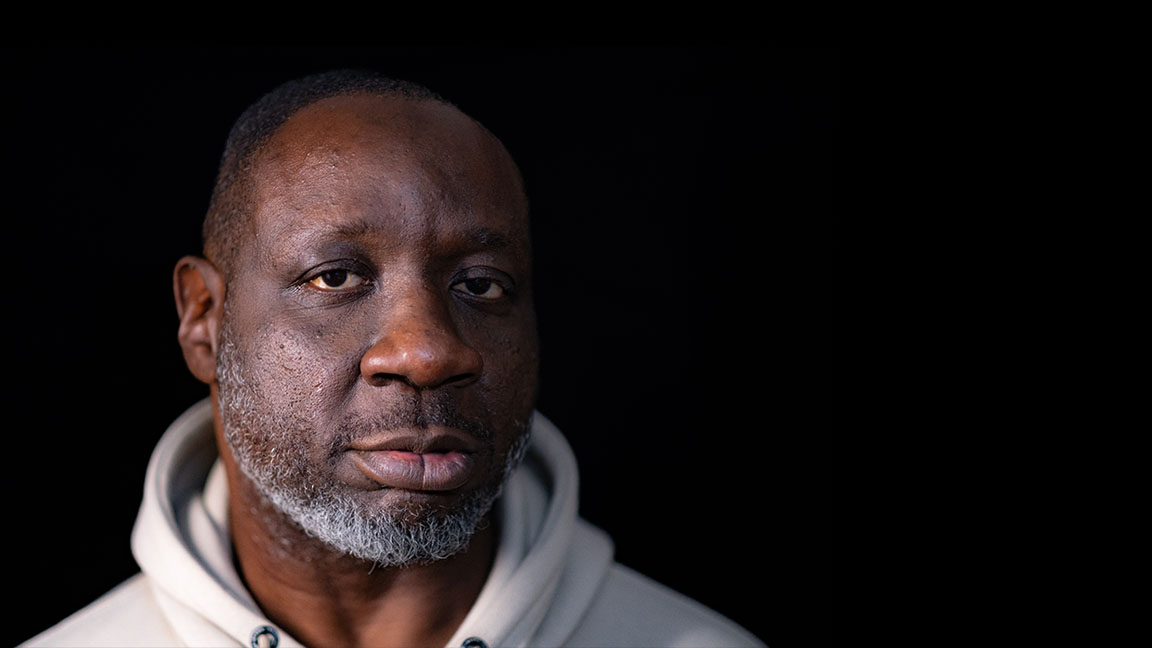
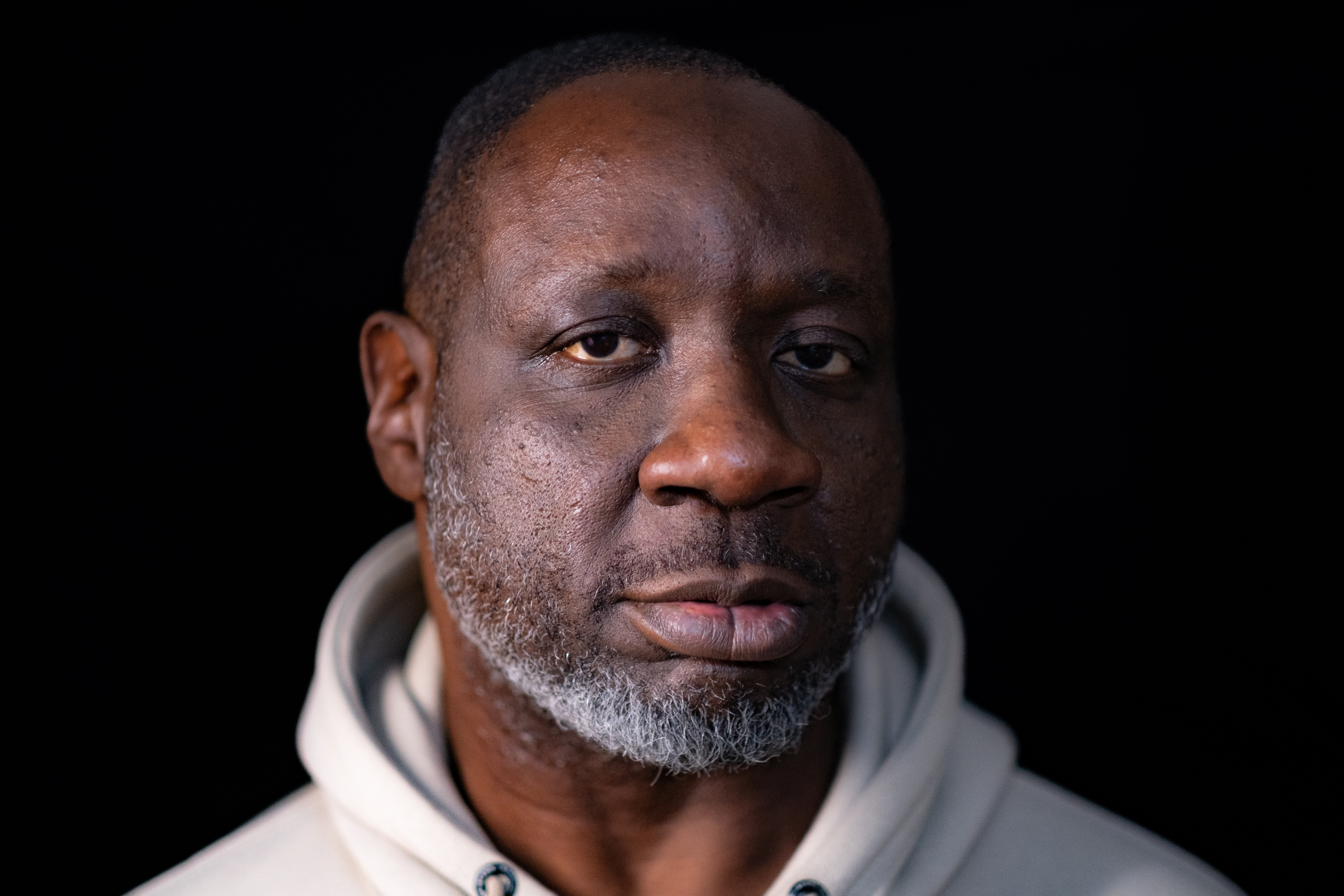
Al Jazeera met Essa Kah, a 53-year-old former leader of the motorcycle gang Chosen Ones, which had been known for drug-dealing operations, in an apartment in central Stockholm.
Kah, who has a hulking frame and a deep, gruff voice, became involved in the criminal world as a teenager.
He had spent his early years in The Gambia, where his father had been a rebel fighter. It was a childhood marred by violence and brutality that he said took away his innocence. His father was arrested when he was eight, and his mother fled to Sweden with him. Eventually, his father joined them, but haunted by trauma from their homeland, he soon fell into alcoholism.
Like many children, Kah said he wanted “to be good at something”, but with limited opportunities, he noticed that street gangs commanded the respect he sought.
At 11 years old, he began with petty crimes and over the next 30 years, he made the gradual ascent to gang leader; a marked difference to today, he points out, where a child’s first crime can be murder.
In 2020, he left his criminal life behind after spending eight months in a Stockholm hospital with blood poisoning. It was a period which forced him to reflect on everything he had done and everyone he had hurt.
In those bedridden months, he said God showed him that behind the glorified status of gang life, he had no real power; instead, he realised he was simply ridden with trauma, shame and anxiety.
In the criminal world, he said, “feelings are the enemy, to talk is the enemy because that would mean you would have to open up, leave yourself vulnerable and show that you are scared.”
Now he is a man on a new mission: To stop children from following his path. For five years, he has used his experience to lecture, coach, and strategise on how to undo the cycle of “pointless” gang violence he was once swept up in.
In today’s minors who become involved in crime, Kah can see the same “scared child” he once was, seeking companionship and often trying to escape a difficult home life.
Kah explained that while being a gang member in the past required pledges of loyalty and adherence to a kind of “honour” code, today’s gang culture is fluid and transactional. It’s a shift that deeply troubles Kah, who now works with the police and social services to help people leave the criminal world.
“Before there were rules; you couldn’t involve family, youths. Now it is terror, it has spread everywhere; a Swedish child can just sit in their room and receive a murder contract on their phone,” he said.
“It feels like Pandora’s box has been opened and we can’t close it.”
The hierarchy
At the canteen of Fryshuset's school and youth centre in southern Stockholm, Camila Salazar Atias explained that gang leaders prefer to live in the shadows these days.
The criminologist, who has worked at Fryshuset for more than two decades and has a deep knowledge of how Sweden's gangs operate, says they increasingly use children whom they see as "disposable".
Salazar Atias said that previously, when criminal organisations had been more organised and gang membership more regimented, the shooter was often a highly skilled role, carried out by career criminals.
As inexperienced children are pushed to the front line of gang crime, the Swedish police have identified four roles in the recruitment hierarchy:
- The instigator: The person, often in the gang's leadership, who orders and finances the “hit”. They are usually located abroad to evade Swedish police, to avoid being targeted by rivals, and, in some cases, to exploit extradition loopholes.
- The recruiter: This is the person (or people) who finds and prepares the child to carry out the crime.
- The enabler: This person provides logistics, weapons, contacts and financial arrangements. In the Sundsvall case, this was Axel.
- The perpetrator: Usually a child with no criminal experience and no previous connection to a network or its recruiters.
In October 2023, a 16-year-old gunman carried out a triple murder in an area south of Stockholm, allegedly acting under orders from a 15-year-old recruiter. He killed two women, aged 60 and 20, and a 40-year-old man. The man’s wife was also shot in the back and seriously injured while holding their two-year-old daughter, who was lightly wounded.
In the court documents obtained by Al Jazeera, the conversations on encrypted chats after the shooting demonstrate how the chain of command works.
The perpetrator messages the recruiter on Signal:
“Bro, it was dark in there… I shot the dad… then upstairs was the mum and I shot her.”
He follows this with the 100 percent emoji and heart emojis.
The recruiter then messages the instigator on Signal. His messages are paraphrased for clarity.
Come on, my hitman
Rushed in completely alone
With a Kalashnikov
My hitter got the Dad and the mum, you understand?
…this is just not even 1% of what I’ll do for you, bro
He shot them both, now we’re just waiting for the death confirmation
My beloved brother
The instigator responds: “Hahahahahah, you’re jetski.” (Slang for really good).
Later in the conversation, the recruiter replied that the instigator was like the father he never had.
“You are very special to me,” the instigator tells him at one point.
Afterwards, the recruiter says all he can offer him is “loyalty… loyalty and violence”.
Who is vulnerable

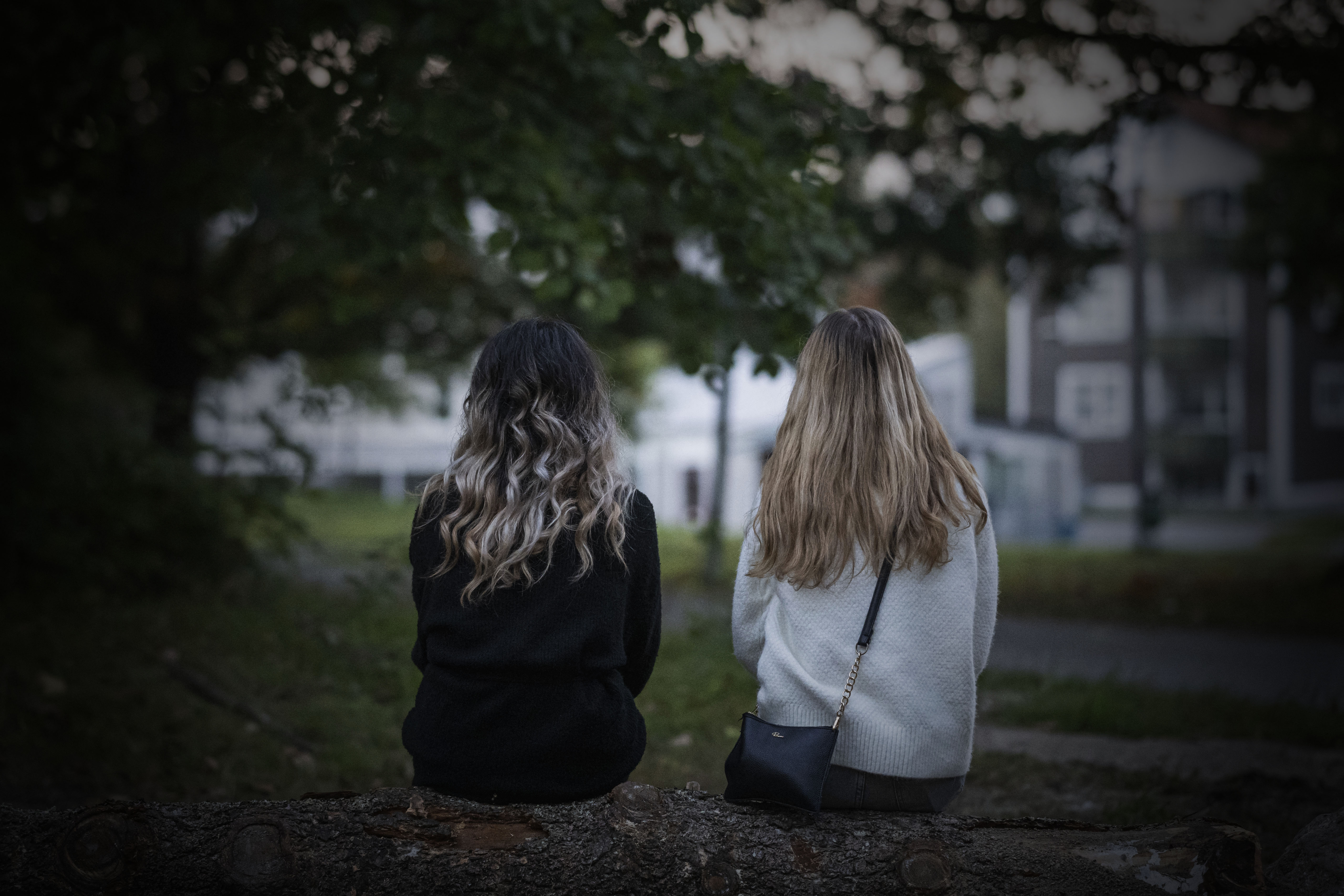
Teenagers placed in special residential care facilities, which house society's most vulnerable children, are a key group being targeted by gangs to carry out violent acts, according to a 2025 study by Acta Publica, a Swedish data and research company.
In Sweden, these facilities, called HVB homes, are for children and teenagers who can’t live safely at home. The reasons can range from neglect and violence to substance abuse.
About 6,000 children and young people are placed in HVB homes each year.
Like others of their generation, children in HVB homes are often active on social media. Recruiters can easily monitor their geotagged posts to target them.
The recent study also documented cases in which already recruited children placed in HVB homes went on to recruit others from the home.
In the Sundsvall case, Jesper and Hugo met at an HVB home near Stockholm.
Kah said that recruiters often target children who have experienced trauma and come from troubled family backgrounds, offering them a false sense of security and belonging.
Even though recruitment has expanded in recent years to include children from higher-income neighbourhoods and rural settings, gangs continue to target young people in Sweden’s so-called “vulnerable areas” - low-income districts where criminal networks exert local influence, according to the police.
Many of these suburban areas developed under a 1960s and 1970s social housing initiative for working-class Swedish families.
In later decades, as many of these families moved out, municipalities began allocating apartments to migrant and refugee newcomers.
What began as a utopian welfare project gradually evolved into the physical framework of today’s segregated suburbs.
According to the Swedish National Council for Crime Prevention (Bra), so-called vulnerable areas are marked by lower trust in authorities and the presence of “parallel social structures”, informal networks and local power-brokers that operate alongside or in the gaps of the state.
This segregation and rising inequality in the country - a UBS report shows Sweden now has the highest level of wealth inequality in Europe - have created the right conditions for recruiters to attract young people with promises of status and fast money, Salazar Atias explained.
As children continue to be recruited into gangs, families of murder victims, which can include innocent bystanders or relatives of gang members, highlight the urgency for the government to address this inequality and segregation, which they say lie at the root of the violence.
A son shot dead

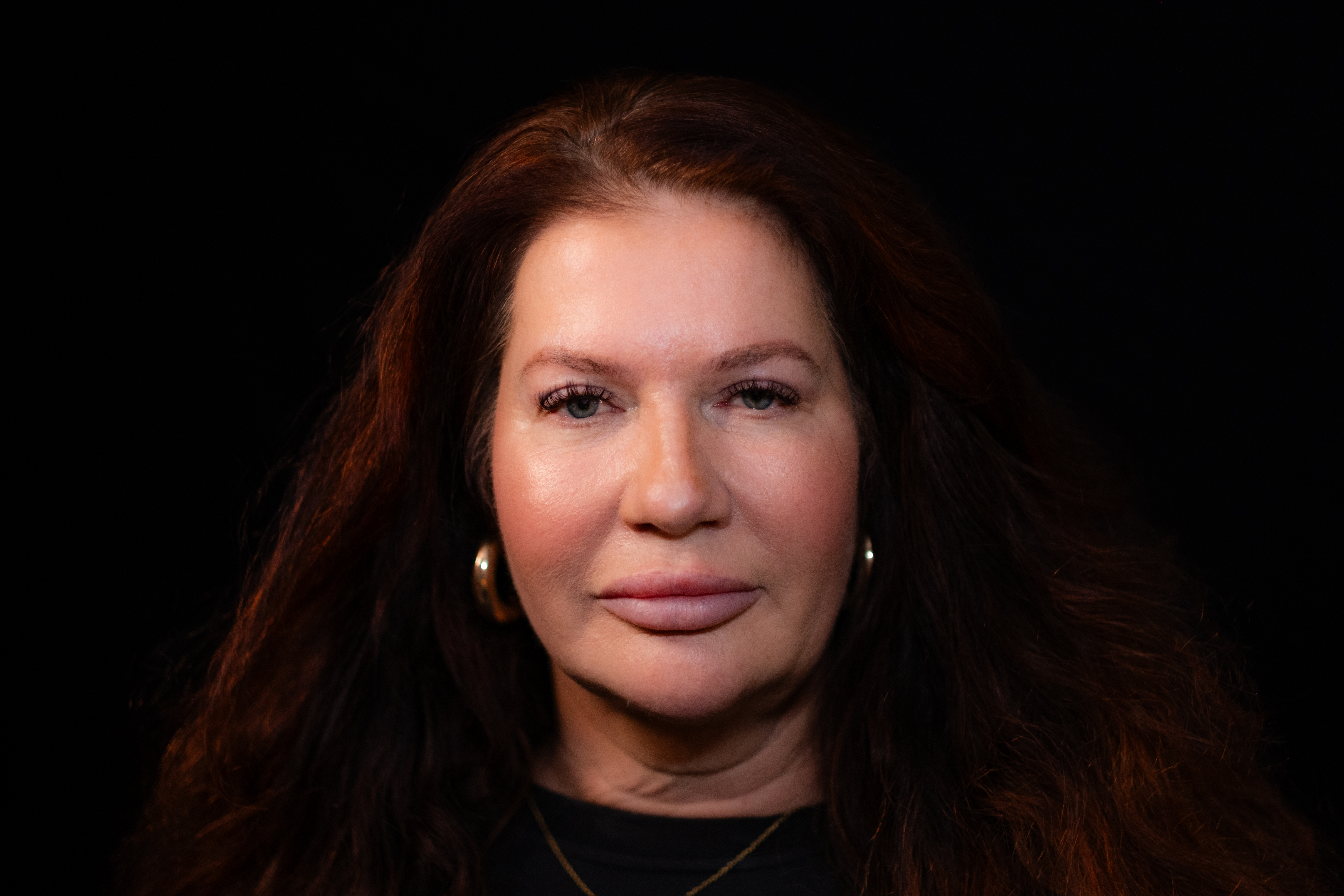
Maritha Ogilvie, a 54-year-old social worker, prepared coffee in her Stockholm apartment.
The autumn colours from the trees outside cast a warm glow on the pictures of her son, Marley, that lined the apartment's walls.
Marley was 19 years old when he was shot dead while sitting in a friend's car in 2015.
Maritha is gregarious and quick-witted, but in the moments between the jokes, sadness can flash suddenly across her face.
Her speech slowed whenever she mentioned Marley, her words laced with tenderness and warmth.
She described how, a decade ago, the number of shootings in Sweden's cities started to increase dramatically.
According to Bra, Sweden saw the number of fatal shootings almost double between 2012 and 2015, from 18 to 31.
A study conducted by Bra shows it was about this time that Sweden started to experience the effects of the shift from more hierarchical, regulated criminal networks to looser, more chaotic neighbourhood-based ones.
Maritha tapped her phone to reveal a picture of Marley with a wide grin. She recalled the moment her only child, a funny, smart boy she describes as her best friend, was pronounced dead in the hospital.
“I went into shock; I hardly remember anything. I think I just slept, I didn’t eat, I didn’t talk. I was just in a vacuum,” she said.
Marley was not involved in a gang and is not believed to have been the intended target of the shooting. The area he was shot in southern Stockholm is officially designated a vulnerable area by Sweden’s police.
No one was ever convicted, and the case was dropped.
“The police officer handling my son’s case said at the time - that’s ten years ago - she said to me, ‘I'm going to be honest with you, we lost control in this specific area where he was murdered a long time ago,’” Maritha recalled.
As a devoted single mother, Maritha felt she had not only lost her child but her identity.
She was thrust into a period filled with suicidal thoughts, and would later be diagnosed with frozen grief, where a trauma halts the natural mourning process - leaving a person emotionally suspended.
'Rather be feared'
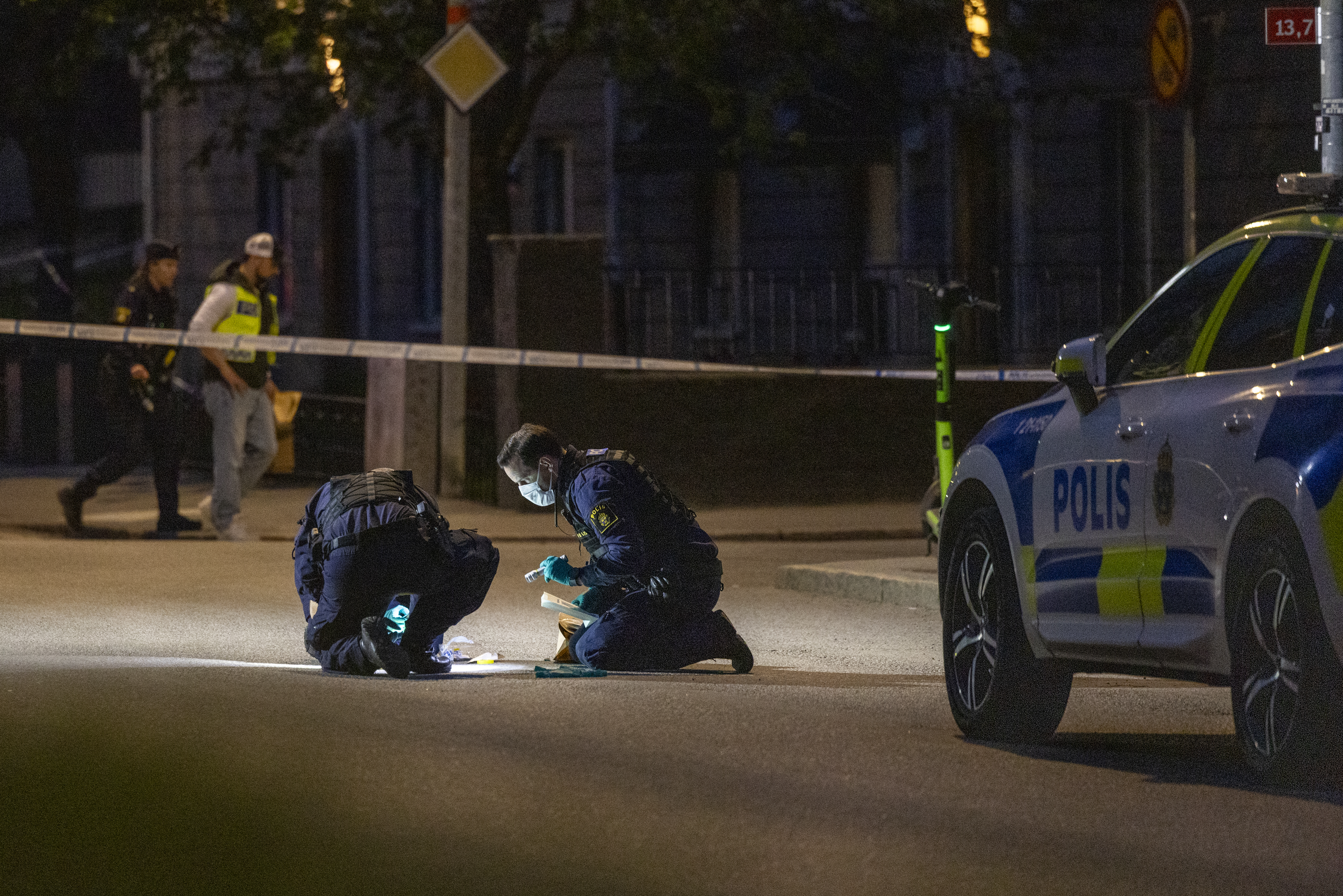
Now she feels anger and bitterness towards the government, which she describes as big on blame, often directed at migrant groups, but short on action.
Sweden’s Prime Minister Ulf Kristersson has previously laid the blame for gang violence on what he calls an “irresponsible immigration policy and failed integration”.
But experts argue that, for a country that has long prided itself on its egalitarian social model, such claims are a convenient way to deflect attention from deeper social and policy failures.
For many years, Maritha threw herself into activism and grassroots programmes, which she said understood the affected communities and had a real effect in reducing gun crime.
She was also consulted by politicians and the authorities, but describes this as tokenism. They wanted to be seen to have spoken to a grieving mother, she said, but did not engage with her advice to address class inequality and segregation. Instead, they chose to reinforce stereotypes for political gain.
With such political rhetoric and seemingly no route to a successful career, Maritha believes some children can feel unwelcome in Swedish society.
“If children do not feel loved by society, then they would rather be feared,” she explained, adding, “People can be angry about that, but that’s how humans work.
“At the end of the day, I feel like it's the government's fault, and I feel like they owe me a kid,” she said firmly.
Maritha believes that the government has only started to take action now that gangs are recruiting children from across social classes and communities, shattering the political narrative of a "them and us" divide.
In a 2025 report, the Swedish Police Authority issued a warning that it had noted a clear development: Children can now be exploited by criminal networks “in all municipalities, not just … vulnerable areas”.
Experts agree that any child with a phone is potentially at risk.
Nor is any area immune to gang violence now, including some of Sweden’s wealthiest areas, such as the affluent inner-city area of Ostermalm or the leafy residential neighbourhood of Bromma in Stockholm.
“The shootings have been here a long time, but in poorer areas - it was a problem for the marginalised. But now they are happening in all areas, [and] society is saying: Enough,” Salazar Atias said.
'Trauma on trauma'
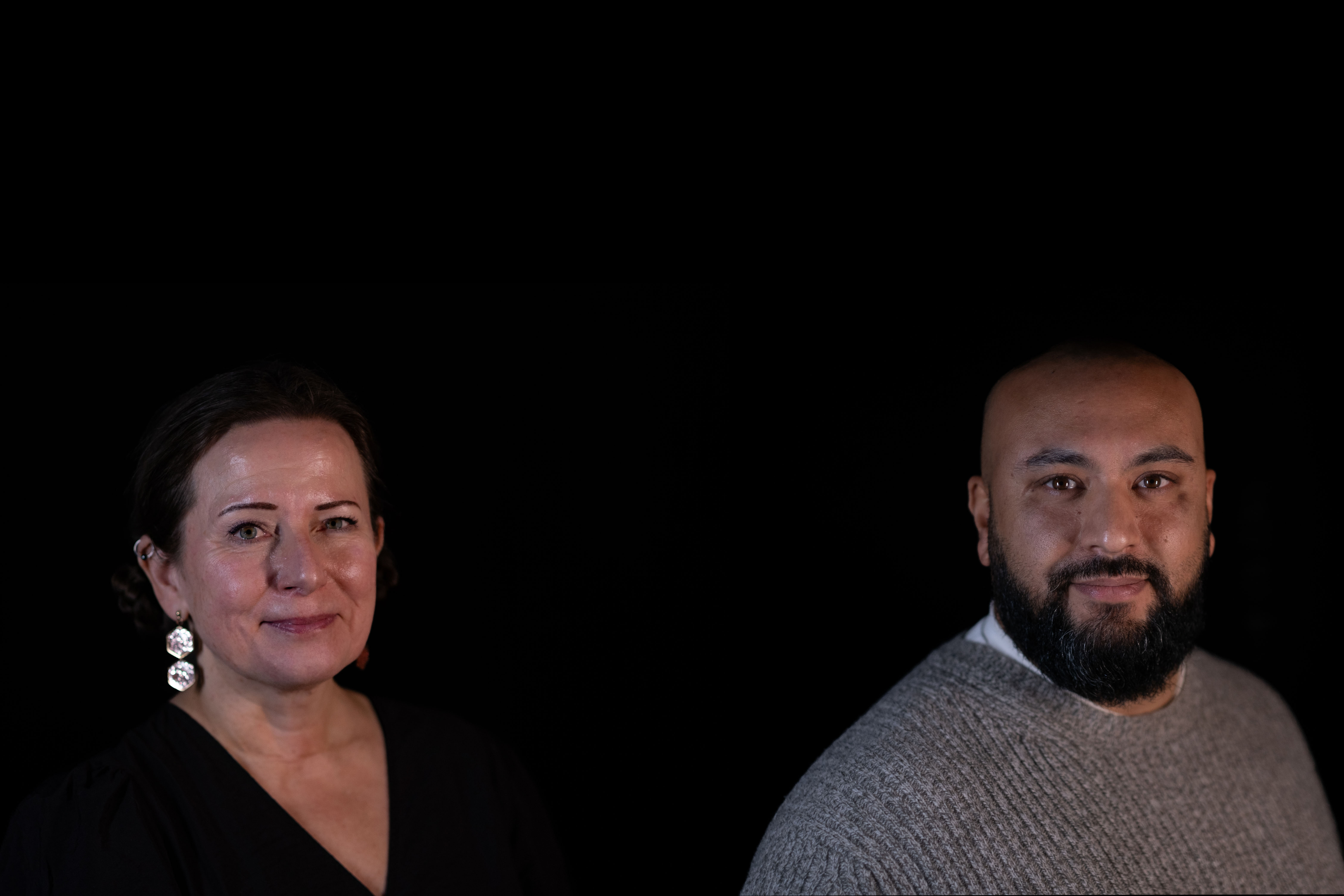
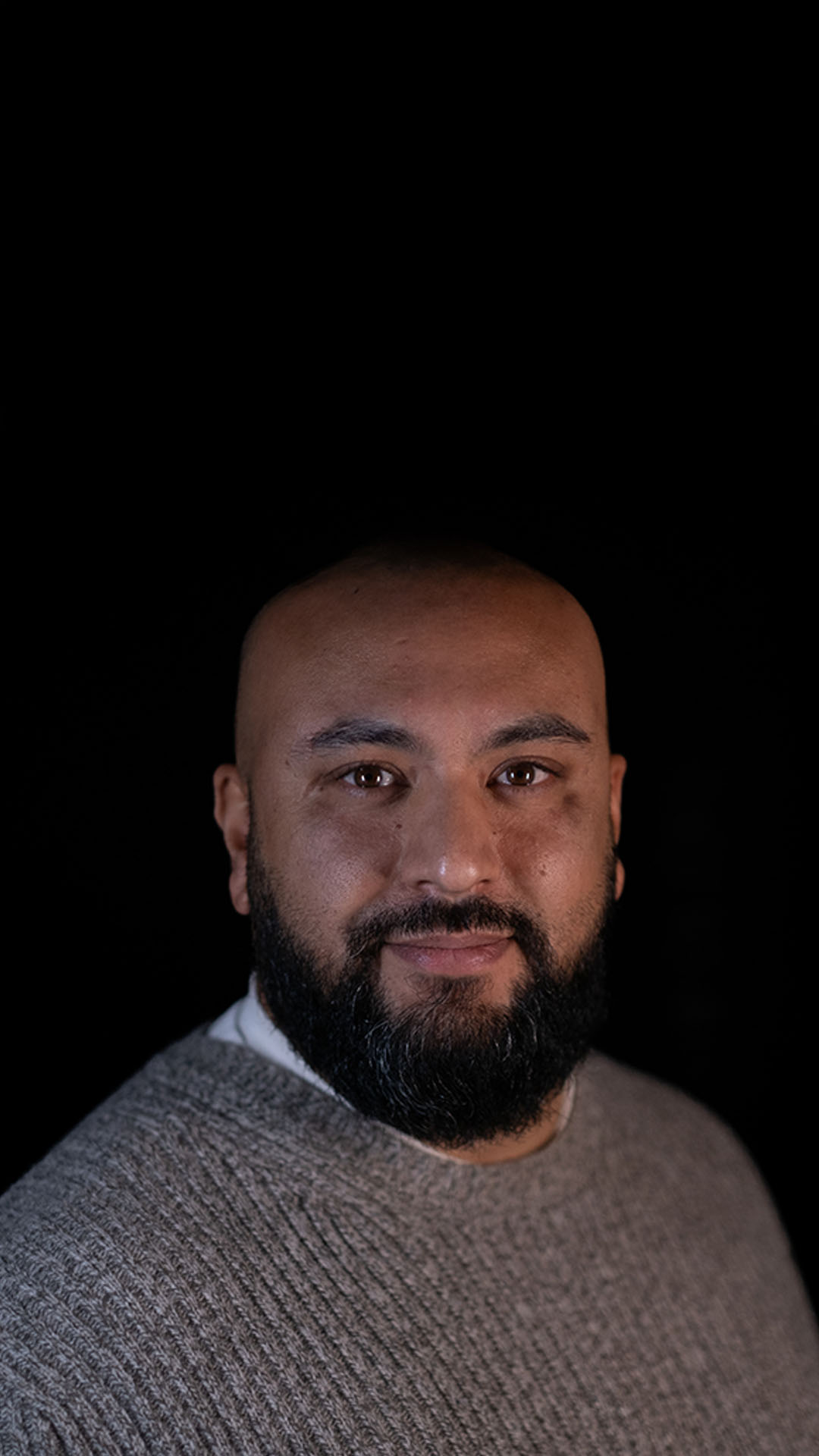
The current right-wing government, in power since 2022, has pursued a policy of increasing punitive measures in an attempt to crack down on gang crime, including abolishing the rule that allowed 18- to 20-year-olds to receive reduced sentences.
Now, before next year's election, it has proposed lowering the age of responsibility for serious crimes, meaning children as young as 13 can be sentenced, as well as creating special youth-prison units for those convicted.
It’s a move that many experts who work with children involved with, or at risk of, gang crime advise against.
Khan said such an approach fails to address the fact that these children are groomed and implies they are fully aware of the consequences of their actions.
He described how recruiters and enablers often put young recruits on a strict schedule of the opioid painkiller Tramadol to desensitise them before they carry out a violent act.
Al Jazeera obtained court documents related to a murder in Stockholm, which showed that Tramadol was sent to the enabler in the days leading up to the shooting as part of a larger preparation package that included weapons.
It is also often accompanied by a process of desensitisation, often in the form of violent videos showing previous crimes, which are shared on various recruitment groups and channels.
One such video, which was widely shared in late 2024, was of the live-streamed murder of well-known Swedish rapper Gaboro.
The clip, shown from the perpetrator's point of view, shows him shooting Gaboro as he begs for his life in a car park.
As Gaboro attempts to flee, he falls to the floor, the gunman leans over him, and the words “I beg you, I beg you” can be heard before the final shots are fired.
This concoction of violence and drugs often means children have faced “trauma on trauma”, Khan said.
Eva Mi Gullbrandsson is an operational manager for Fryshuset's correctional services, which offer support and counselling to young detainees. She says that after months of careful recruitment followed by a moment of extreme violence, often under the influence of drugs, children are then thrust - isolated and alone - into the harsh reality of a prison cell.
As part of her job, Gullbrandsson visits children aged 15 or older held in detention centres for people awaiting trial or sentencing.
She has met with hundreds of children held in these centres, and is often their only point of contact with the outside world.
“In the first week, many of the children have a hard time sleeping, eating. They are sick, they are homesick,” she explained.
She said Swedish law requires a child to be given a break from isolation for four hours, but due to the increase in detained children, pressure on the Swedish Prison and Probation Service has mounted, and there is often not enough staff to guarantee that the children get the full four hours.
A tear appears behind her glasses. “I don’t need to know what they are imprisoned for; that’s not my job, but you really just want to take care of them when they get this panic, they have a thousand thoughts at the beginning.”
A way out
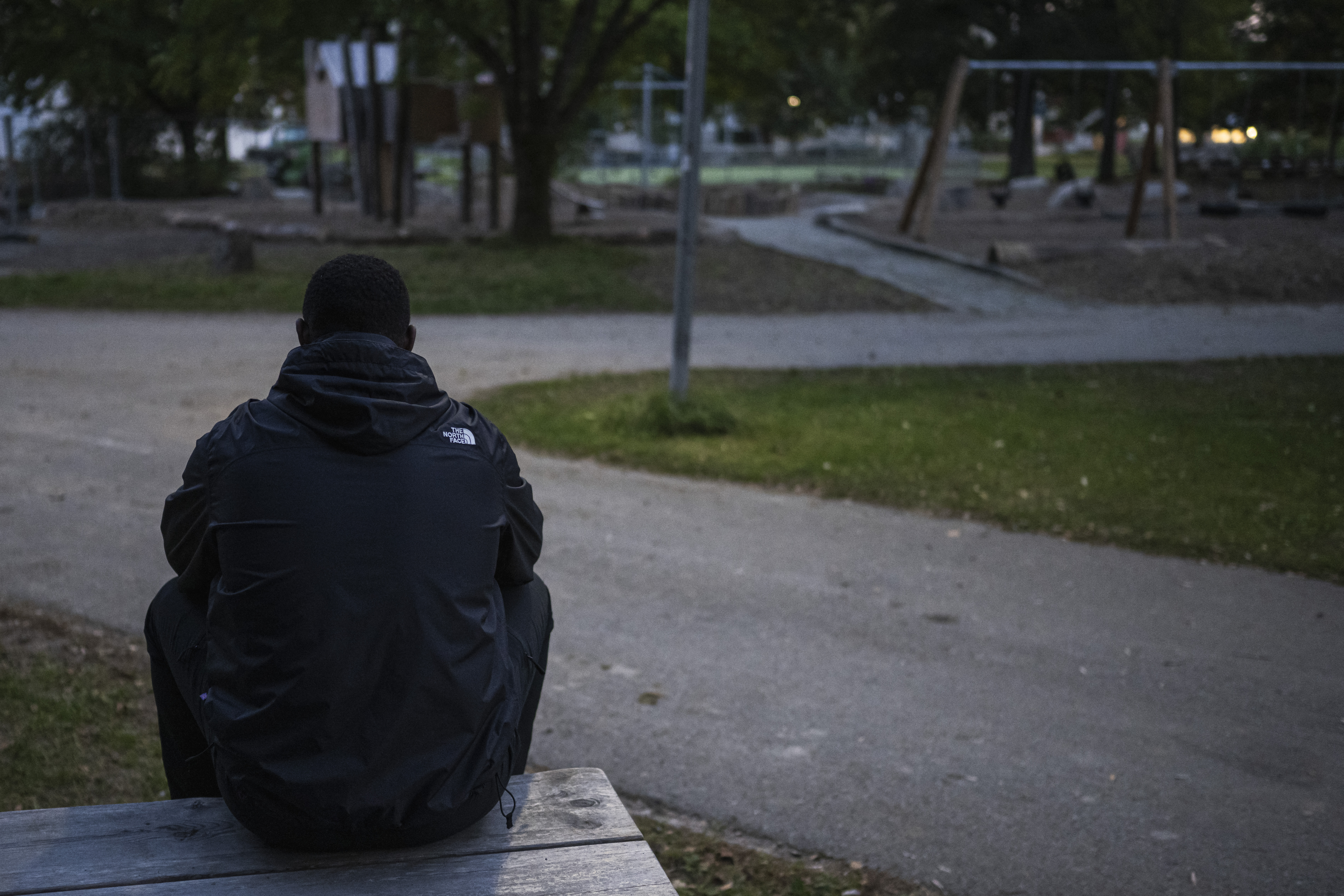
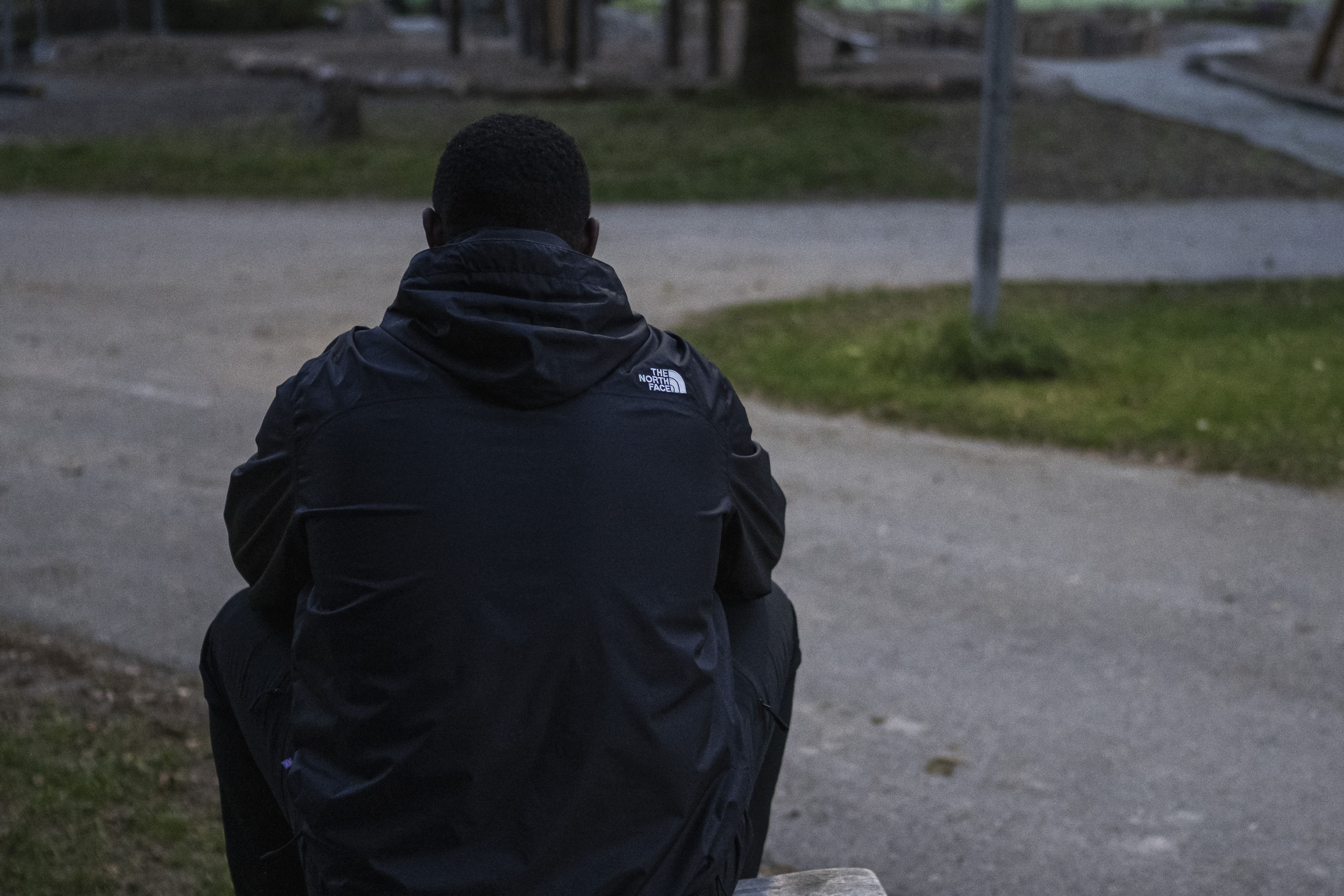
Khan said that many of the children he works with in the SiS institutions, where children are often sent after sentencing, are also subjected to blackmail.
In Sweden, personal details and addresses are, in most cases, publicly available. Child recruits are also asked to provide photos of all identification papers before carrying out an attack, which makes them vulnerable to gang members pressuring them to carry out more crimes after they are released, sometimes threatening to harm their families - which the gangs can easily locate.
He advocates for rehabilitation and prevention outreach programmes rather than a focus on imprisonment for children.
Gullbrandsson says many of the children she meets need an off-ramp. “Even if in the beginning they say they are prepared to die, they all end up wanting a normal, sensible life,” she explained.
For Kah, such support programmes are also about breaking down a macho culture that teaches children to repress trauma.
“If you have lived as a criminal, then that is your mask, your identity, your behaviour, and if I just take you to prison and don’t work on yourself, it will be the same person who comes out,” he said.
"Criminals are scared 24 hours a day," he said, describing the fear he felt until he went through a programme that forced him to look within himself. "In there was a little boy, there was sorrow," he added.
'A village'
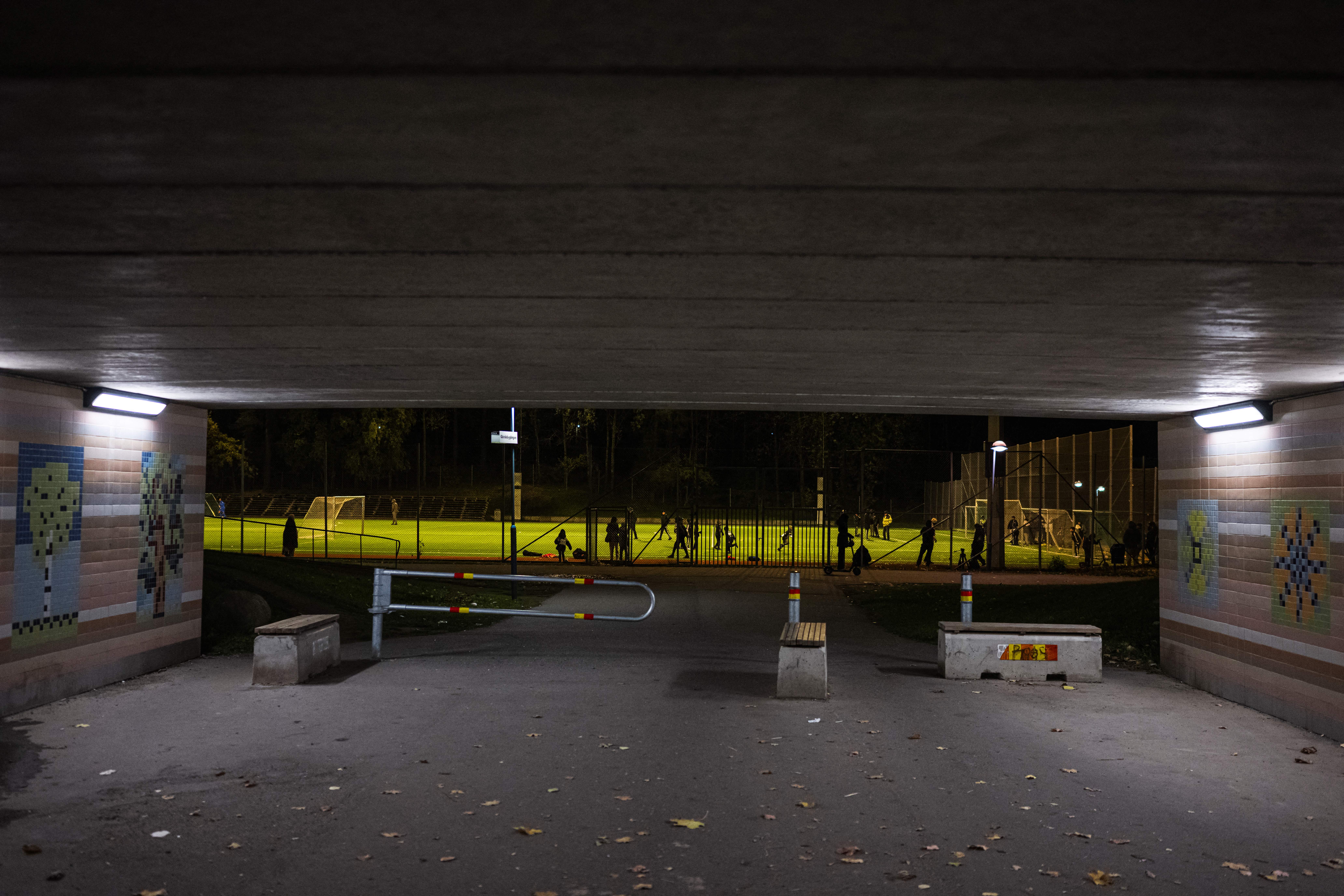
Among the experts at Fryshuset, there is a consensus that society shares a collective responsibility, from parents to schools and the government.
“We have to work on how to protect our children and get them what they need: Job opportunities, a hug, food on the table,” Atias Salazar said.
She said more pressure should also be put on social media and messenger platforms to identify and shut down any recruiting channels.
It is an area where the Swedish police force has made significant strides and succeeded in getting platforms to shut down a number of channels.
It has also begun to work with Europol’s GRIMM, a multinational task force tackling the gang recruitment of young people online.
Other initiatives have also shown positive results, including “Stop Shooting” in Sweden’s third-largest city, Malmo. This collaboration between the police, the Swedish Prison and Probation Service, the city council and volunteers offers support to those who want to break the spiral of violence and abandon a life of crime.
In Malmo, evidence has shown that shootings and explosions have decreased since Stop Shooting was introduced in 2016.
Khan also advocates for persistence. He said it can take months to build up trust with children who are involved with gangs, but eventually almost all open the door to him.
That’s when he said everyone in their lives, from the authorities to their families, needs to be united. “It takes a village.”
Kah is adamant that the only way forward is to work together.
“It’s too late now to lay the blame; that does not matter anymore. This problem just needs to be dealt with,” he said.
*Names have been changed to protect identities.
