Elon Musk poised to make history as world’s first trillionaire
SpaceX’s record-breaking IPO catapults Musk to unprecedented wealth amid rising angst over global inequality.
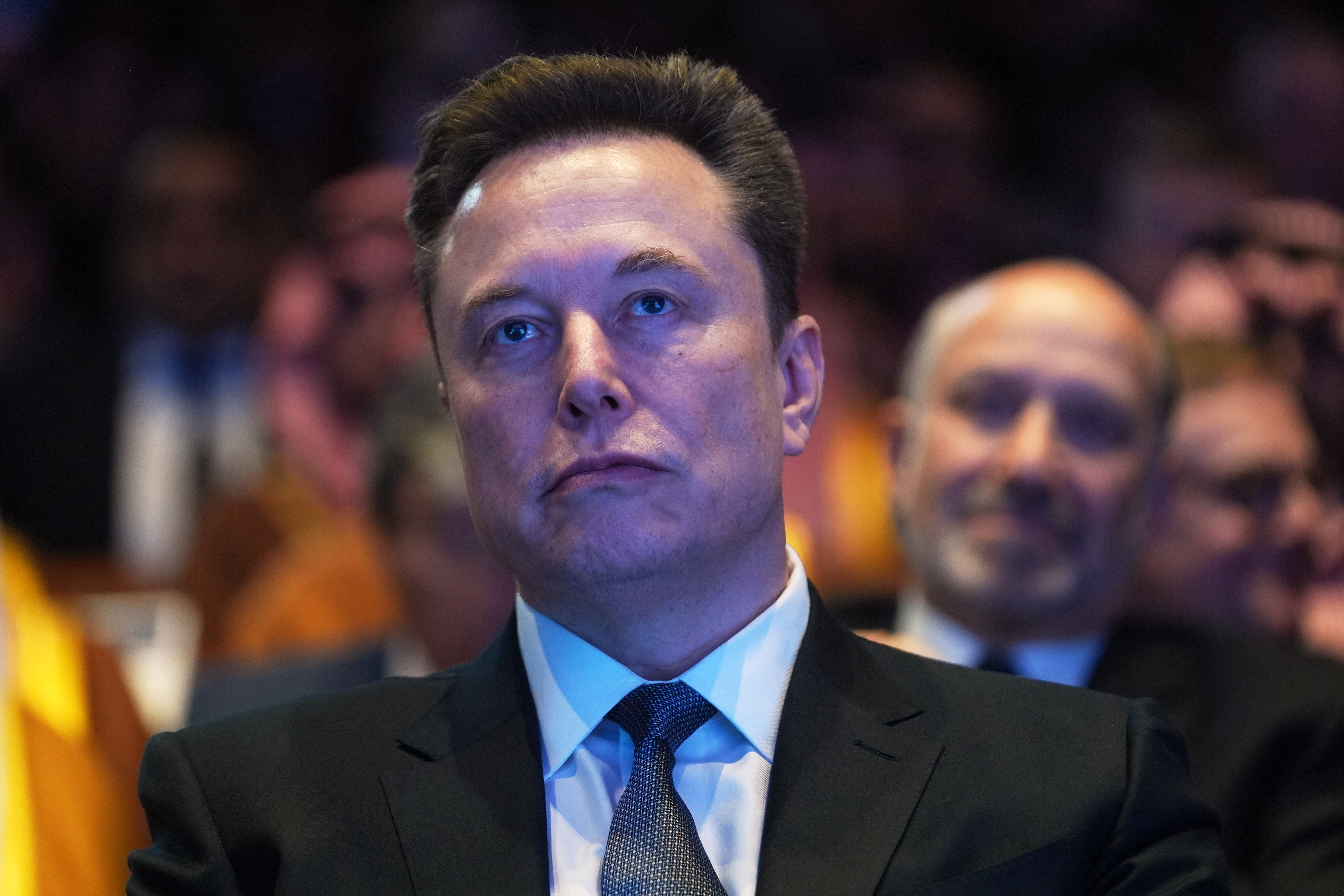

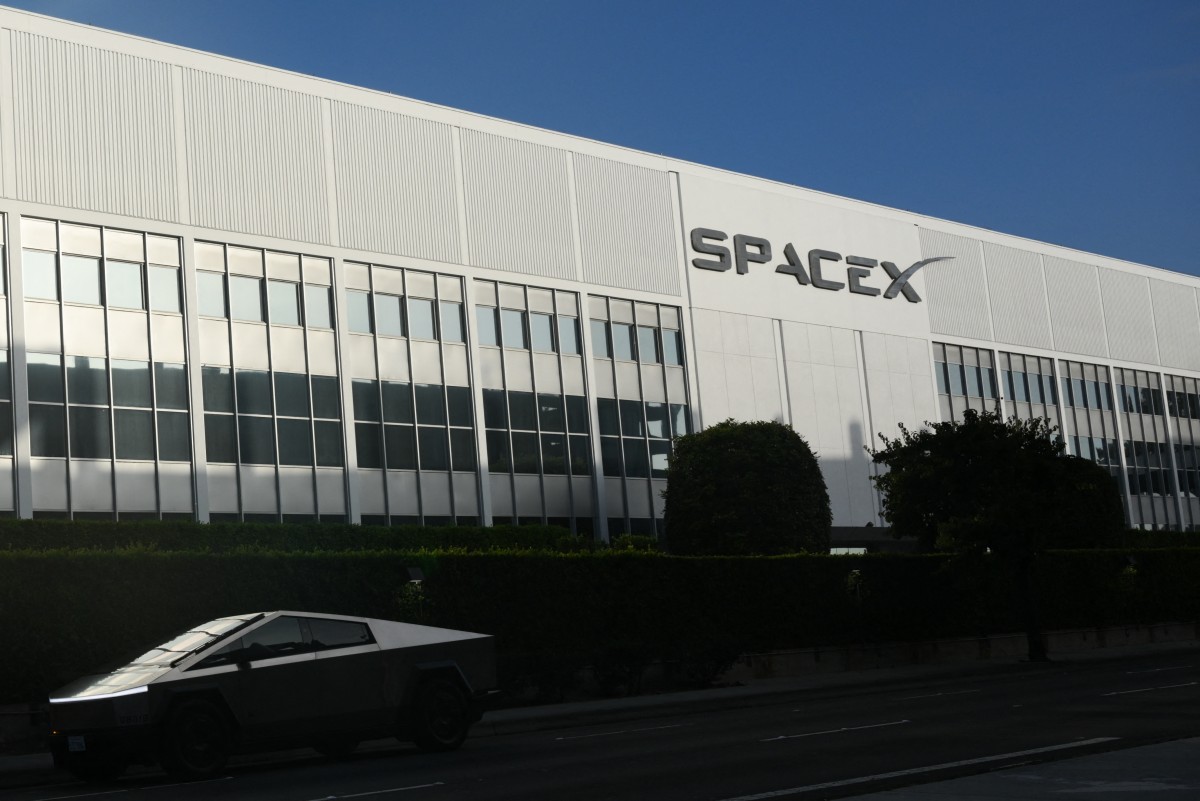
When Elon Musk’s SpaceX debuts on Wall Street on Friday, the controversial tech titan will almost certainly step into the history books as the world’s first trillionaire.
Musk already holds the crown of the world’s wealthiest man – worth roughly $696bn before SpaceX announced its record-breaking initial public offering on Thursday, according to the Bloomberg Billionaire Index.
Recommended Stories
list of 4 items- list 1 of 4Israel launches overnight strikes across Gaza
- list 2 of 4Can Africa turn its population boom into prosperity?
- list 3 of 4Iran World Cup captain reveals Mexico cartel robbery story
- list 4 of 4Stock markets surge as Trump calls off strikes on Iran, touts peace deal
But his 42 percent stake in the rocket-cum-AI company will take him into uncharted territory.
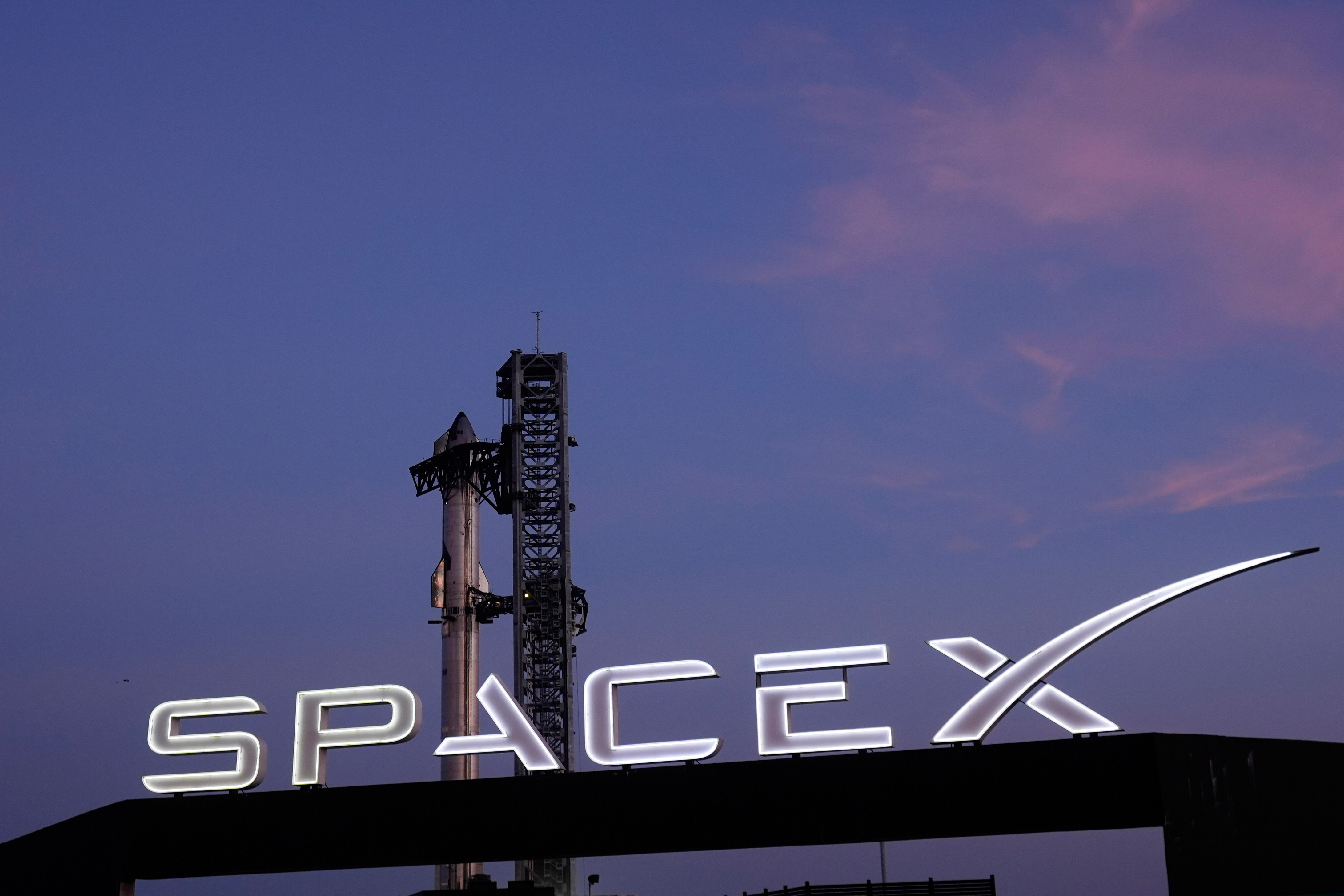
SpaceX will begin trading at a valuation of $1.77tn when it debuts on the Nasdaq stock exchange, selling 555.6 million shares at $135 each.
Estimates of the value of Musk’s stake range from $743bn to $866.5bn.
If all goes well, Musk, who also leads Tesla, will officially cement his trillionaire status before markets close on Friday.
$1 trillion is a number so large that it stretches the limits of human comprehension.
If Musk spent $1m every day, it would still take him 2,740 years to spend $1 trillion, according to UK charity Oxfam.
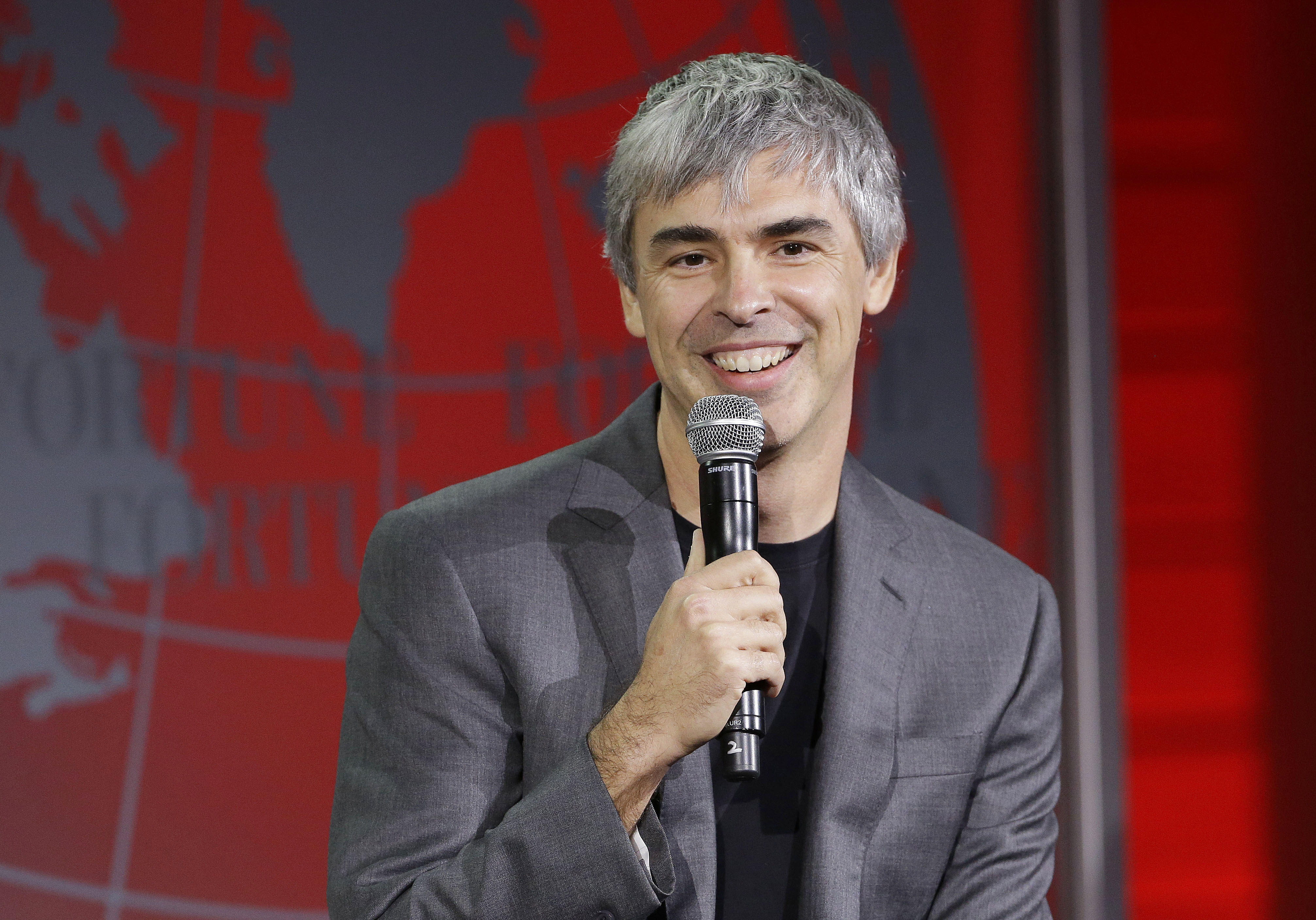
Ranked alongside his peers, Musk will be more than three times richer than Google co-founder Larry Page, who is the world’s second-richest man, according to the Bloomberg Billionaires Index, with a fortune of $304bn.
Musk will also rank among the wealthiest people of all time.
While comparing wealth across history is difficult due to differences in purchasing power and standards of living, Musk is on track to command a greater share of the US economy than the 19th-century magnates who ushered in the industrial age.
John Jacob Astor, who is widely regarded as the first American multimillionaire and an archetype of the self-made tycoon, was worth between $20m and $30m, or roughly 1 percent of US GDP, when he died in 1848, according to the MeasuringWorth Foundation, a non-profit that provides estimates of value for economic historians.
A few decades later, steel magnate Andrew Carnegie amassed a fortune of about $380m, a figure equivalent to about 0.5 percent of US GDP at the time of his death in 1919.
Oil tycoon John D. Rockefeller was worth around 1.5 percent of US GDP when he died in 1937 with a fortune of $1.4bn, according to the MeasuringWorth Foundation
As a trillionaire, Musk would be worth roughly 3 percent of US GDP.
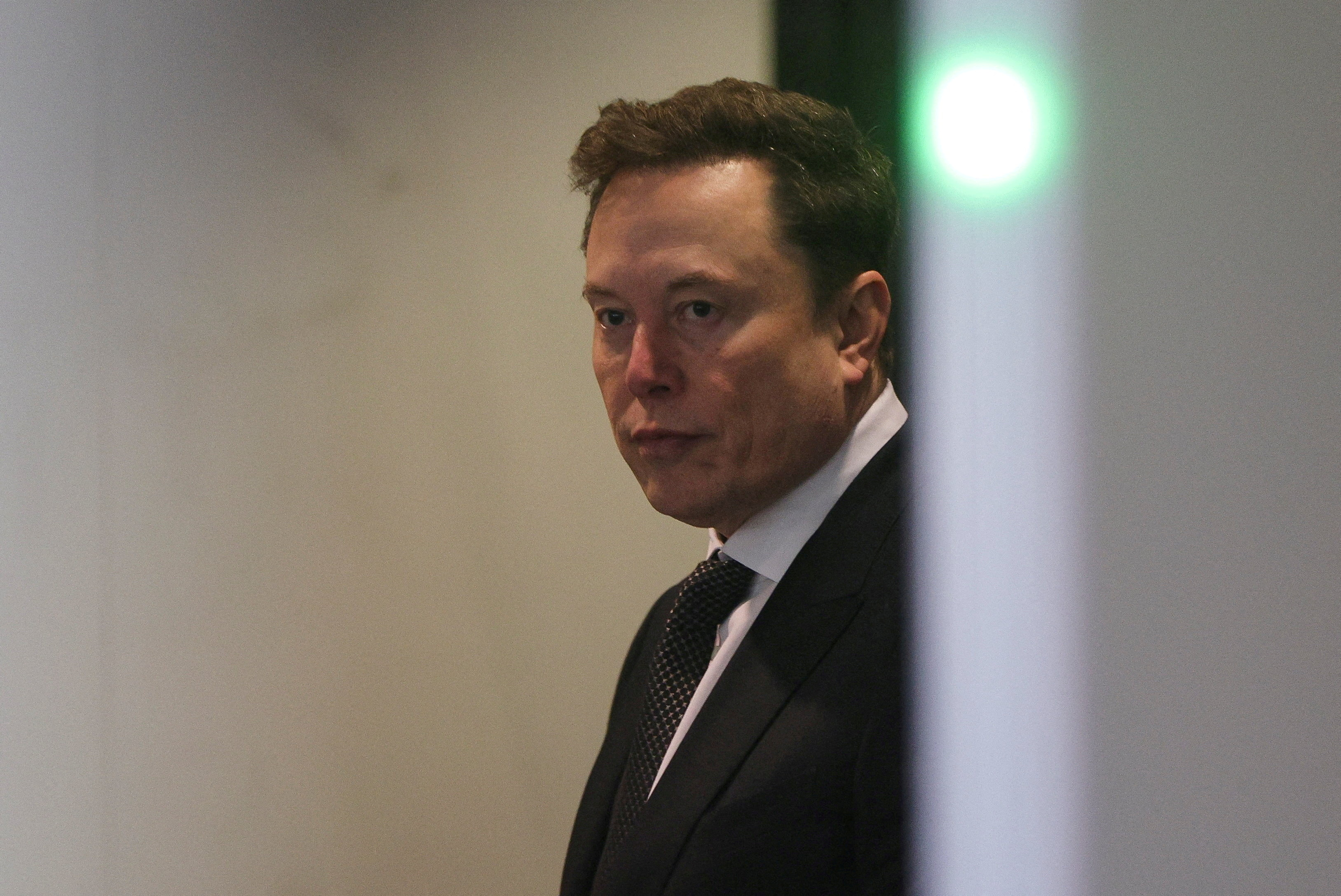
Guido Alfani, a professor of economic history at Bocconi University in Milan, Italy, said another way to compare the wealth of Musk and his predecessors is to consider the amount of human labour that could be purchased with their respective fortunes.
“If we do this, we can surely conclude that Elon Musk might be the wealthiest person who has ever lived – excluding emperors or other rulers whose wealth is not easily distinguishable from that of the state,” Alfani told Al Jazeera.
Alfani estimated that Musk could have commanded the work of 557,800 people in 2025, versus 116,000 by Rockefeller in 1937 or 48,000 by Carnegie in 1901.
Much as Musk is a polarising figure today, the tycoons that accumulated vast fortunes during the mid-to-late 1800s were controversial figures in their day.
‘Rich beyond anything seen before’
Astor was known as one of New York City’s largest and most unscrupulous landlords.
Carnegie, Rockefeller and their contemporaries during what became known as the Gilded Age were dubbed “Robber Barons” for their ruthless and anti-competitive business practices.
Much like Musk, the industrialists of the Gilded Age were rich beyond anything Americans had seen before, said Richard Wright, professor of history emeritus at Stanford University.
“What made them famous was that they were very good at making and keeping money. There is little sign they accomplished much else,” White told Al Jazeera.
“Some admired them for their wealth. Most of their contemporaries despised them.”
White said that magnates such as Rockefeller shared a common understanding that their wealth depended on being able to shape government policy.
“All intervened in politics,” White said.
“All this involved a degree, in the Gilded Age, a very high degree, of corruption.”
Musk, too, has deeply involved himself in politics, aligning himself with Donald Trump’s 2024 presidential campaign before going on to lead the Trump administration’s controversial campaign to cut waste and fraud in the federal government.
Since staging a $40bn hostile takeover of Twitter in 2022, Musk has used the social media platform, since renamed X, as a personal megaphone, promoting right-wing views on hot-button culture-war issues such as immigration and transgender rights.
Despite sharing an affinity for politics, Musk diverges from his ultra-rich predecessors in other ways.
For all their vast wealth, the magnates of the Gilded Age were prolific philanthropists, building hospitals, libraries, universities and museums and donating large sums to support efforts to eradicate illnesses such as hookworm and yellow fever.
Public good
“When examining the Robber Barons of the Gilded Age and Progressive Era, despite their many failings, one must note that they were also the pioneers of modern large-scale philanthropy,” Christopher Nichols, a professor of history at Ohio State University, told Al Jazeera.
Carnegie famously donated 90 percent of his wealth during the last two decades of his life, a sum that would have been worth at least $42bn in today’s money, according to the MeasuringWorth Foundation.
“Andrew Carnegie’s ‘Gospel of Wealth’ argued for the full-use of fortunes for the public good during their lifetimes, rather than leaving it to heirs,” Nichols said, referring to the tycoon’s 1889 essay arguing that the rich had a responsibility to help the less fortunate.
In 2010, Microsoft founder Bill Gates and legendary investor Warren Buffett launched the Giving Pledge, a philanthropic project aimed at encouraging the world’s wealthiest people to donate the majority of their wealth to charitable causes during their lifetimes or in their wills.
Musk joined the pledge in 2012, but the bulk of his philanthropic efforts have been directed through the Musk Foundation toward causes that intersect with his business ventures, according to the Capital Research Centre, a US-based think tank that monitors how non-profits spend their money.
In a closed-door lecture last year, billionaire investor Peter Thiel, who co-founded Paypal with Musk, said that he had urged his former colleague to renege on his promise because the funds would go to “left-wing nonprofits.”
While Musk has not publicly withdrawn from the pledge, he took Thiel’s advice seriously, according to the Thiel’s account of their discussions.
Musk has also shown a preference for donating through intermediaries such as Vanguard Charitable and Fidelity Charitable, which specialise in donor-advised funds.
Musk donated $37m to Vanguard Charitable in 2017, and $39m to Fidelity Charitable between 2018 and 2020, according to Capital Research Centre.
Perhaps the greatest difference between Musk and his predecessors is that – at least so far – his vast wealth has done little to spur sweeping political or societal change.
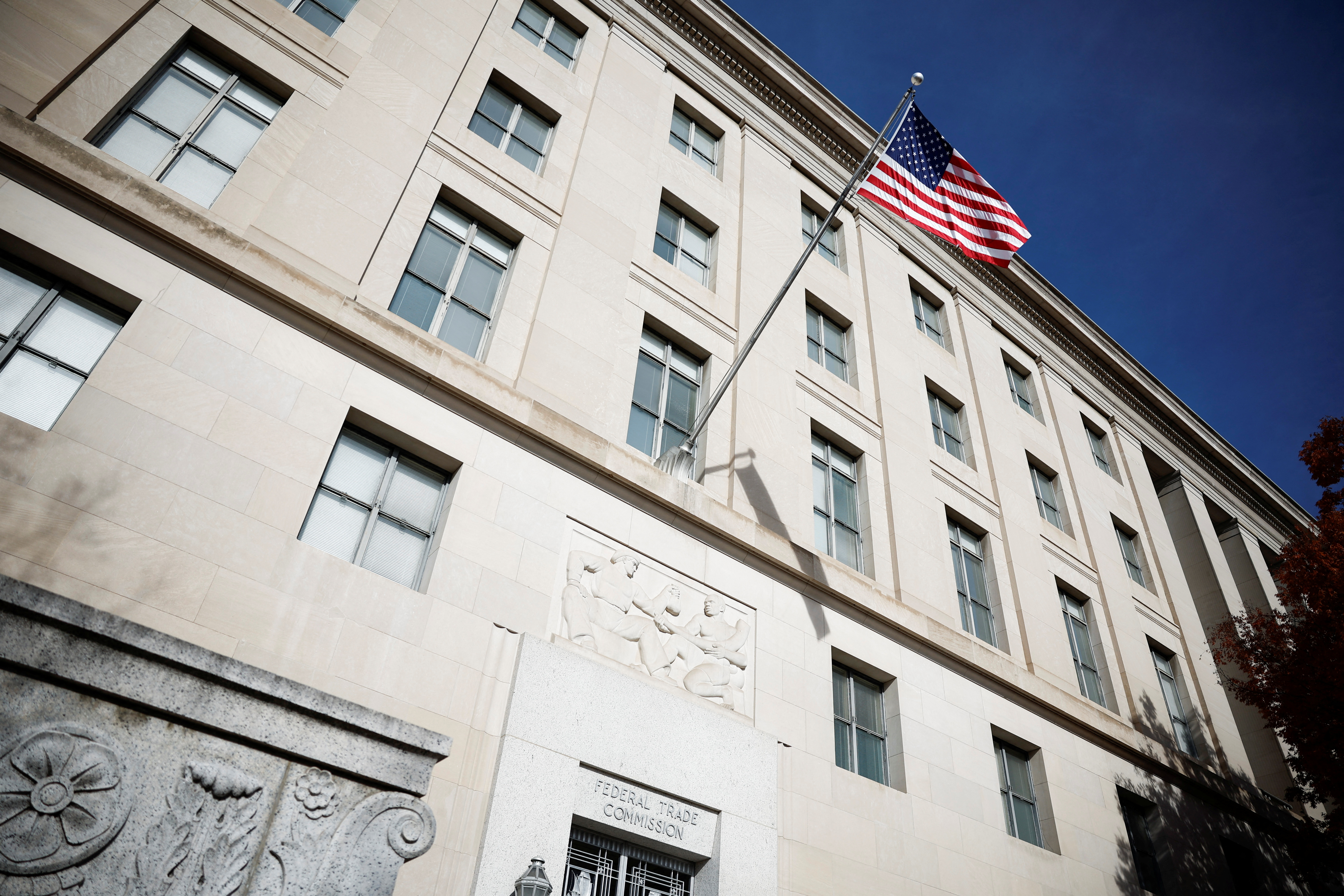
The Gilded Age was marked by widespread labour unrest and social activism that ultimately culminated in the passage of landmark anti-trust regulation, the establishment of the Federal Trade Commission and the institution of a federal income tax.
Joshua Rosenbloom, a professor of economics at Iowa State University, said the current political and economic system is structured in a way that is more resistant to change than the “far more fluid” order that prevailed from the 1870s to the late 1920s.
“My sense is that at the turn of the 20th century, the rise of large concentrations of wealth was politically controversial, and perhaps more so than is true today,” Rosenbloom told Al Jazeera
“The 1890s and early twentieth century were characterised by relatively prominent labor protest and political violence, which we have not seen very much of in the present,” he said.
Changing fortunes
While Musk has likely become the richest person in history on the back of his success at the head of several companies with “historic resonance,” his wealth is not “carved in stone,” said Daniel Waldenström, a professor at the Research Institute of Industrial Economics in Sweden.
“He faces competition and the market valuation of his corporations can change,” Waldenström told Al Jazeera.
“It may well be that some of Musk’s assets will lose value if reality changes,” Waldenström said.
“And this has also happened; only in 2022, the inflation boom made Tesla lose more than 60 percent of its market value.”
