Japan extends record run of export declines on US, China weakness
Exports fell in again November, a likely source of concern for Japanese policymakers counting on an overseas recovery.
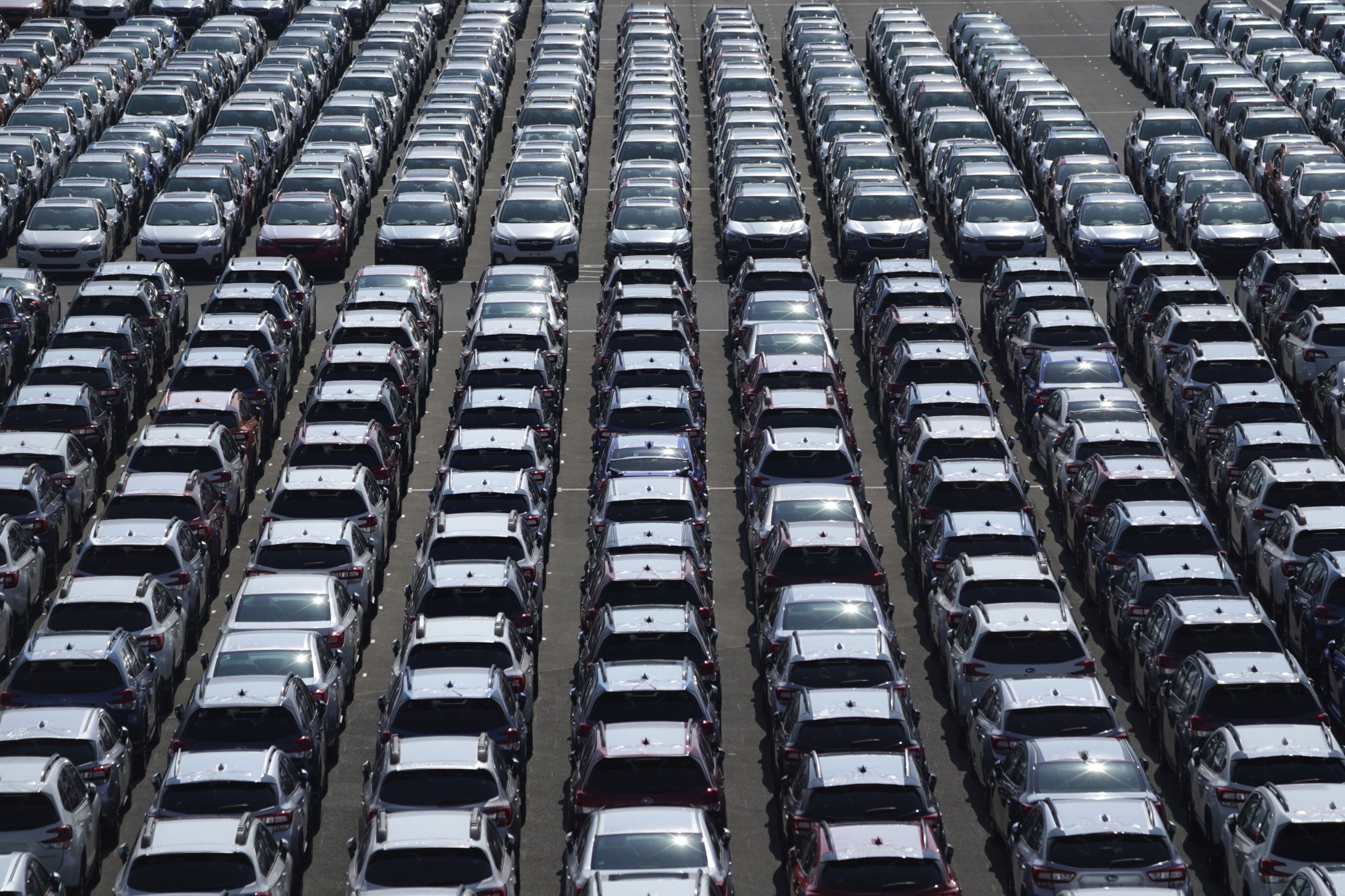
Japan’s exports fell in November, dashing expectations for an end to the two-year run of declines, largely due to weaker shipments bound for the United States and China, and suggesting a slower pace of recovery for the world’s third-largest economy.
The trade data is likely to be of some concern for policymakers counting on solid external demand to boost factory output and broader corporate activity to revive the economy.
Recommended Stories
list of 4 items- list 1 of 4Japan announces $708bn in fresh stimulus as COVID-19 cases rise
- list 2 of 4Japan consumer prices fall at fastest pace in a decade in October
- list 3 of 4Asian factories have been busy, a plus for the global economy
- list 4 of 4Bank of Japan upholds ultra-loose policies as economy picks up
“The risk that Japan’s economy will stall in the first quarter is gradually becoming stronger,” said Takeshi Minami, chief economist at Norinchukin Research Institute.
“It feels like Japan’s economic recovery is somewhat behind that in China and the United States and European countries given the exports trend and state of domestic demand.”
Ministry of Finance (MOF) data released on Wednesday showed exports fell by 4.2 percent in November from a year earlier, defying economists’ median estimate of a 0.5 percent increase in a Reuters poll.
That marked the 24th-straight month of decline, the longest stretch on record based on comparable data going back to 1979, and follows a 0.2 percent drop in the previous month.
Lagging behind
Japan’s exports have failed to match the strong recoveries seen in large Asian manufacturing rivals China and South Korea, which have benefitted from brisk global demand for technology that enables remote working during the pandemic.
In contrast, analysts said Japanese manufacturers face challenges selling high-value capital goods, such as factory machinery, to overseas markets at a time when growing demand for consumer goods is driving the recovery in many of those economies.
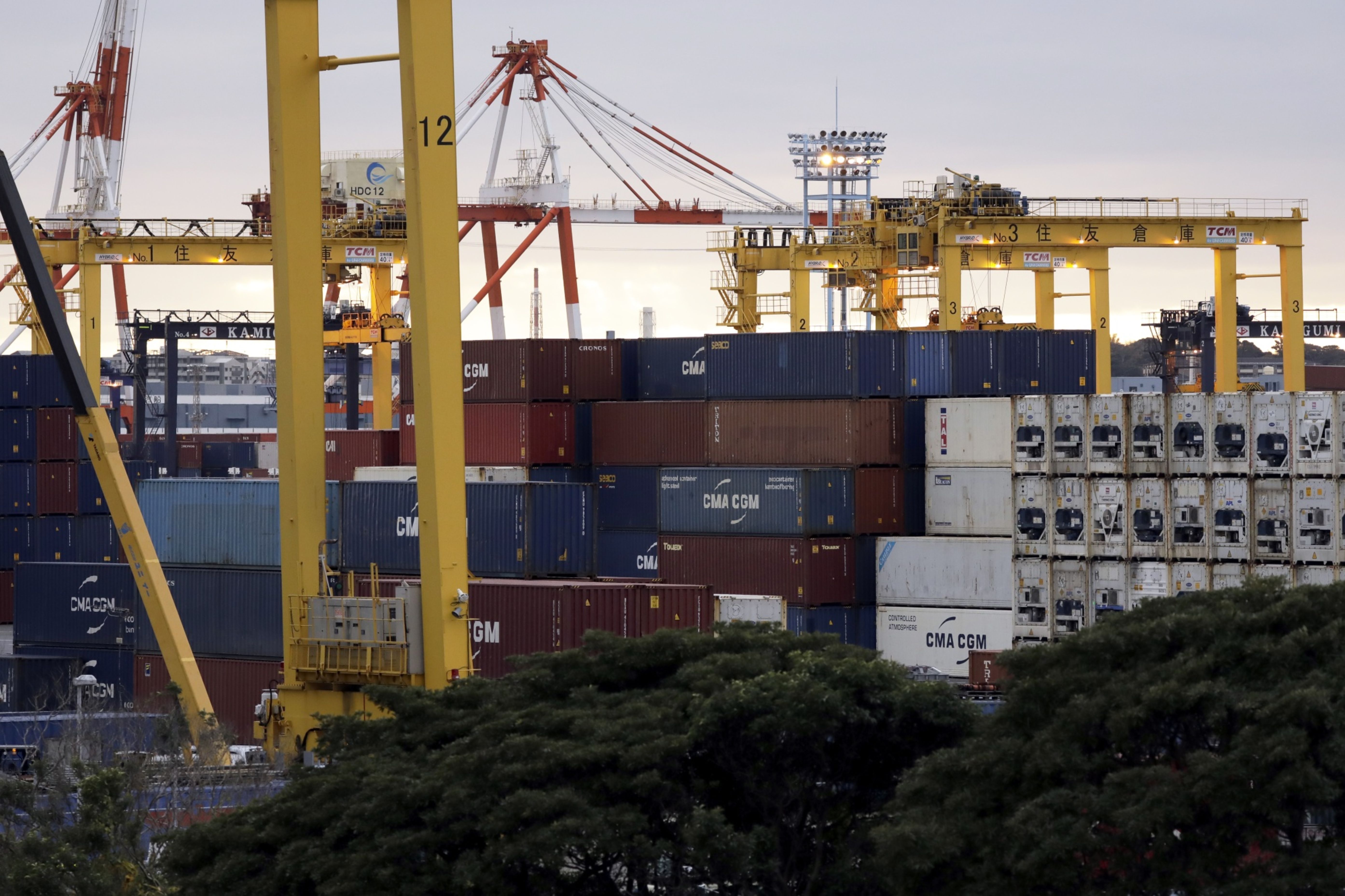
“Goods used in companies’ capital spending are seeing the biggest delay, even as cars are being sold well and the rebound in semiconductors has been quite strong,” said Atsushi Takeda, chief economist at Itochu Economic Research Institute.
Takeda added that a long stretch of import declines, which fell for their 19th straight month in November, pointed to persistent weakness in domestic demand, highlighting Japan’s relatively slow economic recovery.
Services exports
Research firm Capital Economics said that weakness in the exports of services is likely to continue to cloud Japan’s overall trade picture in the short term.
“Looking ahead, the Export Climate Index suggests that goods export volumes should rise well above pre-virus levels over the coming months,” Tom Learmouth, Capital Economics’s Japan economist, said in a research note sent to Al Jazeera.
“The recovery in services exports will obviously take longer, although due to the distribution of vaccines we expect them to be back to normal levels later next year,” Learmouth added.
By destination, shipments to the US contracted for the first time in three months, falling 2.5 percent in November versus the same month a year earlier, as weak demand for aircraft equipment helped offset higher car exports.
Exports to China, Japan’s largest trading partner, rose at the slowest pace in five months, growing 3.8 percent, driven by communication devices.
Shipments to Asia fell for the first time in two months, decreasing 4.3 percent, while those to the European Union dropped 2.6 percent in November.
Imports fell 11.1 percent in November compared with the same month a year earlier, versus the median estimate for a 10.5 percent decrease. Japan’s trade surplus narrowed to 366.8 billion yen ($3.54bn), versus the median estimate for a 529.8 billion yen ($5.12bn) surplus.
Japan’s cabinet on Tuesday approved a third supplementary budget to fund a fresh $708bn stimulus package, which includes about 40 trillion yen ($387bn) in direct fiscal spending and focuses on investment in new growth areas such as green and digital innovation.
Data last week confirmed the economy rebounded sharply in the third quarter from its biggest post-war slump in April-June. A private-sector survey showed on Wednesday Japan’s factory activity came within striking distance of stabilisation in December, adding to signs that the economy is on the mend.
