Optimism in UK, despite economy ‘limping through’ end of 2019
A fifth of people in the UK expect their personal financial situation to improve in 2020, an opinion poll has reported.
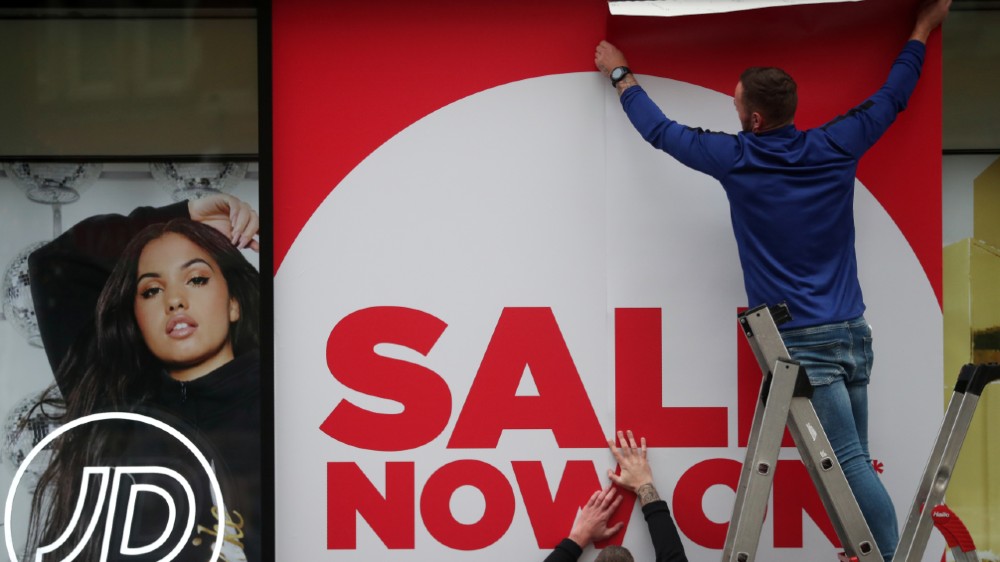
There is a “protracted weakness” across the United Kingdom‘s economy, notably in the manufacturing and services sectors, according to the British Chambers of Commerce (BCC).
Investment plans remain weak by historical standards, while cash flow has only improved slightly from its lowest level in eight years, suggested research by the BCC.
Recommended Stories
list of 3 items- list 1 of 3Double whammy: Brexit and an election weigh on UK housing market
- list 2 of 3UK economy on track to dodge pre-Brexit recession
- list 3 of 3Brexit stalemate taking a toll on UK business investment
But a separate opinion poll of wider public sentiment has revealed that British people are becoming more optimistic about the future economy.
The BCC survey of more than 6,400 businesses, covering the final quarter of 2019, highlighted a worsening picture in the services sector, which accounts for almost 80 percent of economic output.
“The UK economy limped through the final quarter of 2019,” said Suren Thiru, head of economics at the BCC.
“A faltering service sector together with listless manufacturing activity points to a downbeat outturn for UK GDP growth in the fourth quarter of 2019.”
But despite the gloomy message from businesses, there is a glimmer of optimism among the general public.
“The UK general election happened right in the middle of the year’s fourth quarter, and returned a pro-Brexit government pledging to blow away the previous uncertainty and unleash ‘a tidal wave of investment’,” said Al Jazeera’s Paul Brennan, reporting from London.
A YouGov poll for The Times newspaper found 20 percent of people in the UK expect their personal financial situation to improve this year – a sentiment up from 13 percent a year earlier.
And while 27 percent expect their situation to worsen, this has fallen from 40 percent this time last year.
BCC Director General Adam Marshall added: “The end of political deadlock at Westminster must also bring action to renew business confidence and tackle the prolonged stagnation that’s affecting so much of the UK economy. The government must use its newfound majority to take big decisions to stimulate growth.
“If ministers take action to reduce upfront costs, move key infrastructure projects forward, and to help businesses on training, they’ll be rewarded with increased investment.
“However, they also must move quickly over the coming weeks to ensure that Brexit is done right. A clear future trading relationship with the EU is also crucial to many firms’ future investment and growth prospects.”
A faltering service sector together with listless manufacturing activity points to a downbeat outturn for UK GDP growth in the fourth quarter of 2019.
The BCC estimates the UK economy grew by 1.3 percent in 2019. It predicts growth will slow to one percent in 2020, which would be the weakest performance since 2009, the Guardian reported.
“I think the danger in terms of UK-EU relations is that things again get pretty tense between the two sides with the pressure from the UK side to get things done very quickly, and the EU side saying ‘that’s just not feasible unless you’re willing to do things our way’,” Andrew Gray, of Politico Europe, told Al Jazeera.
Prime Minister Boris Johnson insists a trade deal can and must be struck by the end of 2020, with no extension.
“Here in Brussels, people who are veterans of this kind of process with other countries say it takes much longer,” Gray concluded.
